To multicellularity and back again: Description of two new coccoid genera (Portococcus gen. nov. and Pseudanabaenococcus gen. nov.) in the basal “filamentous” order Pseudanabaenales, Cyanobacteria
Otakar Strunecký, Eliška Kozlíková‐Zapomělová, Jitka Jezberová, João Morais, María Alicia Toledo Lemus, Lenka Štenclová, Jeffrey R. Johansen, Kateřina Čapková, Vitor M. O. Vasconcelos, Jan Mareš

TL;DR
Two new genera of unicellular cyanobacteria were discovered, shedding light on the evolution of multicellularity in ancient cyanobacteria.
Contribution
The study introduces two new cyanobacterial genera and highlights genome-based phylogeny as a standard in cyanobacterial taxonomy.
Findings
Genome sequencing and polyphasic analysis confirmed two new genera: Portococcus and Pseudanabaenococcus.
The new genera represent a loss of multicellularity within the filamentous Pseudanabaenales order.
New taxa were found in diverse freshwater and terrestrial cave habitats across distant regions.
Abstract
Despite recent efforts in taxonomic revision of phylogenetically basal photosynthetic cyanobacteria, cryptic diversity and recurrence of simple plesiomorphic morphotypes has continued to appear in phylogenies with poorly characterized “Synechococcus” and “Pseudanabaena” strains. Herein, one of the prominent undefined unicellular lineages was resolved as a monophyletic group of taxa that have lost multicellularity within the otherwise filamentous order Pseudanabaenales. Genome sequencing coupled with the classical polyphasic taxonomic analysis based on the 16S rRNA gene and the ITS rRNA region sequence comparisons, light and transmission electron microscopy, and source habitat record have congruently supported the description of two novel genera, Portococcus, with four new species, and Pseudanabaenococcus, with a single new species. The whole‐genome phylogeny was essential for the…
Genes, proteins, chemicals, diseases, species, mutations and cell lines named across the full text — each resolved to its canonical identifier and authoritative record.
Click any figure to enlarge with its caption.
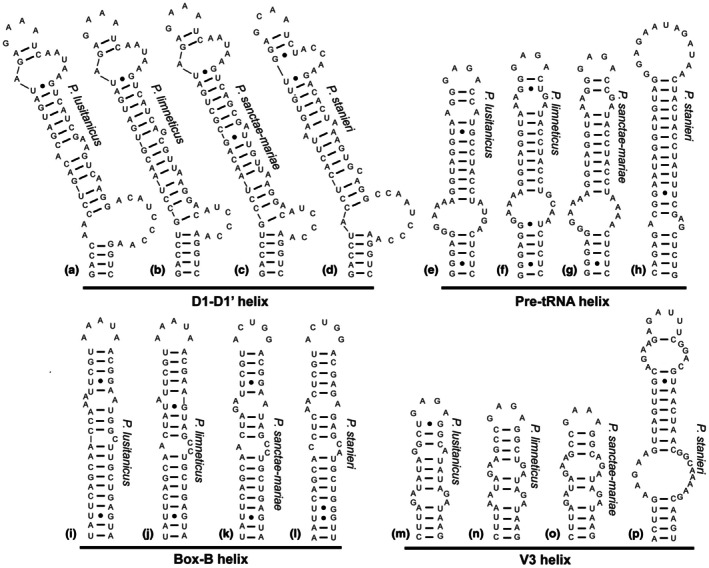 Figure 1
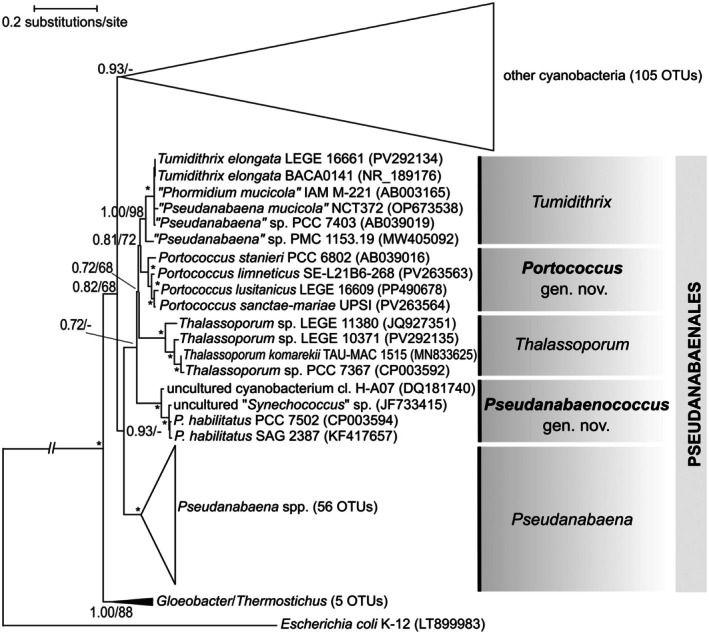 Figure 2
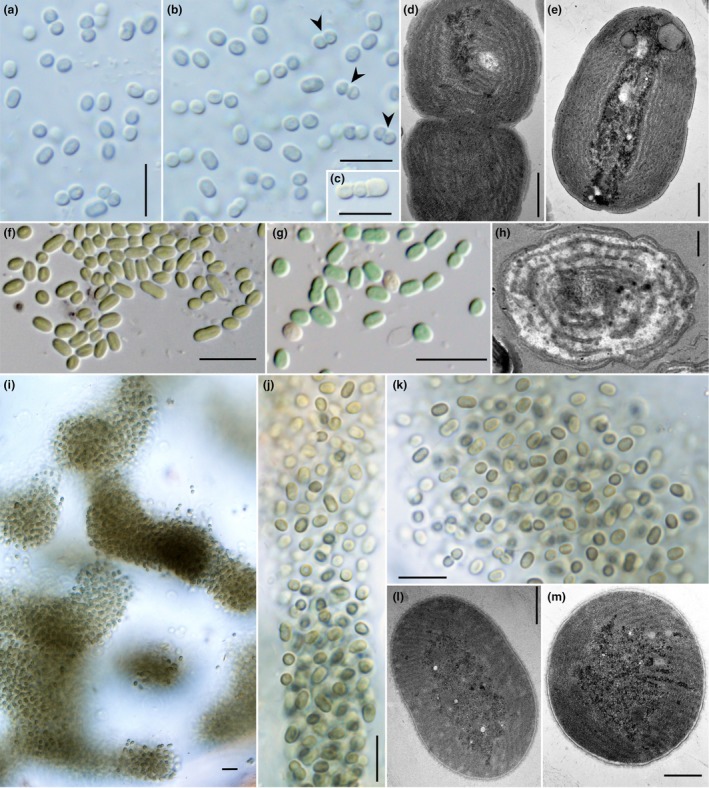 Figure 3
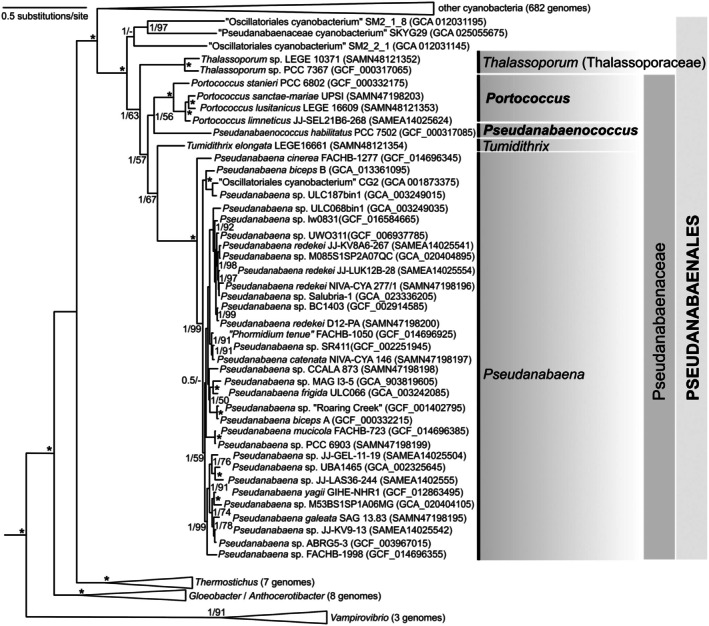 Figure 4
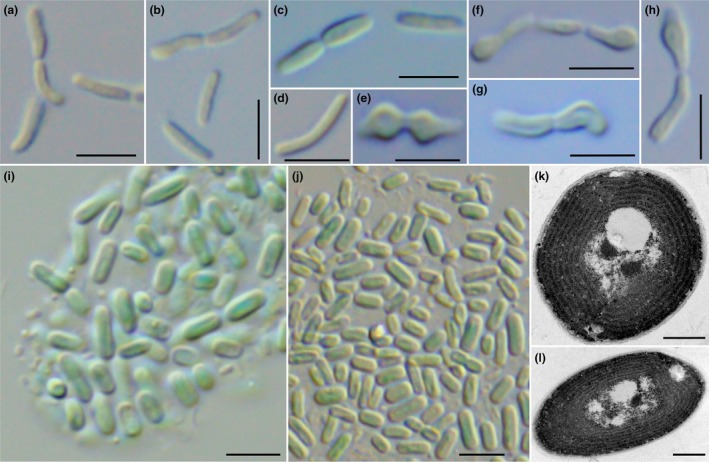 Figure 5
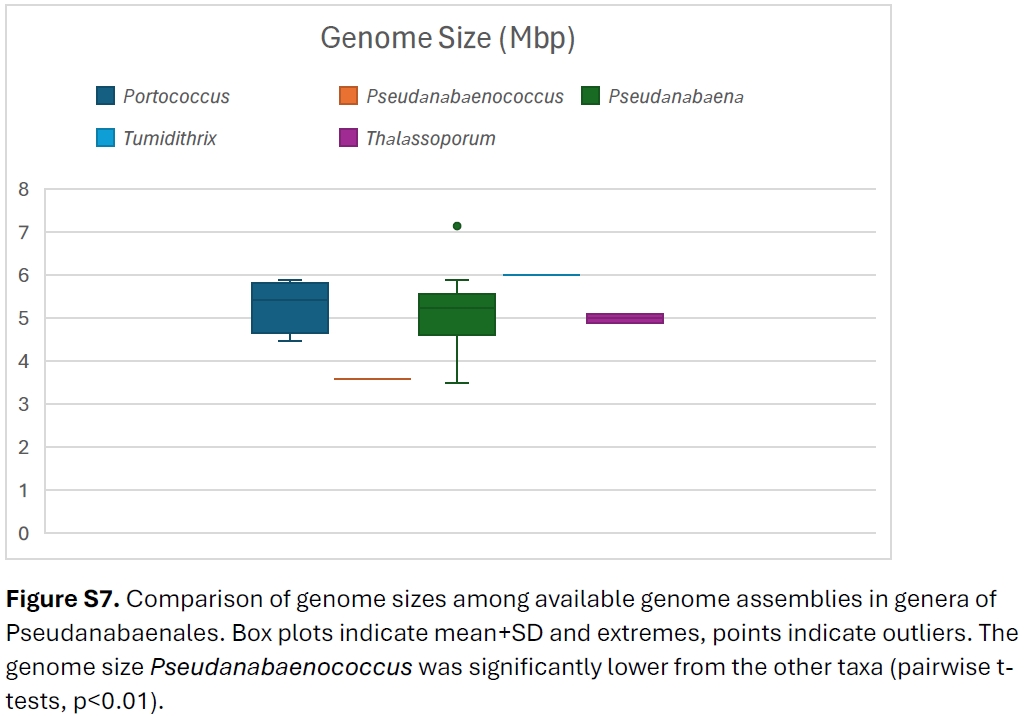 Figure 6
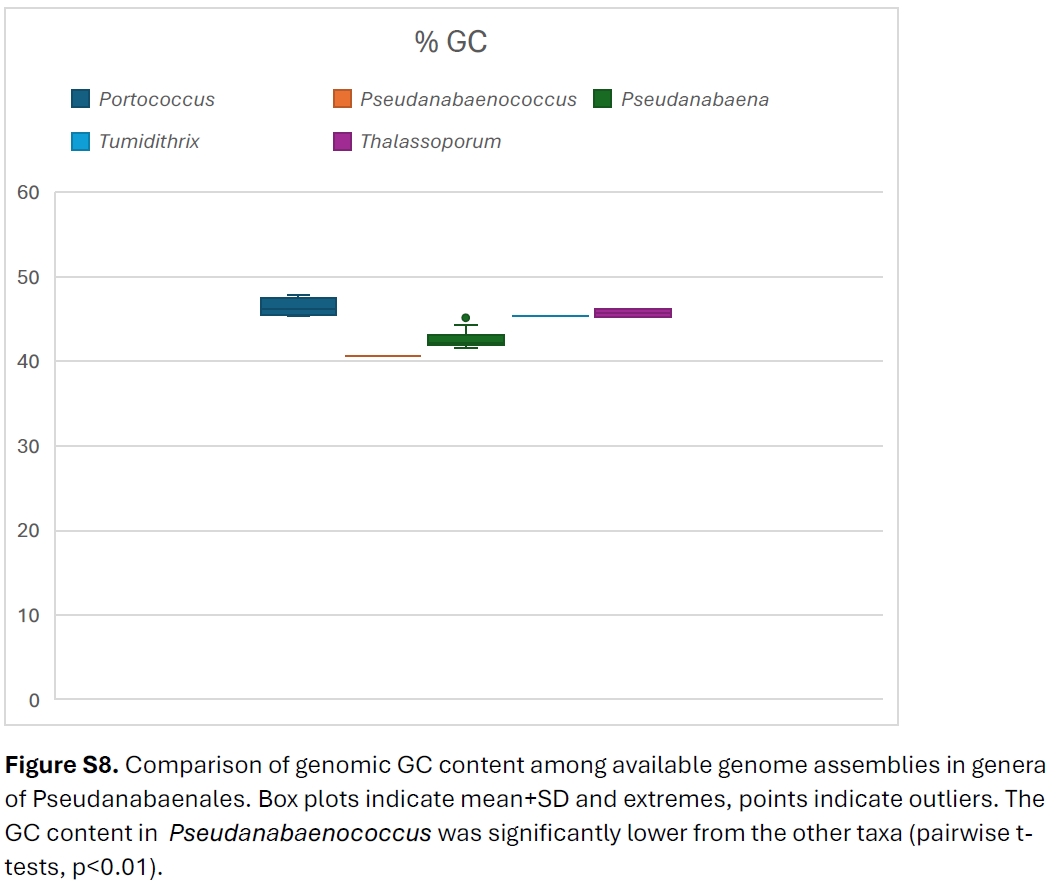 Figure 7
Peer Reviews
No public reviews on file for this paper yet. If you reviewed it on a platform where reviews are public (OpenReview, ICLR, NeurIPS, ICML), you can paste yours below so the community can read it here.
Videos
No videos yet. Explain this paper in a talk, walkthrough, or lecture? Add one.
Taxonomy
TopicsProtist diversity and phylogeny · Aquatic Ecosystems and Phytoplankton Dynamics · Diatoms and Algae Research