Characterizing morphology of Egregia menziesii (Laminariales) in California over 2 centuries using historical and contemporary herbarium specimens
Adi Khen, Kai M. Moore, Siobhan A. Braybrook, Peter S. Vroom, Kathy Ann Miller, Jennifer E. Smith

TL;DR
This study used historical and modern kelp specimens to show how Egregia menziesii's shape changes with environmental factors like temperature and waves over 200 years.
Contribution
The study introduces digital morphometrics applied to herbarium specimens to analyze long-term morphological trends in kelp.
Findings
Egregia menziesii morphology varies along a latitudinal gradient and is influenced by seawater temperature and wave height.
Recent decades show region-specific morphological changes, suggesting environmental impacts over time.
Monthly sporophyll presence in southern specimens offers insights into reproductive phenology.
Abstract
The canopy‐forming feather boa kelp Egregia menziesii exhibits remarkable morphological variability across its geographic range. Regional morphotypes of Egregia were once considered separate species, but they were not determined to be genetically distinct; instead, their morphology was thought to reflect local physical or environmental conditions. Although morphological variation in Egregia has long been observed and was previously characterized through field surveys in the early 2000s, we revisited this topic using digital morphometrics (i.e., image analysis) of 1624 macroalgal herbarium specimens from California dating back to the 19th century. We observed that the morphology of Egregia (rachis texture, lateral blade shape, and blade or pneumatocyst density) varied along a latitudinal gradient and could be predicted by seawater temperature and wave height. We also identified some…
Genes, proteins, chemicals, diseases, species, mutations and cell lines named across the full text — each resolved to its canonical identifier and authoritative record.
Click any figure to enlarge with its caption.
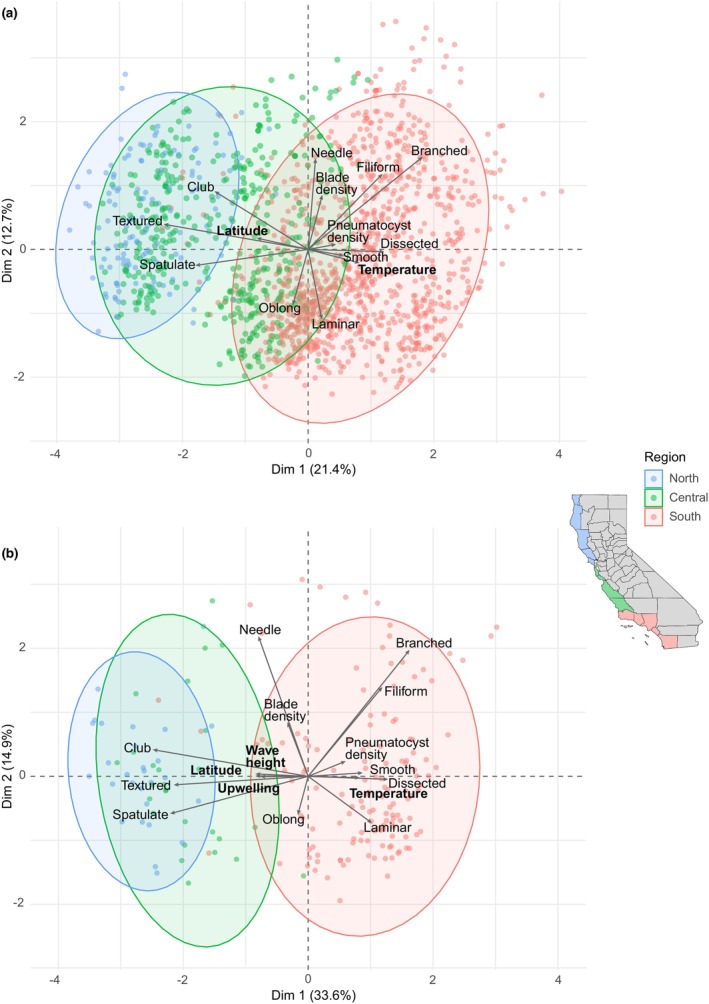 Figure 1
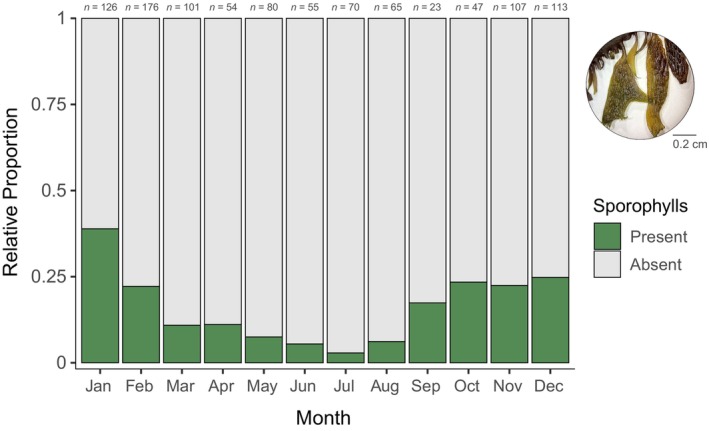 Figure 2
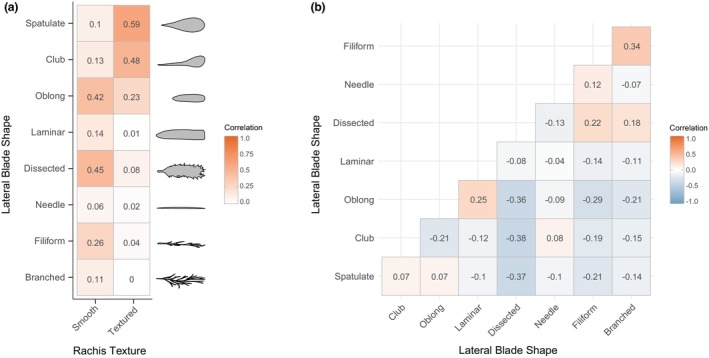 Figure 3
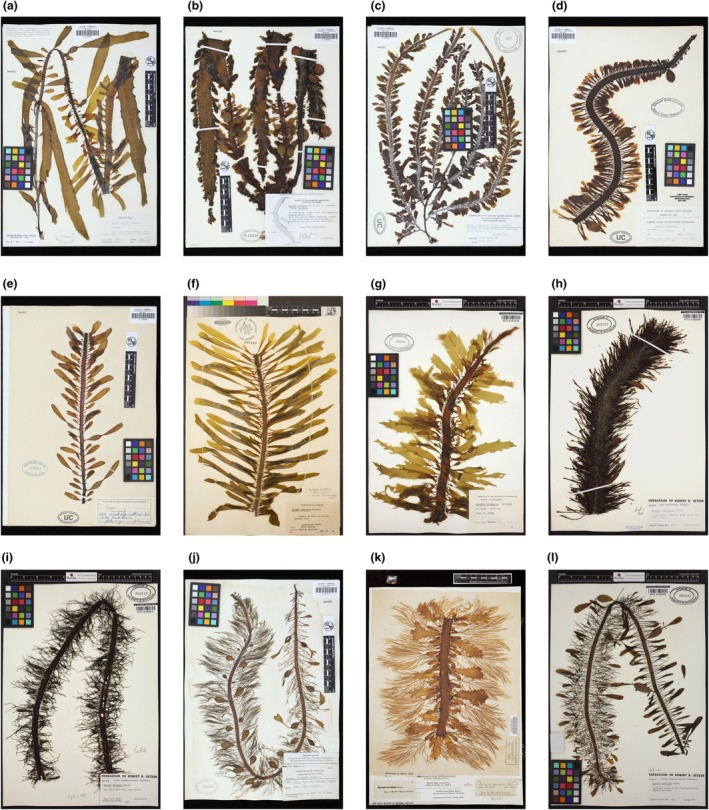 Figure 4
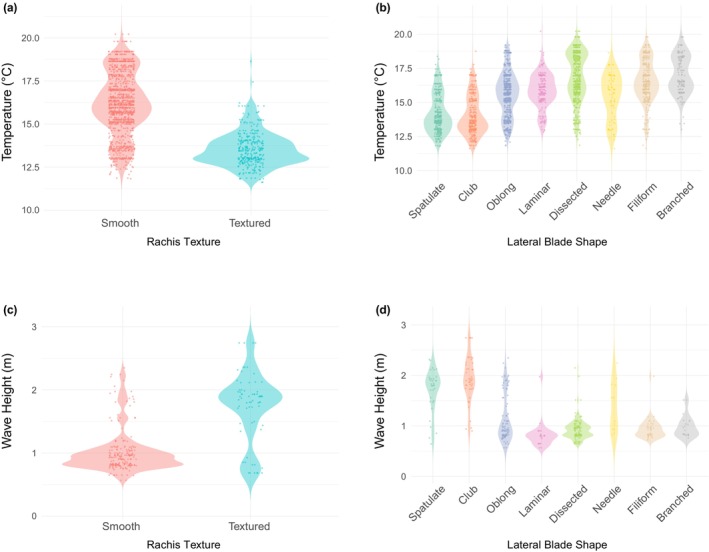 Figure 5
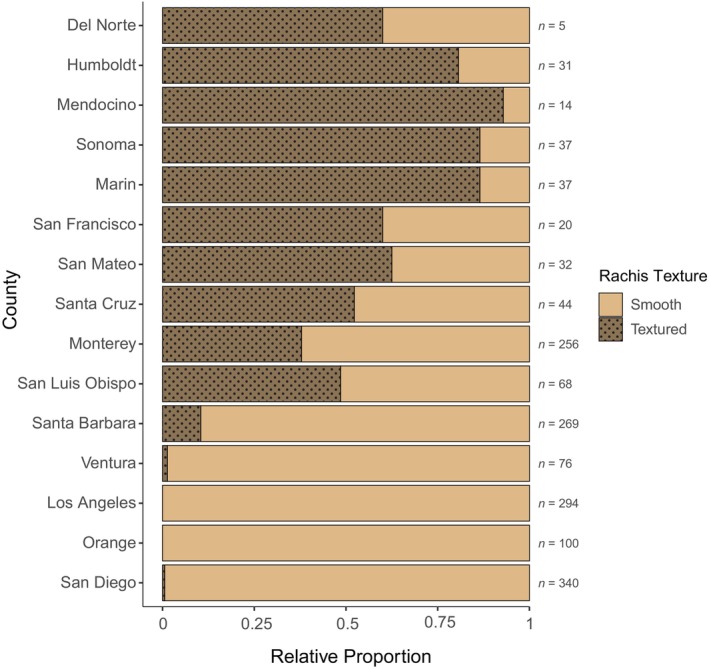 Figure 6
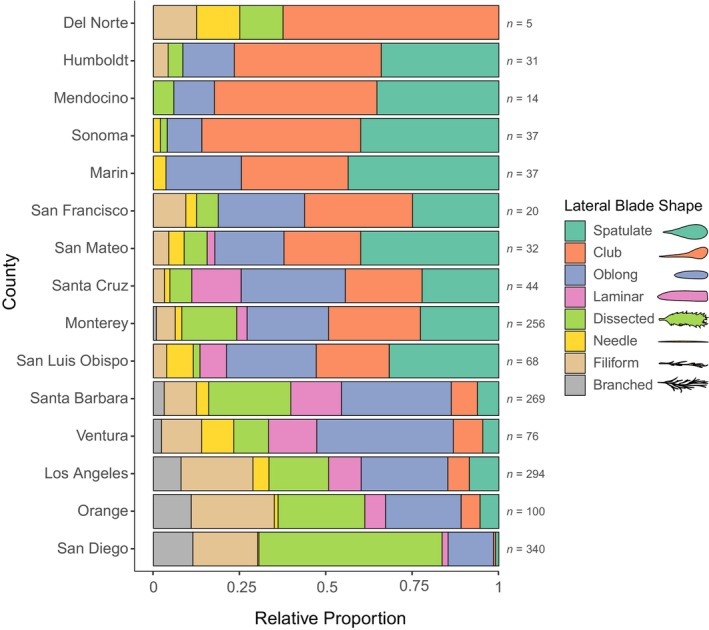 Figure 7
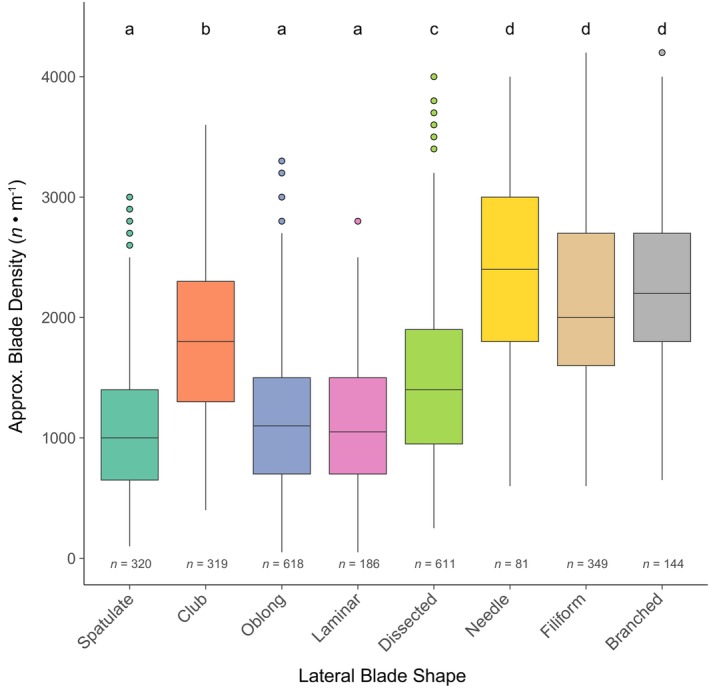 Figure 8
Peer Reviews
No public reviews on file for this paper yet. If you reviewed it on a platform where reviews are public (OpenReview, ICLR, NeurIPS, ICML), you can paste yours below so the community can read it here.
Videos
No videos yet. Explain this paper in a talk, walkthrough, or lecture? Add one.
Taxonomy
TopicsMarine and coastal plant biology · Seaweed-derived Bioactive Compounds · Echinoderm biology and ecology