Robotic-assisted laparoscopic repair of isthmoceles: the feasibility of operative treatment and recommendations for patient selection
Sa’ed Almasarweh, Rainer Kimmig, Anna Magdalena Jakob, Anika Hüser, Paul Buderath, Roland Csorba, Angela Köninger, Antonella Iannaccone

TL;DR
Robotic-assisted surgery for uterine niches improves symptoms and fertility, with significant increases in uterine wall thickness and successful pregnancy outcomes.
Contribution
Demonstrates the feasibility and effectiveness of robotic-assisted laparoscopic repair for uterine niches with detailed clinical and fertility outcomes.
Findings
Robotic-assisted surgery significantly increased residual myometrial thickness from 1.75 mm to 4.9 mm.
71.4% of symptomatic patients reported symptom resolution after the procedure.
65.4% of patients who desired conception achieved live births post-surgery.
Abstract
Uterine niches (isthmoceles) are myometrial defects commonly occurring after caesarean sections and may lead to abnormal uterine bleeding, pelvic pain and impaired fertility. Robotic-assisted surgical approaches have emerged as a minimally invasive option for their management, yet data on their efficacy remain limited. To evaluate the efficacy of robotic-assisted laparoscopic repair of uterine niches in improving clinical symptoms and fertility outcomes. A retrospective observational study conducted at a tertiary university hospital. All patients who underwent robotic-assisted laparoscopic repair of uterine niches between 2013 and 2023 were included. Preoperative assessments included transvaginal ultrasound and hysterosalpingo-ultrasonography to evaluate residual myometrial thickness (RMT) and niche morphology. The surgical procedure entailed isthmocele resection followed by…
Genes, proteins, chemicals, diseases, species, mutations and cell lines named across the full text — each resolved to its canonical identifier and authoritative record.
Click any figure to enlarge with its caption.
 Figure 1
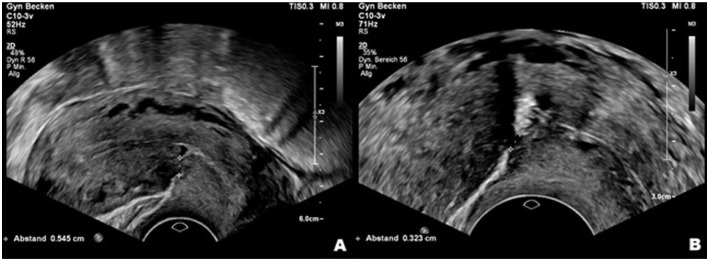 Figure 1
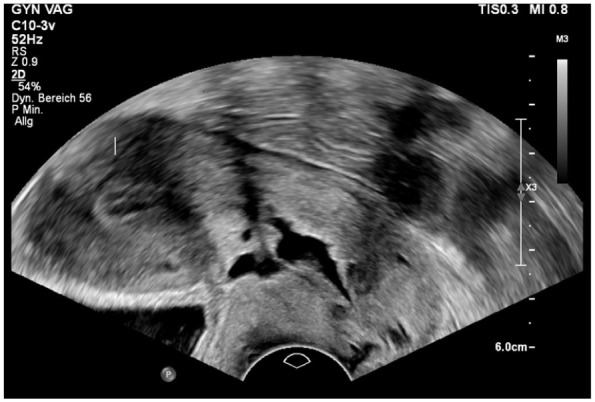 Figure 2
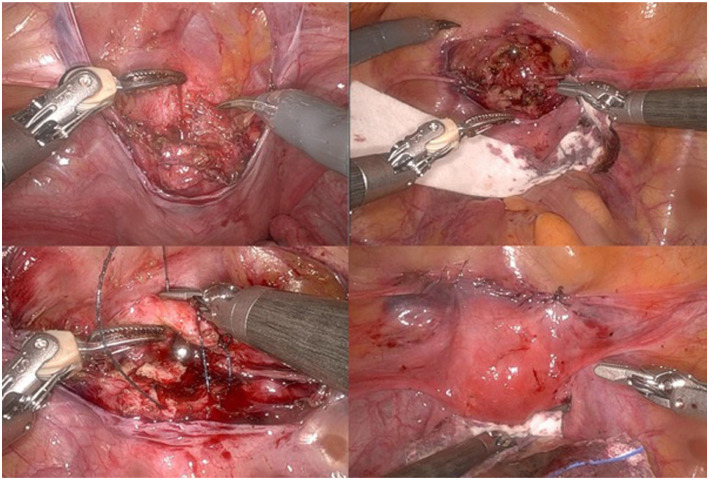 Figure 3
 Figure 4
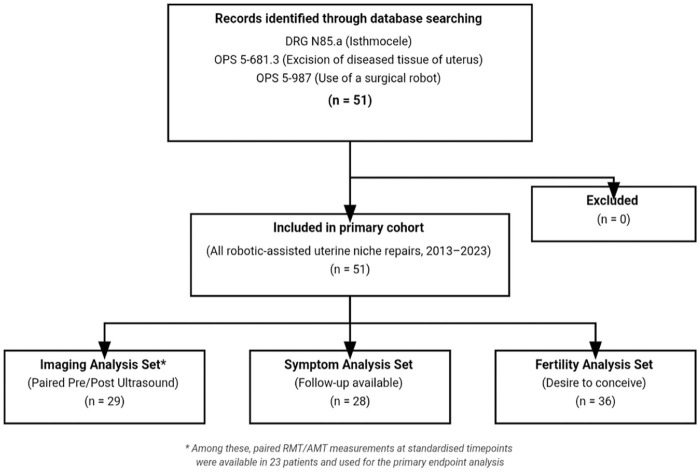 Figure 5
 Figure 7
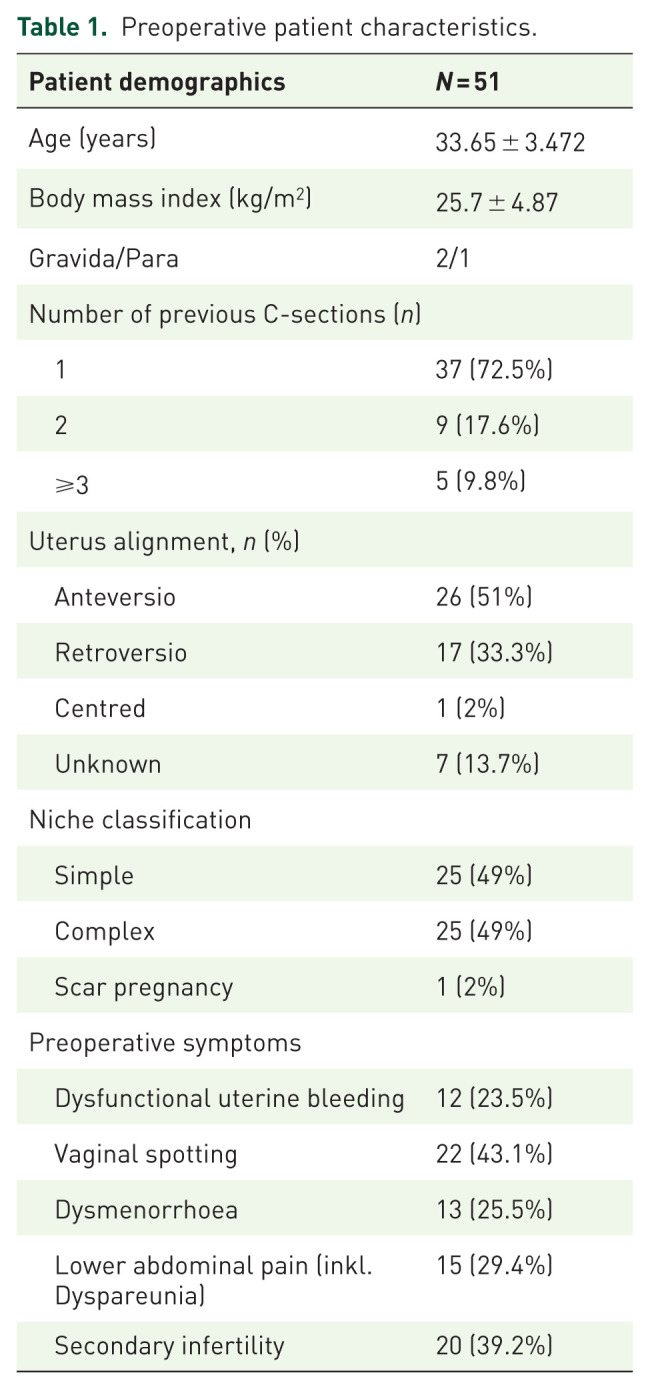 Figure 8
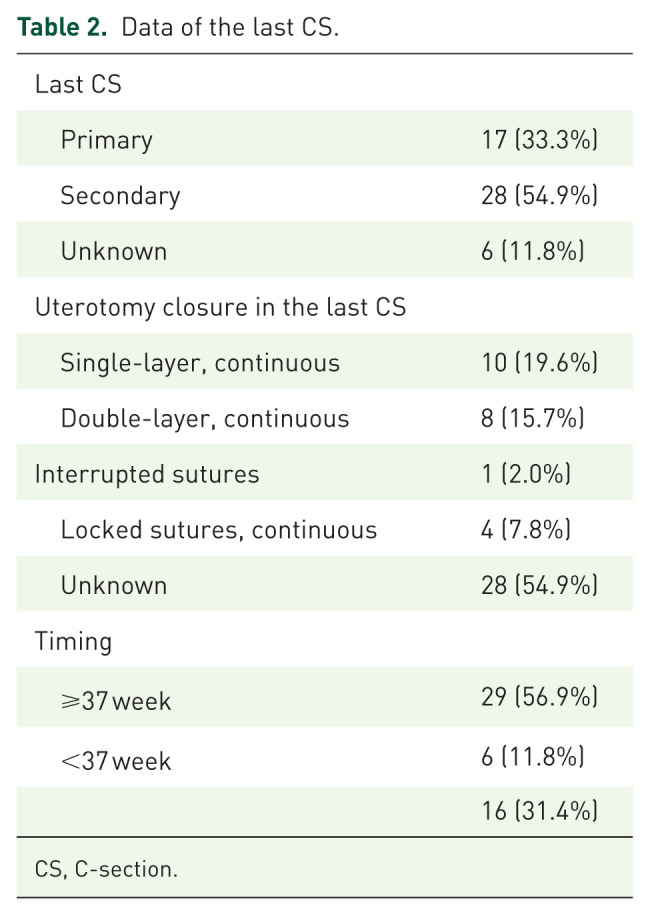 Figure 9
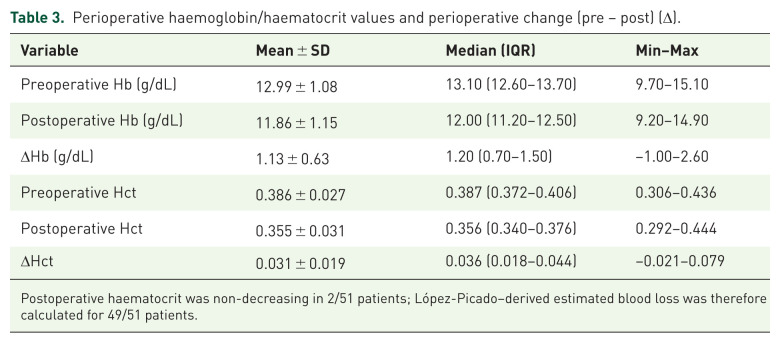 Figure 10
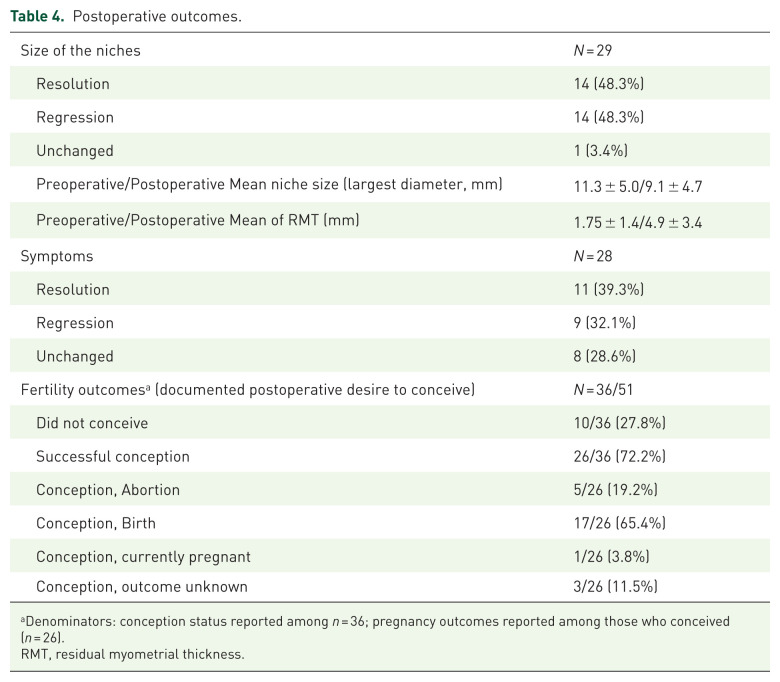 Figure 11
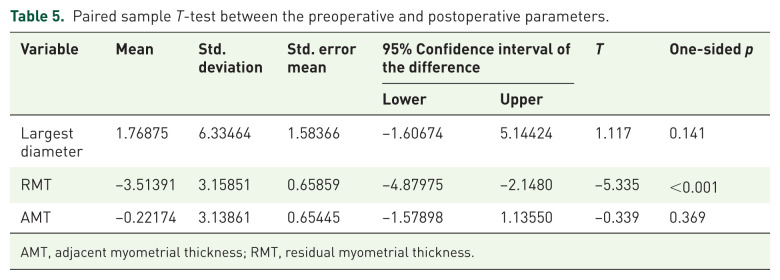 Figure 12
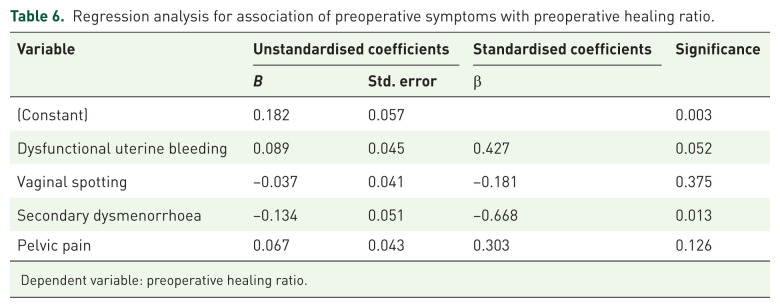 Figure 13
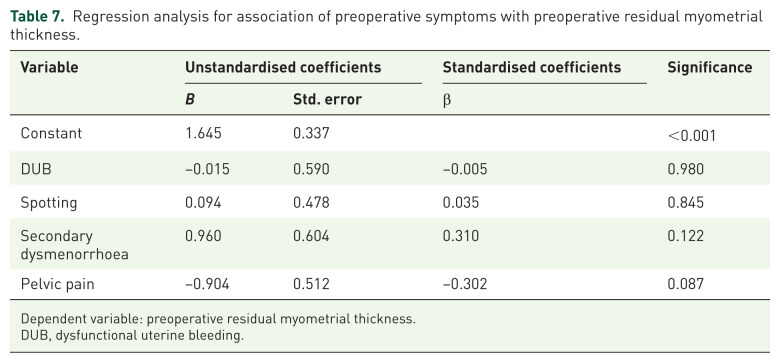 Figure 14
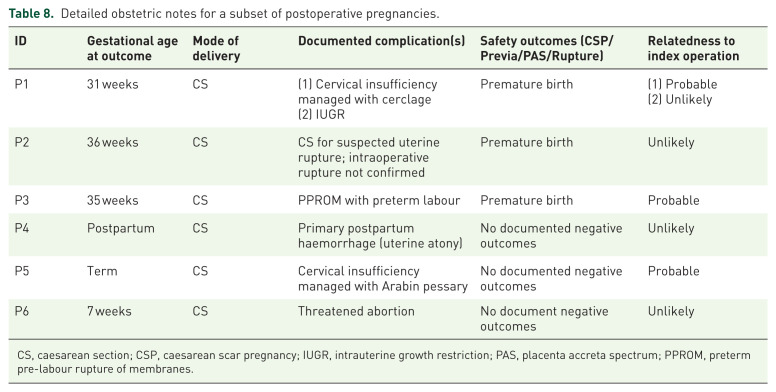 Figure 15
Peer Reviews
No public reviews on file for this paper yet. If you reviewed it on a platform where reviews are public (OpenReview, ICLR, NeurIPS, ICML), you can paste yours below so the community can read it here.
Videos
No videos yet. Explain this paper in a talk, walkthrough, or lecture? Add one.
Taxonomy
TopicsCongenital gastrointestinal and neural anomalies · Pelvic floor disorders treatments · Urological Disorders and Treatments