Lethal effects of ivermectin structures on malaria vectors and in silico analysis of interactions with their glutamate-gated chloride ion channels
Minh N. Nguyen, Andrew K. Jones, David Hotwagner, Pattarapon Khemrattrakool, Thitipong Hongsuwong, Borimas Hanboonkunupakarn, Podjanee Jittamala, Patchara Sriwichai, Joel Tarning, Kevin C. Kobylinski

TL;DR
This paper shows how ivermectin kills malaria-carrying mosquitoes by interacting with their chloride ion channels, and identifies a key hydrogen bond that could lead to resistance.
Contribution
The study identifies a novel hydrogen bond between ivermectin and Anopheles GluCl channels, explaining differential toxicity and resistance potential.
Findings
Ivermectin with two sugar rings is most lethal to Anopheles mosquitoes, while aglycone has no effect.
A hydrogen bond between ivermectin's 4″-OH and THR304 in Anopheles GluCl is crucial for toxicity.
A single amino acid substitution in the M2-M3 loop of GluCl explains differences in ivermectin sensitivity between species.
Abstract
Ivermectin is lethal to Anopheles mosquitoes making it a possible malaria control intervention. The primary mode of action of ivermectin occurs when it binds to the glutamate-gated chloride channel (GluCl), allowing for continuous flow of chloride leading to flaccid paralysis and death of the mosquito. In Caenorhabditis elegans, ivermectin is thought to open the GluCl channel when the M2-M3 loop forms Van der Waals bonds with the first sugar ring and aglycone structure of ivermectin. Here we investigate in Anopheles dirus and Anopheles minimus the mosquito-lethal effect of ivermectin (both sugar rings), monosaccharide (one sugar ring), and aglycone (no sugar rings) demonstrating full, partial, and no effect, respectively. The Anopheles GluCl protein sequences were determined and used to a create 3-D structural docking models. The docking models identified new binding interactions with a…
Genes, proteins, chemicals, diseases, species, mutations and cell lines named across the full text — each resolved to its canonical identifier and authoritative record.
Click any figure to enlarge with its caption.
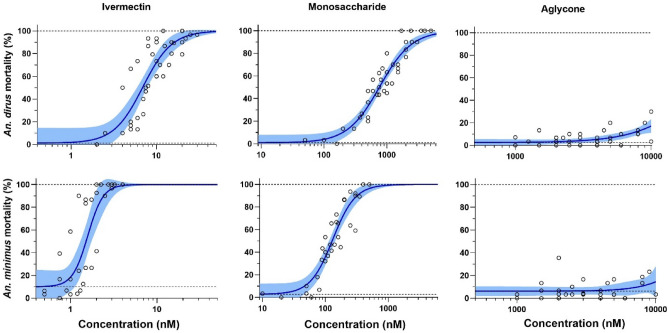 Figure 1
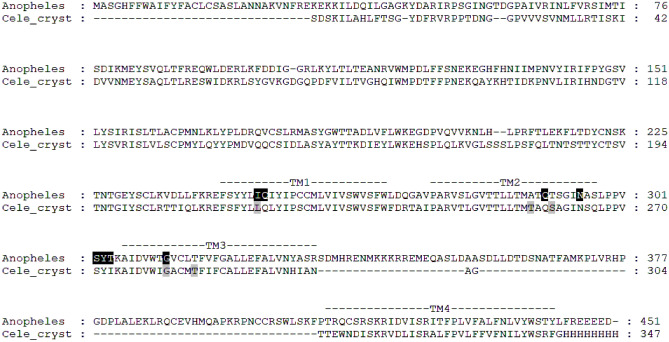 Figure 2
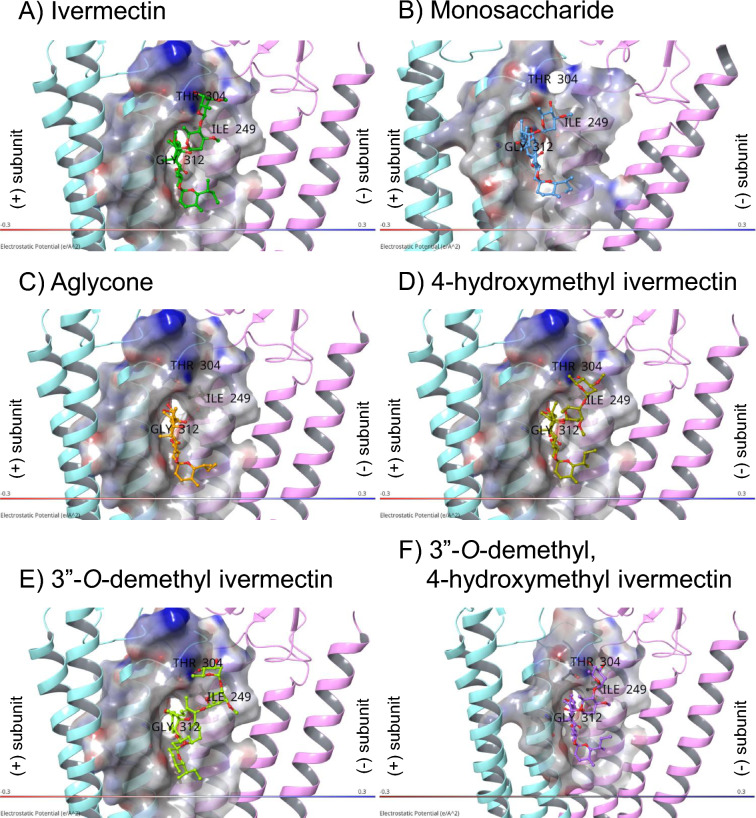 Figure 3
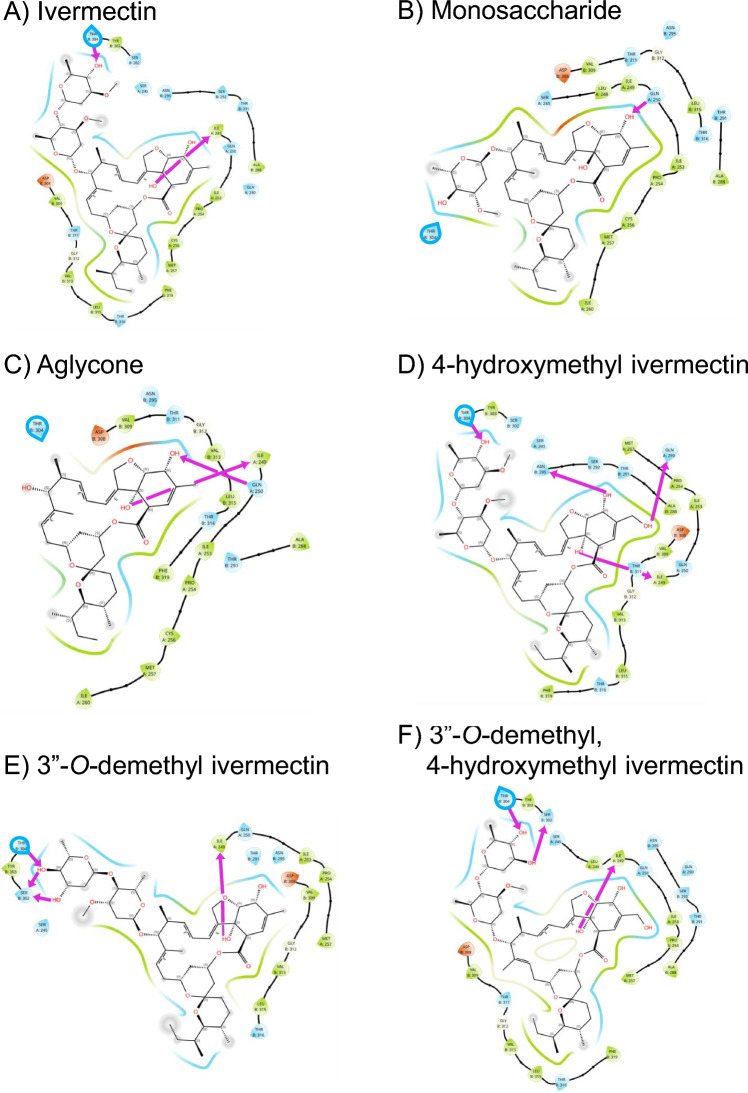 Figure 4
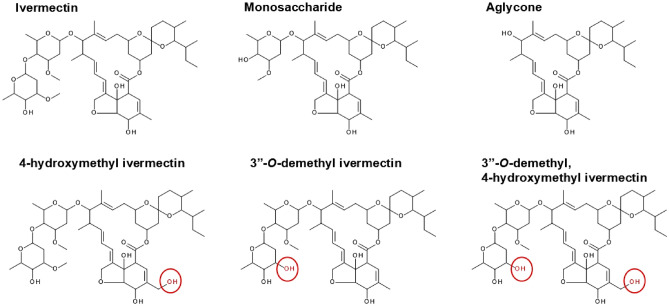 Figure 5
Peer Reviews
No public reviews on file for this paper yet. If you reviewed it on a platform where reviews are public (OpenReview, ICLR, NeurIPS, ICML), you can paste yours below so the community can read it here.
Videos
No videos yet. Explain this paper in a talk, walkthrough, or lecture? Add one.
Taxonomy
TopicsParasitic Diseases Research and Treatment · Malaria Research and Control · Trypanosoma species research and implications