Kisspeptin Restores Placental mTOR Signaling and Improves Glucose Homeostasis Mediators Disrupted by Maternal Hypothyroidism in Rats
Bianca Reis Santos, Jeane Martinha dos Anjos Cordeiro, Luciano Cardoso Santos, Cleisla Souza Oliveira, Maria Clara Pascoal Santos Alvarez, Natália Panhoca Rodrigues, Jorge Lopez‐Tello, Amanda N. Sferruzzi‐Perri, Rogéria Serakides, Juneo Freitas Silva

TL;DR
Kisspeptin helps fix placental and maternal metabolism issues caused by hypothyroidism in pregnant rats, though it doesn't fully reverse all effects.
Contribution
Kisspeptin-10 is shown to restore placental mTOR signaling and glucose metabolism disrupted by maternal hypothyroidism.
Findings
Maternal hypothyroidism caused glucose intolerance and reduced fetal and placental weights.
Kisspeptin-10 treatment restored placental AKT/mTOR expression and improved Glut1 dysregulation.
Kisspeptin-10 upregulated the IGF1/IGF1R axis in hypothyroid pregnant rats.
Abstract
Reduced placental mTOR signaling is associated with intrauterine growth restriction and impaired maternal and placental metabolism. Since maternal hypothyroidism induces intrauterine growth restriction, and maternal treatment with kisspeptin‐10 (Kp10) has been shown to improve feto‐placental development in hypothyroid rats, this study aimed to evaluate the effects of maternal hypothyroidism, with and without kisspeptin‐10 treatment, on maternal energy homeostasis and placental expression of mTOR and glucose metabolism mediators. Maternal hypothyroidism was induced by administration of propylthiouracil, and kisspeptin‐10 treatment began on gestational day 8. Maternal hypothyroidism caused glucose intolerance, decreased insulin and HDL levels, reduced fetal and placental weights, and thinned the placental interhaemal barrier. It also increased INSRβ and AKT, while downregulating…
Genes, proteins, chemicals, diseases, species, mutations and cell lines named across the full text — each resolved to its canonical identifier and authoritative record.
Click any figure to enlarge with its caption.
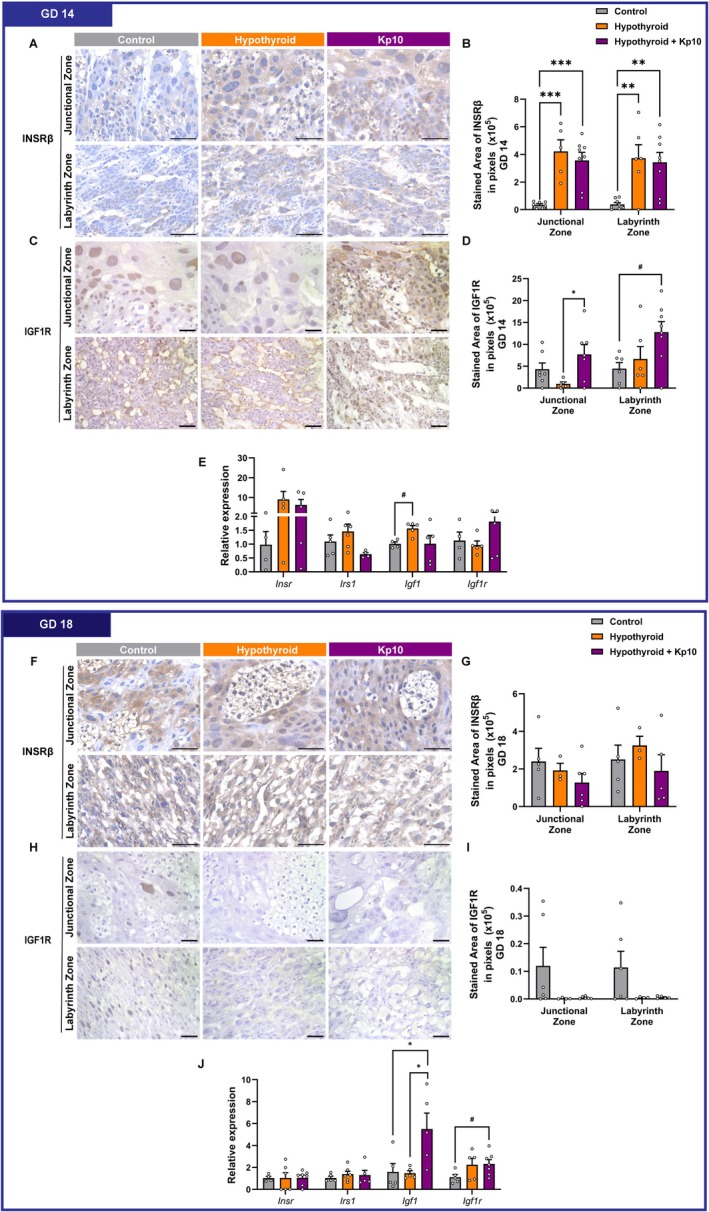 Figure 1
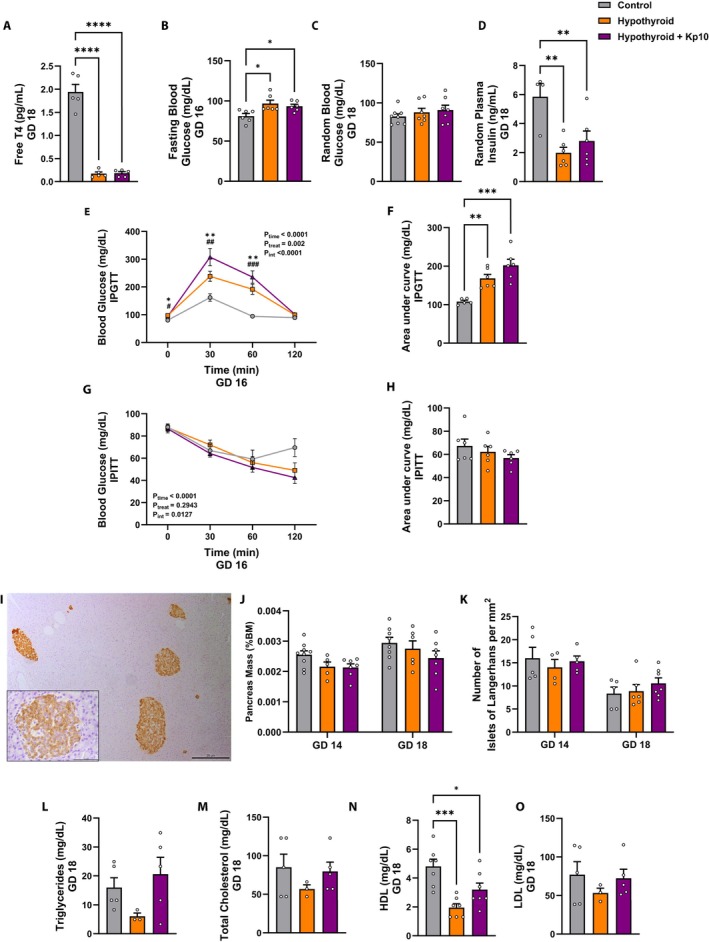 Figure 2
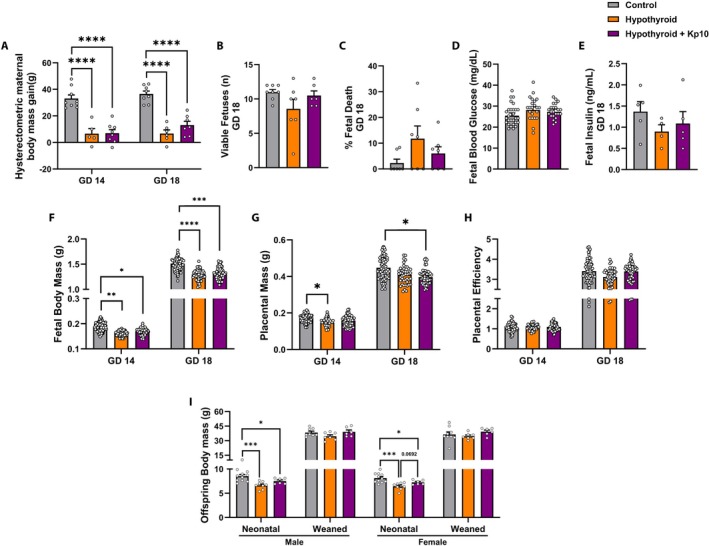 Figure 3
 Figure 4
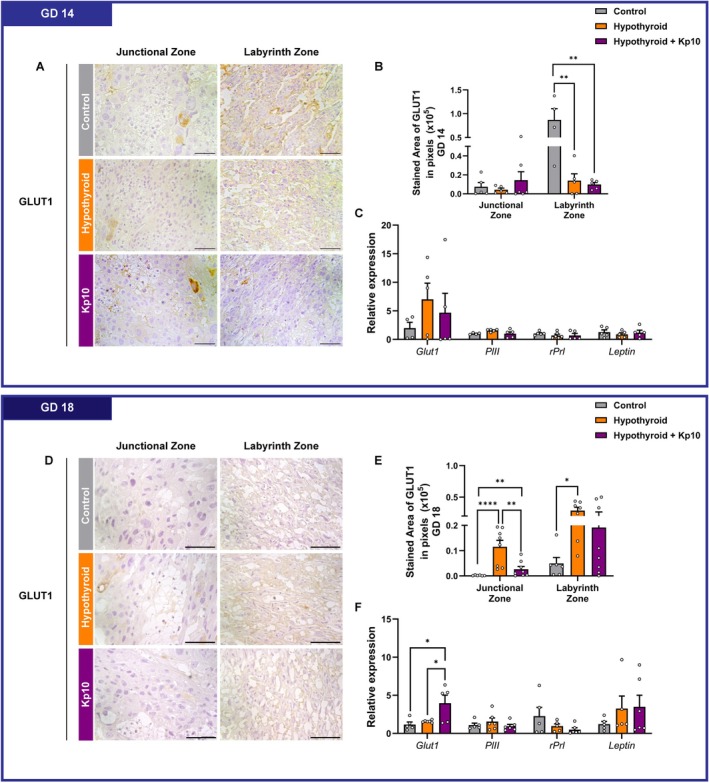 Figure 5
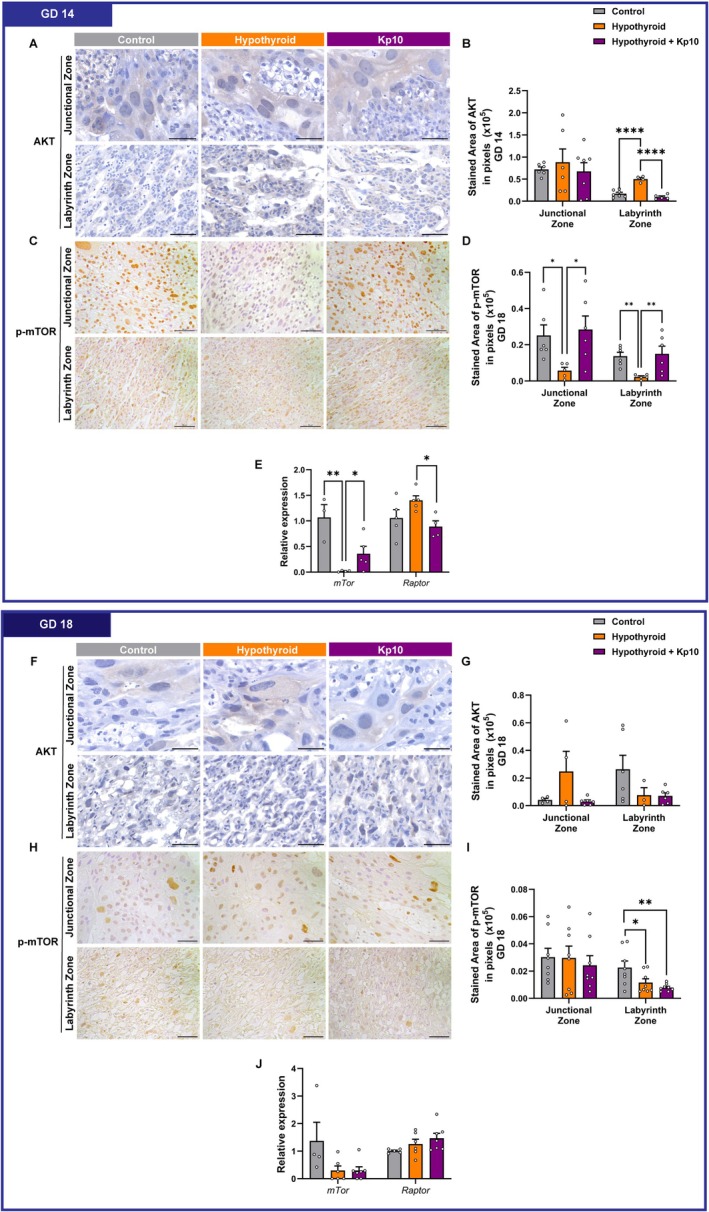 Figure 6
Peer Reviews
No public reviews on file for this paper yet. If you reviewed it on a platform where reviews are public (OpenReview, ICLR, NeurIPS, ICML), you can paste yours below so the community can read it here.
Videos
No videos yet. Explain this paper in a talk, walkthrough, or lecture? Add one.
Taxonomy
TopicsHypothalamic control of reproductive hormones · Pregnancy-related medical research · Regulation of Appetite and Obesity