High-throughput methods leveraging robotics and computer vision for the development of therapeutic phage cocktails
Taylor J. R. Penke, Aeron Tynes Hammack, Lana J. McMillan, Ethan Baker, Pearl Wilcock, Nick Healy, Morgan K. Y. Wall, Naomi Chavez, Iain Wright, Hannah H. Tuson, Sara Woessner, Ashley Trama, Cameron J. Prybol, Eyra Dordi, Ava Ghobadian, David G. Ousterout, Nicholas R. Conley

TL;DR
The paper describes a high-throughput system using robotics and computer vision to develop effective phage cocktails for treating urinary tract infections.
Contribution
The novel contribution is an automated platform for reproducibly screening and optimizing therapeutic phage cocktails at scale.
Findings
The platform enabled systematic assessment of phage-bacteria interactions using standardized assays.
A phage cocktail, LBP-EC01, was developed to be effective against over 96% of tested E. coli isolates.
The methods address the lack of scalable frameworks for developing phage-based therapies.
Abstract
We present the high-throughput automated screening techniques that are being used to develop bacteriophage-based therapeutic products currently under investigation in human clinical trials to combat urinary tract infections1. By integrating modern liquid handling robotics, standardized phenotypic assays, and computer vision-based enumeration, we established a platform capable of reproducibly screening large collections of phages against clinically derived bacterial strain panels. This approach enabled systematic assessment of phage-bacteria interactions at scale, facilitating the identification and optimization of phage cocktails with broad in vitro activity. Although bacteriophage therapy has long been investigated as a strategy for treating bacterial infections, few frameworks exist for developing phage combinations in a reproducible and scalable manner. The methods outlined here…
Genes, proteins, chemicals, diseases, species, mutations and cell lines named across the full text — each resolved to its canonical identifier and authoritative record.
Click any figure to enlarge with its caption.
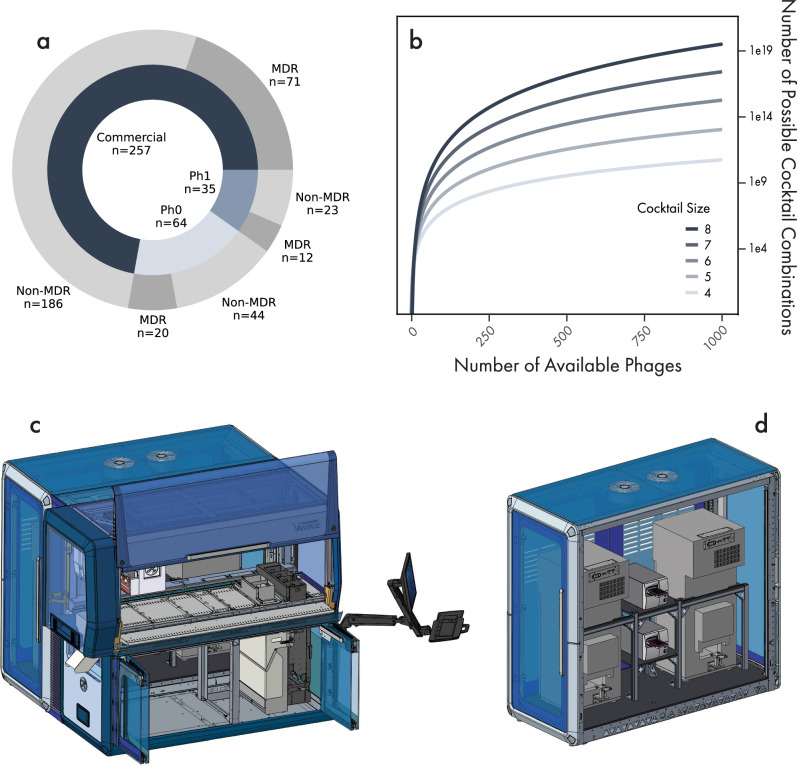 Figure 1
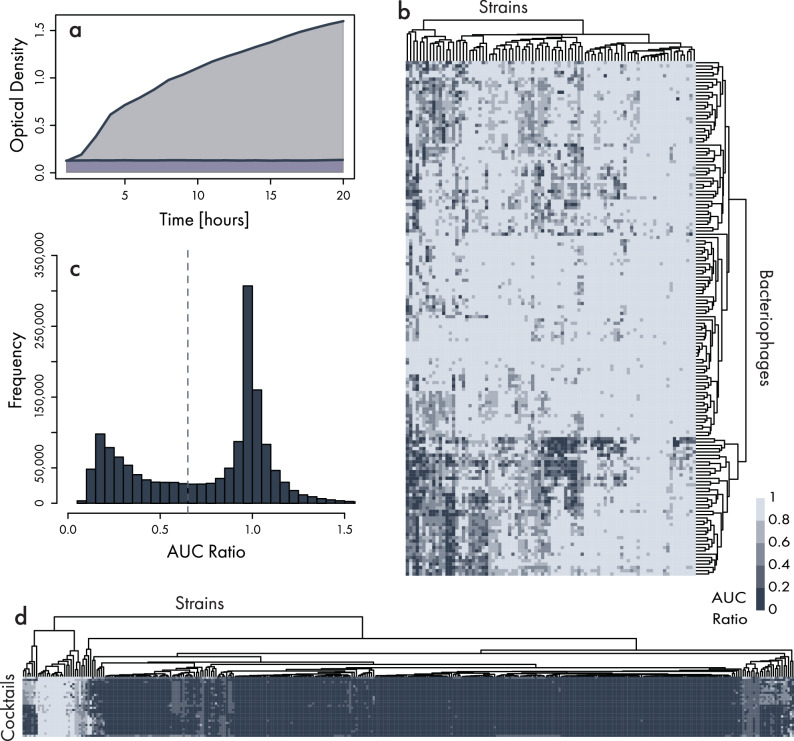 Figure 2
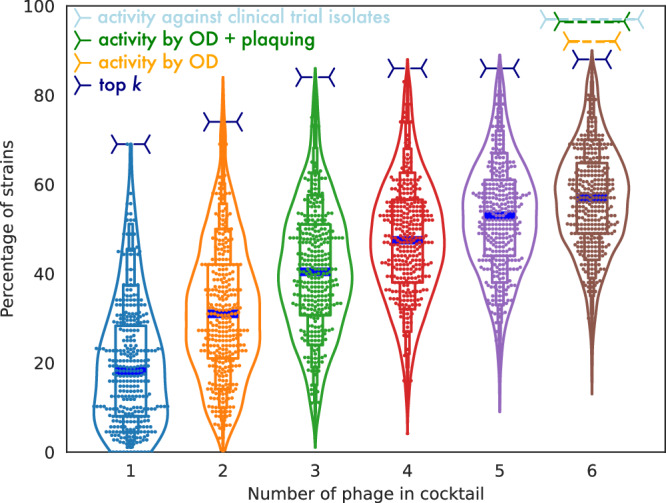 Figure 3
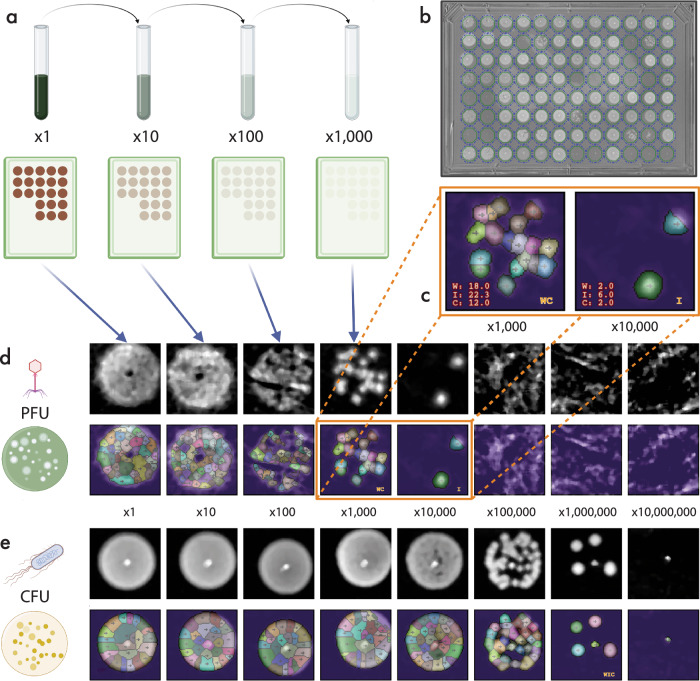 Figure 4
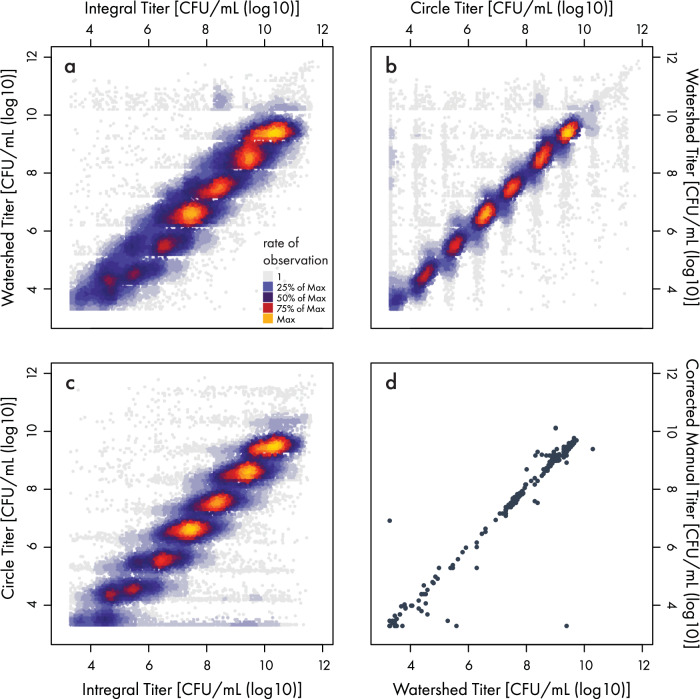 Figure 5
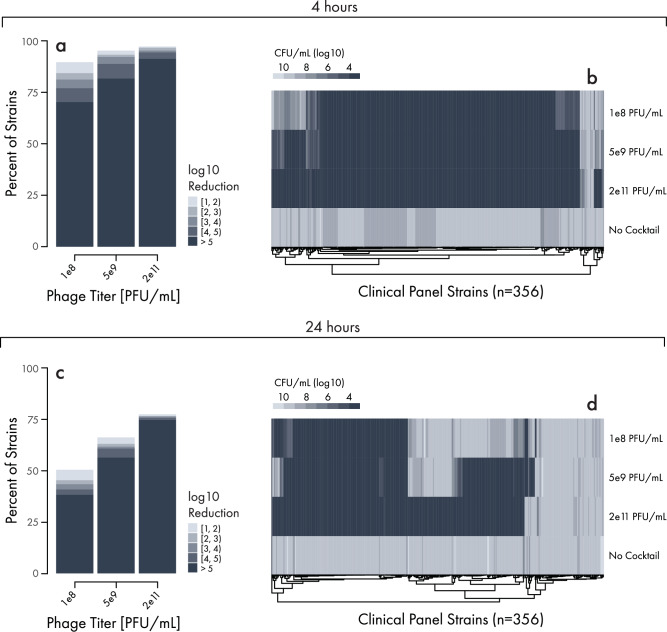 Figure 6
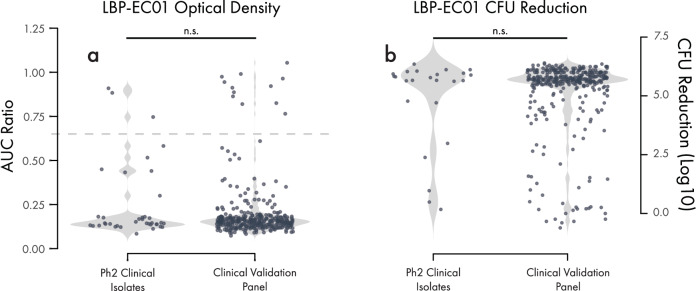 Figure 7
Peer Reviews
No public reviews on file for this paper yet. If you reviewed it on a platform where reviews are public (OpenReview, ICLR, NeurIPS, ICML), you can paste yours below so the community can read it here.
Videos
No videos yet. Explain this paper in a talk, walkthrough, or lecture? Add one.
Taxonomy
TopicsBacteriophages and microbial interactions · Vibrio bacteria research studies · Cancer Research and Treatments