NEVi: Negative Emotional Video dataset – categorizing stimulus intensity ratings based on valence and arousal
Hanne Schurig, Evelina Marie Stender, Julius Hennig, Michaela Ohme, Maria Seidel, Stefan Ehrlich

TL;DR
NEVi is a new dataset of negative emotional videos categorized by intensity for valence and arousal, suitable for adolescents and available as open access data.
Contribution
NEVi introduces short and long versions of negative emotional videos categorized by intensity ratings, suitable for younger audiences.
Findings
NEVi includes 112 videos categorized into low and high intensity based on valence and arousal ratings from 650 volunteers.
The dataset provides open-access CSV files with participant demographics and ratings, ensuring transparency and accessibility.
Videos are sourced from third-party datasets and can be reconstructed using provided information.
Abstract
We introduce NEVi (Negative Emotional Video dataset), a validated and standardized video dataset designed to evoke negative emotional responses. A total of 112 videos eliciting negative emotions were selected from established emotional video datasets. NEVi stands out by offering matched videos in two durations: short (1-sec) and long (5-sec), both individually extracted from the emotional video stimuli, taking into account the point of the highest intensity and the comprehensibility of the content. A total of 650 international, English-speaking volunteers evaluated the dataset by rating the stimuli on the dimensions of valence and arousal. Videos were categorized by intensity (low and high) based on these ratings. Particular care was taken to ensure the suitability of the video content for younger audiences, making it appropriate for use with adolescents. Results are provided as CSV…
Genes, proteins, chemicals, diseases, species, mutations and cell lines named across the full text — each resolved to its canonical identifier and authoritative record.
Click any figure to enlarge with its caption.
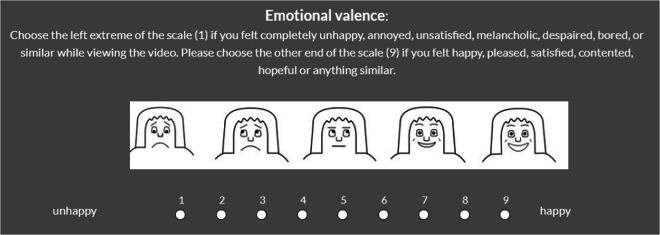 Figure 1
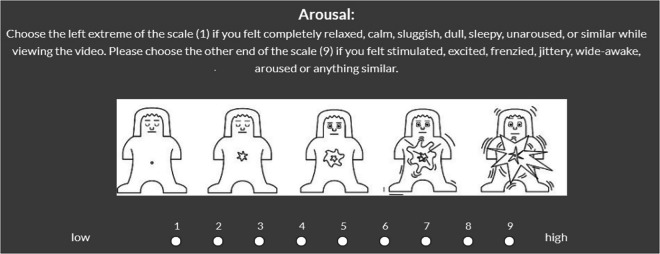 Figure 2
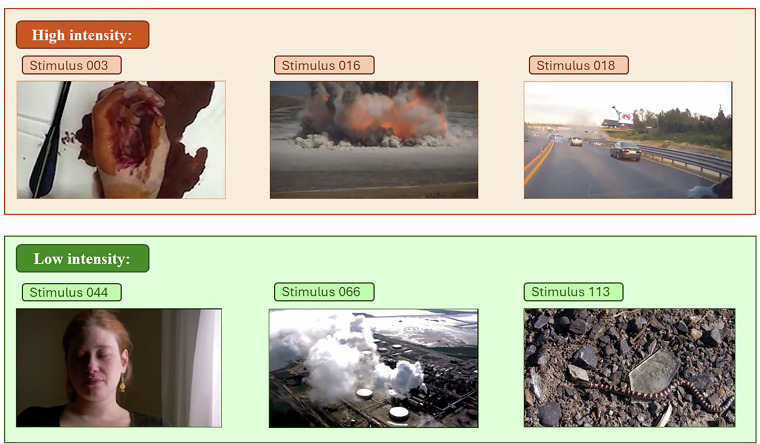 Figure 3
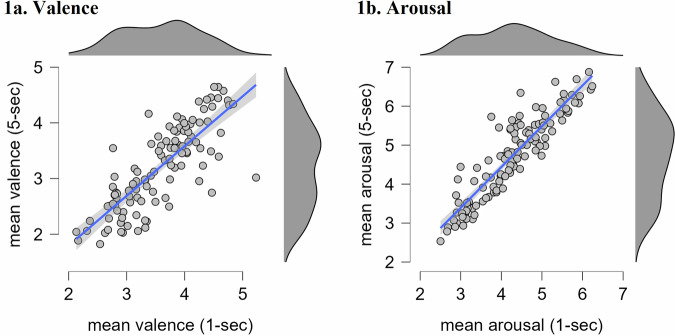 Figure 4
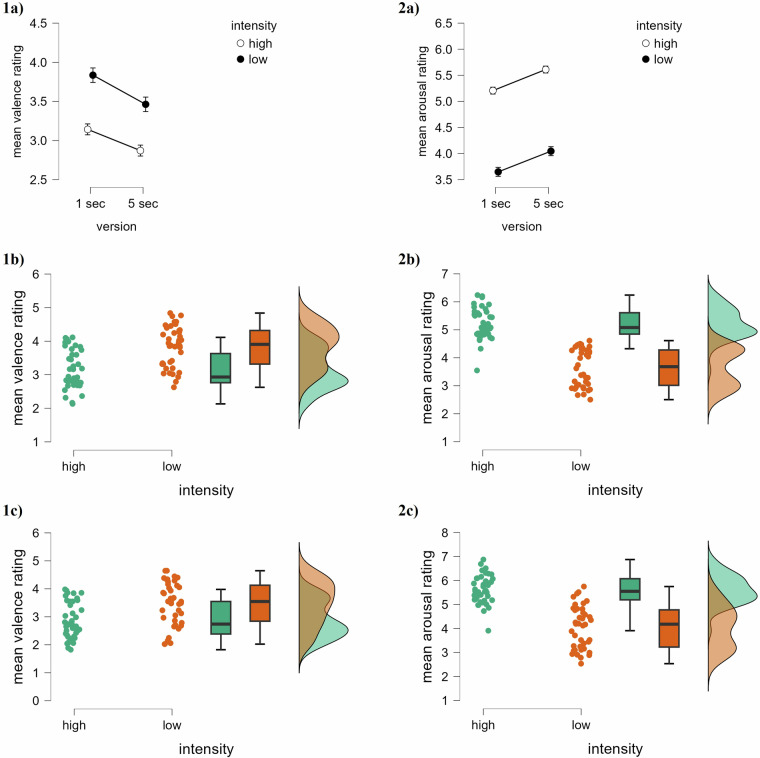 Figure 5
Peer Reviews
No public reviews on file for this paper yet. If you reviewed it on a platform where reviews are public (OpenReview, ICLR, NeurIPS, ICML), you can paste yours below so the community can read it here.
Videos
No videos yet. Explain this paper in a talk, walkthrough, or lecture? Add one.
Taxonomy
TopicsEmotion and Mood Recognition · Media Influence and Health · Digital Mental Health Interventions