Flood susceptibility assessment using three machine learning techniques and comparison of their performance
Tade Mule Asrade, Sintayehu Adefires Abebe, Kassahun Birhanu Tadesse, Mulu Sewinet Kerebih, Taye Minichil Meshesha

TL;DR
This study compares three machine learning models for predicting flood susceptibility in the Choke Watershed, finding Gradient Boosting and Extreme Gradient Boosting to be the most accurate.
Contribution
This is the first application of Gradient Boosting and Extreme Gradient Boosting models for flood susceptibility mapping in the Choke Watershed.
Findings
Gradient Boosting and Extreme Gradient Boosting achieved the highest test accuracy of 0.97 for flood prediction.
The study introduces a novel approach to flood susceptibility mapping using ensemble machine learning techniques.
The results can be extended to other natural disaster risk assessments, such as earthquakes and landslides.
Abstract
One of the most common natural disasters is flooding, which has the potential to seriously harm environments and infrastructure. Flood susceptibility mapping (FSM) is the main way to manage flood risk. It measures how likely a region is to flood in a quantitative way. The purpose of this study was to develop state-of-the-art ensemble machine learning (ML) models for flood prediction and to identify the most suitable approach for accurate flood susceptibility mapping. This study leverages diverse datasets, including elevation, slope, aspect, plan curvature, topographic wetness index, stream power index, distance from rivers, soil, rainfall, land use/land cover, and drainage density, which were used as conditioning factors to evaluate flood susceptibility in the Choke Watershed. Three machine learning (ML) algorithms were employed: Random Forest (RF), Gradient Boosting (GB), and Extreme…
Genes, proteins, chemicals, diseases, species, mutations and cell lines named across the full text — each resolved to its canonical identifier and authoritative record.
Click any figure to enlarge with its caption.
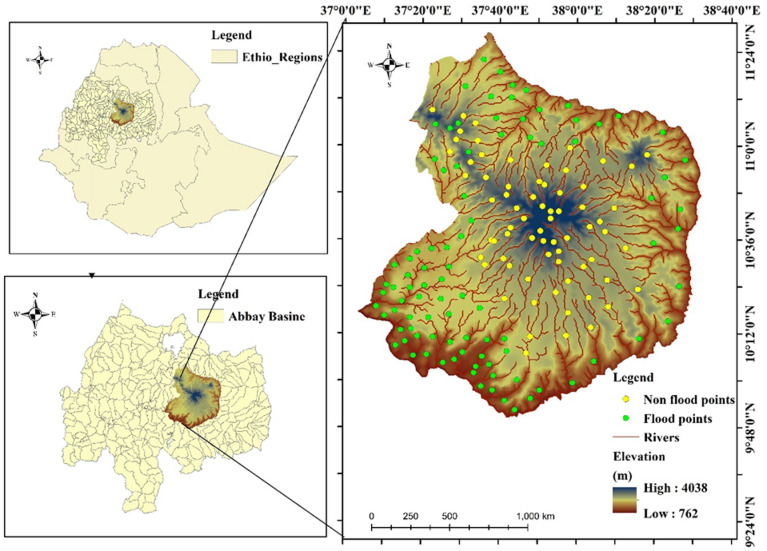 Figure 1
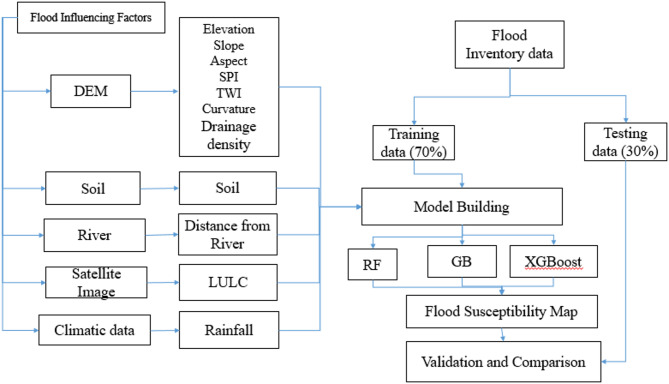 Figure 2
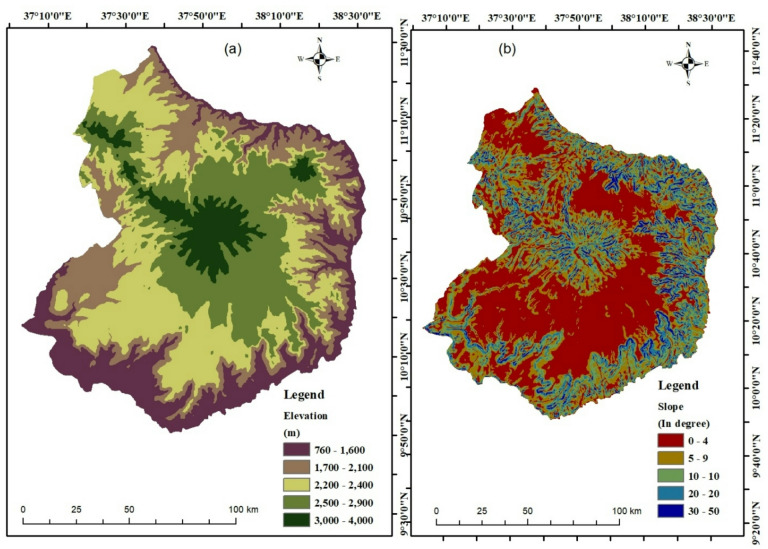 Figure 3
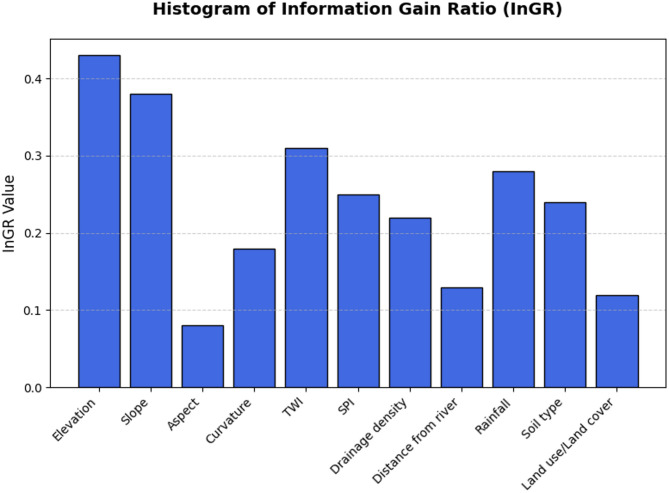 Figure 4
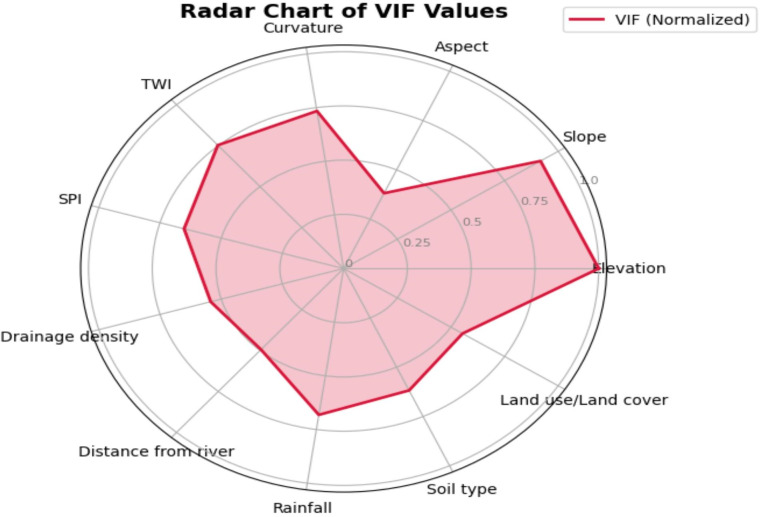 Figure 5
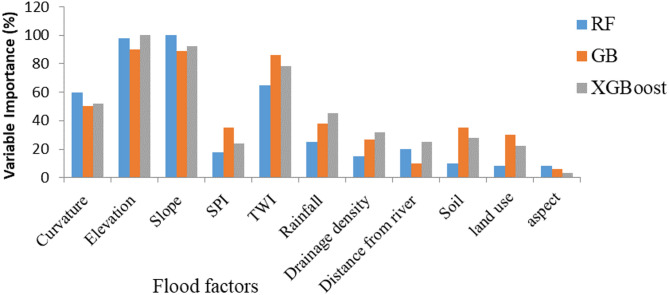 Figure 6
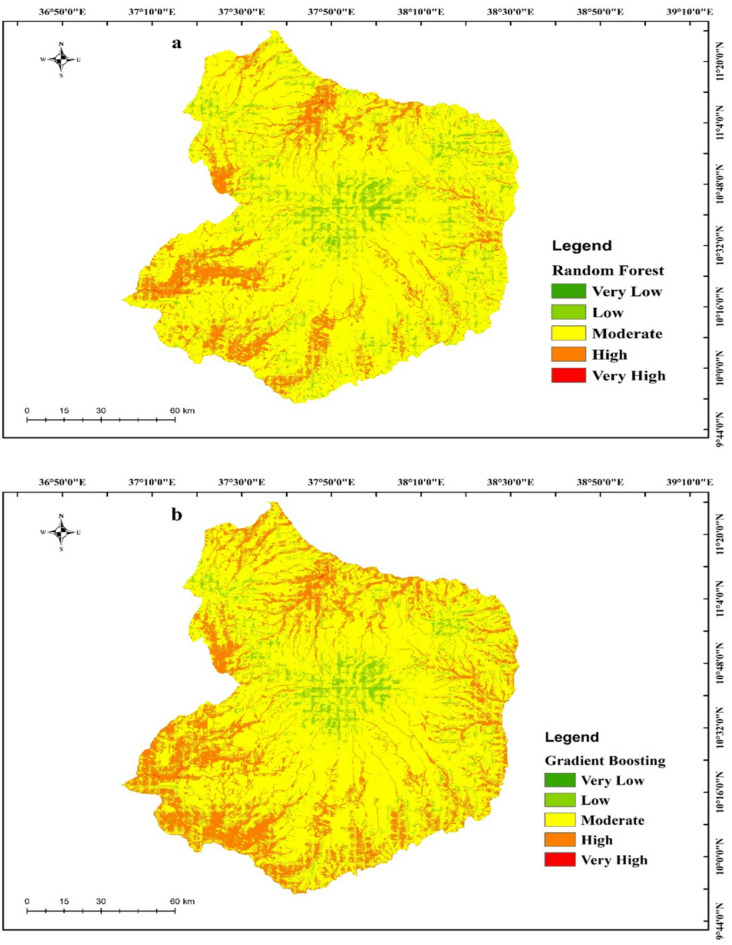 Figure 7
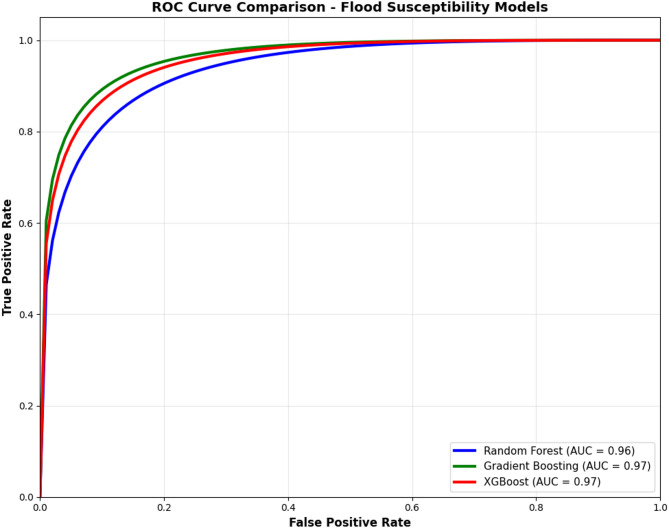 Figure 8
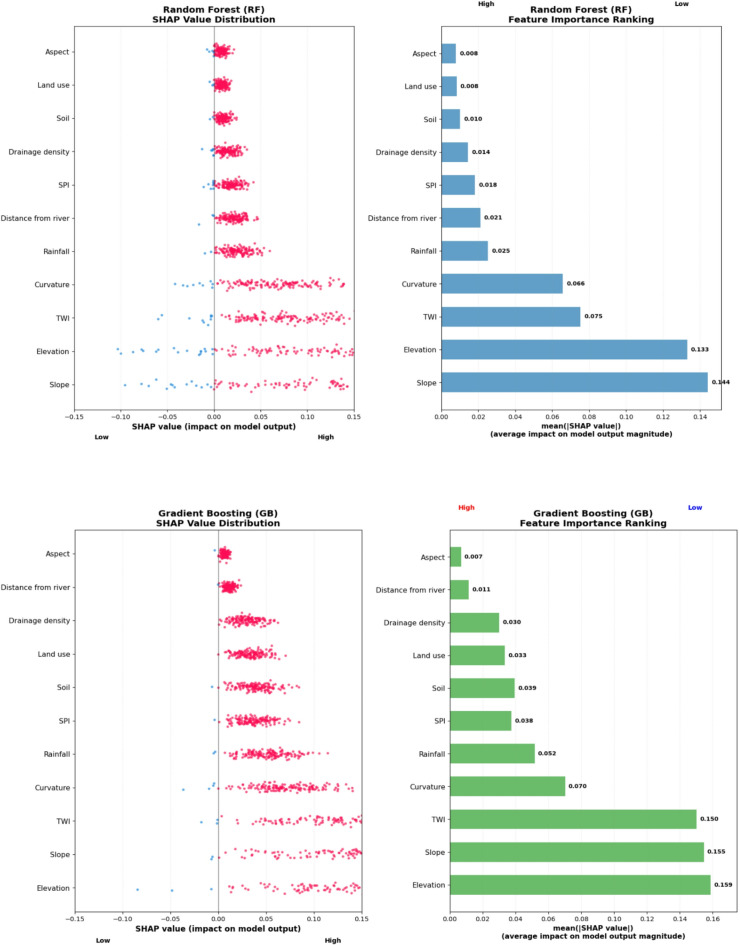 Figure 9
Peer Reviews
No public reviews on file for this paper yet. If you reviewed it on a platform where reviews are public (OpenReview, ICLR, NeurIPS, ICML), you can paste yours below so the community can read it here.
Videos
No videos yet. Explain this paper in a talk, walkthrough, or lecture? Add one.
Taxonomy
TopicsFlood Risk Assessment and Management · Landslides and related hazards · Groundwater and Watershed Analysis