Epithelial Neuroendocrine Neoplasms: Grading Based on the New WHO 2022 Guidelines
Rizwana Shaik, Inuganti Venkata Renuka, Bakkamanthala S K Kanth, Leela Lahari Arikathota

TL;DR
This paper discusses the grading of epithelial neuroendocrine tumors based on new 2022 WHO guidelines.
Contribution
The paper introduces updated grading criteria for epithelial neuroendocrine neoplasms per the new WHO 2022 guidelines.
Findings
Epithelial neuroendocrine tumors are typically slow-growing and can arise in various body sites.
Grading these tumors helps distinguish them from carcinomas based on proliferative activity.
The incidence of these tumors has increased, possibly due to better awareness and diagnostics.
Abstract
Neuroendocrine tumors (NETs) are rare. Epithelial NETs are generally considered slow-growing tumors. Arising from neuroendocrine cells, NETs can develop at various primary sites in the body. Gastrointestinal NETs are the most common of all NETs. The ileum, appendix, and rectum are among the most common sites, followed by the colon, stomach, and duodenum; some series report a female preponderance. Bronchopulmonary NETs are relatively rare and are often indolent in nature. In recent decades, the incidence has been rising. This may be due to greater awareness, improved diagnostic tools, or changes in definitions/classification. Grading of epithelial neuroendocrine neoplasms is beneficial, as it allows tumors to be graded by proliferative activity and distinguished from neuroendocrine carcinomas.
Genes, proteins, chemicals, diseases, species, mutations and cell lines named across the full text — each resolved to its canonical identifier and authoritative record.
Click any figure to enlarge with its caption.
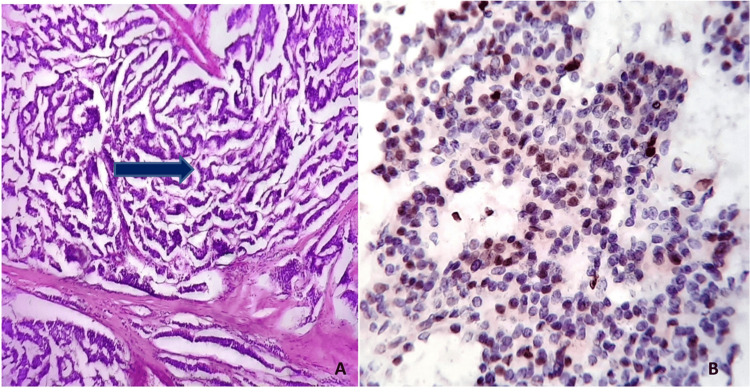 Figure 1
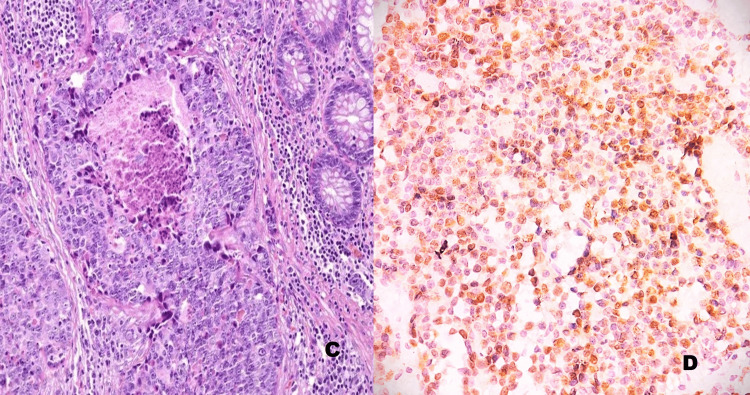 Figure 2
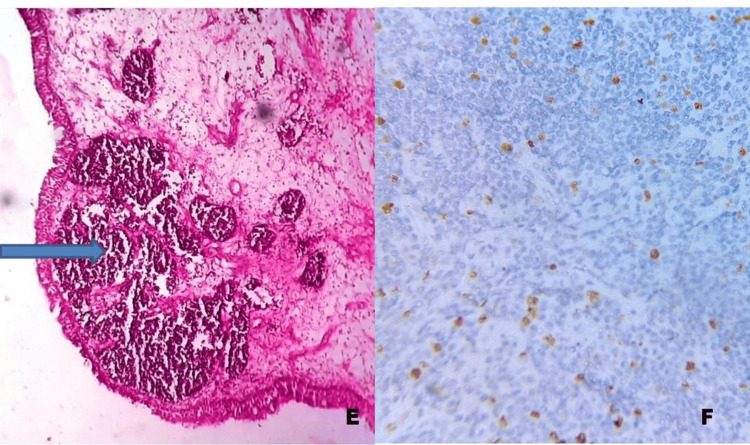 Figure 3
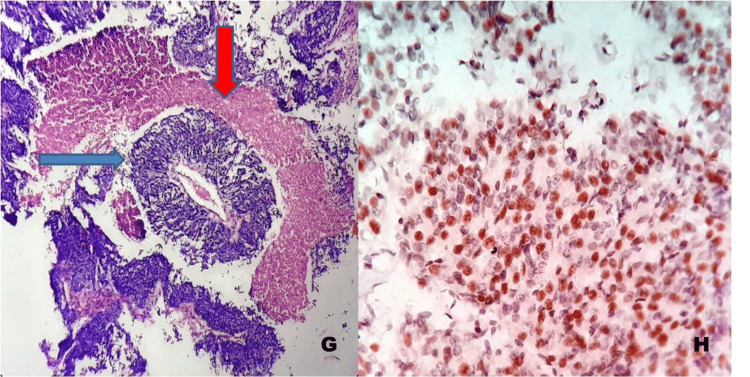 Figure 4
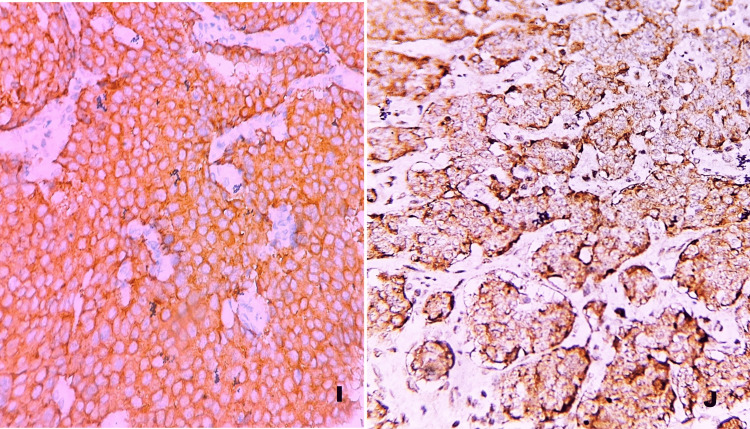 Figure 5
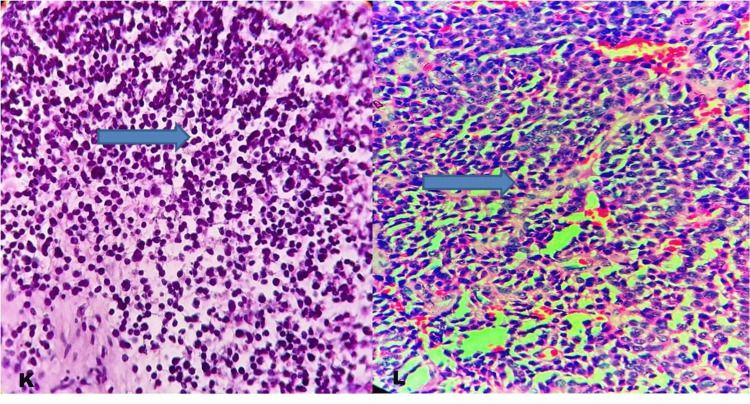 Figure 6
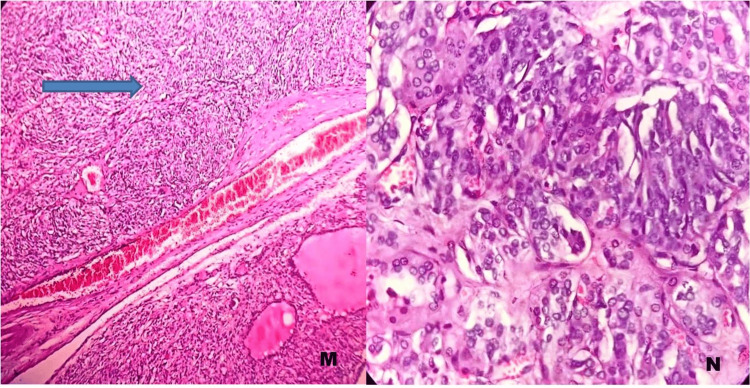 Figure 7
Peer Reviews
No public reviews on file for this paper yet. If you reviewed it on a platform where reviews are public (OpenReview, ICLR, NeurIPS, ICML), you can paste yours below so the community can read it here.
Videos
No videos yet. Explain this paper in a talk, walkthrough, or lecture? Add one.
Taxonomy
TopicsNeuroendocrine Tumor Research Advances · Metastasis and carcinoma case studies · Gastrointestinal Tumor Research and Treatment