Inhibitory Effect of Curcuma xanthorrhiza Extract Against SARS‐CoV‐2 D614G Virus‐Like Particle (VLP): Implications for COVID‐19 Therapy Development
Miftahul Mushlih, Marlita Bemova, Hagar Ali Marzouk, Kavana Hafil Kusuma, Ilmiana Nurur Rohmah, Nur Fitriana, Alex Prima, Yuyun Ika Christina, Dinia Rizqi Dwijayanti, Dewi Mustikaningtyas, Nashi Widodo, Muhammad Sasmito Djati, Sri Widyarti, Muhaimin Rifa’i

TL;DR
This study shows that an extract from the Indonesian plant Curcuma xanthorrhiza can inhibit SARS-CoV-2 virus-like particles, suggesting potential for treating COVID-19.
Contribution
The study demonstrates the antiviral effect of Curcuma xanthorrhiza extract against SARS-CoV-2 D614G VLP using both computational and experimental methods.
Findings
Curcuma xanthorrhiza extract reduced SARS-CoV-2 VLP internalization in cells at 2.5 μg/mL after 24 hours.
Key compounds like curcumin and (+)-ar-turmerone showed strong binding affinity and stability with the SARS-CoV-2 Spike D614G protein.
Transmission electron microscopy confirmed successful formation of SARS-CoV-2 VLP with a mean diameter of 52.94 nm.
Abstract
Curcuma xanthorrhiza, a commonly used Indonesian medicinal plant, has been widely utilized in traditional remedies, yet its antiviral potential against SARS‐CoV‐2 remains poorly defined. The current study was aimed at investigating the effect of C. xanthorrhiza ethanol extract on inhibiting viral entry through in silico and in vitro studies. The active compounds of C. xanthorrhiza were characterized using liquid chromatography–high‐resolution mass spectrometry (LC‐HRMS). The identified compounds were screened according to the Lipinski, Ghose, Veber, and Egan rules, and their antiviral activity was predicted using the PASS server. Molecular docking and dynamic simulations were employed to determine binding affinity and stability between the selected compounds and the SARS‐CoV‐2 Spike D614G protein. The virus‐like particle (VLP) of SARS‐CoV‐2 G614D was produced in HEK‐293T cells via…
Genes, proteins, chemicals, diseases, species, mutations and cell lines named across the full text — each resolved to its canonical identifier and authoritative record.
Click any figure to enlarge with its caption.
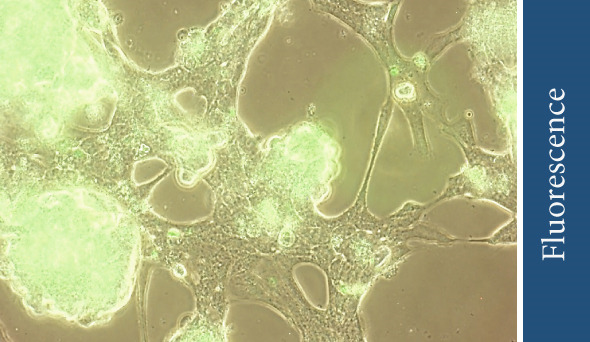 Figure 1
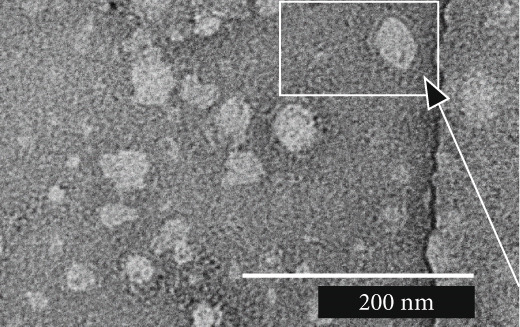 Figure 2
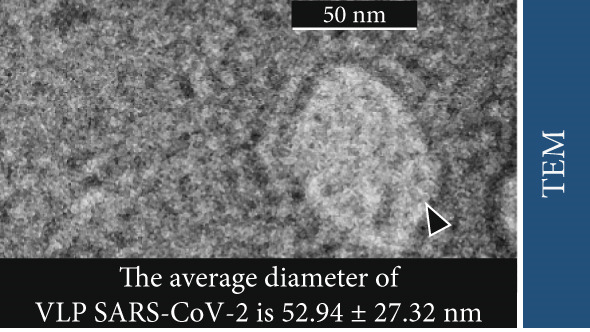 Figure 3
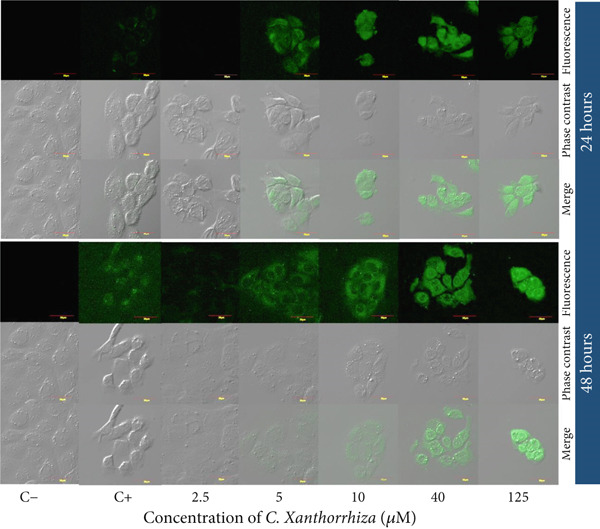 Figure 4
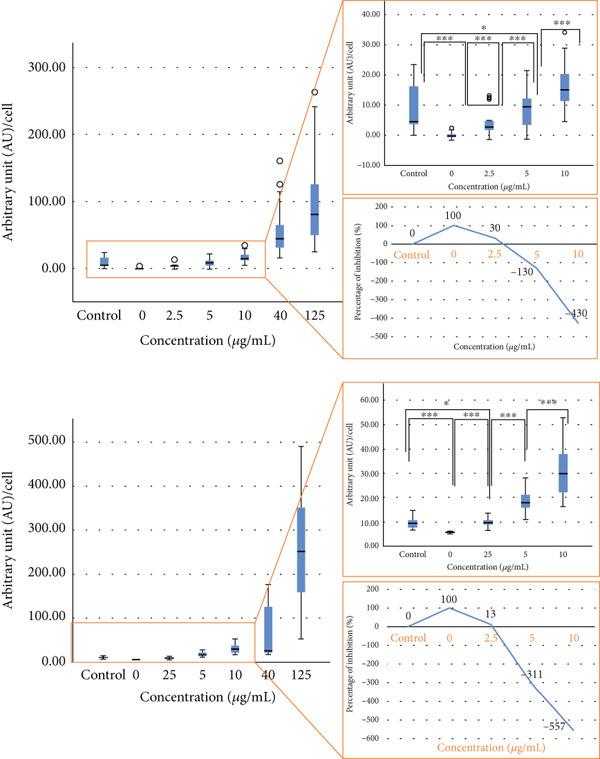 Figure 5
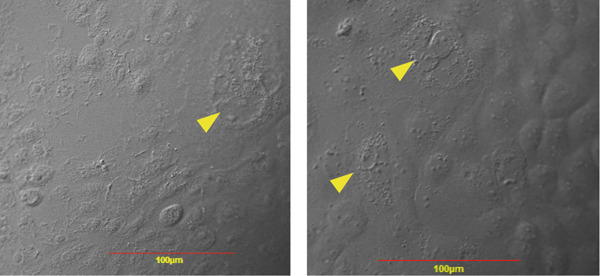 Figure 6
 Figure 7
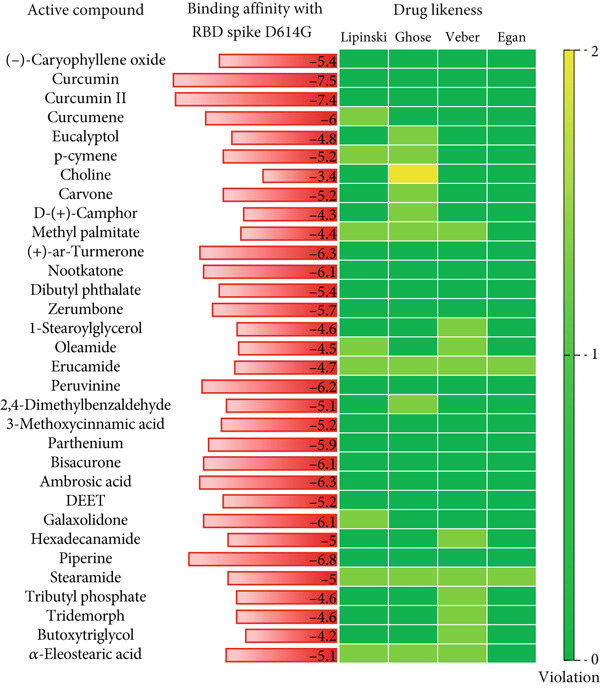 Figure 8
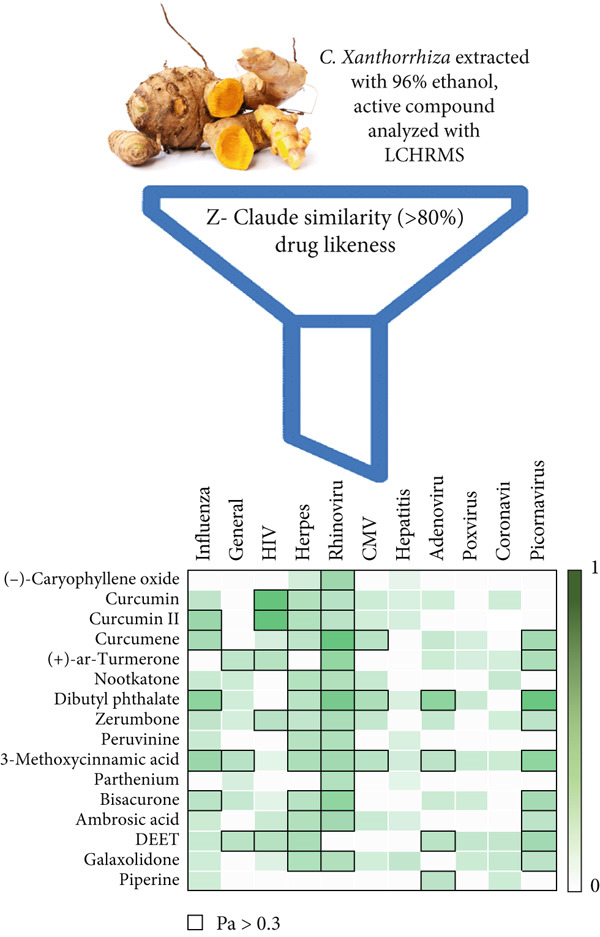 Figure 9
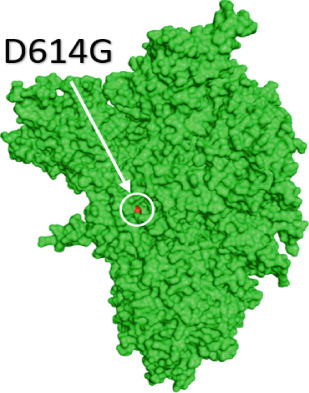 Figure 10
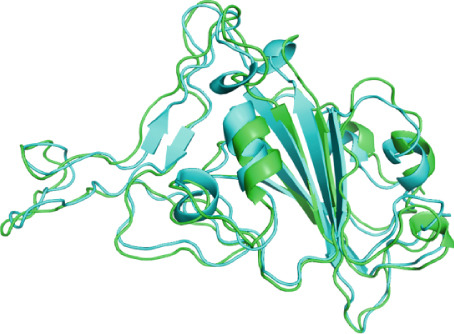 Figure 11
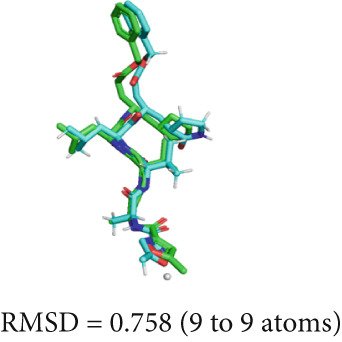 Figure 12
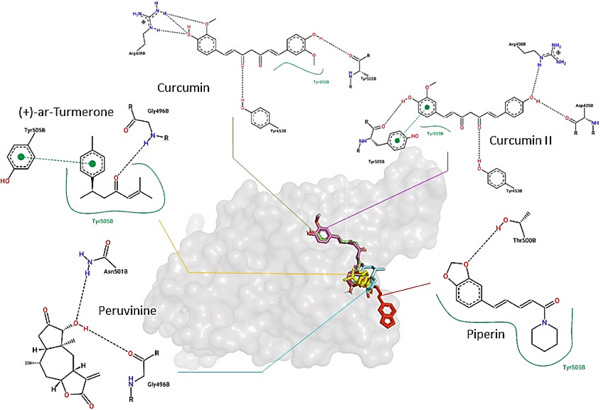 Figure 13
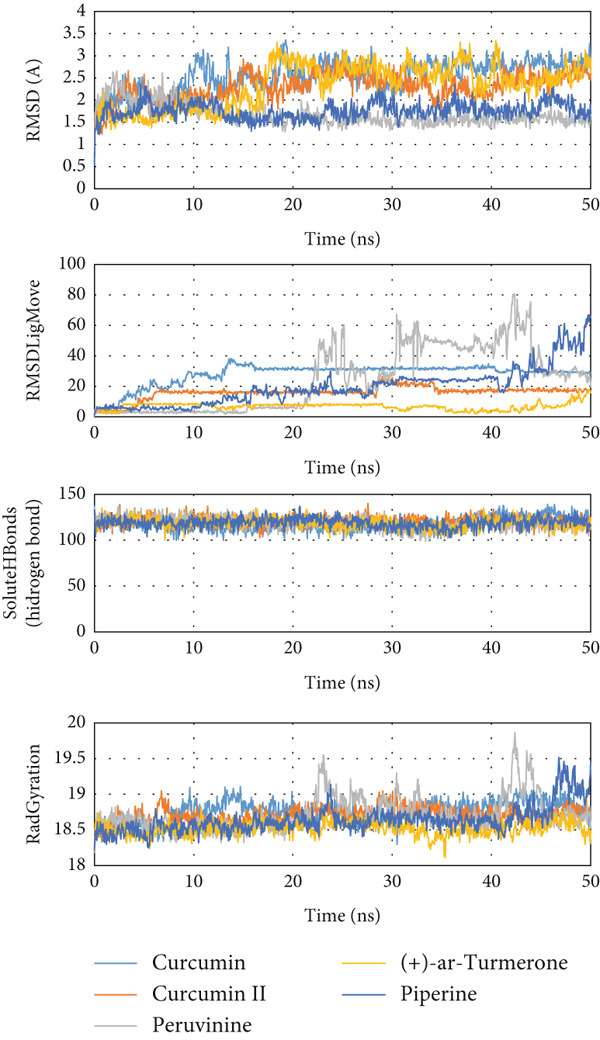 Figure 14
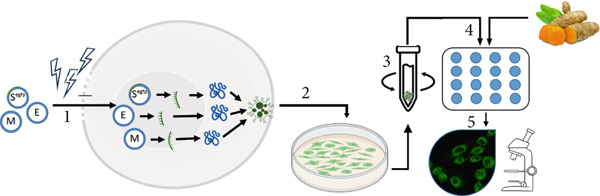 Figure 15
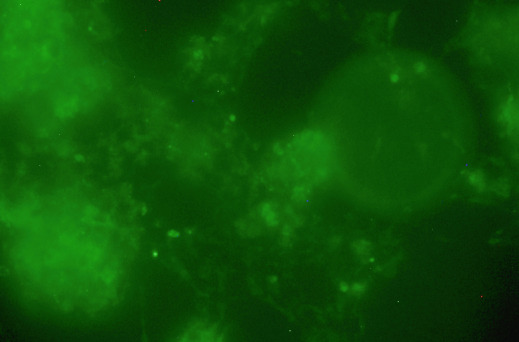 Figure 16
Peer Reviews
No public reviews on file for this paper yet. If you reviewed it on a platform where reviews are public (OpenReview, ICLR, NeurIPS, ICML), you can paste yours below so the community can read it here.
Videos
No videos yet. Explain this paper in a talk, walkthrough, or lecture? Add one.
Taxonomy
TopicsCurcumin's Biomedical Applications · Diverse Scientific Research Studies · Pharmacology and Nanomedicine Research