Examining Attitudes Conducive to Technology-Facilitated Child Sexual Exploitation and Abuse: Evidence From a Representative Multi-Country Study
Michael Salter, Tyson Whitten, Delanie Woodlock, Carleigh Slater, Ashleigh McFeeters, Mengyao Lu, Georgia Naldrett, Matt Tyler, Deborah Fry

TL;DR
This study explores men's attitudes toward technology-facilitated child sexual abuse and finds that certain beliefs are linked to higher risk of acting on harmful sexual interests.
Contribution
The study introduces a new classification of attitudes toward technology-facilitated child sexual abuse and links them to offending behavior.
Findings
Three distinct attitude classes were identified, with differences in behavior and demographics.
Men who normalize abuse are more likely to act on their sexual interest in children.
Reinforcing the moral wrong of abuse could help prevent offending and aid early intervention.
Abstract
The development of primary prevention efforts to reduce child sexual abuse before it occurs has been inhibited by a lack of research into the attitudes and beliefs associated with child abuse and maltreatment. This article presents findings from 4,918 men pooled from nationally representative surveys of men in Australia, the United Kingdom and the United States, and presents a latent class analysis of men’s attitudes to technology-facilitated child sexual exploitation and abuse, and its relationship with sexual interest in children and/or sexual offending against children. This study identified and described three latent classes of attitudes towards technology-facilitated child sexual exploitation and abuse, identifying significant and meaningful behavioural and demographic differences between the three groups of men. An important finding of this study is that the shift from…
Genes, proteins, chemicals, diseases, species, mutations and cell lines named across the full text — each resolved to its canonical identifier and authoritative record.
Click any figure to enlarge with its caption.
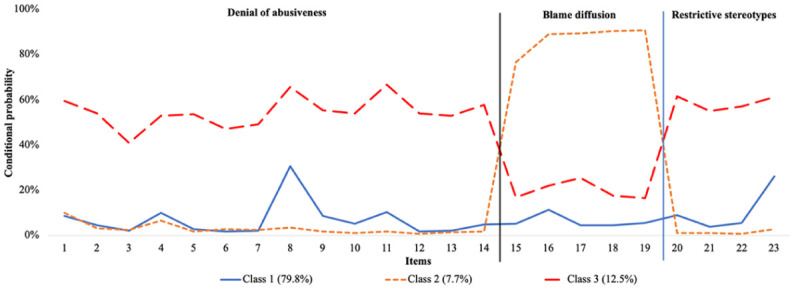 Figure 1
 Figure 2
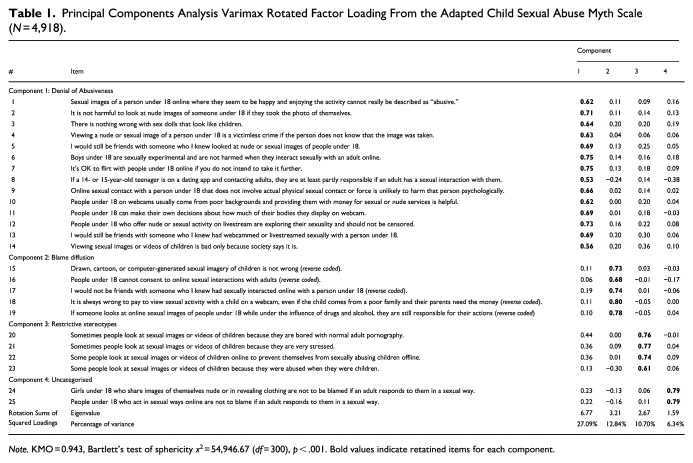 Figure 3
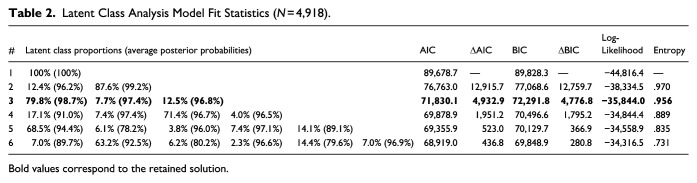 Figure 4
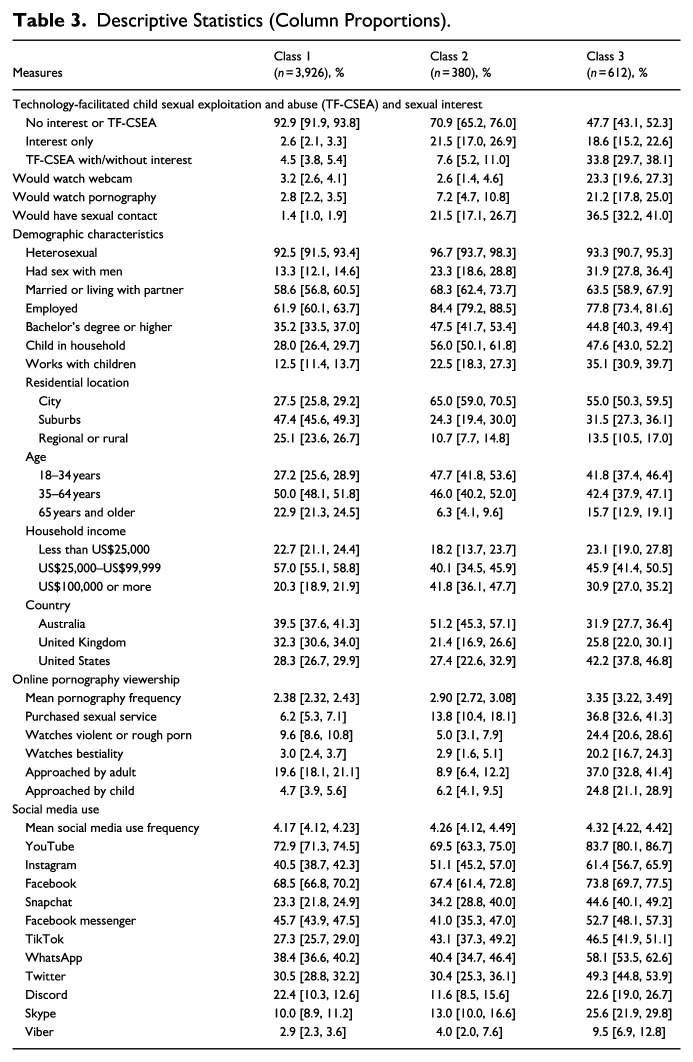 Figure 5
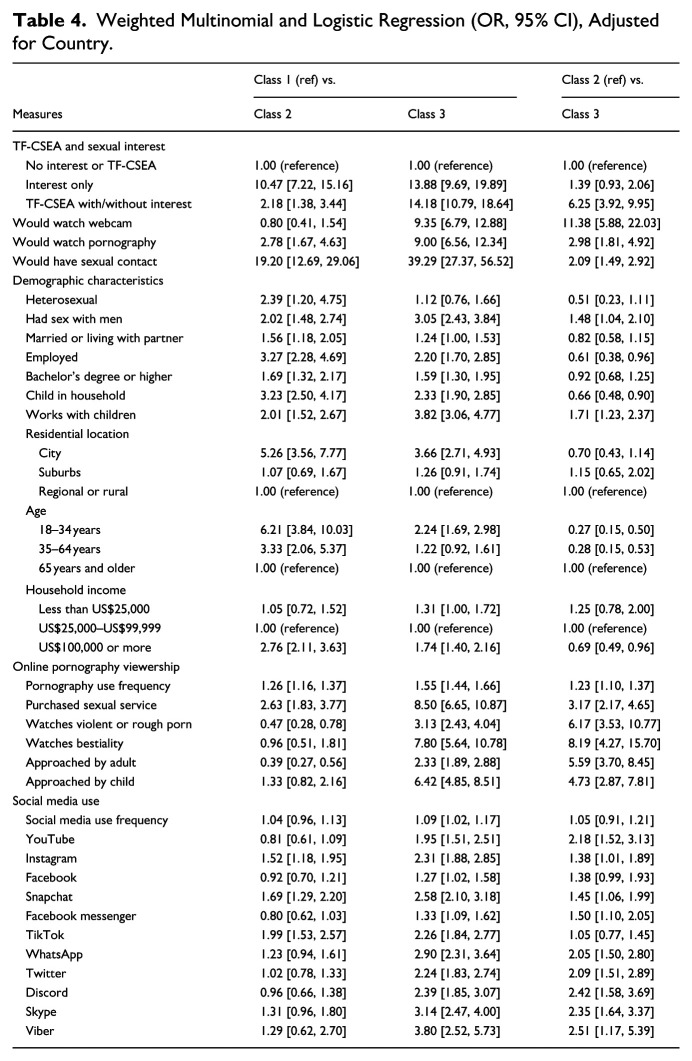 Figure 6
Peer Reviews
No public reviews on file for this paper yet. If you reviewed it on a platform where reviews are public (OpenReview, ICLR, NeurIPS, ICML), you can paste yours below so the community can read it here.
Videos
No videos yet. Explain this paper in a talk, walkthrough, or lecture? Add one.
Taxonomy
TopicsSex work and related issues · Child Abuse and Trauma · Gender, Feminism, and Media