To Be FAIR: Theory Specification Needs an Update
Caspar J. Van Lissa, Aaron Peikert, Maximilian S. Ernst, Noah N. N. van Dongen, Felix D. Schönbrodt, Andreas M. Brandmaier

TL;DR
The paper introduces FAIR theory, a framework for making psychological theories more accessible and reusable in open science.
Contribution
The paper adapts the FAIR principles for specifying and sharing theories in a digital, reusable format.
Findings
FAIR theory enables theories to be findable, accessible, interoperable, and reusable.
A conceptual workflow for FAIRifying theory is presented, supported by the theorytools R package.
FAIR theory can reduce research waste and improve reproducibility in psychological research.
Abstract
Open science innovations have focused on rigorous theory testing, yet methods for specifying, sharing, and iteratively improving theories remain underdeveloped. To address this limitation, we introduce FAIR theory, a standard for specifying theories as findable, accessible, interoperable, and reusable digital objects. FAIR theories are findable in well-established archives; accessible in terms of their availability and ability to be understood; interoperable for specific purposes, such as selecting control variables; and reusable in that they can be iteratively and collaboratively improved on. This article adapts the FAIR principles for theory; reflects on current FAIR practices in relation to psychological theory; and discusses FAIR theories’ potential impact in terms of reducing research waste, enabling metaresearch on theories’ structure and development, and incorporating theory into…
Genes, proteins, chemicals, diseases, species, mutations and cell lines named across the full text — each resolved to its canonical identifier and authoritative record.
Click any figure to enlarge with its caption.
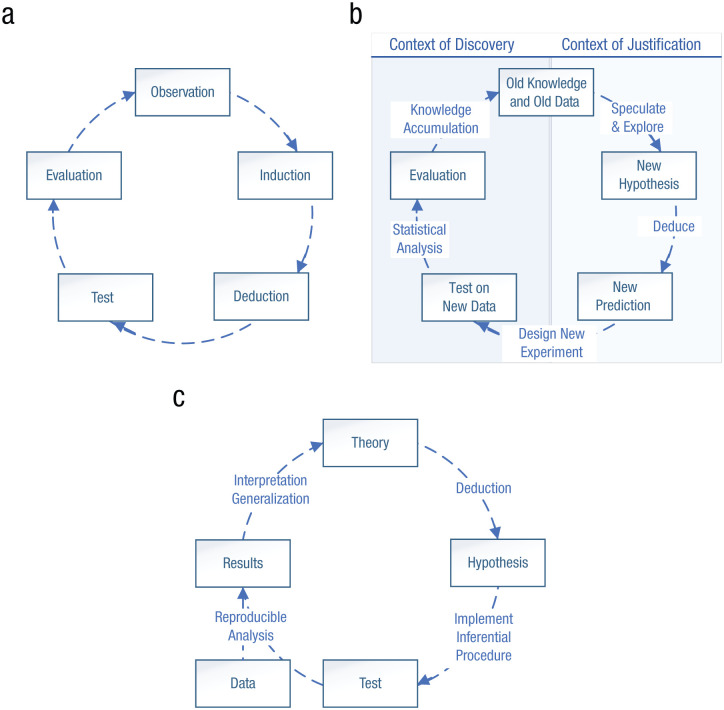 Figure 1
 Figure 2
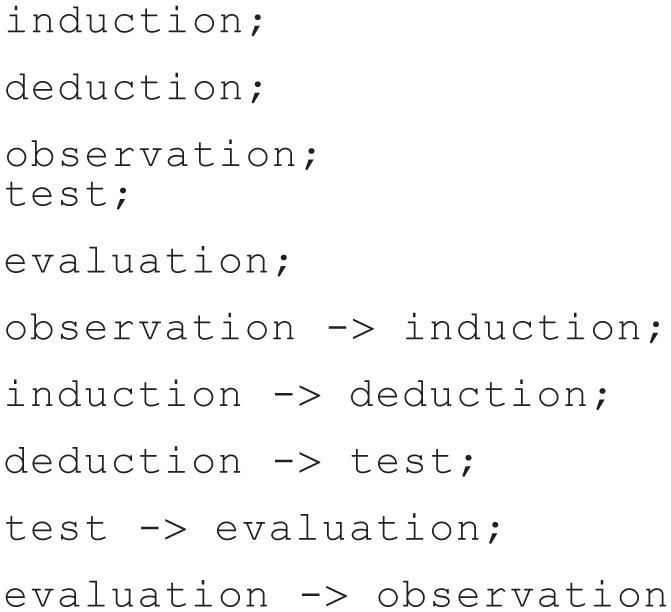 Figure 3
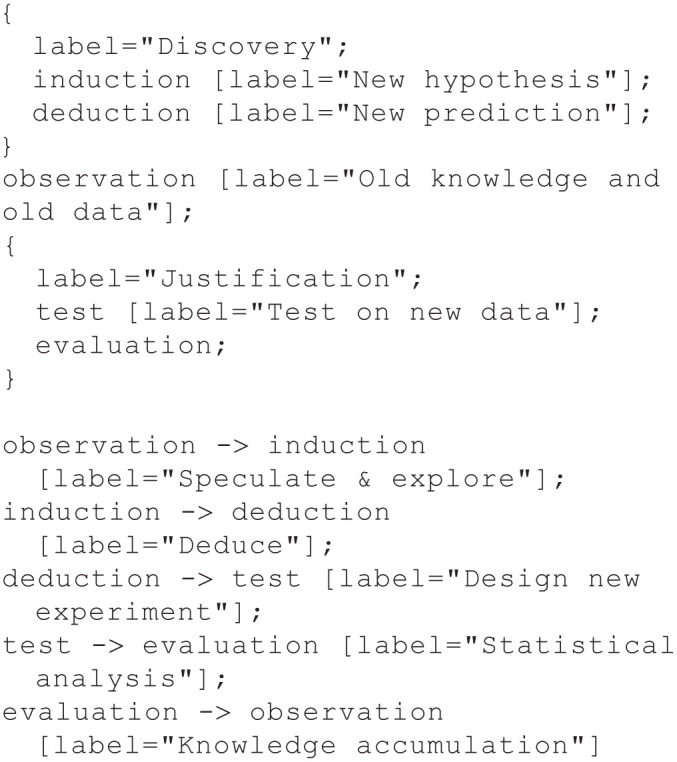 Figure 4
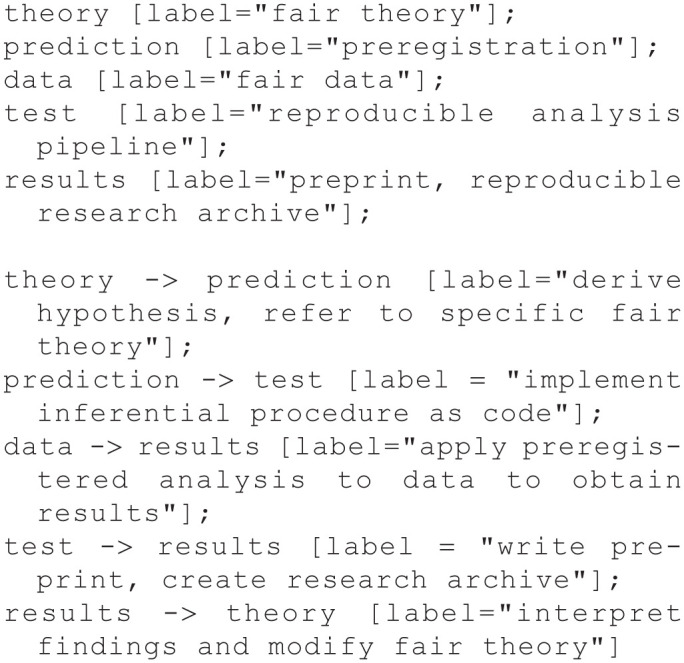 Figure 5
Peer Reviews
No public reviews on file for this paper yet. If you reviewed it on a platform where reviews are public (OpenReview, ICLR, NeurIPS, ICML), you can paste yours below so the community can read it here.
Videos
No videos yet. Explain this paper in a talk, walkthrough, or lecture? Add one.
Taxonomy
TopicsResearch Data Management Practices · Scientific Computing and Data Management · Data Analysis and Archiving