Functional footprints of homologous recombination deficiency in prostate cancer revealed by ctDNA fragmentation and transcription factor accessibility
Georgios Vlachos, Tina Moser, Isaac Lazzeri, Matthias J. Moser, Lisa Glawitch, Emil Thomas Bauernhofer, Anna Eberhard, Christine Beichler, Hanieh Sadeghi, Jasmin Blatterer, Stefan Kühberger, Nina Monsberger, Angelika Terbuch, Karl Kashofer, Jochen B. Geigl, Thomas Bauernhofer

TL;DR
This study introduces a non-invasive blood test using ctDNA to detect homologous recombination deficiency in prostate cancer, offering a more comprehensive and accurate method than current approaches.
Contribution
The novel contribution is a multimodal ctDNA-based strategy integrating genomic instability and fragmentomics to better identify HRD in prostate cancer.
Findings
BRCA2 was the most frequently altered HRR gene, often co-occurring with PTEN loss.
High genomic instability scores correlated with BRCA2/RB1 loss, more copy number alterations, and worse survival.
HRD tumors showed specific mutational signatures and increased dinucleosome-length fragments with reduced zinc finger transcription factor accessibility.
Abstract
Homologous recombination deficiency (HRD) is a predictive biomarker for response to PARP inhibitors and platinum-based therapies in prostate cancer (PCa). However, current diagnostic approaches, often limited to BRCA1/2 mutation testing or genomic scars, fail to capture the full spectrum of HRD. Tissue-based testing is further hampered by tumour heterogeneity and biopsy limitations in patients with metastatic bone disease. This study aimed to develop a noninvasive, multimodal ctDNA-based strategy for comprehensive HRD profiling in advanced PCa. We analysed plasma-derived ctDNA from 106 patients with metastatic PCa. The approach integrated targeted sequencing of homologous recombination repair (HRR) genes, low-pass whole genome sequencing for genomic instability scores (GIS), whole-exome sequencing for mutational signature analysis, and cfDNA fragmentomics, including chromatin…
Genes, proteins, chemicals, diseases, species, mutations and cell lines named across the full text — each resolved to its canonical identifier and authoritative record.
Click any figure to enlarge with its caption.
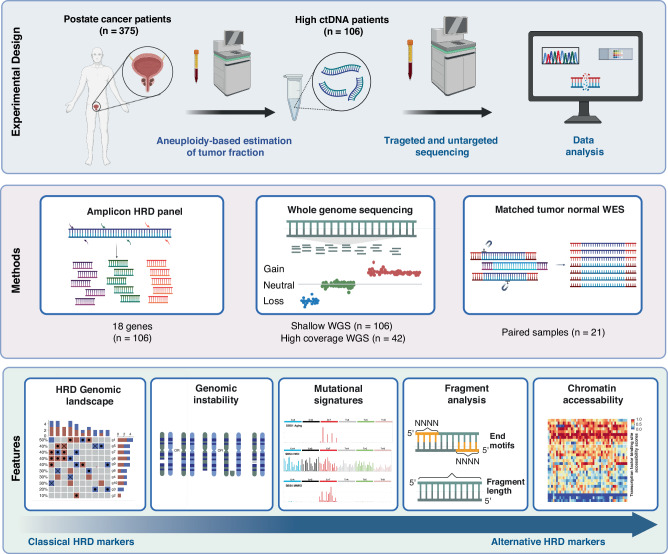 Figure 1
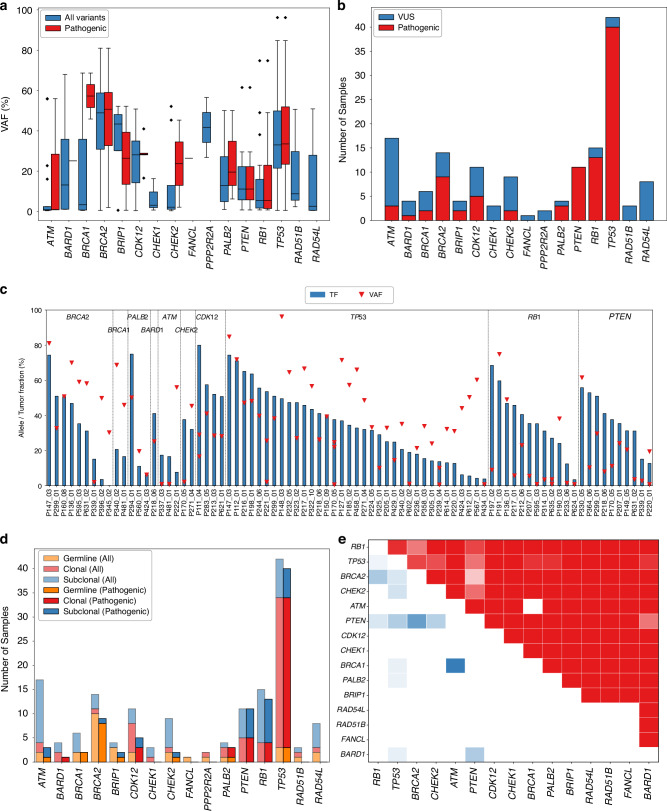 Figure 2
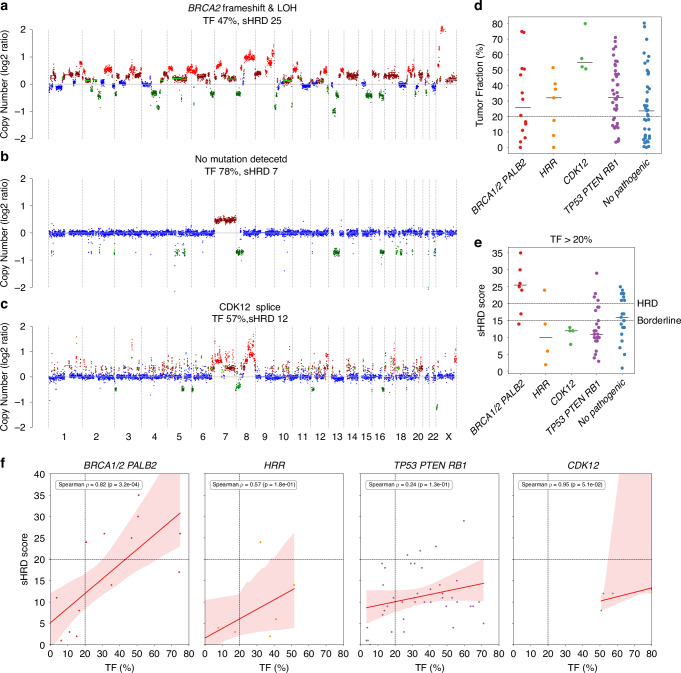 Figure 3
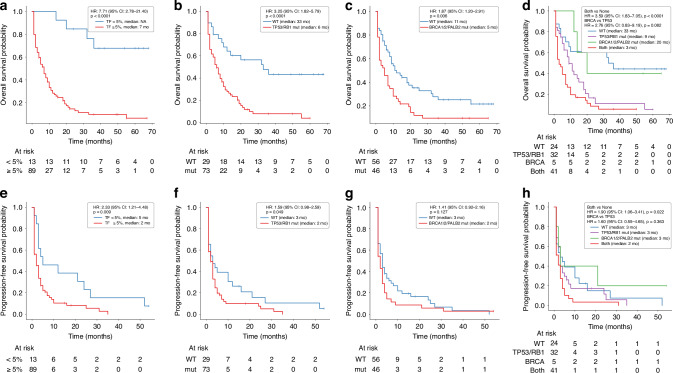 Figure 4
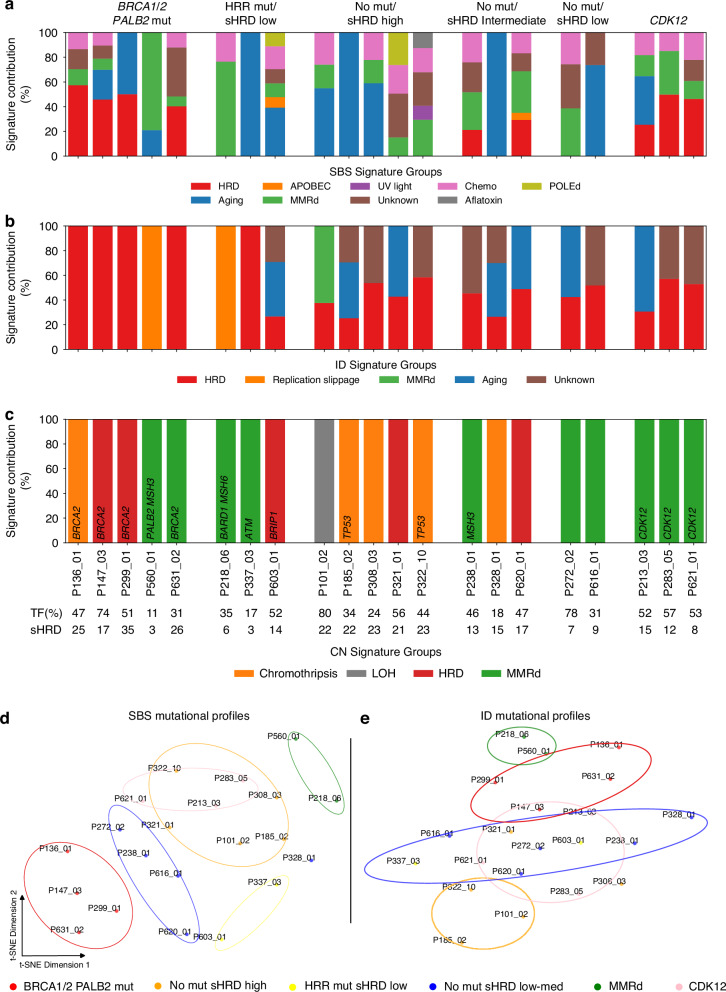 Figure 5
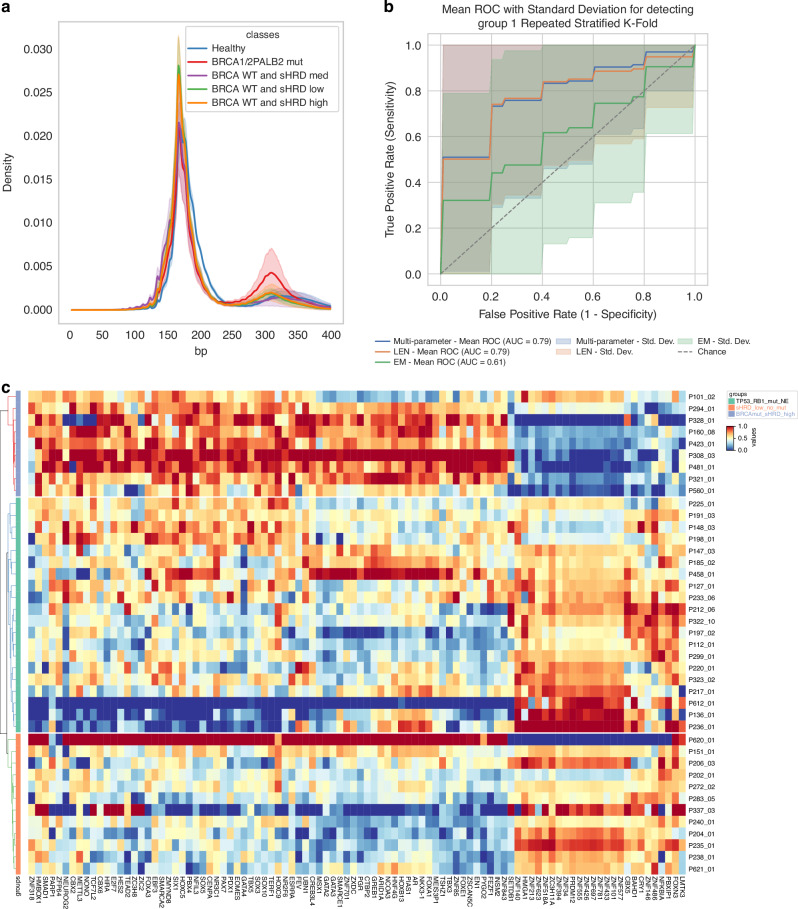 Figure 6
Peer Reviews
No public reviews on file for this paper yet. If you reviewed it on a platform where reviews are public (OpenReview, ICLR, NeurIPS, ICML), you can paste yours below so the community can read it here.
Videos
No videos yet. Explain this paper in a talk, walkthrough, or lecture? Add one.
Taxonomy
TopicsPARP inhibition in cancer therapy · Prostate Cancer Treatment and Research · DNA Repair Mechanisms