Green-synthesized rhein-selenium nanoparticles exhibit potent and highly selective anticancer activity against colon cancer via apoptosis and gene regulation
Mohamed D. Abd El-Halim, Ali Osman, Marwa A. Ibrahim, Mayada M. El-Azab, Mahmoud M. El-Saber, Sameh H. Ismail, Tamer Roshdy, Mahmoud Sitohy, Basel Sitohy

TL;DR
Green-synthesized rhein-selenium nanoparticles show strong and selective anticancer effects on colon cancer by inducing cell death and regulating cancer-related genes.
Contribution
First demonstration of rhein-selenium nanoparticles as a biocompatible, sustainable, and selective anticancer nanoplatform.
Findings
Rh-Se-NPs showed enhanced cytotoxicity and selectivity compared to free rhein in colon cancer cells.
Rh-Se-NPs induced apoptosis and altered gene expression, downregulating oncogenes and upregulating PTEN.
Rh-Se-NPs exhibited spherical morphology and high colloidal stability, suitable for therapeutic applications.
Abstract
Colon cancer remains a major global health challenge, necessitating the development of novel, selective, and sustainable therapeutic strategies. Rhein, a bioactive anthraquinone isolated from Cassia italica, has demonstrated anticancer potential but suffers from limited bioavailability. To overcome these limitations, we investigated the green biosynthesis of Rhein–selenium nanoparticles (Rh-Se-NPs) and evaluated their anticancer efficacy. Rhein was extracted from Cassia italica leaves and confirmed by 1H and 13C nuclear magnetic resonance spectroscopy. Rh-Se-NPs were synthesized via a green biosynthetic approach and characterized using transmission electron microscopy (TEM), dynamic light scattering (DLS), and zeta potential analysis. Cytotoxicity was assessed against DLD-1 and SW620 colon cancer cell lines, with FSU fibroblast cells serving as controls. Cell proliferation, migration,…
Genes, proteins, chemicals, diseases, species, mutations and cell lines named across the full text — each resolved to its canonical identifier and authoritative record.
Click any figure to enlarge with its caption.
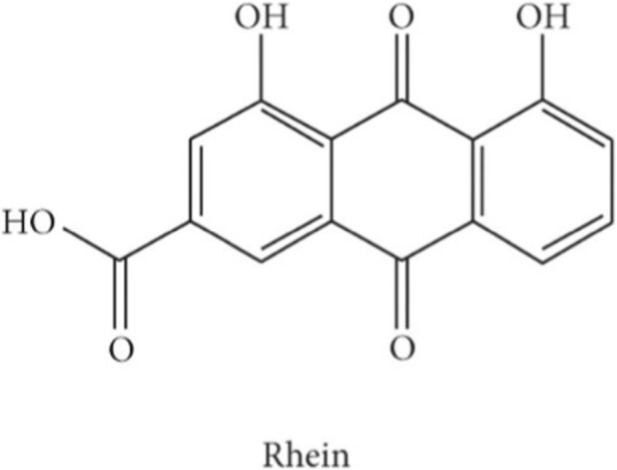 Figure 1
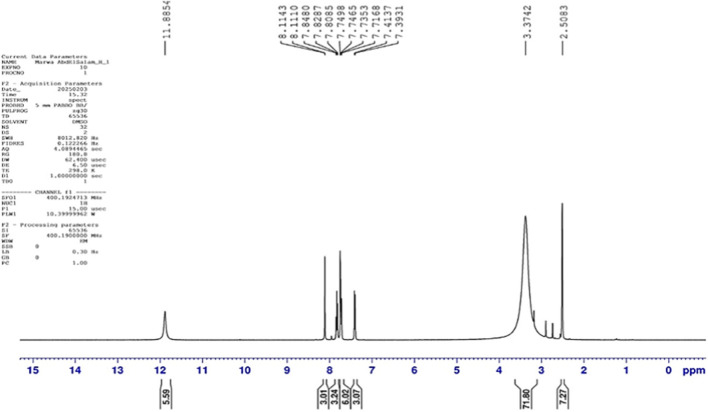 Figure 2
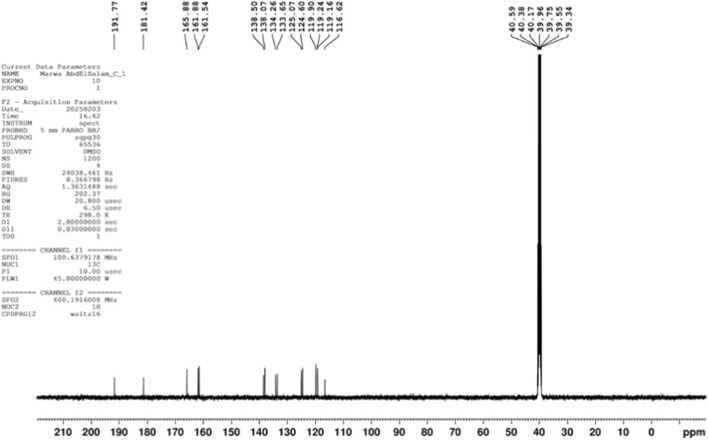 Figure 3
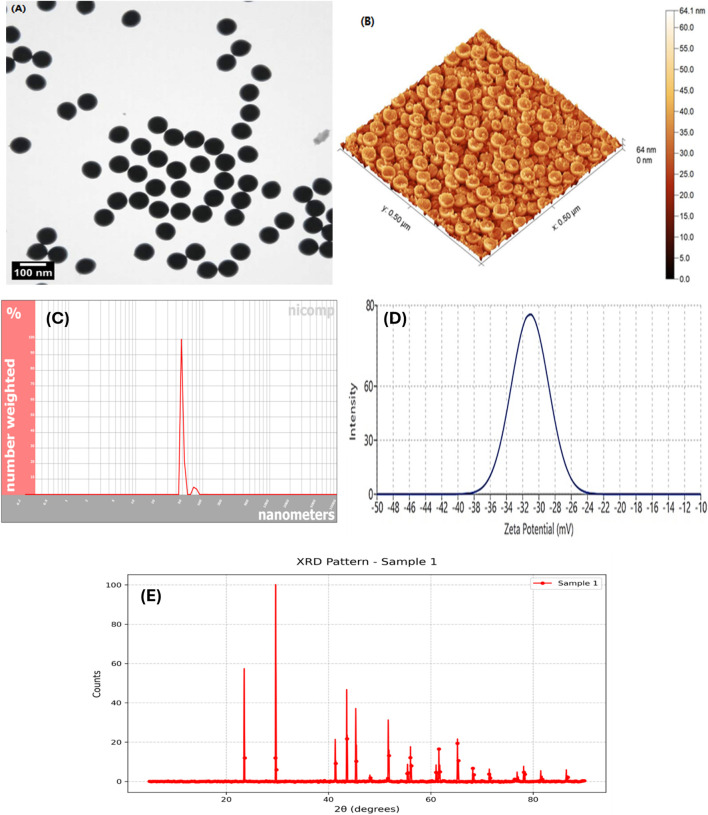 Figure 4
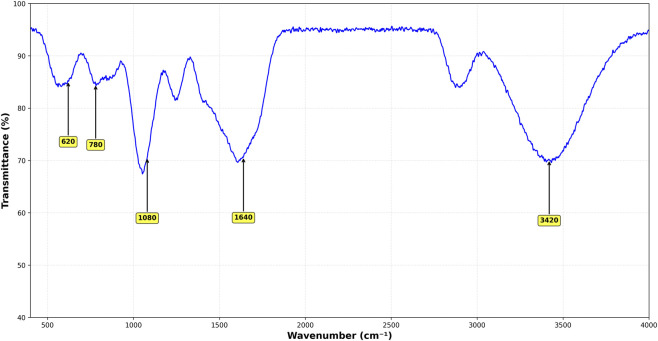 Figure 5
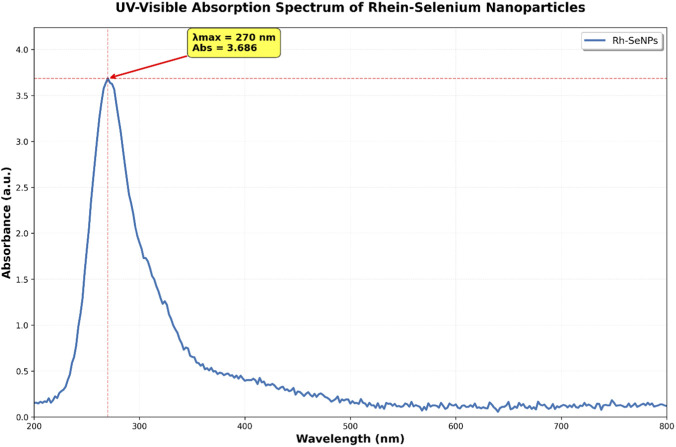 Figure 6
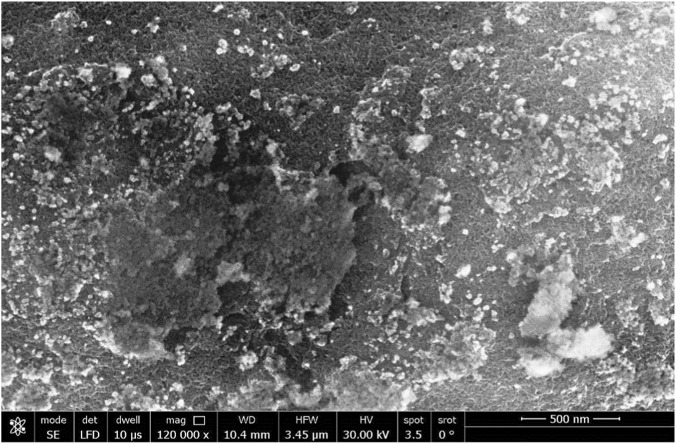 Figure 7
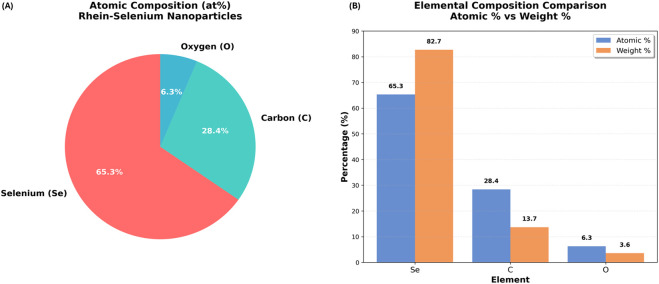 Figure 8
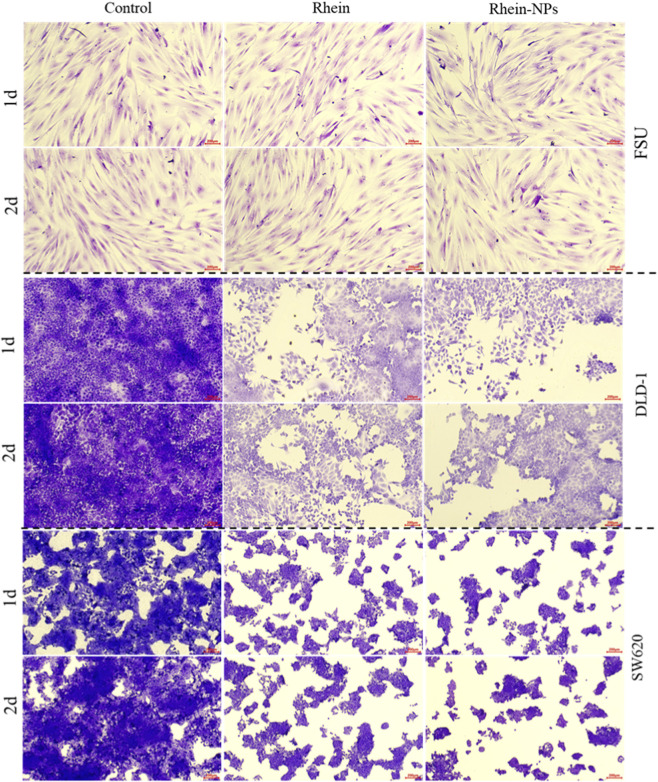 Figure 9
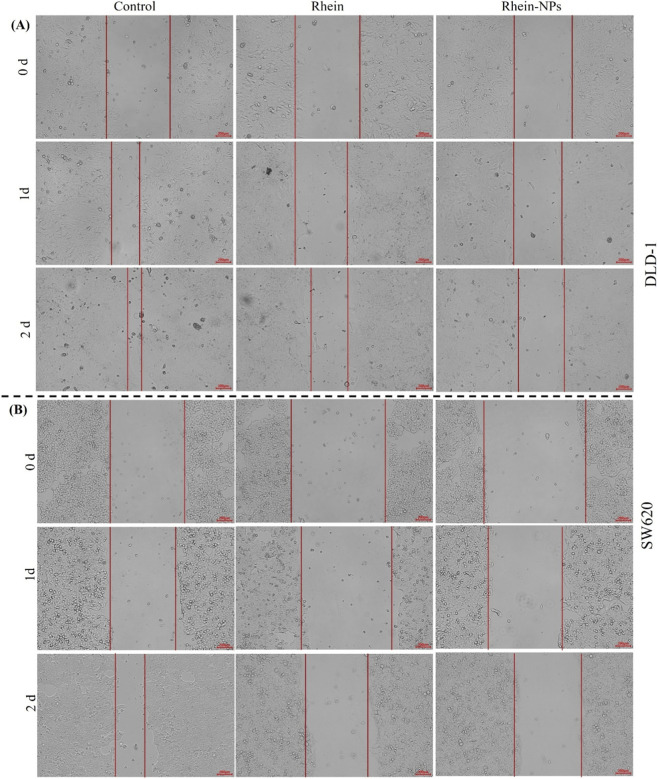 Figure 10
Peer Reviews
No public reviews on file for this paper yet. If you reviewed it on a platform where reviews are public (OpenReview, ICLR, NeurIPS, ICML), you can paste yours below so the community can read it here.
Videos
No videos yet. Explain this paper in a talk, walkthrough, or lecture? Add one.
Taxonomy
TopicsPhytochemistry and biological activity of medicinal plants · Moringa oleifera research and applications · Saffron Plant Research Studies