Quantitative source-oriented, bioaccumulation and toxicity of organic pollutants in a formerly mining area
Constantin Nechita, Elisabeta-Irina Geana, Roxana Elena Ionete, Corina Teodora Ciucure, İsmail Koç, J. Julio Camarero

TL;DR
This study assesses organic pollutants in a former mining area, identifying contamination sources and toxicity risks in forest ecosystems.
Contribution
The study introduces a novel approach to source identification and toxicity assessment of organic pollutants in a mining-impacted region.
Findings
Pollutant levels decrease with soil depth but increase in tree leaves, indicating bioaccumulation.
PAHs and PCBs originate from petrogenic and pyrogenic combustion in mining and residential areas.
Quercus robur leaves show high toxicity risk and are recommended as bioindicators.
Abstract
Persistent organic pollutants (POPs) are a significant class of environmental hazards in the atmosphere, posing substantial risks to human health and to various components of forest ecosystems. This research focused on assessing contamination levels and sources of 14 polychlorinated biphenyls (PCBs) and on potential toxicity associated with seven low-molecular-weight (Σ7 LMW) and eight high-molecular-weight (Σ8 HMW) polycyclic aromatic hydrocarbons (PAHs). Here, leaves of several tree species (the native Quercus robur L., Fagus sylvatica L., Pinus sylvestris L., and Taxus baccata L.; the introduced Chamaecyparis lawsoniana (A. Murray bis) Parl.), litter and soil samples (10‒15 and 30‒40-cm depths) were analyzed in the formerly mining center of Baia Sprie, NW Romania. The content of Ʃ7 LMW PAHs decreased from litter to deeper soils (287, 9.07 ng g−1), also for Ʃ8 HMW PAHs (447.53, 13.11…
Genes, proteins, chemicals, diseases, species, mutations and cell lines named across the full text — each resolved to its canonical identifier and authoritative record.
Click any figure to enlarge with its caption.
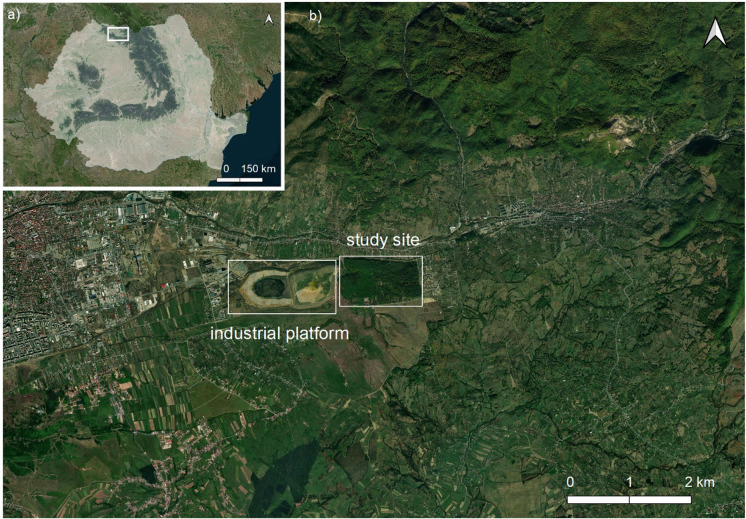 Figure 1
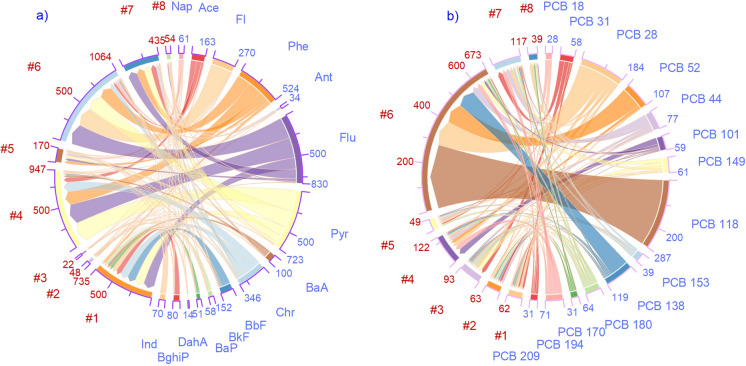 Figure 2
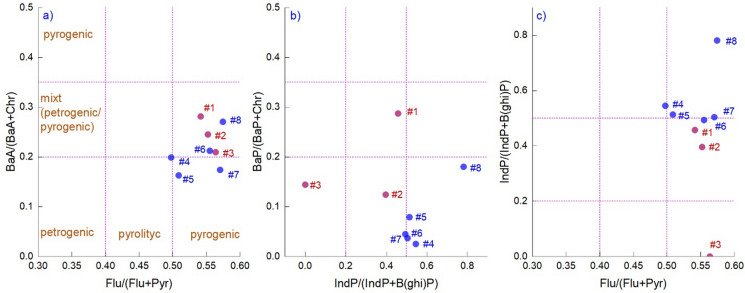 Figure 3
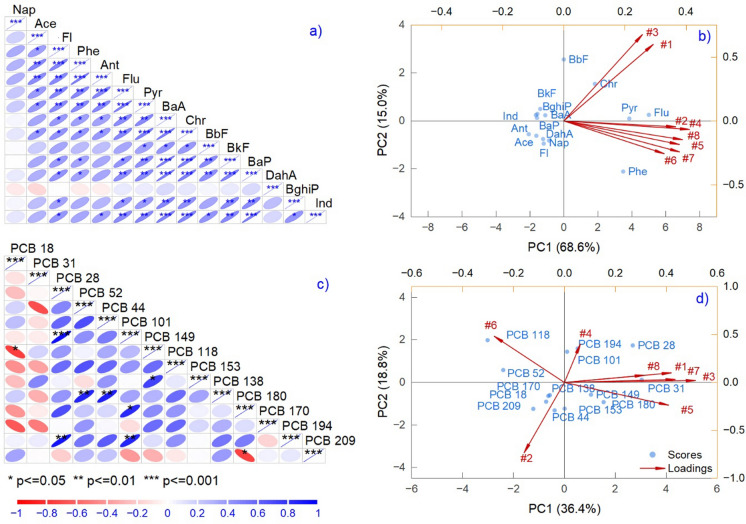 Figure 4
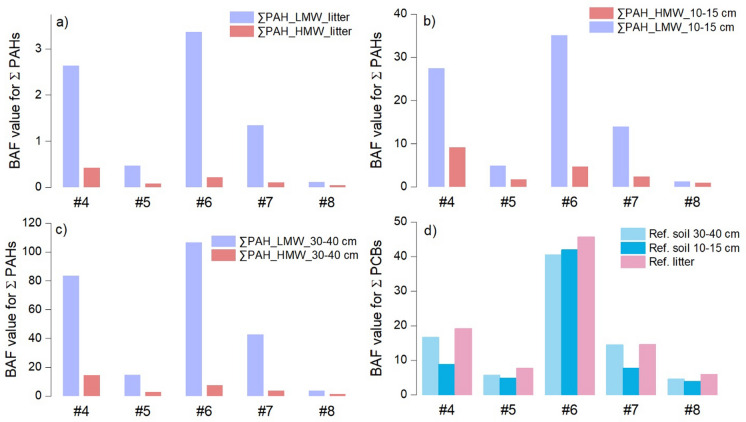 Figure 5
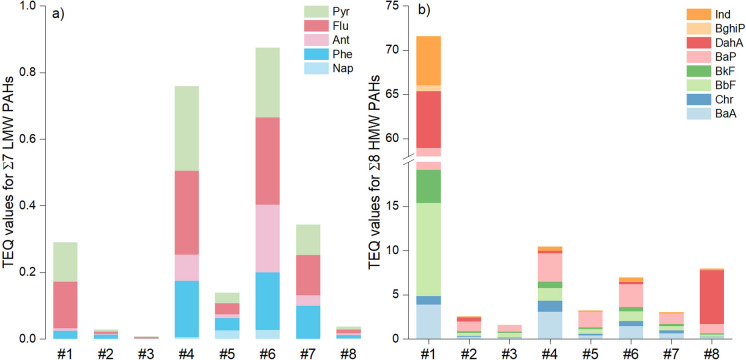 Figure 6
- —https://doi.org/10.13039/501100015622Ministerul Cercetării şi Inovării
- —https://doi.org/10.13039/100018987Ministerul Cercetării, Inovării şi Digitalizării
Peer Reviews
No public reviews on file for this paper yet. If you reviewed it on a platform where reviews are public (OpenReview, ICLR, NeurIPS, ICML), you can paste yours below so the community can read it here.
Videos
No videos yet. Explain this paper in a talk, walkthrough, or lecture? Add one.
Taxonomy
TopicsToxic Organic Pollutants Impact · Microbial bioremediation and biosurfactants · Environmental Toxicology and Ecotoxicology
Introduction
Persistent organic pollutants (POPs) are hazardous carbon-based chemical substances, such as polycyclic aromatic hydrocarbons (PAHs) and polychlorinated biphenyls (PCBs), that cause widespread and persistent contamination, posing significant human health risks and environmental issues (Nowakowski et al., 2021). The impact of POPs on human health is severe, as they increase the risk of cancer, cause respiratory infections, and worsen asthmatic symptoms (Burstyn et al., 2007; Mosallaei et al., 2023; Ravanbakhsh et al., 2023; White et al., 2016). The dispersion and accumulation in various matrices are significantly affected by environmental factors such as rising temperatures and increasing levels of carbon dioxide (Wilcke, 2000). Urbanization and industrialization are the primary sources of POPs, making them useful indicators of environmental quality (Hussain et al., 2019). Oxygenated and nitrated PAHs have been documented even in the most remote regions of the world, including Antarctica, the Arctic, and the Tibetan Plateau (Nos et al., 2024; Wei et al., 2024; Yüce et al., 2024). The PAHs are released into the atmosphere and get attached to suspended particulate matter, which can be inhalable particles with diameters of 10 µm or less (Aslam et al., 2022; Nowakowski et al., 2021). Urban industrialized areas are heavily impacted since PAHs originate primarily from human activities, including incomplete combustion and emissions (Sankar et al., 2023; Xu et al., 2021). Commercial megacities demonstrated lower levels of organic pollutants compared to small cities and urban areas, which are exposed to high daily concentrations (Ianiri et al., 2025). Residents in rural areas generally inhale higher concentrations of particulate matter containing PAHs due to domestic heating with wood and coal and to the combustion of biomass waste (Yang et al., 2021). Additionally, inhabitants from urban areas with high population density can absorb a wide range of pollutants, with the average concentration of the 16 priority pollutants (USEPA) reaching up to 2256 ng g^−1^ in the particulate matter fraction (Samburova et al., 2017; Wu et al., 2019; Xie et al., 2024). In coal-mining areas, contamination in abiotic samples appears to be more severe for aromatic and oxygenated PAHs than for the high molecular weight PAHs (Xu et al., 2023). In change, the water, soil, and air around a waste plastic recycling factory in an industrial park in Eastern China show that phenanthrene (Phe), naphthalene (Nap), fluoranthene (Fla), and chrysene (Chr) are the main congeners in soil, and PCB18, 28, 31, and 52 are present in air and soil samples in high amounts (Qin et al., 2022).
Polychlorinated biphenyls, one of the POPs, are xenobiotic chlorinated aromatic components, persistent organic pollutants that have been banned or restricted since the 1970s (Yurdakul et al., 2019). Their half-life varies from 1.3 to 5.6 years to decades in soil (Terzaghi et al., 2020, 2021). Soils are the main land-based reservoirs of airborne PAHs and PCBs, functioning as both sources and sinks for air pollution. Vegetation absorbs these contaminants from the environment; however, the degree of uptake varies with physiological (lipid content, metabolic rate, and time of exposure), genetic (which dictate receptor interactions and specific transporters), and environmental factors that influence bioavailability and transport within the ecosystem (Giráldez et al., 2025; Li et al., 2020; Tarigholizadeh et al., 2024). In natural forests, the content of POPs is significantly impacted by deforestation, changes in land use, and forest fire combustion (Wang et al., 2017). Analysis of the soil content for the 16 EPA priority PAH compounds indicates regional disparities. Machine learning models suggest that the concentrations in some regions (e.g., Hebei province, China) may exceed current levels by up to 50%, based on growth in gross industrial production (Xie et al., 2024). In certain instances, the diversity of plant species mitigates the natural dispersal within the grassland soil (Bandowe et al., 2019). The concentration of the root system varies by species and growth strategies, showing different uptake after prolonged exposure (Terzaghi et al., 2022). Reports indicate contradictory effects of low air temperature and water vapor on the assimilation of organic contaminants in high-altitude forests (Davidson et al., 2003; Gong et al., 2023). The foliar absorption of organic contaminants appears to be higher than that absorbed from the soil (Araya et al., 2025; Rabiee et al., 2024). It was found that leaves can assimilate more than 30% of organic pollutants through their surfaces compared to branches (Kalozi et al., 2025). A clear difference in the assimilation of PAH and PCB in leaves can be observed when comparing deciduous and evergreen trees (conifers in this case). Accumulation increased yearly from 1- to 3-year-old needles, whereas in deciduous tree leaves declined from June to September (Pleijel et al., 2022). Deciduous leaves interact with gaseous PAHs in the air, whereas conifers continuously assimilate charged particles (De Nicola et al., 2011). Conifers absorb higher amounts of LMW PAHs (Klingberg et al., 2022). HMW PAHs are restricted from entering tree bark and wood organs compared with leaves due to extreme hydrophobicity and low mobility (Alexandrino et al., 2024; Wu et al., 2023).
Most researchers consider only wet/dry deposition as pathways for PAHs and PCBs in tree foliage. Recent studies have shown that plants actively absorb PAHs via root membrane transport proteins, specifically ATP-binding cassette (ABC) proteins (Zhang et al., 2023). These proteins form a pocket that translocate into the cell, releasing the organic contaminant. The diffusion, xylem, and phloem have specific roles, and the last two components are essential for chemical uptake. The absorption of organic chemicals by roots exhibits a very low bioconcentration factor (BCF), attributable to the highly lipophilic characteristics of these chemicals. (Li, 2022). The availability of data concerning monitoring studies of soil and vegetation for POPs in urban industrialized regions of Romania is scarce, mainly those that involve trees for biomonitoring (Sandu et al., 2025). Even so, a broad interest in the POPs contamination of the air (Pănescu et al., 2024a; Pribylova et al., 2012), soil (Dragan et al., 2006; Ene et al., 2012), and water/sediment (Chiţescu et al., 2021; Ciucure et al., 2023; Moldovan et al., 2018; Neamtu et al., 2009) was demonstrated in the region.
This study aims to fill this gap by documenting the levels and sources of POPs in the Baia Sprie region (NW Romania), an area where mining activities, diffuse sources such as fossil–fuel combustion in large furnaces and domestic heating, and urbanization are likely to contribute to higher contamination. The rationale was to assess contamination levels and document potential environmental health issues using soil, litter, and five tree species. In this context, we quantified the concentrations of 15 PAHs and 14 PCBs in soil, litter, and leaves of five tree species. Thus, the main objectives of the study were to: (i) assess the contamination levels in soil and tree leaves, (ii) identify origins, (iii) assess their bioaccumulation and toxicity capacity, and (iv) compare the results with reports from other regions. The selected tree species—Q. robur, F. sylvatica, P. sylvestris, T. baccata, and C. lawsoniana—were preferred based on their (1) natural occurrence in the region, (2) distinguishing leaf morphologies (broadleaf vs. needle, deciduous vs. evergreen), and (3) presence in the study area, ensuring uniform exposure to local pollution sources. C. lawsoniana, despite not being native, was incorporated because of its extensive utilization in urban planting projects and the potential variations in its mechanisms for pollutant absorption.
Materials and methods
Environmental samples collection
The sample site is located in northwestern Romania, Baia Sprie town (47˚39ʹ38ʺ N, 23˚41ʹ38ʺE, 480 m.s.l.), which has approximately 15,476 residents (Fig. 1). Mining has been a historical occupation in this area, with evidence dating back to the Bronze Age, and the earliest written record dates to 1141 BC. Between 1919 and 1940, exploitation methods evolved to include techniques such as amalgamation, flotation, cyanidation, and gravimetric processes, which resulted in the release of significant quantities of contaminants into the soil, water, and atmosphere. Currently, climate change-related extreme events in the area lead to environmental problems, such as the breaking of tailing dams containing cyanide or water discharges from mines, causing ecological damage (Buzatu et al., 2016; Iordache et al., 2022). The soil, litter, and leaves were collected from a natural park (trees with ages greater than 180 years) located less than 100 m from the main furnace processing ores in July 2020. Soil samples were collected from litter (#1), surface layer soil from 10‒15 cm (#2), and soil at 30‒40 cm depth (#3) in various locations around the park, including near a road heavily used by trucks. Leaves from Quercus robur L. (#4), Fagus sylvatica L. (#5), Chamaecyparis lawsoniana (A. Murray bis) Parl. (#6), Pinus sylvestris L. (#7), and Taxus baccata L. (#8) were collected from a height of a maximum of 3 m. The volatile oil content in the leaves of vascular plants, which determines the level of hydrophobic contaminants absorbed, varies depending on the species, environmental factors, or gene expression associated with secondary metabolism (Figueiredo et al., 2008; Tarigholizadeh et al., 2024). In vascular plants older than 1 year, the hydrophobic surface of leaves tends to diminish with age, primarily due to the loss or degradation of surface waxes (Li et al., 2017; Ossola & Farmer, 2024). Several studies have shown that volatile oils in leaves can increase during drought conditions, yet other research has observed no change or even a decrease in these oils. (Kreuzwieser et al., 2021; Mecca et al., 2024). Thus, we collected leaves with yearly development from Quercus robur and Fagus sylvatica, the second-year leaves from Pinus sylvestris, and evergreen leaves from Chamaecyparis lawsoniana and Taxus baccata. The samples were stored in clean polyethylene bags, kept in a cool box at 4 °C, and transported immediately to the laboratory for further processing (air-dried, ground, homogenized, and sieved through a 2 mm mesh sieve). The pretreated samples were stored at 4 °C before undergoing analytical evaluation.Fig. 1. Location map of the study area in Romania (a), and a detailed representation of the study site near the industrial mining platform in Baia Sprie, Northern Romania
Climatic factors in the study site
The climate data were extracted from 0.1º-gridded E-OBS v28.0e data for 2010‒2020, considering a decomposition time interval for most organic compounds varying between months to decades. The following climate variables were obtained at annual and monthly resolutions: monthly precipitation (R, mm/day), mean, maximum, and minimum monthly temperatures (Tmean, Tmax, Tmin, ºC), potential evapotranspiration (PET, mm/day), and self-calibrating Palmer Drought Severity Index (scPDSI) (Haylock et al., 2008). The mean R value from 2010 to 2020 was 1.86 mm/day, with extremes in May 2019 (5.73 mm/day) and June 2020 (5.02 mm/day). In July 2020, the daily precipitation (2.68 mm/day) decreased from June but was higher than the average for August to December (1.72 ± 0.79 mm/day). The mean temperature from 2010 to 2020 was 10.07 °C. Since 2010, the average maximum annual temperature has steadily risen from 14.53 °C to 2019, reaching 16.60 °C, but it dropped to 15.20 °C in 2020. The PET reached its maximum in July, indicating that in 2020, the value was below the decadal average (4.01 mm/day). Between 2010 and 2020, no extreme events were recorded in scPDSI May–July, with a July 2020 value of 0.74.
Standards and reagents
The standard certified reference material PAH-Mix 18 10 mg L^−1^ in acetonitrile containing the 16 prioritized USEPA PAHs (naphthalene (Nap), acenaphthylene (Ace), phenantrene (Phe), acenaphthene (Ace), fluorene (Fl), anthracene (Ant), fluoranthene (Flu), pyrene (Py), benzo(a)anthracene (BaA), chrysene (Chry), benzo(b)fluoranthene (BbF), benzo(k)fluoranthene (BkF), benzo(a)pyrene (BaP), indeno(1,2,3-c,d)pyrene (IndP), dibenzo(a,h)anthracene (DahA) and benzo(g,h,i)perylene (BghiP)) and the standard solution for PCBs-Mix 12, 10 µg mL^−1^ in isooctane, containing congener numbers PCB 18, PCB 28, PCB 31, PCB 44, PCB 52, PCB 101, PCB 118, PCB 138, PCB 149, PCB 153, PCB 180, PCB 194 were purchased from LGC Standards (GmbH Germany). The certified ERM-CC013a, Polycyclic aromatic hydrocarbons in soil, containing Nap (2.4 mg kg^−1^), Fl (1.14 mg kg^−1^), Phe (12.0 mg kg^−1^), Ant (1.41 mg kg^−1^), Flu (12.9 mg kg^−1^), Py (9.6 mg kg^−1^), BaA (5.6 mg kg^−1^), Chry (5.3 mg kg^−1^), BbF (7.1 mg kg^−1^), BkF (3.4 mg kg^−1^), BaP (4.9 mg kg^−1^), BghiP (4.6 mg kg^−1^) and IndP (5.2 mg kg^−1^), purchased from LGC Standards (GmbH, Germany) was used for the recovery studies. All the solvents used for sample extraction, purification, and analysis were of chromatographic grade (Merck, Germany).
Sample extraction and clean-up
The samples were extracted using microwave-assisted solvent extraction (MAE) with a CemMars 6 extractor (CEM, Mathews, USA) which has 14 closed extraction vessels, following the protocol outlined by Ciucure et al. (Teodora Ciucure et al., 2023). A 0.5 g sample was extracted with 25 mL of 1:1 n-hexane/acetone for 20 min at 115 °C, 400 W, and 65 PSI. After cooling, it was dried over sodium sulfate, filtered, and concentrated under vacuum using a TurboVap Multivapor P6. The residues were reconstituted in 1 mL of n-hexane and subsequently cleaned using HyperSep C18 cartridges (Thermo Scientific, Germany), which had been previously conditioned with 5 mL of a 1:1 (v/v) mixture of n-hexane and dichloromethane, followed by conditioning with 5 mL of n-hexane. The extracts were eluted with 10 mL of an n-hexane/dichloromethane (1:1, v/v) mixture, and the solvents were evaporated to dryness under a gentle stream of nitrogen using a TurboVap LV concentrator (Biotage, Uppsala, Sweden). The residues were reconstituted in 1 mL of acetonitrile before analysis. Spiked sediment samples and certified reference material ERM-CC013a were used to verify PAH results.
Determination of polycyclic aromatic hydrocarbons (PAHs) by UHPLC-FLD
The content of 15 US EPA priority PAHs (including Nap, Phe, Ace, Fl, Ant, Flu, Py, BaA, Chry, BbF, BkF, BaP, DbA, BghiP, and IndP) in dry mass vegetation, litter, and soil samples was measured using high-performance liquid chromatography with a fluorescence detector on a Dionex UHPLC-FLD system (ThermoFisher Scientific, Bremen, Germany), following standard extraction and clean-up procedures. Separation of these PAHs was achieved with a Hypersil Green PAH column (250 × 4.6 mm, 5 μm particle size), along with a pre-column (10 × 4 mm, 5 μm) from Thermo Fisher Scientific. Gradient elution was performed using two mobile phases: A (water) and B (acetonitrile). Gradient elution and excitation (Ex) / emission (Em) wavelengths conditions were optimized to ensure high sensitivity in the detection of individual PAHs. (Teodora Ciucure et al., 2023). Optimal gradient elution conditions were established as follows: 50% B at 0 min, increased to 100% B at 35 min and maintained until 55 min, followed by re-equilibration to 50% B at 60 min and held until 65 min. Fluorescence detection parameters were optimized by applying time-programmed Ex/Em wavelengths, as follow: 224/330 nm (0.1–19.0 min), 275/350 nm (19.0–25.0 min), 290/430 nm (25.0–29.0 min), 270/430 nm (29.0–34.0 min), 260/420 nm (34.0–39.5 min), 290/430 nm (39.5–52.5 min), and 305/480 nm (52.5–60.0 min). Quantification was performed using the external standard method with reference solutions ranging from 0.1 to 25 μg L^−1^ for each compound. Results are presented in ng g^−1^ dry weight (dw). The method detection limits (LOD) ranged from 0.01 to 0.66 ng g^−1^ dw, while the limit of quantification (LOQ) ranged from 0.03 to 2.20 ng g^−1^ and the precision ranged from 0.9 to 7.4%. Recovery rates for the ERM-CC013a certified reference material for PAHs varied from 72.3 to 116.6% of the certified values https://doi.org/10.1016/j.scitotenv.2023.163967. All samples underwent duplicate measurements, and the results are reported as mean values.
Determination of polychlorinated biphenyl (PCBs) by GC-ECD
The analysis of PCBs (PCB18, PCB28, PCB31, PCB44, PCB52, PCB101, PCB118, PCB138, PCB149, PCB153, PCB180, and PCB194) in sample extracts was conducted using gas chromatography with an electron capture detector (GC-ECD), employing a Varian 450-GC system (Varian Inc., Walnut Creek, USA). A 1 μL aliquot of each sample extract was introduced in splitless mode onto an HP-8-PCB fused silica capillary column (50 m in length, 0.25 mm internal diameter, 0.25 μm film thickness). High-purity helium was used as the carrier gas at a flow rate of 2.0 mL min^−1^. Instrumental parameters were previously optimized by Ciucure et al. (Ciucure et al., 2023). The injector temperature was configured at 300 °C, and the detector at 330 °C. The oven program began at 100 °C, then rose to 190 °C at a rate of 18 °C min^−1^. It continued to 198 °C at 5 °C min^−1^, and finally ramped more slowly to 202 °C at 0.5 °C min^−1^. The temperature was further increased to 250 °C at 3 °C min^−1^, and finally to 260 °C at 5 °C min^−1^. Compounds were identified by matching retention times with standards, and their concentrations were estimated from calibration curves for each PCB, spanning a range of 0.1–100 μg L^−1^. The detection limits (LOD) ranged from 0.11 to 1.20 ng g^−1^, while the limit of quantification (LOQ) ranged from 0.36 to 3.99 ng g^−1^ and precision ranged between 0.9 and 5.2%, and PCB spike recoveries ranged from 70.4 to 105.2% https://doi.org/10.1016/j.scitotenv.2023.163967. Samples were measured in duplicate, and results are averages, reported in ng g^−1^, dw.
Statistical analysis
The direct weight method, degrees of freedom variance divisor moment, and empirical distribution with averaging interpolation quartiles were employed to assess summary statistics and describe the datasets. The differences between variables were tested using one-way analysis of variance (ANOVA), where the significance level of mean comparisons was assessed using the Holm-Sidak test, and equal variance was tested using Levene's test. The Spearman correlation analysis was performed using pairwise exclusion of missing values to evaluate possible interrelationships between POPs. The principal component analysis (PCA) and diagnostic ratios were applied to identify the potential sources of POPs. The PCA was calculated using raw factor loading coefficients rotated by Varimax with Kaiser Normalization.
The bioaccumulation factor (BAF) is a metric used to assess whether plants accumulate chemicals from the environment into their tissues, and is generally calculated as a ratio between two matrices, as presented in Eq. (1).
The accumulation of organic contaminants from soil and litter
\documentclass[12pt]{minimal} \usepackage{amsmath} \usepackage{wasysym} \usepackage{amsfonts} \usepackage{amssymb} \usepackage{amsbsy} \usepackage{mathrsfs} \usepackage{upgreek} \setlength{\oddsidemargin}{-69pt} \begin{document}$$BAF= {C}_{plant}/{C}_{soil}$$\end{document}where, Cplant and Csoil are PAHs and PCBs content on leaves and soil at 30–40 cm depth (ng g^−1^). The BAF > 1 indicates capacity for accumulating substance in tree organs, and BAF < 1 demonstrates no accumulation capacity or that the substance is faster eliminated after absorption (Kwok et al., 2013; Mai et al., 2024).
The toxic equivalency factor (TEQ) is the most commonly used method to identify the toxicity of PAHs. The toxicity equivalency content (TEQs) is calculated by summing the products of TEF values and PAH concentrations Eq. (2).
\documentclass[12pt]{minimal} \usepackage{amsmath} \usepackage{wasysym} \usepackage{amsfonts} \usepackage{amssymb} \usepackage{amsbsy} \usepackage{mathrsfs} \usepackage{upgreek} \setlength{\oddsidemargin}{-69pt} \begin{document}$$TEQ= \sum ({PAH}_{i} \times {TEF}_{i})$$\end{document}where, PAHi is the concentration, and TEFi represents the toxic equivalent factors of each PAH (i). The BaP or DahA is used as a reference standard for assuming TEFs, as it is considered the most potent in inducing carcinogenic effects and has a value of 1. The TEF factors have the following values for each PAH: BaA = 0.1, Chr = 0.01, BbF = 0.1, BkF = 0.1, BhiP = 0.01, Ind = 0.1, Pyr = 0.001, Flu = 0.001, Ant = 0.01, Phe = 0.001, and Nap = 0.001 (Gereslassie et al., 2018; Kumar et al., 2014). The Fl and Ace are not explicitly defined, as they are considered to have very low toxic equivalent factors. The interpretation of results is as follows: values ≤ 0.1 are considered no risk, 0.1‒1 is low risk, 1‒10 is low to moderate risk, 10‒100 is moderate to high risk, and ≥ 100 is high risk.
Results
PAHs and PCBs content in environmental matrices
The content of Ʃ7 LMW PAHs (Nap, Ace, Fl, Phe, Ant, Flu and Pyr) was high in the litter (287 ng g^−1^) and decreased from surface soil (27.62 ng g^−1^) to deeper soil (9.07 ng g^−1^), with Phe, Flu, and Pyr showing the most significant contribution (Fig. 2a). The Ʃ8 HMW PAH congeners (BaA, Chr, BbF, BkF, BaP, DahA, BghiP, and Ind) exhibited a similar trend from litter to deeper soils (447.53, 20.60, and 13.11 ng g^−1^) with a significant contribution of Chr and BbF. Broadleaf-leaved trees assimilated a greater content of Ʃ7 LMW PAHs compared to conifer needles, with a decreasing order from C. lawsoniana > Q. robur > P. sylvestris > F. sylvatica > T. baccata (967, 758, 386, 134, 34.30 ng g^−1^). The content of Ʃ8 HMW PAHs had maximum values in Q. robur > C. lawsoniana > P. sylvestris > F. sylvatica > T. baccata (188.58, 96.35, 48.81, 36.20, 19.62 ng g^−1^). BaA, Chr, and BbF had the highest contribution to the Ʃ8 HMW PAHs in leaves. Even more, the concentration of individual PAHs had significant variation between litter and soil, as well as among P. sylvestris and T. baccata needles. We found that LMW PAHs were present in all samples, but values below the detection limit were observed solely for HMW DahA, BghiP, and Ind. The Ʃ7 LMW PAHs contributed to the total content up to 39% (litter), 57% (soil 10‒15 cm), and 40% (soil 30‒40 cm), respectively, accounting for 63 to 90% in leaves.Fig. 2. Contents (in ng g^−1^) measured for the fifteen PAHs (a) and fourteen PCBs (b) in eight environmental matrices (in litter (#1), surface layer soil from 10 to 15 cm (#2), and soil at 30‒40 cm depth (#3), Q. robur (#4), F. sylvatica (#5), C. lawsoniana (#6), P. sylvestris (#7) and T. baccata (#8) leaves) sampled in Baia Sprie mining town (NW Romania) in the year 2020
The 14 PCBs were detected at varying concentrations across all matrices, with several exceptions (Fig. 2b). The origins can be attributable to local activities, including industrial emissions, mining, legacy contamination, wood-fuel burning, and waste incineration. The concentration of Ʃ14 PCBs congeners increased from litter to 10‒15 cm and 30‒40 cm soil (61.76, 63.03, 92.67 ng g^−1^). Content of Ʃ14 PCB congeners decreased in leaves from C. lawsoniana > Q. robur > F. sylvatica (672, 122, 48.95 ng g^−1^), and in P. sylvestris > T. baccata needles (116, 38.66 ng g^−1^). Significant differences were observed between the concentrations of Ʃ14 PCB congeners in leaves and needles (p < 0.05).
Source apportionment of PAHs: diagnostic ratio analysis
Quantitative source identification was conducted using the diagnostic-ratio method, which relies on the index ratio of PAHs with comparable molecular weights to differentiate their origins (Lee et al., 2021). In our study, all samples—both abiotic and biotic—were analyzed, and the results are shown in Fig. 3. The Flu/(Pyr + Flu) in all samples exceeded 0.5, indicating that the sources are predominantly from biomass and home-heating combustion and petroleum sources (Fig. 3a) (Szramowiat-Sala et al., 2025). IndP/(IndP + B(ghi)P) had values below 0.2 in litter, indicating petrogenic origins. In soil, the values ranged from 0.2 to 0.5, indicating mixed sources, including fossil fuel combustion and diesel emissions. In biotic samples, the values exceeded 0.5, which can be associated with biomass and wood combustion (Fig. 3b, c). Even the BaA/(BaA + Chr) ratio ranged from 0.2 to 0.35 (0.22 ± 0.04), indicating a mixed source (Okechukwu et al., 2021; Szramowiat-Sala et al., 2025). The diagnostic tracer plot shows that PAHs originate from petrogenic, pyrogenic, or mixed sources (Fig. 3a,b,c).Fig. 3. Diagnostic ratios of PAHs using different indices for Baia Sprie samples. The red dots represent content ratios in litter (#1), surface layer soil from 10‒15 cm (#2), and soil at 30‒40 cm depth (#3), respectively the blue dots the content ratios in Q. robur (#4), F. sylvatica (#5), C. lawsoniana (#6), P. sylvestris (#7) and T. baccata (#8) leaves)
Correlation and multivariate analysis
Correlation analysis was performed to assess potential relationships among PAHs and PCBs within the examined samples. Therefore, for PAHs, most relationships were positive and statistically significant (p < 0.001) (Fig. 4a). The Nap and BghiP show the weakest connections with other PAH congeners. Other strong relationships can distinguish two groups of compounds: the first group includes Ace, Fl, Phe, Ant, Flu, Pyr, BaA, and Chr; the second group comprises Flu, Pyr, BaA, Chr, BbFF, BaP, DahA, and Ind, with correlation coefficients ranging from 0.71 to 0.97 (p < 0.05). A negative but not significant relationship was found only between DahA and Nap, Ace, Phe, and Ant. PCA documented similarities between the amounts of POPs in various matrices. Thus, the PAHs score plot explains 83.6% of the total variance of the two principal components (Fig. 4b).Fig. 4. Reducing dimensionality using principal component analysis (PCA) for PAHs (a) and PCBs (b), and evaluating inter-relationships between PAHs (c) and PCBs (d) in various matrices according to Pearson correlations. Significance levels: ** p* < 0.05; ** p < 0.01; ***p < 0.001
The PCBs documented weaker relationships, with negative correlations between PCBs 18 and 149 (r = − 0.75) and between PCBs 180 and 209 (r = − 0.73, p < 0.05), indicating different sources (Fig. 4c). Positive associations were observed between PCB 28 vs. PCB 101, 194, PCB 138 vs. PCB 52 and 44, PCB 101 vs. PCB 180, and PCB 149 vs. PCB 153. We observe significant dispersion among the samples and low variability explained by PC1 (36.4%) and PC2 (18.8%) (Fig. 4d). This fact can be attributed to the degradation of heavy PCBs into lighter forms, as most of these compounds are associated with industrial activities in the area. Only litter, soil at depths of 30‒40 cm, and leaves from Q. robur, P. sylvestris, and T. baccata show associations, based on the similarity of PCBs 28, 101, and 194. The PCBs in the surface soil (10‒15 cm) are differently affected by absorption, assimilation, and chemical transformation compared to litter and deeper soils, which is why they are separated into distinct clusters.
PAHs and PCBs bioaccumulation and toxicity
The litter serves as a reference for analyzing PAHs in forest ecosystems, acting as a biomonitoring tool because it effectively stores chemicals and as a functional indicator of ecosystem health by providing insights into the system's capacity to process chemical stressors (Wang, T. et al., 2023). The soil serves as a reference for the bioavailable contaminant fraction, compared to plant organ concentrations, with soil properties like organic carbon influencing this relationship (De Nicola et al., 2015). BAF values documented that plants tend to absorb more LMW PAHs from deeper soils to their leaves, and less HMW PAHs (Fig. 5a, b, c). It was observed that HMW PAHs originating from litter were not assimilated in tree leaves, and LMW PAHs were detected in minimal quantities in C. lawsoniana, Q. robur, and P. sylvestris (3.36, 2.64, and 1.34 ng g^−1^) (Fig. 5a). When evaluating the assimilation pattern of PAHs from the upper soil (10‒15 cm) to leaves, it is observed that the BAF factor is significantly lower, and T. baccata does not assimilate HMW PAHs (Fig. 5b). The Ʃ7 LMW PAHs accumulation capacity from deeper soil (30‒40 cm) decreased as follows: C. lawsoniana > Q. robur > P. sylvestris > F. sylvatica > T. baccata (106, 83.56, 42.61, 14.79, and 3.77 83 ng g^−1^). The highest bioavailability of the Ʃ8 HMW PAHs (14.38 ng g^−1^) was found in Q. robur leaves. Other samples had values decreasing from C. lawsoniana > P. sylvestris > F. sylvatica > T. baccata (7.34, 3.72, 2.76, 1.49 ng g^−1^) (Fig. 5c).Fig. 5. Bioaccumulation factor (BAF) calculated for Q. robur (#4), F. sylvatica (#5), C. lawsoniana (#6), P. sylvestris (#7) and T. baccata (#8) leaves using the references: a) litter, b) 10–15 cm soil, and c) 30–40 cm soil for Ʃ7 LMW PAHs and Ʃ8 HMW PAHs; d) panel illustrates the BAF factor assessed for Ʃ14 PCB in the same matrices (#4‒#8)
Bioaccumulation factor values for PCB congeners were extreme when used as reference litter content, reaching up to 45.58 ng g^−1^ (C. lawsoniana) and 19.17 ng g^−1^ (Q. robur) (Fig. 5d). Among all congeners, PCBs 138 and 28 exhibited the highest bioaccumulation factors. Notably, 50% of these values were below 1, indicating no bioaccumulation. PCB 44 and 194 were absorbed in all leaf samples in low amounts, with BAF values between 1.49 and 8.47. In other cases, selectivity can be discussed based on each tree's species. When considering litter as reference, the values for Ʃ14 PCB documented that F. sylvatica (7.66 ng g^−1^) and T. baccata (3.86 ng g^−1^) have the lowest bioaccumulation capacity. Since the PCB 118 had a value below the detection limit, the BAF value was not calculated.
The TEQ represents the total toxicity of the PAH mixture in the dried leaves of trees. The results indicate that LMW PAHs have lower toxic equivalency factors than HMW PAHs, and certain HMW compounds (e.g., Chr, BaA, BbF) can induce higher toxicity. The TEQ values found on leaves indicate that LMW PAHs do not pose a threat to the environment, as the values for individual PAHs ranged from 0.0005 to 0.26 ng g^−1^, and Ʃ7 LMW PAHs were up to 0.87 ng g^−1^ (Fig. 6a). On the contrary, the HMW PAHs, as is the case with BaA, BbF, and BaP, induce a moderate risk with values up to 3.22 ng g^−1^ (Q. robur leaves) (Fig. 6b). The Ʃ8 HMW content in Q. robur leaves, induces a moderate to high risk (10.45 ng g^−1^). The soil and litter matrices also documented that LMW PAHs do not pose a threat to the environment. HMW PAHs can indicate a high risk in litter, with a Σ8 HMW of 71.55 ng g^−1^; however, litter acts as a major sink, containing higher concentrations than soils, especially those that are more complex and less water-soluble (HMW). The TEQ contribution of different monomer PAHs (%) to the Ʃ8 HMW in litter was as follows: BaP (55.70), BbF (14.66), DahA (8.94), Ind (7.76), BaA (5.41), BkF (5.20), Chr (1.38), and BghiP (0.92).Fig. 6. Toxic equivalency factor (TEQ) values for individual a) LMW PAHs and b) HMW PAHs congeners, respectively their sum (Ʃ7 LMW PAHs and Ʃ8 HMW PAHs staked bars) in abiotic samples—litter (#1), surface layer soil from 10 to 15 cm (#2), and soil at 30‒40 cm depth (#3), and biotic ‒leaves of Q. robur (#4), F. sylvatica (#5), C. lawsoniana (#6), P. sylvestris (#7) and T. baccata (#8)
Discussion
PAHs and PCBs content in environmental matrices
Seven distinct low (Nap, Ace, Fl, Phe, Ant, Flu, and Pyr) LMW and eight high-molecular-weight (BaA, Chr, BbF, BkF, BaP, DahA, BghiP, and Ind) HMW PAHs congeners were quantified in soil and tree leaves (Fig. 2) (Gundlapalli et al., 2024). The Flu had the highest individual value, making it the most abundant substance in litter and suggesting partial combustion at low temperatures (Wang, J. et al., 2023). Chr is a natural compound of coal tar, gasoline, and creosote (Liang et al., 2019) and has significant amounts, mainly in litter and Q. robur leaves. BkF was also well represented in litter and deeper soil, being associated with road dust and car emissions (Akter et al., 2023). Most studies found that higher amounts of PAH are present in the surface soil (Zhang & Chen, 2017). The storage of Fl, Pyr, BkF, and BaP burdens in soil accumulates over 7‒10 years, and Flu and Phe during 1‒3 years (Howsam et al., 2001). Previous studies have found that Phe concentrations are higher below 100 cm depth, whereas BaP content decreases from the topsoil layers to deeper soils (Ping et al., 2007). Those reports confirm that LMW PAHs are found easily in surface soil (0‒10 cm), while HMW PAHs are in deeper layers (Oleszczuk & Baran, 2003). Other studies documented that Ʃ16 PAH did not vary between upper soil layers (271‒1154 ng g^−1^) and deeper soil (318‒1052 ng g^−1^) (Štrbac et al., 2024). The aging of contaminants contributes to stronger bonds with soil physicochemical properties; additionally, the type of soil influences the assimilation of PAHs (ter Laak et al., 2006). In the natural areas, different levels of Ʃ12 priority PAHs in the litter, such as the Atlantic Forest in Southeast Brazil, ranged from 1,400 to 12,300 ng g^−1^, while in soil they were between 400 and 13,300 ng g^−1^, which is much higher compared to our results (Santos et al., 2022). In a subtropical rainforest in China, the inputs of Ʃ17 PAHs in litter had a mean value of 261 ± 163 ng g^−1^, and in foliage, 326 ± 291 ng g^−1^, which is significantly lower than the values reported in our study (Wang, T. et al., 2023). The urban soil pollution, as compared to three European cities, indicates that the Ʃ15 PAHs had values ranging between 1487 and 51,822 ng g^−1^, and the Phe, Flu, and Pyr accounted for over 40% of the sum of PAHs (Morillo et al., 2007). In the industrialized towns of China, Ʃ16 priority PAHs ranged between 9234‒23,603 ng g^−1^ (Yu et al., 2019), 366‒27,825 ng g^−1^ (Tang et al., 2005), or 150‒83,096 ng g^−1^ (Xu et al., 2021), which is much higher than that of the United States of America, where values reached up to 5916 ng g^−1^ (Gao et al., 2019), 4562 ng g^−1^ (Liu et al., 2019), or those measured in Africa, 489‒5616 ng g^−1^ (Parra et al., 2020). In Romania, values ranging from 4.86 to 451.85 ng g^−1^ were reported (Pănescu et al., 2024b).
PAHs content is closely related to the forest community, and temporal fluctuations in litter and foliage are interconnected (Wang, T. et al., 2023). Shrubs can influence soil bacterial and fungal activity, increasing enzymes that reduce PAH in forest soil (Lasota et al., 2023). Mixed deciduous Quercus‒Fagus stands appear to absorb more LMW PAHs than other species, with variability influenced by climate, photosynthesis, and seasonality, with no differences between washed and unwashed leaves (De Nicola et al., 2008; Huang et al., 2018). Conifer needles can absorb higher concentrations of gaseous PAHs (Pleijel et al., 2022). The leaf mass influences the LMW PAHs content, whereas the absorption of HMW PAHs depends on the surface area of the leaves (Pleijel et al., 2022). The natural forest ecosystems within tourist resorts can absorb substantial amounts of POPs, which are associated with environmental factors, proximity to point-source pollution, and altitude-related conditions like smog and air masses containing particulate matter (Borgulat & Borgulat, 2023). Also, variability of chemical content is high, mentioning that ƩNap, Ace, Phe, Flu, BaA in urban area located in Naples (Italy), on Q. ilex leaves, was 754 ng g^−1^ (De Nicola et al., 2008). This value is relatively similar to our study (a small town with a limited number of inhabitants), where Q. robur leaves had a content of 513 ng g^−1^. Similar reports were found on needle content (dry mass) in an industrial park in Siberia exhibiting levels of Ace (20.8 ng g^−1^), Ant (3.8 ng g^−1^), and BaA (6.7 ng g^−1^) (Kalugina et al., 2018). The literature shows that PAH concentrations in needles varied between remote and urban sites from 92‒658 and 57‒427 ng g^−1^, and no variation was found between dry and fresh mass samples (Lang et al., 2000). The content can increase with age, ranging from 804 to 3604 ng g^−1^ (dry weight) (Wang et al., 2022). An urban area with significant industrial activity and heavy traffic had Ʃ9 priority PAHs of 817 ng g^−1^ (dry weight) (Piccardo et al., 2005). In contrast, in a suburban area, Ʃ14 PAHs were 626 ng g^−1^, and the industrial pollution can induce values for the Ʃ16 PAHs of up to 2157 ± 2098 ng g^−1^ in 2-year-old needles (dry weight) (Odabasi et al., 2015).
Climate factors and soil physicochemical properties (organic matter content) can influence PCB accumulation in soil, with reported values of 97,000 ng g^−1^ in Europe, under similar climatic conditions as are in our study area (Meijer et al., 2003). The deeper bulk soils showed a high PCB concentration of 705 ng g^−1^, significantly exceeding the 169 ng g^−1^ found in rhizosphere soil (Stella et al., 2015). This difference can be attributed to bioavailability and microbial transformation processes of compounds (Macková et al., 2007). Even so, most studies documented values of PCB in industrialized areas, road traffic, and urban areas ranging between 0.33‒37.07 ng g^−1^ (Gabryszewska et al., 2018), 13.06‒781 ng g^−1^ (Mao et al., 2021). Extremely high values were found in the urban soil of China, reaching up to 123,467 ng g^−1^, while in Europe, it was around 2646 ng g^−1^ (Vane et al., 2014). In Romania, in urban soils from Bucharest, Ʃ6 PCB showed a decreasing value since 2002 (0.015 ng g^−1^) to 2022 (0.006 ng g^−1^) (Sandu et al., 2025), and in a community of rural Roma from Transylvania, it was 0.22 to 49.12 ng g^−1^ (Pănescu et al., 2024b). In our study, it was found that PCB 180 was detected in all leaves with nearly identical content (7.95 ± 0.82 ng g^−1^). Considering the guidelines of the POPs Regulation (2019/2021) in the European Union, the Unintentional Trace Contaminants limits for PCBs, which recommend ≤ 25 ng g^−1^, most chemical compounds found in our study are under this threshold. An issue has been identified with PCB 118, which exhibited an extreme content of 287 ng g^−1^ in C. lawsoniana leaves; however, it was not detected in other matrices. However, species-specific differences in PCB congener content were identified in leaves. It was found that the content in leaves is higher than that in conifer needles. Various studies have reported low levels of PCBs in tree organs from natural ecosystems, for example, 0.30‒4.72 ng g^−1^ (Gabryszewska et al., 2018), 0.70‒7.58 ng g^−1^ (oak leaves), and 0.22‒2.68 ng g^−1^ (pine needles) (Kannan et al., 2009). Even in urban sites (0.23‒0.47 ng g^−1^) and rural areas (0.12‒0.21 ng g^−1^ on pine needles), the content can be low (Al Dine et al., 2015). In pine needles collected from different land types in Sweden, the Czech Republic, and Slovakia, the values for the Ʃ18 PCB ranged from 220 to 5100 ng g^−1^, with a higher contribution of high molecular weight PCB 180, originating from waste incineration (Holt et al., 2016).
PAHs and PCBs origins in environmental matrices
Diagnosis ratios are used to identify the origins of emission sources based on molecular patterns and their mechanisms of formation (Dickhut et al., 2000). The common kinetic mass transfer and thermodynamic distribution coefficients between isometric chemical compounds can be used to assess sources (Khaustov & Redina, 2020). PAHs typically originate from petrogenic sources when Flu/(Pyr + Flu) is below 0.4 (Ambade et al., 2022). They are linked to pyrolytic sources, such as combustion of gasoline or crude oil, at values between 0.4 and 0.5 (Huang et al., 2018). If the values exceed this range, the source is considered pyrogenic, resulting from the burning of biofuels, i.e., wood, grass, or coal (Tobiszewski & Namieśnik, 2012). When the BaA/(BaA + Chr) ratio has a value below 0.2, it indicates a petrogenic source. A ratio of 0.2–3.5 suggests a mixture of petrogenic and pyrolytic sources, while those above 0.35 are considered pyrogenic (Caliskan Eleren & Tasdemir, 2022; Kuang et al., 2011). Our findings documented that PAH congeners originate from combined sources, as the Flu/(Pyr + Flu) ratio exceeds 0.5. The ratio of IndP/(IndP + B(ghi)P) versus BaA/(BaA + Chr) shows that deeper soil is contaminated by petrogenic emissions, while upper soils contain PAH congeners from multiple sources. Similar to other findings, LMW PAHs had origins from petrogenic sources, while HMW PAHs are derived from pyrogenic sources (Budzinski et al., 1997). The association of leaf samples with HMW PAHs, based on BaA/(BaA + Chr) and IndP/(IndP + B(ghi)P) ratios, suggests a pyrolytic and pyrogenic source (Motelay-Massei et al., 2007). Thus, BaA can be derived in Chr during degradation, and this process is accelerated by organic matter, which explains why the soil and litter samples are separated differently (De Luca et al., 2004).
The PCA analysis on PAHs congeners grouped in a first group litter and soil at a depth of 30‒40 cm, which was associated with the presence of BbF, Chr, Pyr, and Flu concentrations, primarily tracers of industrial activities and diesel combustion (Khan et al., 2015). The separation of litter and deeper soil from other samples relates to the origins of PAHs, as well as their bioavailability and storage properties (Amellal et al., 2001). The second group comprises the remaining matrices, which were grouped based on a certain degree of Phe content, indicating gas combustion (Yin et al., 2011). The gas combustion can result from both residential and industrial activities.
The PCBs 28, 52, 118, 153, and 180 are classified as Industrial Printed Circuit Board indicators (ind-PCB), which are present only in C. lawsoniana leaves, but in an amount exceeding other PCB congeners. This fact can be explained by species-specific uptake, given that the environmental conditions are similar. Similar results were reported in an area contaminated with emissions from steel-making plants (Antunes et al., 2012). The PCB 118 showed a weak correlation with other congeners, except for PCB 18, which exhibited a negative relationship (p < 0.05). Previous reports highlighted a significant correlation between PCB 52 and PCB 118 (Aziza et al., 2021), also identified in our PCA analysis. Our findings, based on origin assessments, align with those from similar studies in industrialized regions, including industrial processes, waste disposal, and combustion (Zhao et al., 2020), and similar potential for health risk effects (Ranjbaran et al., 2021). Factor 1 can explain PCB congeners resulting from the use of burning waste and equipment used in the mining industry, such as transformers, capacitors, and fluorescent light ballasts (Debnath et al., 2024). The factor 2 is associated with the dechlorination of higher PCB congeners in the process, as well as with those chemicals produced from the combustion of plastics and e-waste recycling materials (Chakraborty et al., 2016).
PAHs and PCBs bioaccumulation and toxicity
The toxic equivalency factor is a metric used to assess the toxicity risk characterization of a single PAH or a mixture of compounds in the environment (Petry et al., 1996). Our results suggest that the TEQ value of Ʃ8 HMW PAHs in the soil is higher than the standard value of 1 ng g^−1^ imposed by the World Health Organization, reaching 2.56 ng g^−1^ (10‒15 cm) and 1.58 ng g^−1^ (30‒40 cm) (Ailijiang et al., 2022). When evaluating the hazardous effects of organic pollutants in the ecosystem, Benzo[a]pyrene (BaP) serves as a reference for soil–plant system contamination induced by PAHs due to its human health risks and environmental toxicity (Wenzl et al., 2006). BaP presence in soil and plants results from human activity, while its transfer from soil to plant primarily depends on the chemical form of BaP molecules, especially water solubility (Sushkova et al., 2018b; Tarigholizadeh et al., 2024). In our study, the bioavailability of BaP in leaves was observed only when it was used as a reference to the deeper soil content, with BAF values consistently ranging from 1.43 to 4.29. BaP interacts with metabolic processes owing to its lipophilic properties; consequently, it accumulates within lipid membrane layers, where water-soluble BaP derivatives modify membrane permeability and induce disturbance in the photosynthetic system (Desalme et al., 2013; Sivaram et al., 2018). To understand contamination rates via soil, it is necessary to know the degradation time to assess transfer to plants. Therefore, various studies found that half-life degradation ranged from 1.4 to 1.8 years in highly polluted regions and extended to 2.9‒5.4 years in less contaminated soils (Sushkova et al., 2018a). Therefore, it can be stated that contamination with toxic PAHs in the studied area persists continuously, although higher concentrations potentially facilitate their more rapid degradation in soils (De Nicola et al., 2015).
The bioaccumulation capacity is species-specific and depends not only on the physiology and physical characteristics of leaves, but also on soil physicochemical properties and temperature-related factors (Huang et al., 2018; Muijs & Jonker, 2009; Xu et al., 2024). In our study, Q. robur can be treated as a hyperaccumulator (values higher than 100) of Ace, Phe, and Ant (435, 276, 285 ng g^−1^), C. lawsoniana of Ant, Phe, Fl, and Ace (793, 281, 244, and 201 ng g^−1^), and P. sylvestris for Ace and Ant (489 and 116 ng g^−1^). A similar study found that BAF in oak species ranged from 0.05 to 30.56 ng g^−1^, with the highest value for Flu (De Nicola et al., 2015). The uptake mechanism by leaves is documented through adsorption from wet–dry particle-bound deposition and absorption of vapor-phase PAHs through stomata (Simonich & Hites, 1994). LMW PAHs are present in vapors and stored on plants by deposition and diffuse into the intracellular spaces, as is the case with Phe, which was found in vacuoles (Wild et al., 2006). HMW PAHs on leaf surfaces are hard to migrate through the cuticle to inner tissues, mainly being washed away or wind-carried (Wang et al., 2008). The uptake process is quite complex, as most reports show contradictory results, but morphological leaf traits are explained in detail than gas exchange traits (Giráldez et al., 2025; Huang et al., 2018). Various scenarios were modeled for ecological purposes, including concentrations of PAHs from air, soil, and plants, specific leaf area, and leaf area index (Terzaghi et al., 2015). More complex factors include even width/length, wax content, stomatal density, surface roughness, surface free energy, polar components, and dispersion components (Tian et al., 2019).
Differences between tree species, such as Quercus and Pinus, are well known, with most of the content absorbed through leaf stomata from deposition, and less through soil uptake (De Nicola et al., 2015; Klingberg et al., 2022). In our case, both species are hyperaccumulators of POPs. Considering that our samples were collected in July, and the quantities of PAHs in oak leaves and pine needles tend to decrease from June to September, the content can be even higher (Klingberg et al., 2022). Conifer needles accumulate POPs yearly, making it challenging to compare with leaves of winter-deciduous trees, which change annually (Caliskan Eleren & Tasdemir, 2022; Klingberg et al., 2022). The BAF values measured for PCBs indicate that leaves and needles differ in their ability to absorb chemicals from litter and soil, depending on the tree species. C. lawsoniana and Q. robur leaves demonstrated the highest potential to bioaccumulate various PCBs in high amounts, as is the case with PCB 28, PCB 44, PCB 101, PCB 138, and PCB 194, mainly from litter and deeper soils. Even so, all evaluated species had the capacity for bioaccumulation in the case of Ʃ PCBs. Various studies found that Pinus and Quercus species are passive biomonitors of air and soil pollution (Ailijiang et al., 2022; Amellal et al., 2001; Loganathan et al., 2008). The lower compounds with three and four chlorine atoms attached to the biphenyl molecule are dependent on changes in temperature and gas-phase concentration, which indicates that the equilibrium required for assimilation in plants can be achieved within several days. (Nizzetto et al., 2008). Understanding the mechanism of assimilation requires recognizing its complexity, including how hyperaccumulator plants can help mitigate the side effects of emerging industrial pollution, such as heavy metals and organic pollutants. (Nechita et al., 2025; Saurabh et al., 2024).
Conclusions
This study examined POPs content at a mining area in NW Romania by analyzing litter, surface soil, deep soil, and leaves of five tree species. The concentration of PAHs decreased from litter to deeper soils, whereas the PCBs content increased. C. lawsoniana and Q. robur show relatively high accumulation capacity for POPs in their leaves, particularly for chemical compounds that are banned due to their ecological and human health risks (BaA, BbF, BaP, PCB 28, PCB 44, PCB 101, PCB 138, and PCB 194). Origins include industrial activities, heavy traffic, residential waste incineration, and equipment degradation from mining, like transformers, capacitors, and fluorescent light ballasts. The BAF values measured for PCBs indicate that broadleaves and conifers differ in their preferences for absorbing chemicals from litter and soil and taking them to their leaves. LMW PAHs do not pose a threat to environmental health, but the Ʃ8 HMW PAHs content in Q. robur leaves induces a moderate to high risk.
This study improves the understanding on the origins and quantities of organic pollutants. Furthermore, it serves as a starting point for initiating mitigation and phytoremediation strategies aimed at reducing the impact of POPs on ecosystem health. We show that Q. robur and C. lawsoniana are capable of accumulating LMW PAHs and PCBs, making them suitable for phytoremediation in polluted soils. However, the long-lasting HMW PAHs, such as BaP, require combined approaches like microbial enhancement. Source diagnostics showed that industrial combustion (pyrogenic PAHs) and fuel combustion (petrogenic PAHs) are primary targets for mitigation. We suggest (1) enforcing soil pollutant limits, (2) employing Q. robur leaves for biomonitoring, and (3) enhancing methodological rigor in future studies. These measures are essential for decreasing ecological and human health risks in mining-affected areas.
The reference list from the paper itself. Each links out to its DOI / PubMed record.
- 1Araya, M., Vera, J., & Préndez, M. (2025). Urban tree species capturing anthropogenic volatile organic compounds—impact on air quality. Atmosphere 16(4), 356. 10.3390/atmos 16040356.
- 2Chiţescu, C.L., Ene, A., Geana, E.-I., Vasile, A.M., & Ciucure, C.T. (2021). Emerging and persistent pollutants in the aquatic ecosystems of the Lower Danube Basin and North West Black Sea Region—a review. Applied Sciences. 11(20), 9721. 10.3390/app 11209721
- 3Gereslassie, T., Workineh, A., Liu, X., Yan, X., & Wang, J. (2018). Occurrence and ecological and human health risk assessment of polycyclic aromatic hydrocarbons in soils from Wuhan, Central China. International Journal of Environmental Research and Public Health 15(12), 2751. 10.3390/ijerph 15122751.
- 4Ianiri, G., Settimo, G., Soggiu, M.E., Inglessis, M., Di Giorgi, S., & Avino, P. (2025). The atmospheric deposition of polycyclic aromatic hydrocarbons in the Metropolitan city of Rome in the Year 2022/2023. Atmosphere, 16(1), 20. 10.3390/atmos 16010020.
- 5Kalozi, O., Kebert, M., Orlović, S., Ilić, M., & Kostić, S. (2025). Populus × euramericana accumulates more organic pollutants (PA Hs and PC Bs), While P. nigra ‘Italica’ absorbs more heavy metals. Plants. 10.3390/plants 14101445
- 6Mecca, M., Todaro, L., D’Auria, M., Italiano, S.S., Sofo, A., & Ripullone, F. (2024). Volatile organic compounds (VO Cs) in Mediterranean Oak forests of Hungarian Oak (Quercus frainetto Ten) affected by dieback phenomena. Forests. 10.3390/f 15061072
- 7Oleszczuk, P., & Baran, S. (2003). Degradation of individual polycyclic aromatic hydrocarbons (PA Hs) in soil polluted with aircraft fuel. Polish Journal of Environmental Studies 12(4).
- 8Pănescu, V.-A., Bocoș-Bințințan, V., Herghelegiu, M.-C., Coman, R.-T., Berg, V., Lyche, J. L., & Beldean-Galea, M. S. (2024 b). Pollution assessment with persistent organic pollutants in upper soil of a series of rural Roma Communities in Transylvania, Romania, Its Sources Apportionment, and the Associated Risk on Human Health. Sustainability. 10.3390/su 16010232