Cell-Penetrating Botulinum Neurotoxin Type A Proteins Alleviate Skeletal Muscle Hypertrophy with Associated Alterations of Mitochondrial Homeostasis
Lu Li, Xuan Wei, Liling Jiang, Zhen Gao, Jia Liu

TL;DR
This study shows that modified botulinum toxin can reduce muscle size and alter mitochondrial function in rat muscles.
Contribution
The study introduces CPP-fused BoNT/A1 as a novel approach to enhance muscle-reducing effects and mitochondrial changes.
Findings
CPP-rBoNT/A1 induced greater muscle atrophy compared to unmodified rBoNT/A1.
ZFP-fused rBoNT/A1 caused the highest muscle atrophy and increased type I muscle fibers.
rBoNT/A1 altered mitochondrial structure and function, affecting biogenesis and mitophagy.
Abstract
Skeletal muscle is the largest metabolic demanding organ in human body. Alterations of skeletal muscle in shape and size significantly affect its biological functions. Botulinum neurotoxin type A1 (BoNT/A1) has been successfully used in clinics to treat masseter, trapezius and gastrocnemius hypertrophy. Here, we used a healthy rat-based skeletal muscle hypertrophy model to evaluate the muscle-reducing activity of recombinant BoNT/A1 (rBoNT/A1) with genetically fused cell-penetrating peptides (CPPs), which was previously reported to increase the cellular uptake of BoNT/A1. Analyses of treated muscle sections using hematoxylin–eosin and immunofluorescence staining showed that both wild-type rBoNT/A1 without modification (WT-rBoNT/A1) and rBoNT/A1 with CPP fusion (CPP-rBoNT/A1) could induce myocomma atrophy and altered gastrocnemius muscle fiber proportions as a result of denervation and…
Genes, proteins, chemicals, diseases, species, mutations and cell lines named across the full text — each resolved to its canonical identifier and authoritative record.
Click any figure to enlarge with its caption.
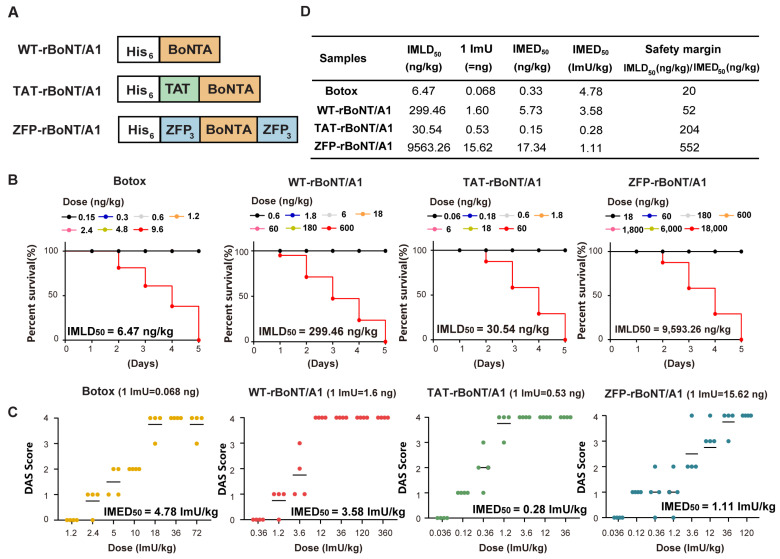 Figure 1
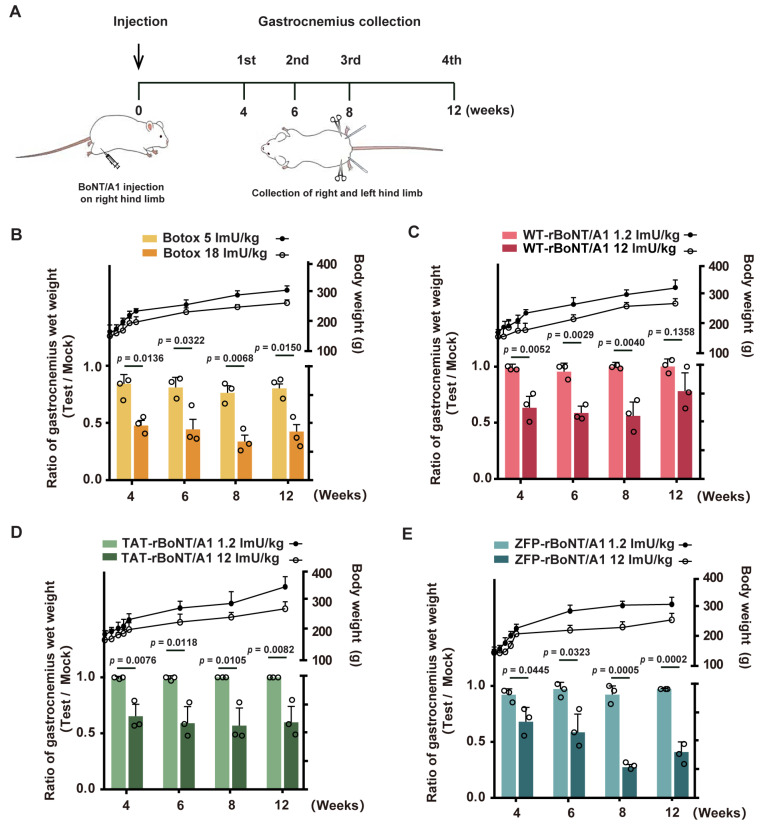 Figure 2
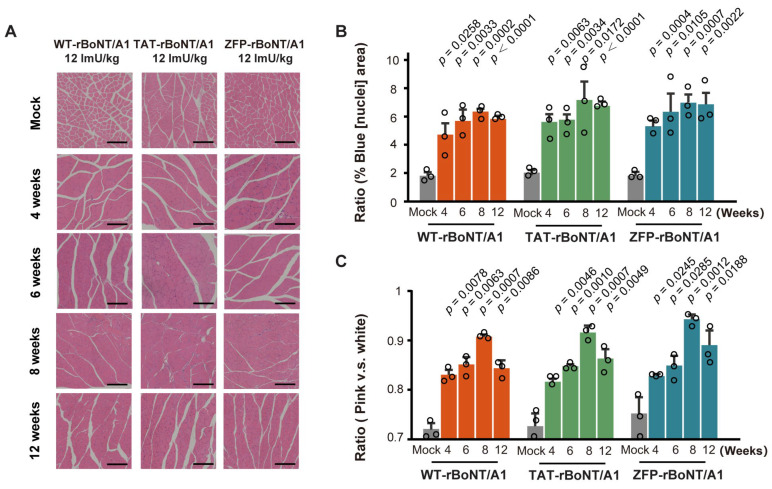 Figure 3
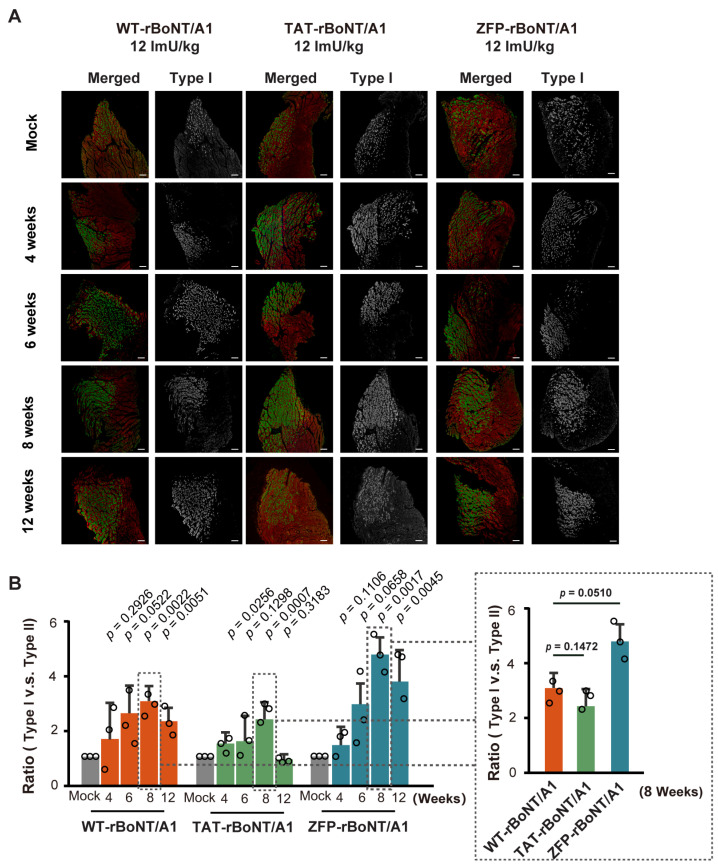 Figure 4
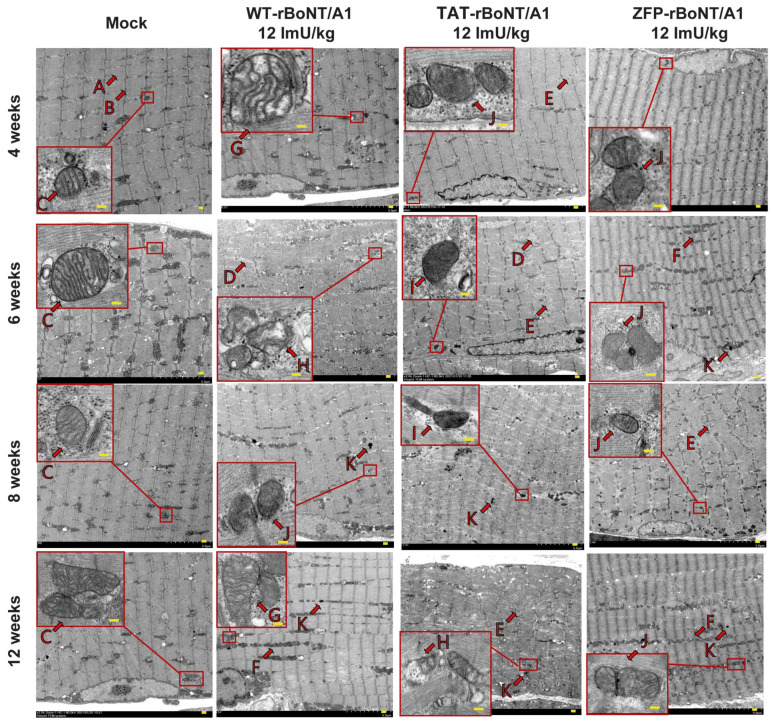 Figure 5
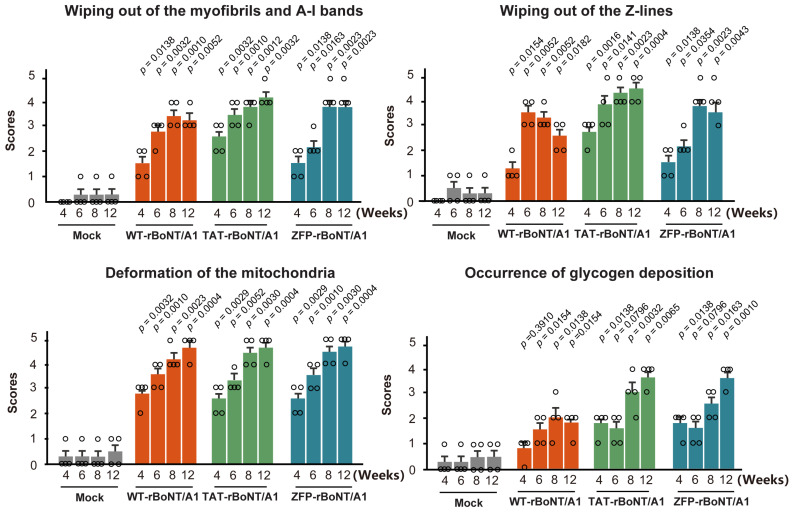 Figure 6
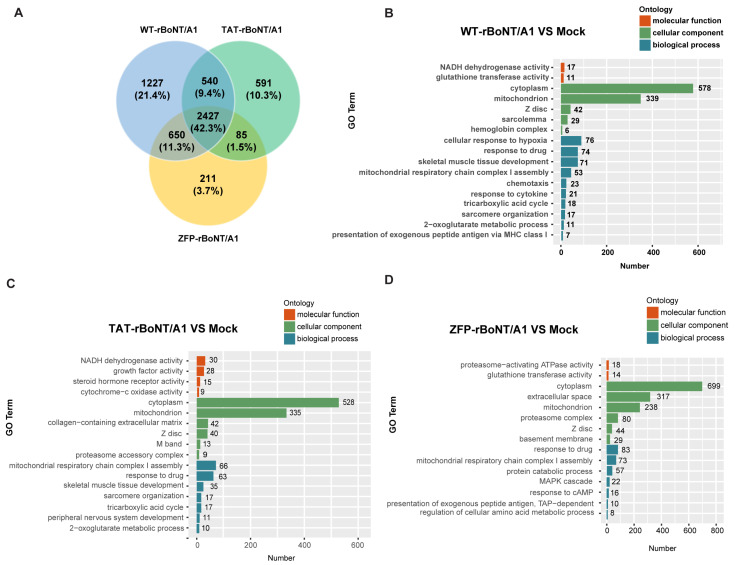 Figure 7
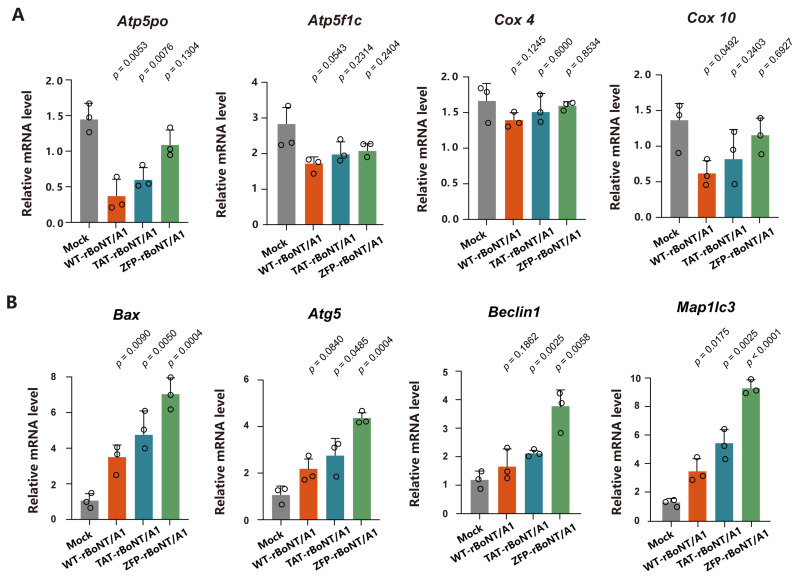 Figure 8
- —Science and Technology Commission of Shanghai Municipality
- —ShanghaiTech University startup fund
Peer Reviews
No public reviews on file for this paper yet. If you reviewed it on a platform where reviews are public (OpenReview, ICLR, NeurIPS, ICML), you can paste yours below so the community can read it here.
Videos
No videos yet. Explain this paper in a talk, walkthrough, or lecture? Add one.
Taxonomy
TopicsBotulinum Toxin and Related Neurological Disorders · Muscle Physiology and Disorders · Genetic Neurodegenerative Diseases
1. Introduction
Skeletal muscle accounts for approximately 40% of the total body mass and 50–75% of the body proteins in humans [1]. Morphological and functional changes in skeletal muscles can significantly affect one’s physical appearance and whole-body state [1,2]. Mitochondrial energy production and muscle fiber contraction are two decisive factors for the regulation of skeletal muscle functions [3,4,5,6]. Once this coordinated regulation mechanism is disrupted, the functions of skeletal muscle will become disordered [7,8,9,10].
In adults, muscle fibers can be classified into type I slow-twitch fibers and type II fast-twitch fibers based on their structural and functional difference [11,12]. The proportion of type I to type II fibers determines the overall contraction speed of skeletal muscle [13]. Muscle fiber contraction is dependent on ATP hydrolysis and energy supply. Type I muscle fibers exhibit a slow contraction speed and high fatigue resistance, which is accompanied by a slow, sustained and efficient energy supply through mitochondrial oxidative phosphorylation. By contrast, type II muscle fibers contract rapidly with lower fatigue resistance, which corresponds to a fast, transient and less efficient energy supply through glycolysis [14,15]. Thus, the contractile characteristics of muscle fibers largely rely on their inherent mitochondrial function patterns [16].
The dynamic shifts in mitochondrial biogenesis can lead to a number of physiological events, such as transitions between different respiratory states and cristae remodeling during mitophagy [17]. Mitophagy is a pivotal cellular process to selectively remove damaged mitochondria, and different muscle fiber types are known to bear distinct mitophagy processes. For instance, previous studies showed that, during periods of fasting, the microtubule-associated protein light chain 3 (LC3) II/I ratio is higher in type I fibers than in type II fibers [18]. Moreover, compared to glycolytic muscles, oxidative muscles have an elevated expression of the mitophagy-related Beclin-1 complex and Parkin in mice [19,20]. These results have established the correlation between the physiological states of muscle fibers and mitochondrial functions.
The size and shape of the gastrocnemius muscles are deemed as the predominant determinants of calf contour [21]. An invasive treatment of calf hypertrophy has been developed for aesthetic purposes, including liposuction, radiofrequency, gastrocnemius myotomy and peroneal neurectomy [22,23]. However, these invasive strategies are limited by the safety and efficiency associated with surgical procedures. For instance, because calves only have one layer of subcutaneous fat, liposuction typically has limited efficacy and poses the risk of skin irregularities postoperatively [24]. For radiofrequency treatment, although calf volume reduction can be achieved by frictional heating and radiofrequency-induced tissue coagulation, treatment-related fibrosis and disabling contractures have been reported [25]. Gastrocnemius myotomy and peroneal neurectomy typically require general anesthesia and a long recovery period, with the risk of serious complications such as postoperative hemorrhage, hematoma or paralysis [26,27,28].
In recent years, botulinum neurotoxin type A1 (BoNT/A1) has been highlighted as a common injection-based, non-surgical treatment of skeletal muscle hypertrophy, with a high level of patient satisfaction and minimal risk [29,30,31]. BoNT/A1 exerts its function by inhibiting the release of acetylcholine (ACh) from the presynaptic vesicle, which in turn blocks the neuromuscular connections and achieves a targeted paralysis of muscle fibers [32]. Nevertheless, most of the existing BoNT/A1 treatments of skeletal muscle hypertrophy are conducted in “off-label” clinical practice, including for the masseter [33], trapezius [34] and gastrocnemius [35]. One of the reasons for such a situation is the poorly established connection between the mechanism of action of BoNT/A1 and its clinical outcome in treating muscular hypertrophy. Interestingly, it is reported that BoNT/A1 injection is associated with the expression of genes related to mitochondrial biogenesis [36]. These observations raise an interesting direction of investigation on whether BoNT/A1-induced changes in muscles and mitochondria are related.
In a previous laboratory study, we showed that the genetic fusion of cell-penetrating peptides (CPP) such as TAT or zinc finger protein (ZFP) can enhance the cellular uptake of recombinant BoNT/A1 (rBoNT/A1) and improve its safety margin in mice [37,38]. In the present study, we evaluated the effects of unmodified wild-type, TAT-fused and ZFP-fused rBoNT/A1 (WT-rBoNT/A1, TAT-rBoNT/A1, ZFP-rBoNT/A1) on alleviating skeletal muscle hypertrophy in a normal rat-based hypertrophy model. The results showed that rBoNT/A1 treatment can re-shape skeletal muscles, with associated mitochondrial homeostasis.
2. Results
2.1. Characterization of the Systemic Toxicity and Potency of rBoNT/A1 in Rats
We designed WT-rBoNT/A1, TAT-rBoNT/A1, and ZFP-rBoNT/A1 constructs (Figure 1A) and purified the proteins to more than 95% homogeneity (Figure S1). To characterize the properties of each protein construct, we first determined their intramuscular median lethal dose (IMLD_50_) (Figure 1B) and intramuscular median effective dose (IMED_50_) in rats (Figure 1C). It has to be noted that Botox is a commercialized product comprising the fully formulated BoNT/A1 protein, accessary proteins and excipients [39], whereas all the home-made recombinant BoNT/A1 proteins were not formulated. Thus, comparing unformulated recombinant proteins to Botox is intrinsically limited. In the present study, the Botox group was included to justify the assays but not for comparison purposes. The effects of cell-penetrating peptides should be evaluated by comparing TAT-rBoNT/A1 or ZFP-rBoNT/A1 with WT-rBoNT/A1.
Compared to WT-rBoNT/A1, TAT-rBoNT/A1 exhibited an increased systemic toxicity in rats, with a lower IMLD_50_ value, whereas ZFP-rBoNT/A1 showed a notably reduced systemic toxicity, with a much higher IMLD_50_ value (Figure 1B). The intramuscular median effective dose (IMED_50_) was determined using a digit abduction score (DAS) assay [40]. The peak muscle-paralyzing effect of each sample was observed at day 2 after BoNT/A1 injection (Figure S2). For this and all the subsequent in vivo efficacy experiments, we used the intramuscular active units (ImU) of each protein, which was defined in mice in a previous study [38] as the dosing unit in rats. It was found that both TAT-BoNT/A1 and ZFP-rBoNT/A1 displayed an increased in vivo efficacy with lower IMED_50_ values (Figure 1C). Consistent with the previous results in mice [38], TAT- and ZFP-fusion could improve the safety margin of rBoNT/A1 protein in rats, as defined by the ratio of IMLD_50_ values over IMED_50_ values (Figure 1D).
2.2. Evaluation of the Effects of rBoNT/A1 on Rat Body Weight and Gastrocnemius Muscle Wet Weight
Next we evaluated the effects of each rBoNT/A1 protein on rat body weight and gastrocnemius muscle wet weight. The samples were intramuscularly injected into the gastrocnemius muscles on the right hind limb, and the body weight and gastrocnemius muscle wet weight of the right and left hind limb were recorded over a period of 12 weeks (Figure 2A). For each protein sample, we chose a low dose and a high dose for evaluation. For Botox, the low dose was selected as 5 ImU/kg, which exhibited a DAS value of 1 or more, while the high dose was selected as 18 ImU/kg, which exhibited a DAS value of 3 or more (Figure 1C). For recombinant BoNT/A1 proteins, a unified low dose of 1.2 ImU/kg and a unified high dose of 12 ImU/kg were selected for comparison purposes. In all cases, doses were selected following a consistent rationale that low doses guaranteed DAS values of 1 or more and high doses guaranteed DAS values of 3 or more.
During the monitored 12 weeks, all rBoNT/A1 proteins exhibited similar trends of body weight loss, with the lower dose leading to a body weight loss of 10% and the higher dose leading to a body weight loss between 15% and 25% (Figure 2B–E). In addition, rBoNT/A1-induced muscle paralysis was observed in all test groups starting from day 2 post-injection, including the inability to fully extend the hind paw and dragging of the hind limb while walking.
Gastrocnemius muscle tissues were harvested on Weeks 4, 6, 8 and 12 post-injection, respectively. No significant difference in tissue color, elasticity and texture was observed between the rBoNT/A1-treated side and the saline-treated side (Figure S3). The degree of gastrocnemius muscle atrophy was determined using the gastrocnemius muscle wet weight ratio for tests with the mock sides of the same individuals (Figure 2B–E). At all examined time points, rBoNT/A1 injection induced a significant decrease in muscle wet weight compared to the mock groups, and higher doses of rBoNT/A1 treatment led to significant higher degrees of atrophy (Figure 2B–E). Peak atrophy was observed at Week 8 post-injection, with the maximal gastrocnemius muscle wet weight loss of 64% for Botox, 44% for WT-rBoNT/A1, 45% for TAT-rBoNT/A1 and 73% for ZFP-rBoNT/A1, respectively, at higher doses (Figure 2B–E). A recovery of gastrocnemius muscle atrophy was observed at Week 12 post-injection. WT-rBoNT/A1 recovered from 56% to 77% of the mock, while ZFP-rBoNT/A1 recovered from 27% to 36% (Figure 2B–E). Importantly, BoNT/A1-induced body weight loss should be taken into consideration when determining the optimum dosages for muscle-reducing effects.
2.3. The Effects of rBoNT/A1 on Muscle Cell Morphology and Muscle Fiber Organization
The cross-sections of gastrocnemius muscles from both the rBoNT/A1 side and mock side were stained with hematoxylin and eosin (H&E). Muscle cells in the mock group presented a polygonal shape and were separated by ordered intercellular space (Figure 3A). In the test groups, the number of nuclei per unit area increased, reflecting a reduced cell size in response to rBoNT/A1 treatment (Figure 3B). Consistent with the condensed cell distribution, the rBoNT/A1 treatment led to a reduced intercellular space (Figure 3C). The changes are most notable at Week 8 after rBoNT/A1 treatment and recovered at Week 12.
2.4. The Chemodenervating Effects of rBoNT/A1 Treatment
Next, we conducted immunofluorescence staining to examine the fraction and changes in type I slow-twitch fibers and type II fast-twitch fibers in the treated gastrocnemius muscle tissues (Figure 4A). It was found that the rBoNT/A1 treatment resulted in an increased ratio of type I fibers over type II fibers, which reached peak values at Week 8 and recovered at Week 12 (Figure 4B). Importantly, ZFP-rBoNT/A1 resulted in a significantly higher ratio of type I fibers over type II fibers at Week 8 compared to the WT-rBoNT/A1 treatment (Figure 4B, insert).
2.5. Characterization of the Organelle Ultrastructures in Rat Gastrocnemius Muscle Cells
In order to understand the effects of rBoNT/A1 on muscle fibers at the cellular level, we characterized the organelle ultrastructures of treated gastrocnemius muscle cells using electron microscopy (EM). It was found that, in mock gastrocnemius muscle samples, the myofibrils are well aligned with clear A-I bands (Figure 5A) and Z lines (Figure 5B). Moreover, the mock groups showed intact mitochondria with an organized arrangement and no dissolution or degeneration of muscle fibers (Figure 5C). By contrast, rBoNT/A1 treatment led to dissolved or disrupted A-I bands (Figure 5D) and Z lines (Figure 5E). Importantly, an increased quantity (Figure 5F), swelling (Figure 5G) and vacuolation (Figure 5H) and deeper matrix staining (Figure 5I) of mitochondria were observed in BoNT/A1 treatment groups. A small fraction of fibers also showed disorganized or dissolved cristae in the mitochondria (Figure 5J) and focal glycogen accumulation (Figure 5K). The degree of degeneration of myofibrils and mitochondria and the alterations in glycogen deposition were also assessed using a semi-quantitative scoring system [41]. The results showed that, with a few exceptions, the magnitude of alterations in myofibrils, mitochondria and glycogen continuously increased until Week 8, where a plateau was reached (Figure 6).
2.6. Transcriptomic Analysis of the Effects of rBoNT/A1 Treatment in Gastrocnemius Muscles
Prior to identifying differentially expressed genes, we first assessed the global quality of our RNA-seq dataset. The pairwise correlation heat map of all samples revealed a clear and robust clustering pattern. The three biological replicates within each experimental group exhibited exceptionally high correlation coefficients, demonstrating an outstanding experimental reproducibility (Figure S4A). The log_10_-transformed RPKM values of all samples showed consistent distribution patterns, with overlapping interquartile ranges and similar median values across groups (Figure S4B). This result confirmed that there was no systematic technical bias in the library construction or sequencing, and the data were suitable for the subsequent differential expression analysis.
To understand the effects of rBoNT/A1 on gastrocnemius muscles at the molecular levels, we performed RNA-seq analysis on rBoNT/A1-treated tissue samples. For all three proteins, approximately 1000 genes were up-regulated and between 1100 and 1500 genes were down-regulated (Figure S5). The Venn diagram analysis of differentially expressed genes (DEGs) revealed a significant quantity of overlapped genes across the three groups, accounting for 52.3% (2527 DEGs) in the union set (Figure 7A).
As expected, the Gene Ontology (GO) of enriched DEGs consistently highlighted the mitochondrion as one of the top GO terms in the affected cellular component for all the three rBoNT/A1 proteins (Figure 7B–D). Consistently, mitochondrial respiratory chain complex I assembly was shown to be one of the most affected biological processes (Figure 7B–D). Furthermore, the Kyoto Encyclopedia of Genes and Genomes (KEGG) analysis revealed a significant enrichment in metabolic pathways (Figure S6A–C). These results collectively provided evidence at the molecular level for rBoNT/A1 treatment- and muscle atrophy-associated changes in mitochondria.
2.7. Validation of Mitochondrial Biogenesis and Mitophagy-Related DEGs
Next we sought to validate mitochondrial biogenesis and mitophagy-related DEGs using reverse transcription quantitative PCR (RT-qPCR). Atp5po, Atp5f1c, Cox4 and Cox10 were selected as mitochondrial biogenesis markers. Atp5po, which encodes an ATP synthase protein that is closely related to oxidative phosphorylation and proton transmembrane transport [42,43], was significantly reduced in the WT-rBoNT/A1 and TAT-rBoNT/A1 groups, but not in ZFP-rBoNT/A1 (Figure 8A,B). COX is the primary site of cellular oxygen consumption and is essential for aerobic energy generation in the form of ATP [44,45]. The results showed that all rBoNT/A1 treatment significantly reduced the expression Cox10, but not Cox4 (Figure 8A). For mitophagy-related genes [46], WT-rBoNT/A1, TAT-rBoNT/A1 and ZFP-rBoNT/A1 treatment significantly increased the expression of Bax, Atg5, Beclin1, and Map1lc3 with a few exceptions, with ZFP-rBoNT/A1 exhibiting the greatest changes (Figure 8B). Therefore, these results supported the effects of rBoNT/A1 on mitochondrial biogenesis and mitophagy.
3. Discussion
Neurotomy has been conventionally used to treat skeletal muscle hypertrophy [47]. Due to the complexity of the medical procedures, motor and sensory fibers might be removed or damaged during neurotomy, leading to unexpected infection, delayed wound healing, sensory disturbances and neuropathic pain [48]. In addition, due to the destructive nature of neurotomy, certain types of associated damage are irreversible, leading to severe adverse effects such as deformity [49,50]. Since 1989, BoNT/A1 has been approved for treating neuromuscular disorders in both therapeutic and cosmetic fields [51]. In clinical practice, BoNT/A1 treatment can be facilitated by electromyography, electrostimulation and ultrasound guidance [52,53]. This advantage largely expands the spectrum of BoNT/A1-accessible muscle groups, including those associated with skeletal muscle hypertrophy [54,55]. Clinical studies show that the adverse effects of BoNT/A1 are usually non-serious, with occurrence ranging from 2% to 9% [56,57,58]. Specifically, for skeletal muscle hypertrophy, BoNT/A1 seems to have a lower incidence of adverse events than neurotomy [59,60].
Mechanistically, BoNT/A1 blocks the release of acetylcholine, a neurotransmitter and muscle trophic factor [61], from the pre-synaptic nerve endings, thereby resulting in a dose-dependent muscle chemodenervation [62,63] during muscle hypertrophy treatment. Additionally, BoNT/A1 treatment is reversible, and repeated injections are required every 3 to 5 months. The flexible dosing and reversible natures of BoNT/A1 therapy provide the opportunity of exploring optimum, personalized strategies for muscle hypertrophy treatment.
In a previous study, we showed that recombinant BoNT/A1 with a CPP fusion had an improved cellular uptake and increased safety margin in mice [37,38]. In the present study, it was found that TAT- and ZFP-fusion consistently improved the safety margin of rBoNT/A1 in rats (Figure 1). Importantly, ZFP-rBoNT/A1 seemed to result in greater changes than unmodified rBoNT/A1 in muscle weight, fiber morphology and fiber constitution (Figure 2, Figure 3, Figure 4 and Figure 5). These results suggested that ZFP fusion may enhance the in vivo potency of rBoNT/A1. For translational purposes, it is also necessary to evaluate the distribution and long-term toxicity of ZFP-rBoNT/A1 in further studies.
One interesting question with BoNT/A1-based muscle hypertrophy treatment is the effects of BoNT/A1-induced synaptic remodeling [64,65] on muscle composition and function. Previous studies have suggested that BoNT/A1 treatment does not cause fiber type-specific alternations and that targeted muscle groups can gain full recovery [66,67,68]. In the present study, it was found that the ratio of type I fibers over type II fibers increased until 8 weeks post-rBoNT/A1 treatment and then gradually decreased (Figure 4B). Due to the limitation of the time course, it could not be concluded whether the fiber composition could be fully restored following sufficient recovery time. Previous studies interpreted the changes in fiber composition as the different re-innervation rates between type I and type II fibers instead of different denervation rates [69], that is, the more rapid and robust re-innervation in type I fibers.
Although several previous studies described the effects of BoNT/A1 on cellular ultrastructures [70,71,72], the association between BoNT/A1-induced chemodenervation and changes in muscle morphology have not been fully understood. Our results showed that rBoNT/A1 treatment resulted in major changes in muscle fiber morphology, mitochondrial aberrations and glycogen deposition (Figure 5 and Figure 6). It is well established that disturbed mitochondrial homeostasis can cause aberrant metabolism [73] and oxygen consumption [74]. It is thus likely that BoNT/A1-induced chemodenervation disrupted mitochondrial homeostasis in muscle fiber cells, which in turn led to alternations in muscle morphology due to aberrant metabolism and oxygen consumption. Supporting this notion, transcriptomic analyses showed that rBoNT/A1 treatment caused significant changes in mitochondrial biogenesis and mitophagy (Figure 7 and Figure 8). These results were consistent with the previous analyses of the effects of rBoNT/A1 on gene expression in muscle tissues [36,46]. More importantly, TAT and ZFP fusion appeared to enhance the effects of rBoNT/A1 on mitophagy (Figure 8B).
One limitation of the present study is the lack of elucidation of the detailed molecular mechanism of rBoNT/A1 on reducing muscular hypertrophy. First, although BoNT/A1-induced muscle atrophy was observed, the mechanical properties of muscles have not been characterized. Second, the nature of BoNT/A1-induced changes in the ratio of type I fibers over type II fibers has not been characterized. It is unclear whether BoNT/A1 can cause type-switching between muscle fibers, or whether the changes reflect differential denervation and reinnervation dynamics or a differential metabolic remodeling of different fiber types. Additionally, the casual link between BoNT/A1 treatment and associated mitochondrial disorders has not been illustrated. It is likely that the observed changes in mitochondrial morphology were attributed to a non-specific stress response. In further studies, a functional analysis of BoNT/A1-induced changes in mitochondrial homeostasis should be conducted to confirm physiological relevance. Conventionally, BoNT/A1 is deemed as a blocking agent of neurotransmitter molecules. However, recent studies have shown that BoNT/A1 can exert diverse functions via a variety of distinct mechanisms, including recruiting immune cells [75,76,77]. It would thus be very interesting to investigate in the future how the same BoNT/A1 molecule achieves different mechanisms under different complications, and whether and how these signaling or acting pathways can have crosstalk.
Another limitation is the rat-based muscle hypertrophy model. In the present study, vehicle and BoNT/A1 proteins were directly injected into the gastrocnemius muscles of normal rats without hypertrophy induction via load or exercise. Additionally, only female rats were analyzed. Another important consideration of animal models is the difference in walking postures between animals and humans, since most animal models such as rats are quadrupedal instead of bipedal. The difference in walking posture may cause a difference in the performance of BoNT/A1 between animals and humans. It also has to be noted that, in clinical practice, BoNT/A1 treatment for calf reduction is not only important for aesthetic applications but also important for therapeutic applications which are, in many cases, related to neurological complications.
In addition, as the recombinant BoNT/A1 protein agents are not formulated, cautions should be taken when comparing the results of WT- or CPP-rBoNT/A1 with those of formulated Botox. Although our previous study [38] and the present study have shown that CPPs can enhance the cellular uptake and local activity of BoNT/A1, it remains unclear how CPPs affect the diffusion of injected BoNT/A1 proteins, which is critical for the clinical practice of using BoNT/A1 in treating calf hypertrophy. For translational purposes, it is important to evaluate how CPPs’ formulation or injection strategy, including volumes and sites, can affect the diffusion dynamics of BoNT/A1.
In summary, our study investigated the effects of CPP fusion on rBoNT/A1 for alleviating skeletal muscle hypertrophy in rats. The results suggested that ZFP-rBoNT/A1 had a higher in vivo potency than WT-rBoNT/A1 in terms of induced muscle atrophy, alternations in fiber compositions and mitochondrial homeostasis. Our study has also provided proof-of-concept data that rBoNT/A1-induced chemodenervation and perturbed muscle morphology are associated with mitochondrial alterations.
4. Materials and Methods
4.1. Materials and Reagents
The marketed botulinum neurotoxin type A Botox (Allergan, Inc. Irvine, CA, USA) was used as a positive control for the assays, with a conversion between units and mass of one unit equal to 0.05 ng, as specified by the manufacturer [40]. Xylene, neutral gum, anhydrous ethanol, and other biochemical reagents were obtained from Sinopharm Chemical Reagent Co., Ltd. (Ningbo, China).
4.2. Experimental Animals
All experiments were conducted in accordance with the guidelines of the American Association for the Accreditation of Laboratory Animal Care (AAALAC). Experimental animals were supplied by Shanghai Model Organisms Center, Inc. The study was conducted in strict accordance with the principles of the 3Rs (Replacement, Reduction, and Refinement) and followed the relevant regulations of Animal Care and Use Committee, Shanghai Model Organisms Center, Inc. (IACUC No: 20210930002, date of approval 30 September 2021). All groups of experimental animals were housed under the same conditions and environment, with all rats in good health throughout the experiment.
Clean adult female SD (Sprague Dawley) rats (150–200 g, Shanghai Model Organisms Center, Shanghai, China) were housed in pairs in cages, maintained at 22–26 °C, with a 12 h light/dark cycle (from 7 a.m.to 7 p.m.) with ad libitum access to food and water. All animals underwent a 7-day acclimation period under standard laboratory conditions, during which individuals exhibiting abnormal behavioral patterns or health status were excluded. Animals were randomly divided into test and control groups (saline, n = 4 per group) to ensure no significant difference in initial body weight and age between groups. Throughout the experiment, the health status and behavior of the rats were observed and recorded daily.
Animal welfare was prioritized throughout the study. A predefined humane endpoint scoring system was implemented, including criteria such as severely reduced mobility or signs of severe distress. Any animal reaching these criteria was immediately euthanized via CO_2_ inhalation and excluded from the final analysis.
4.3. Injection Procedure
Each rat received an intramuscular injection of gradient-diluted drugs into the head of the right gastrocnemius muscle. Alcohol (75%) was used to disinfect the skin of the rats. After the evaporation of alcohol, the drugs were injected into gastrocnemius using a 1 mL syringe. For each experimental group, at least three rats were injected per dose.
4.4. Digit Abduction Score (DAS)
The DAS assay was used to determine the muscle weakening activity of rBoNT/A1 [40]. Briefly, rats were suspended by their tails to elicit a characteristic startling response, leading to the extension of their hind limbs and the abduction of their hind digits. Following rBoNT/A1 injection, the degree of digit abduction was scored on a five-point scale by two independent observers in a blinded manner (observers unaware of group allocation), with higher scores indicating greater muscle-weakening effects [78]. The peak DAS response at each dosage, typically observed on day 2 or 3 post-injection, was fitted into linear regression equations for calculations of the half effective dose by intramuscular injection (IMED_50_). The IMED_50_ value was defined as the dosage at which half of the rats produced a DAS value of 2. In the meantime, the walking state of rats was recorded.
4.5. Safety Margin
The half lethal dose by intramuscular injection (IMLD_50_) was defined as the dose at which half of the rats died following treatment. The end point of monitoring was set at day 5, after which no further deaths occurred. This lethality represents the systemic effects of rBoNT/A1, reflecting the neurotoxin escape from the muscle and its circulation throughout the body. The intramuscular safety margin, or therapeutic index, of each sample was defined as the ratio of IMLD_50_ over IMED_50_.
4.6. Muscle Sample Collection and Wet Weight Measurement
At the specified time points, rats from each experimental group were euthanized using chemical methods. The bilateral gastrocnemius muscles were promptly dissected to ensure the removal of any adhering adipose and connective tissues. The wet weight of these muscles was then measured using an analytical balance. All measurements were performed in a blinded manner (operator unaware of group allocation), with three biological replicates per group.
4.7. Frozen Section Preparation and Hematoxylin–Eosin Staining
From the medial head of the gastrocnemius muscle, muscle tissue pieces approximately 0.5 cm × 0.5 cm × 0.5 cm in size were excised along the direction of the muscle fibers. The separated muscles were placed in phosphate-buffered saline (PBS) solution and then dehydrated in a 30% sucrose solution and settled at 5 °C. The desired tissue area was trimmed with a scalpel and then positioned on a sample holder. The tissue was immersed in OCT embedding medium (Sakura, Torrance, CA, USA, Cat. No. 5583). Once the samples were whitened and hardened, the sectioning process was carried out (Thermo, Waltham, MA, USA). Sections of 8–10 μm thickness were obtained, pasted on slides, and stored at −20 °C. Fixed frozen sections of the samples were stained through the hematoxylin–eosin method for structural observation and morphometric analysis. Examination was conducted under a microscope from Nikon, Japan, followed by image capture and analysis. Quantitative analysis of muscle fibers was performed on at least three non-overlapping fields of view per muscle sample from each animal. All histological assessments were conducted under blinded conditions with respect to group allocation.
4.8. Paraffin Section Preparation and Homologous Double Labeling of Immunofluorescence
The separated tissue samples were processed with paraffin sectioning following standard protocols. Briefly, the samples were placed in the fixative for more than 25 h, dehydrated through a graded alcohol series, cleared in xylene, and then embedded in paraffin. Sections of 5 μm thickness were cut on a microtome (Leica, Shanghai, China), mounted on slides and stored at room temperature. For homologous double labeling immunofluorescence, sections were deparaffinized and rehydrated, and antigen retrieval was performed using a microwave in the EDTA antigen repair buffer (pH 8.0). Endogenous peroxidase was blocked with 3% hydrogen peroxide solution for 25 min at room temperature, and nonspecific binding was blocked with Bovine Serum Albumin (BSA, Solarbio Life Sciences, Beijing, China) for 30 min at room temperature. The sections were incubated with Rabbit anti-fast myosin antibody (primary antibody, Abcam, Cambridge, UK, Cat. No. ab91506) overnight at 5 °C, followed by incubation with Cy3-goat anti-rabbit secondary antibody (secondary antibody, Servicebio, Wuhan, China, Cat. No. G1223) for 50 min at room temperature. Antigen retrieval was performed according to the above method. The sections were incubated with mouse anti-slow myosin primary antibody (Abcam, Cat. No. Ab11083) overnight at 5 °C, followed by incubation with Alexa588 goat anti-mouse secondary antibody (secondary antibody, Servicebio, Cat. No. G1231) for 50 min at room temperature. After staining the cell nuclei with DAPI for 10 min, an anti-fluorescence quenching agent was applied before sealing the slides. Examination was conducted under a fluorescence microscope (Nikon, Japan) to compare the distribution of muscle fiber types, followed by image capture and analysis. Quantitative analysis was performed with three biological replicates per group, and three non-overlapping random fields (200× magnification) were selected per section. All quantitative analyses were performed in a blinded manner to avoid observer bias.
4.9. Transmission Electron Microscopy
Fresh gastrocnemius muscle tissues were taken and cut into small pieces of 1 mm × 1 mm × 1 mm in fixative for 2 min. The samples were then transferred to an Eppendorf tube containing fixative for further fixation and stored at 5 °C. After rinsing with phosphate buffer, tissues were postfixed with 1% oleic acid in sodium phosphate buffer. Dehydration was accomplished by gradual ethanol series, and tissues were embedded in epoxy resin. The paraffin blocks were cut into ultra-thin sections of 60–80 nm using an ultramicrotome (Leica EM UC7, Wetzlar, Germany) and stained with uranyl acetate and lead citrate. All sections were then viewed and photographed with a transmission electron microscope (Hitachi HT7700, Shanghai, China). To ensure the comprehensive evaluation of mitochondrial morphology, multiple distinct regions of gastrocnemius muscle fibers were analyzed per animal. Three non-overlapping representative fields (15,000× magnification) were randomly selected from different muscle fiber regions. Morphological parameters of mitochondria (e.g., swelling, vacuolation, cristae integrity) were evaluated using a semi-quantitative scoring system [41], with no observed degeneration scoring 0 and significant degeneration scoring 5 (0 = no degeneration; 1 = mild; 2 = moderate; 3 = severe; 4 = extensive; 5 = complete degeneration). All TEM analyses were performed in a blinded manner for group allocation.
4.10. Identification and Functional Annotation of Differentially Expressed Genes (DEGs)
Total RNA was extracted from the injection side of rat gastrocnemius muscle using Trizol (TaKaRa, Dalian, China) following the instructions. All samples underwent RNA extraction, library construction and sequencing in the same batch to minimize batch effects. Three biological triplicates were prepared for each group. Library construction and RNA-Seq were conducted, and high-throughput sequencing was performed on the Illumina DNBSEQ platform (BGI, Shenzhen, China). Following the manufacturer’s instructions, the mRNA library preparation included RNA sample quality inspection, library construction, library purification, library validation, library quantification, generation of sequencing clusters, and on-machine sequencing.
The sequencing data was filtered with SOAPnuke (v2.2.1) [79], and the clean reads of each gene were mapped to the reference genome (GRCm38) using HISAT2 (v2.2.1) [80] and Bowtie2 (v2.5.5) [81]. To evaluate the overall quality of the sequencing data and the reproducibility among biological replicates, pairwise Pearson correlation coefficients were calculated based on the normalized gene expression values across all samples. Gene expression levels were quantified as Reads Per Kilobase of transcript per Million mapped reads (RPKM) to normalize the quality of the sequencing data and the reproducibility. rBoNT/A1-related gene up-regulation and down-regulation were calculated, and differentially expressed genes (DEGs) were defined as genes with significant expression changes between the control and gastrocnemius injection groups. DEGs were identified using DESeq2 (v1.35.0) [82] with a complementary threshold strategy: the primary criterion was false discovery rate (FDR) < 0.001, and a supplementary filter of unadjusted p < 0.05 was applied to genes with known functional relevance to mitochondrial biogenesis or mitophagy to avoid missing biologically meaningful candidates. To gain insight into the change in phenotype, Gene Ontology (GO) and Kyoto Encyclopedia of Genes and Genomes (KEGG) pathway enrichment analyses were conducted using hypergeometric distribution tests, with p values of less than 0.05 set as significant enrichment.
4.11. RNA Extraction and Real-Time Quantitative Reverse-Transcription Polymerase Chain Reaction (RT-PCR)
To confirm the results of the transcriptome sequencing, several significant mRNAs were validated using RT-qPCR, using Gapdh as the internal reference gene. Total RNA was extracted as described above, and all experiments were conducted with n = 3 biological replicates (matching the RNA-seq sample size). The sample RNA was reverse transcribed into complementary DNA (cDNA) using PrimeScript RT reagent Kit with gDNA Eraser (Takara, Kyoto, Japan) according to the manufacturer’s instruction. The primer sequences were synthesized by Beijing Tsingke Biotech Co., Ltd., Beijing, China, and listed in (Table S2). The cDNA was applied to perform the real-time quantitative RT-PCR according to the instructions of the TB Green Kit (Takara, Kyoto, Japan). The expression levels of eight DEGs were detected. Relative quantification of gene expression was performed using the 2^−∆∆Ct^ method. All RT-qPCR assays were performed in a blinded manner to group allocation with three technical replicates.
4.12. Statistics and Reproducibility
All data were the results from at least three biological replicates and were shown as mean ± standard deviation unless noted otherwise. Statistical analyses and graphing were performed with GraphPad Prism 7.0. The p values were determined using two-tailed unpaired Student’s t-test unless otherwise noted.
The reference list from the paper itself. Each links out to its DOI / PubMed record.
- 1Frontera W.R. Ochala J. Skeletal muscle: A brief review of structure and function Calcif. Tissue Int.20159618319510.1007/s 00223-014-9915-y 25294644 · doi ↗ · pubmed ↗
- 2Kubat G.B. Bouhamida E. Ulger O. Turkel I. Pedriali G. Ramaccini D. Ekinci O. Ozerklig B. Atalay O. Patergnani S. Mitochondrial dysfunction and skeletal muscle atrophy: Causes, mechanisms, and treatment strategies Mitochondrion 202372335810.1016/j.mito.2023.07.00337451353 · doi ↗ · pubmed ↗
- 3Yan Z. Okutsu M. Akhtar Y.N. Lira V.A. Regulation of exercise-induced fiber type transformation, mitochondrial biogenesis, and angiogenesis in skeletal muscle J. Appl. Physiol.201111026427410.1152/japplphysiol.00993.201021030673 PMC 3253006 · doi ↗ · pubmed ↗
- 4Bouviere J. Fortunato R.S. Dupuy C. Werneck-De-Castro J.P. Carvalho D.P. Louzada R.A. Exercise-stimulated ROS sensitive signaling pathways in skeletal muscle Antioxidants 20211053710.3390/antiox 1004053733808211 PMC 8066165 · doi ↗ · pubmed ↗
- 5Halling J.F. Pilegaard H. PGC-1α-mediated regulation of mitochondrial function and physiological implications Appl. Physiol. Nutr. Metab.20204592793610.1139/apnm-2020-000532516539 · doi ↗ · pubmed ↗
- 6Chen M.M. Li Y. Deng S.L. Zhao Y. Lian Z.X. Yu K. Mitochondrial function and reactive oxygen/nitrogen species in skeletal muscle Front. Cell Dev. Biol.20221082698110.3389/fcell.2022.82698135265618 PMC 8898899 · doi ↗ · pubmed ↗
- 7Slavin M.B. Memme J.M. Oliveira A.N. Moradi N. Hood D.A. Regulatory networks coordinating mitochondrial quality control in skeletal muscle Am. J. Physiol. Cell Physiol.2022322 C 913C 92610.1152/ajpcell.00065.202235353634 · doi ↗ · pubmed ↗
- 8Dong H. Tsai S.Y. Mitochondrial properties in skeletal muscle fiber Cells 202312218310.3390/cells 1217218337681915 PMC 10486962 · doi ↗ · pubmed ↗