Research on the Four-Component Borehole Strain Response to Rock Fracture
Yifan Li, Yongxing Shen, Zengchao Feng

TL;DR
This study uses numerical simulations to analyze how four-component borehole strain responds to rock fractures, helping improve rock engineering stability.
Contribution
The study introduces three strain response indices to quantitatively characterize rock fracture events using four-component borehole strain data.
Findings
The areal strain index remains constant with FCBSG installation angles, while shear strain indices show complementary variation trends.
Strain indices decrease with increasing distance between the borehole and fracture zone, following a power-law function.
Combined use of strain indices improves the reflection of rock fracture events, with an average detection range of 60.7 meters.
Abstract
Rock fracture monitoring is crucial for the stability of rock engineering. Based on the four-component borehole strain (FCBS) theory, this study analyzes the response characteristics of FCBS through numerical simulations of large-scale local rock fracture. Drawing on linear elastic mechanics theory and combined with the Gaussian white noise model, three strain response indices (areal strain index pja and shear strain indices pj13, pj24) are proposed to quantitatively characterize rock fracture events. A criterion is defined that if any of these indices is greater than 1, the rock fracture event can be reflected, and the larger the index, the better the effect of this index in reflecting rock fracture. The effects of the installation angle of the four-component borehole strain gauge (FCBSG), the distance between the borehole and the fracture zone, and the orientation of the borehole on…
Genes, proteins, chemicals, diseases, species, mutations and cell lines named across the full text — each resolved to its canonical identifier and authoritative record.
Click any figure to enlarge with its caption.
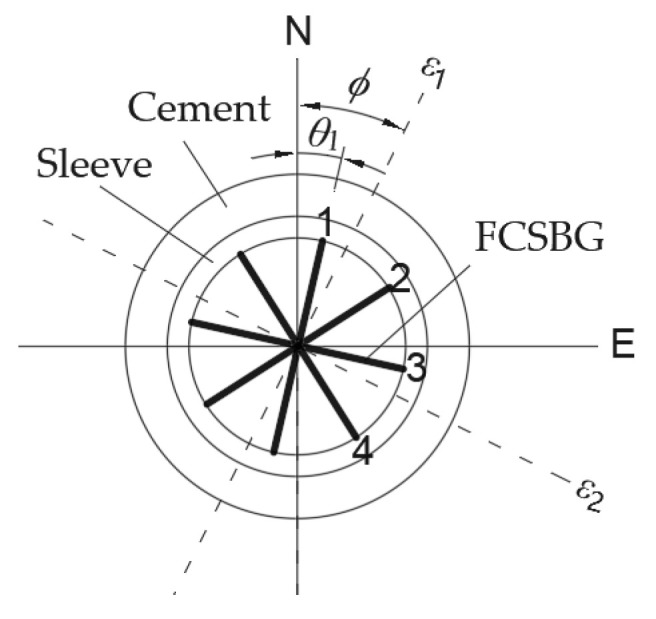 Figure 1
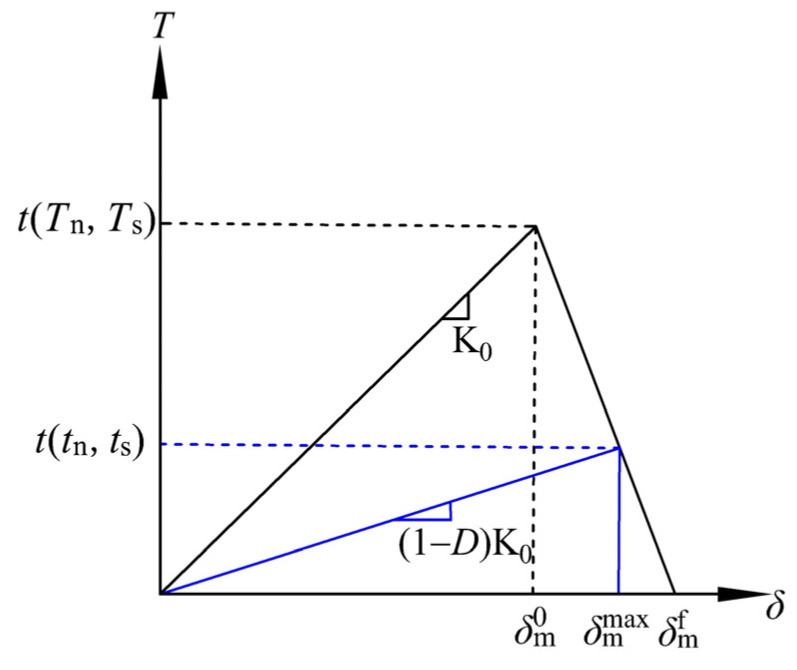 Figure 2
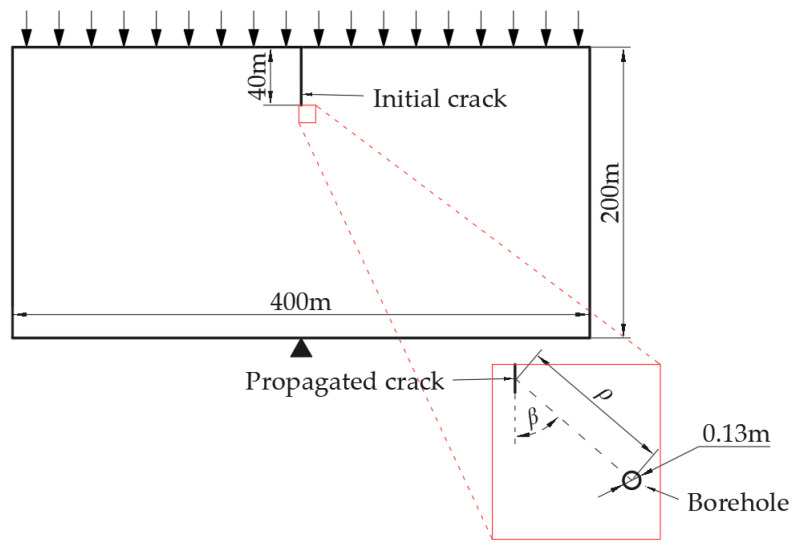 Figure 3
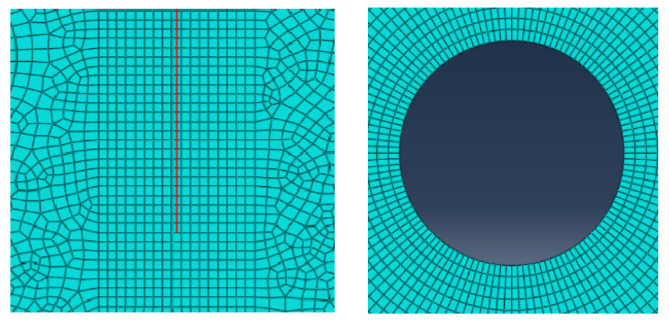 Figure 4
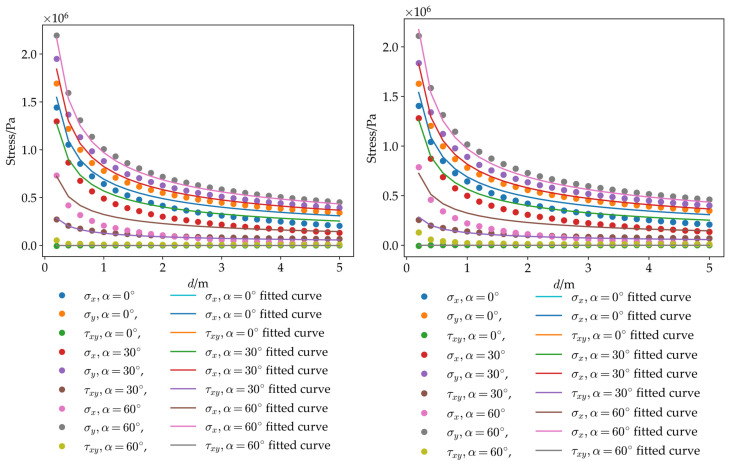 Figure 5
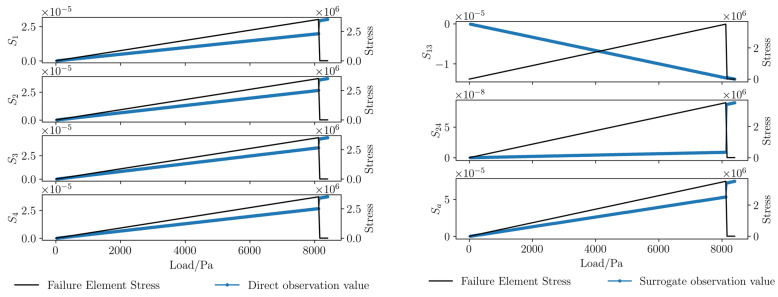 Figure 6
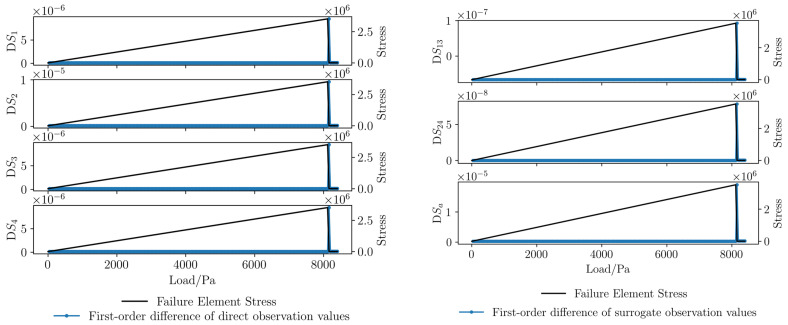 Figure 7
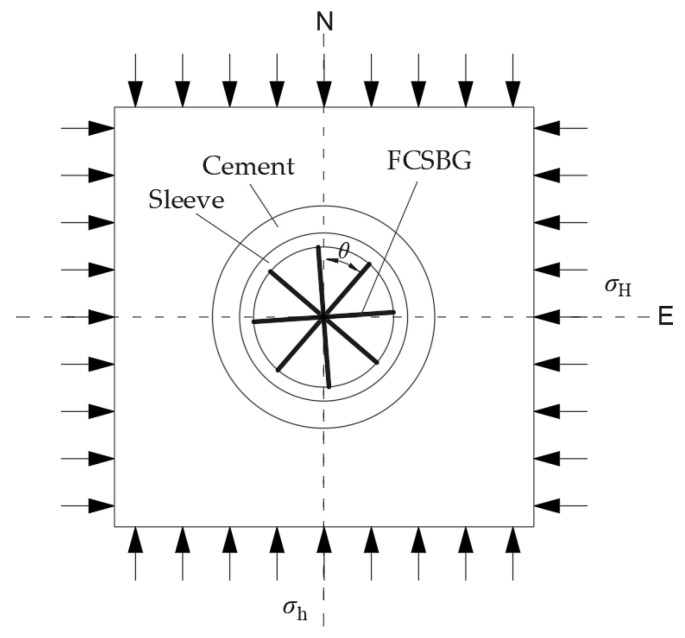 Figure 8
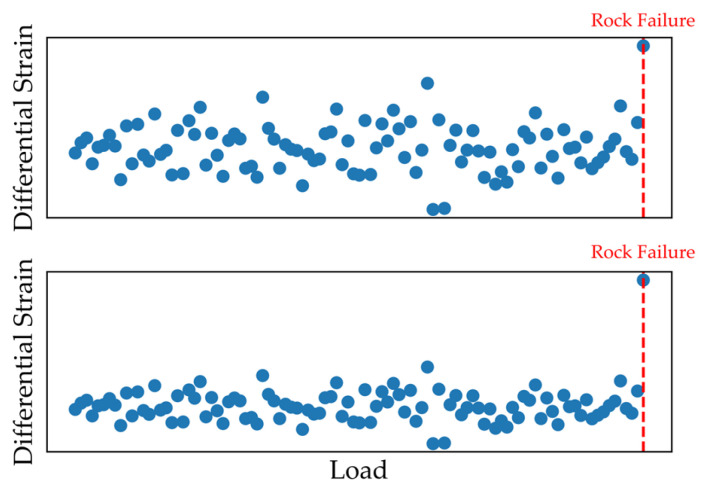 Figure 9
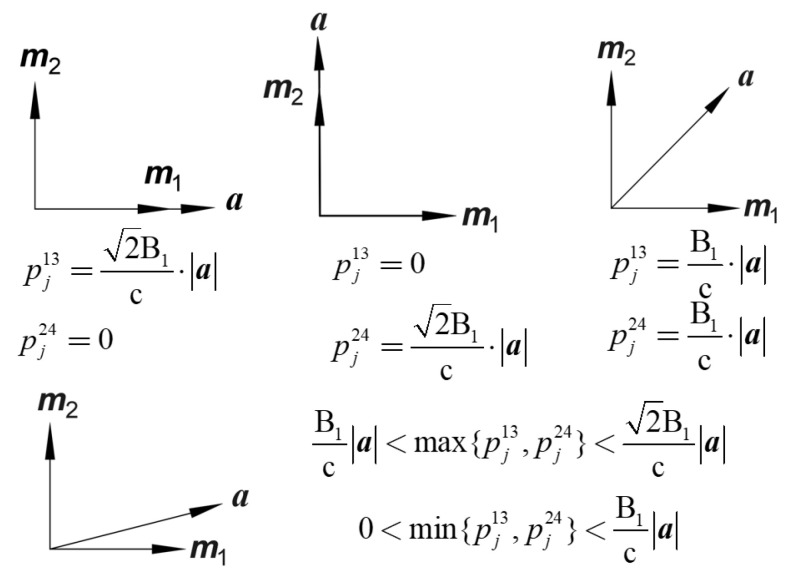 Figure 10
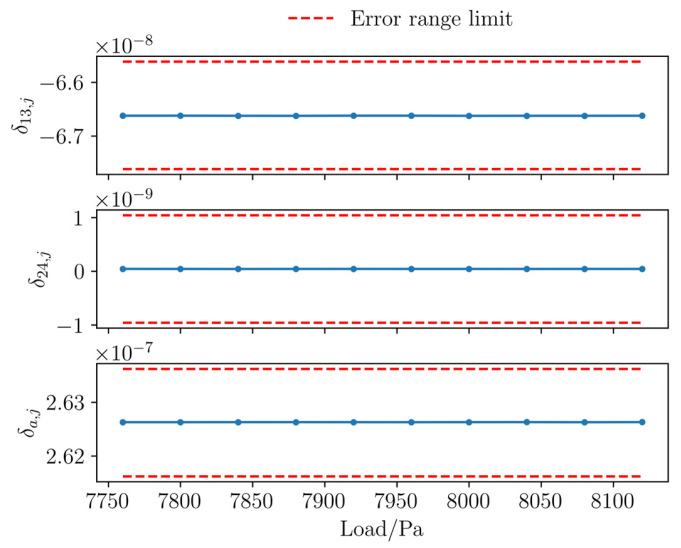 Figure 11
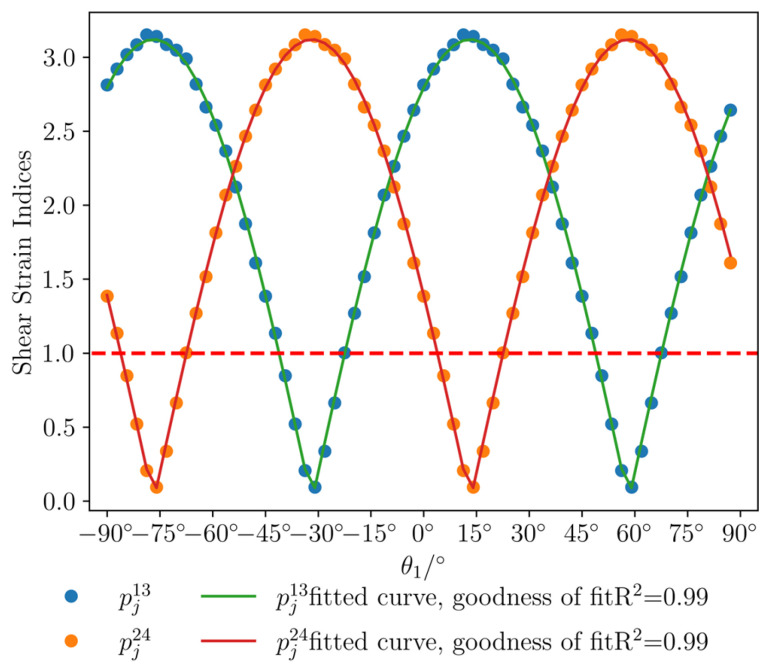 Figure 12
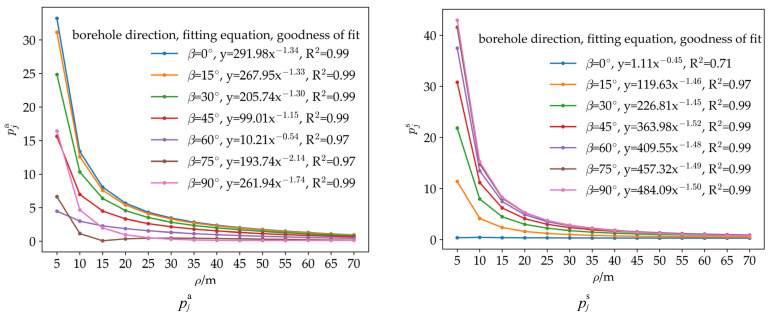 Figure 13
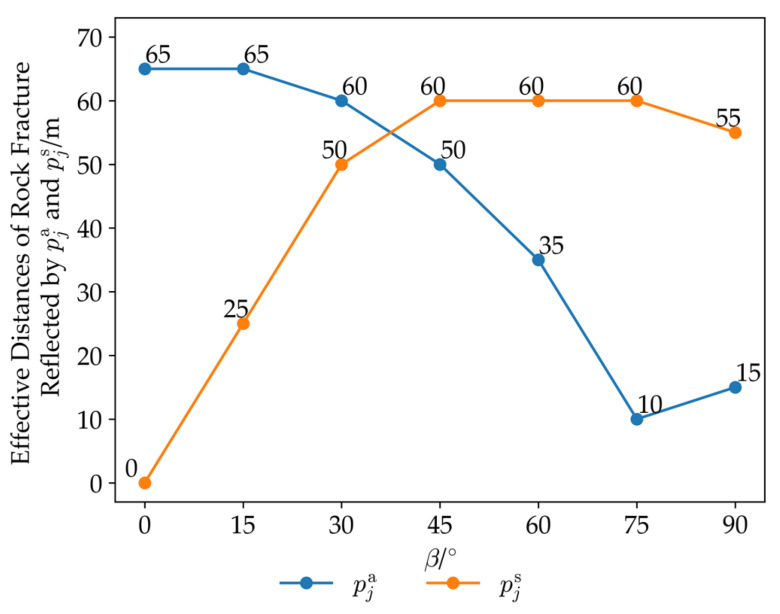 Figure 14
Peer Reviews
No public reviews on file for this paper yet. If you reviewed it on a platform where reviews are public (OpenReview, ICLR, NeurIPS, ICML), you can paste yours below so the community can read it here.
Videos
No videos yet. Explain this paper in a talk, walkthrough, or lecture? Add one.
Taxonomy
TopicsRock Mechanics and Modeling · earthquake and tectonic studies · Groundwater flow and contamination studies