Federated Learning in Edge Computing: Vulnerabilities, Attacks, and Defenses—A Survey
Sahar Alhawas, Murad A. Rassam

TL;DR
This survey explores security issues in federated learning when used with edge computing, highlighting vulnerabilities and potential defenses.
Contribution
The paper provides a comprehensive review of vulnerabilities, attacks, and defenses in federated learning within edge computing environments.
Findings
FL in EC faces vulnerabilities like data poisoning and backdoor attacks due to decentralized and heterogeneous systems.
Existing defenses include robust aggregation and differential privacy, but scalability and energy efficiency remain challenges.
Open research areas include improving resilience to device heterogeneity and ensuring secure, real-time operations.
Abstract
Federated Learning (FL), a distributed machine learning framework, enables collaborative model training across multiple devices without sharing raw data, thereby preserving privacy and reducing communication costs. When combined with Edge Computing (EC), FL brings computations closer to data sources, enabling low-latency, real-time decision-making in resource-constrained environments. However, this decentralization introduces several vulnerabilities, including data poisoning, backdoor attacks, inference leaks, and Byzantine behaviors, which are worsened by the heterogeneity of edge devices and their intermittent connectivity. This survey presents a comprehensive review of the intersection of FL and EC, focusing on vulnerabilities, attack vectors, and defense mechanisms. We analyze existing methods for robust aggregation, anomaly detection, differential privacy, and secure aggregation,…
Genes, proteins, chemicals, diseases, species, mutations and cell lines named across the full text — each resolved to its canonical identifier and authoritative record.
Click any figure to enlarge with its caption.
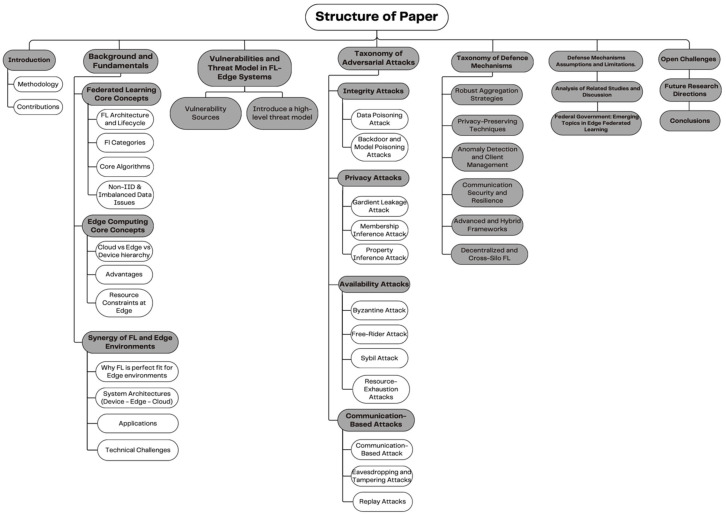 Figure 1
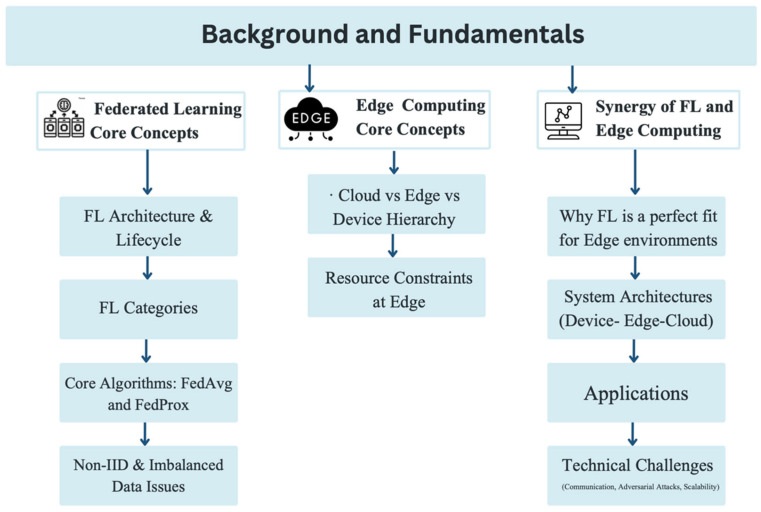 Figure 2
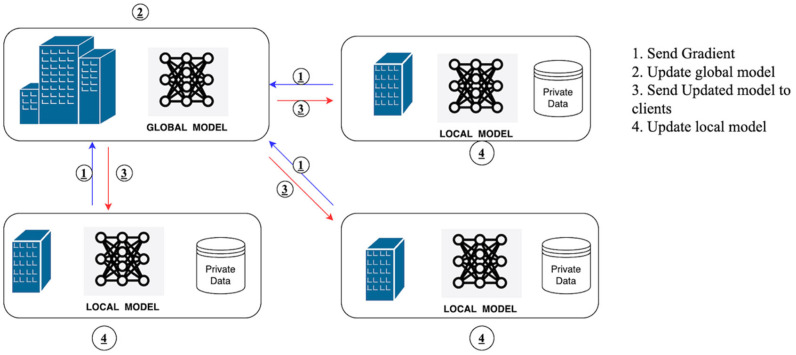 Figure 3
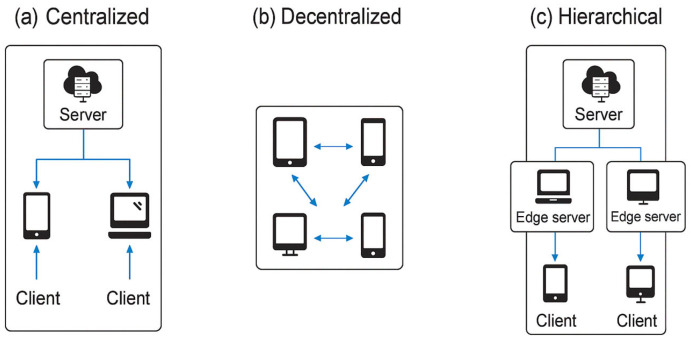 Figure 4
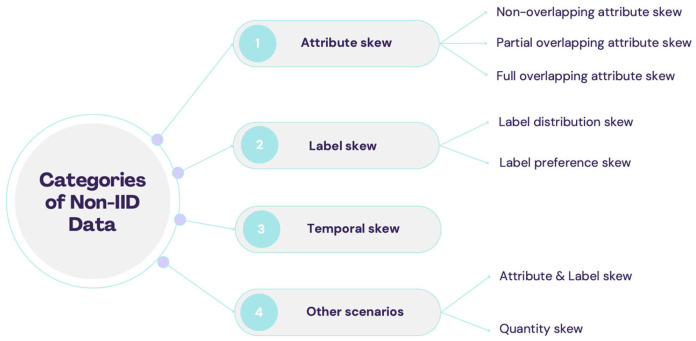 Figure 5
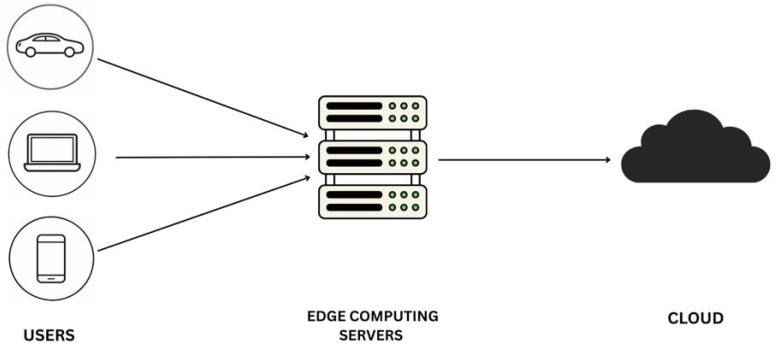 Figure 6
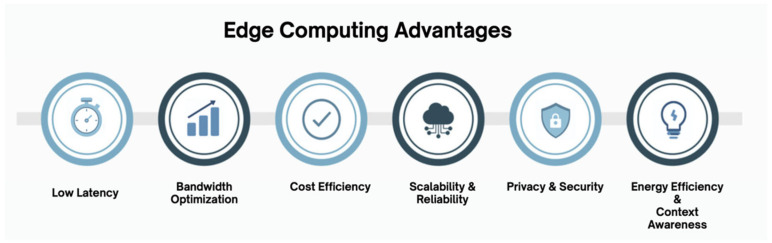 Figure 7
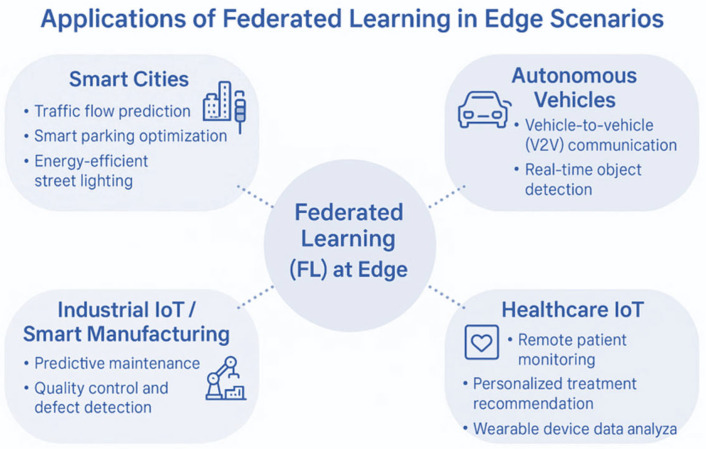 Figure 8
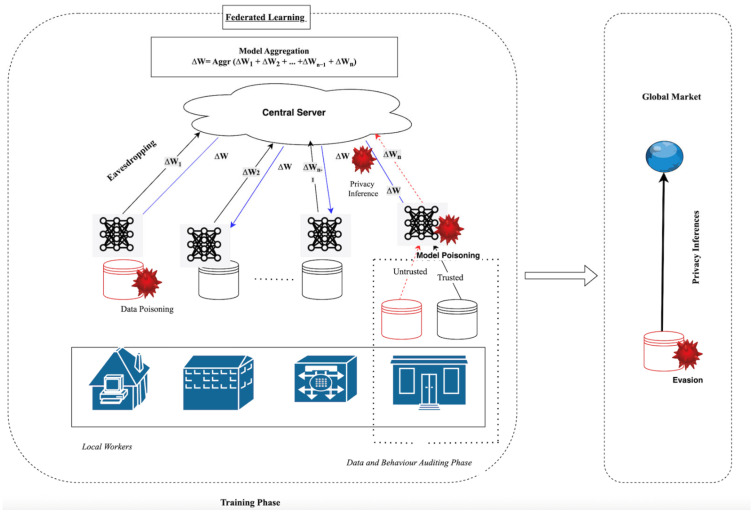 Figure 9
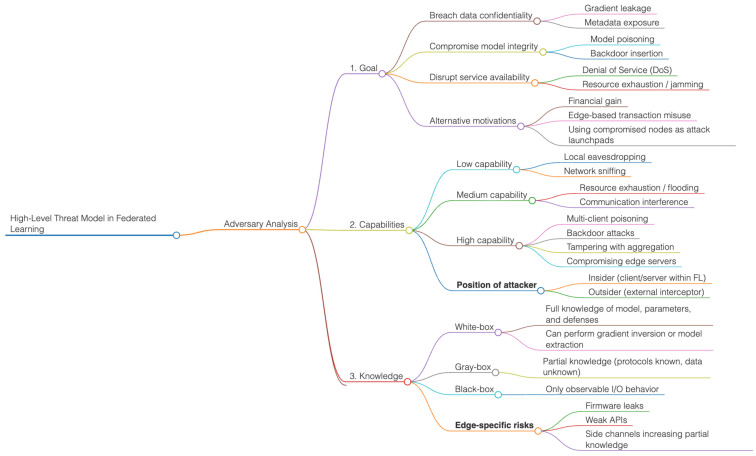 Figure 10
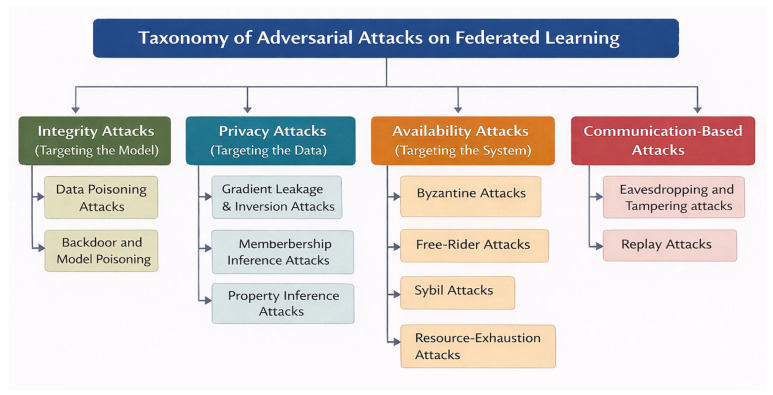 Figure 11
Peer Reviews
No public reviews on file for this paper yet. If you reviewed it on a platform where reviews are public (OpenReview, ICLR, NeurIPS, ICML), you can paste yours below so the community can read it here.
Videos
No videos yet. Explain this paper in a talk, walkthrough, or lecture? Add one.
Taxonomy
TopicsPrivacy-Preserving Technologies in Data · Adversarial Robustness in Machine Learning · IoT and Edge/Fog Computing