Optimizing OPM-MEG Sensor Layouts Using the Sequential Selection Algorithm with Simulated Sources and Individual Anatomy
Urban Marhl, Rok Hren, Tilmann Sander, Vojko Jazbinšek

TL;DR
This paper introduces a new method to optimize sensor placement in OPM-MEG systems using individual anatomy and simulations, improving signal capture and reducing sensor count.
Contribution
A simulation-driven sequential selection algorithm for OPM-MEG sensor layout optimization using individual anatomical data.
Findings
Optimized sensor layouts capture most full-head MFM information with only 15-20 sensors (CC > 0.95).
Localization errors for auditory responses were less than 5 mm using equivalent current dipoles.
SSA performance is robust to individualized head geometries, supporting clinical applications.
Abstract
Magnetoencephalography (MEG) based on optically pumped magnetometers (OPMs) offers the flexibility to position sensors closer to the scalp, which improves the signal-to-noise ratio compared to conventional superconducting quantum interference device (SQUID) systems. However, the spatial resolution of OPM-MEG critically depends on sensor placement, especially when the number of sensors is limited. In this study, we present a methodology for optimizing OPM-MEG sensor layouts using each subject’s anatomical information derived from individual magnetic resonance imaging (MRI). We generated realistic forward models from reconstructed head surfaces and simulated magnetic fields produced by equivalent current dipoles (ECDs). We compared multiple simulation strategies, including ECDs randomly distributed across the cortical surface and ECDs constrained to regions of interest. For each simulated…
Genes, proteins, chemicals, diseases, species, mutations and cell lines named across the full text — each resolved to its canonical identifier and authoritative record.
Click any figure to enlarge with its caption.
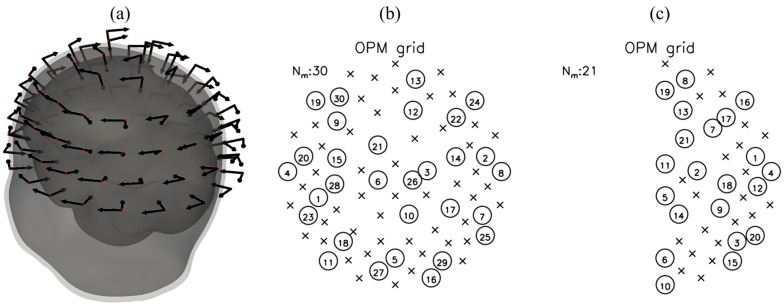 Figure 1
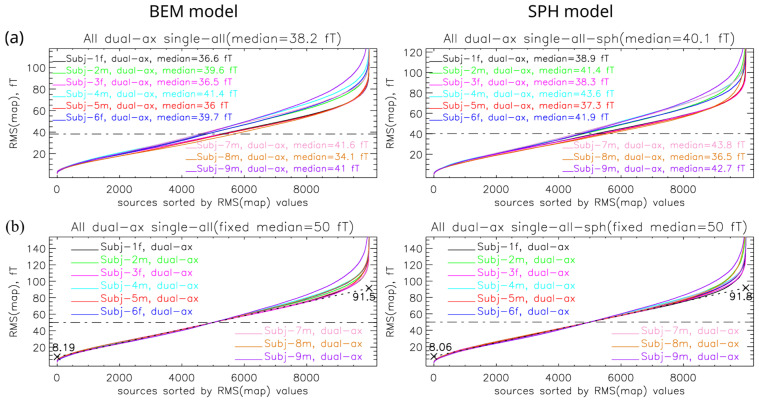 Figure 2
 Figure 3
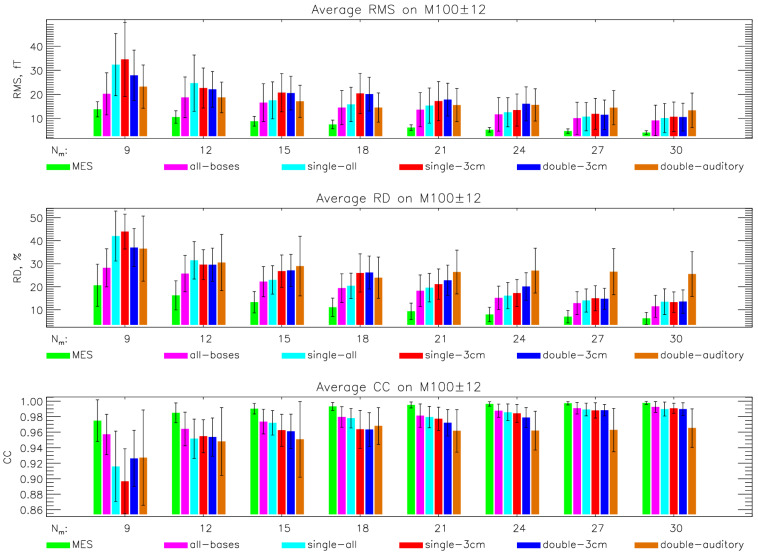 Figure 4
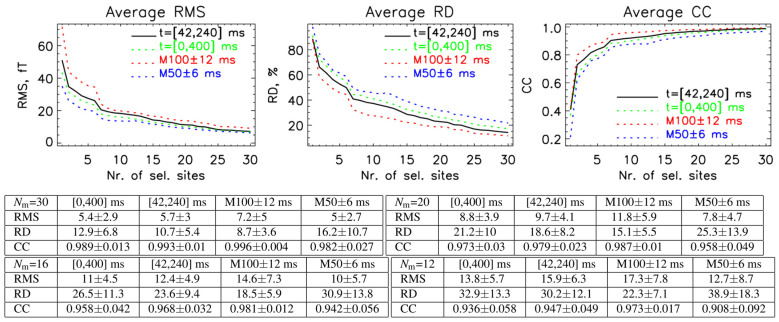 Figure 5
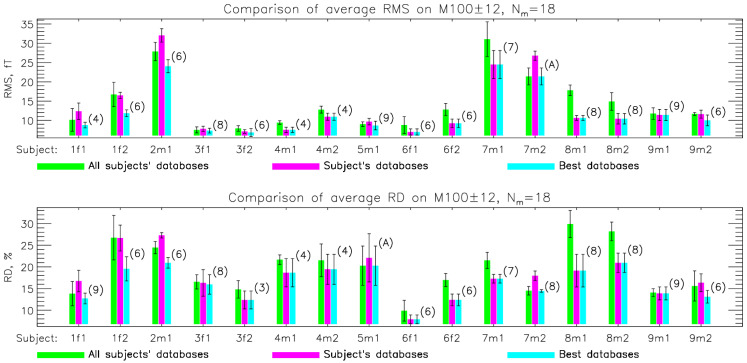 Figure 6
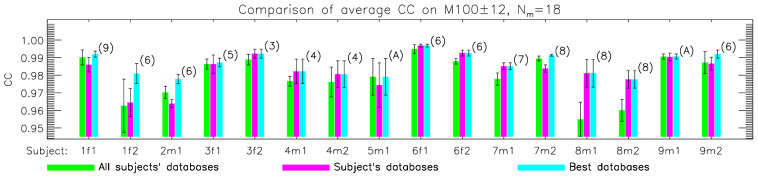 Figure 7
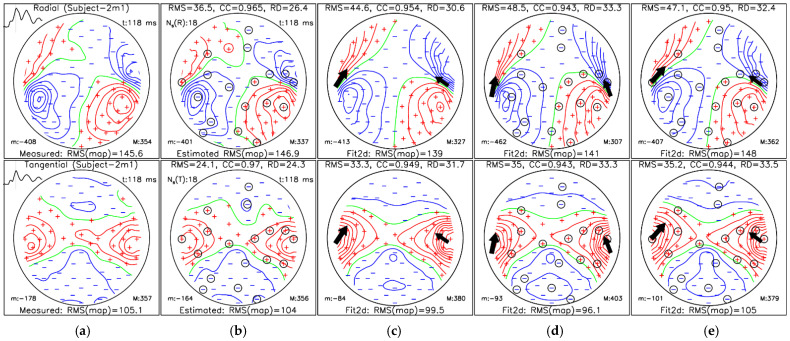 Figure 8
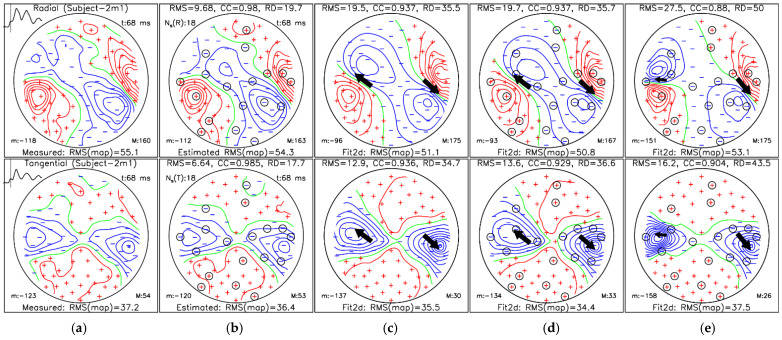 Figure 9
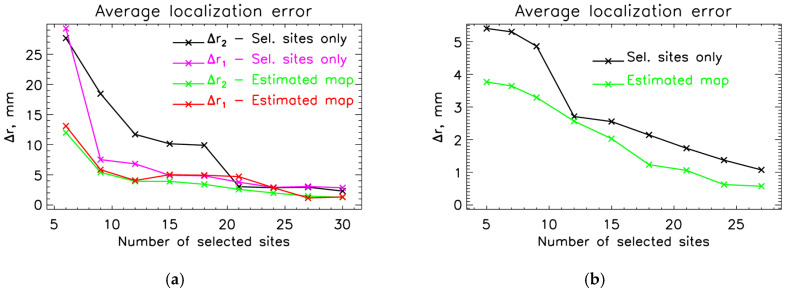 Figure 10
Peer Reviews
No public reviews on file for this paper yet. If you reviewed it on a platform where reviews are public (OpenReview, ICLR, NeurIPS, ICML), you can paste yours below so the community can read it here.
Videos
No videos yet. Explain this paper in a talk, walkthrough, or lecture? Add one.
Taxonomy
TopicsAtomic and Subatomic Physics Research · Functional Brain Connectivity Studies · Advanced MRI Techniques and Applications