Effects of Catalyst on the Properties of Bio-Based Epoxy Resin
Neda Bozorgi, Janitha Jeewantha, Allan Manalo, Omar AlAjarmeh, Hannah Seligmann, Sean Steed, Stephen Clarke

TL;DR
This paper explores how catalyst concentration affects the properties of a bio-based epoxy resin, showing that optimal levels improve strength and performance.
Contribution
The study introduces a novel glycerol-derived bio-epoxy resin and demonstrates the impact of catalyst concentration on its thermomechanical properties.
Findings
Increasing catalyst concentration lowers curing activation energy and shifts exothermic peak temperature.
Optimal catalyst concentration maximizes glass transition temperature and crosslinking density.
Excessive catalyst reduces strength despite increased rigidity due to network heterogeneity.
Abstract
The increasing demand for high-performance composites has driven the need for sustainable alternatives to conventional petroleum-based resins. This research introduces a novel glycerol-derived bio-epoxy resin and investigates the effect of catalyst concentration on its curing behaviour, network structure, and thermomechanical performance. Four catalyst concentrations were evaluated using differential scanning calorimetry (DSC), Fourier transform infrared spectroscopy (FTIR), and dynamic mechanical analysis (DMA) combined with tensile, flexural, and compression testing. DSC results revealed that increasing the catalyst concentration significantly lowered the curing activation energy, shifting the exothermic peak temperature from 194.8 °C to 145.2 °C. DMA revealed that the glass transition temperature (Tg), crosslinking density, and stiffness consistently increased up to an optimal…
Genes, proteins, chemicals, diseases, species, mutations and cell lines named across the full text — each resolved to its canonical identifier and authoritative record.
Click any figure to enlarge with its caption.
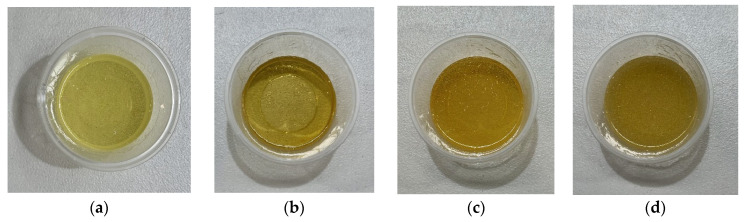 Figure 1
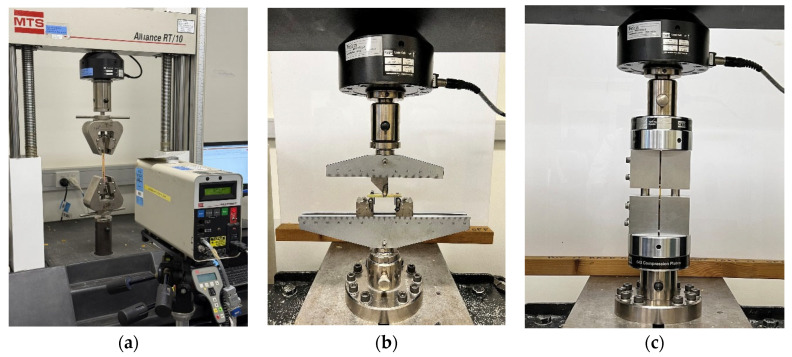 Figure 2
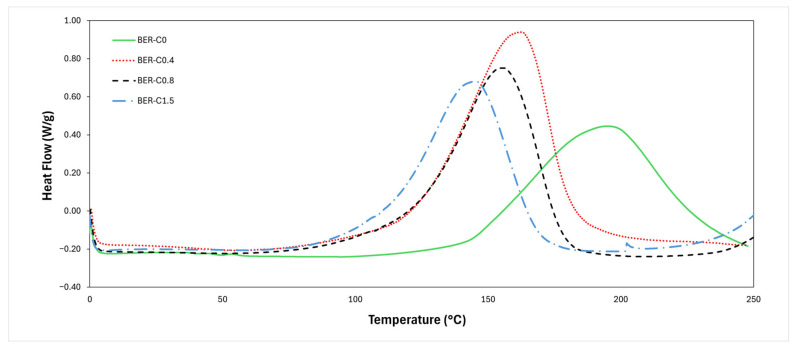 Figure 3
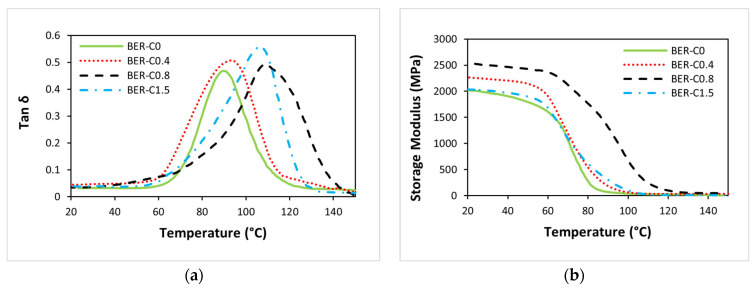 Figure 4
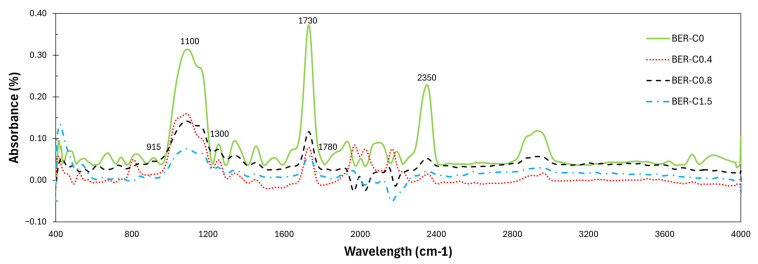 Figure 5
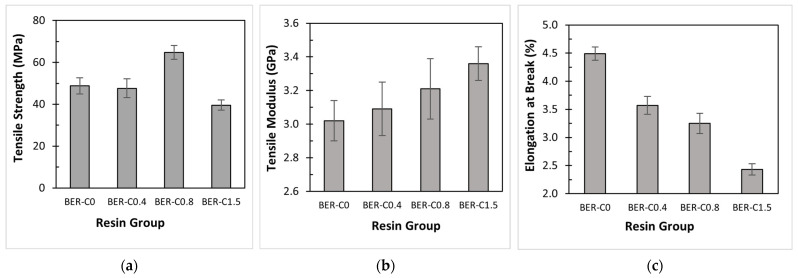 Figure 6
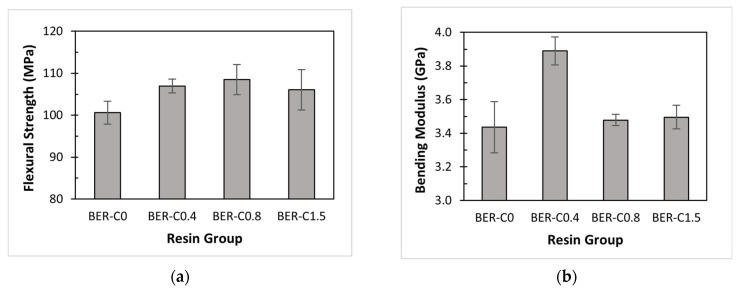 Figure 7
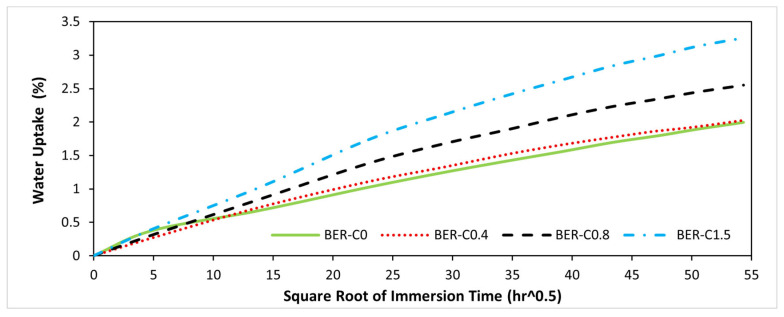 Figure 8
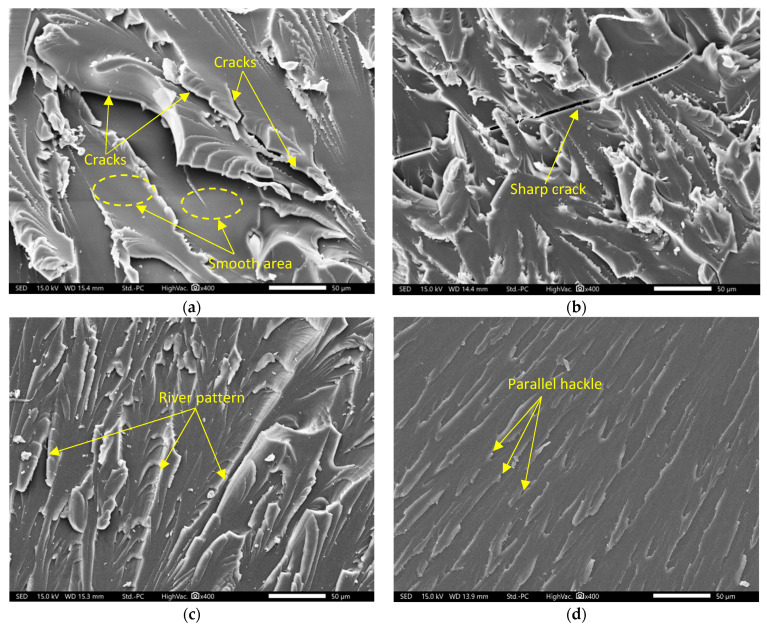 Figure 9
Peer Reviews
No public reviews on file for this paper yet. If you reviewed it on a platform where reviews are public (OpenReview, ICLR, NeurIPS, ICML), you can paste yours below so the community can read it here.
Videos
No videos yet. Explain this paper in a talk, walkthrough, or lecture? Add one.
Taxonomy
TopicsPolymer composites and self-healing · Lignin and Wood Chemistry · Carbon dioxide utilization in catalysis