Comparative Analysis of Cadmium Accumulation in Xerophytic Plants: Implications for Species Selection in Phytoremediation
Yusufujiang Yusuyin, Aliya Baidourela, Julati Xiaokelati, Huihui Wen, Kahaer Zhayimu, Qian Sun, Guili Sun, Fuxiang Ma

TL;DR
This study compares how different woody plants absorb and store cadmium, helping choose the best species for cleaning up metal pollution.
Contribution
The study identifies three functional groups of plants based on cadmium accumulation and translocation patterns, offering a new framework for phytoremediation strategies.
Findings
Roots are the primary accumulation sites for cadmium, with bark as a secondary storage organ.
Leaves show strict cadmium restriction, minimizing phytotoxicity in photosynthetic tissues.
Three functional groups of plants were identified based on their cadmium accumulation and translocation patterns.
Abstract
This study systematically investigates cadmium (Cd) accumulation and translocation mechanisms in woody plants through integrated analysis of 16 species. Roots consistently exhibited the highest Cd concentrations (0.26 ± 0.13 mg/kg), serving as primary accumulation sites, while bark functioned as a critical secondary storage organ (0.22 ± 0.09 mg/kg) with strong physiological coordination to roots (r = 0.72, p < 0.001). Leaves demonstrated strict Cd restriction (0.09 ± 0.05 mg/kg) and low variability (CV = 48.7%), indicating evolutionary adaptations to minimize phytotoxicity in photosynthetic tissues. Three functional groups were identified: hyperaccumulators (e.g., Ulmus pumila, root/leaf ratio = 6.37), excluders (e.g., Malus spectabilis, root/leaf ratio = 1.12), and intermediate species (e.g., Syringa oblata) with balanced translocation patterns. Strong root-bark correlations (r =…
Genes, proteins, chemicals, diseases, species, mutations and cell lines named across the full text — each resolved to its canonical identifier and authoritative record.
Click any figure to enlarge with its caption.
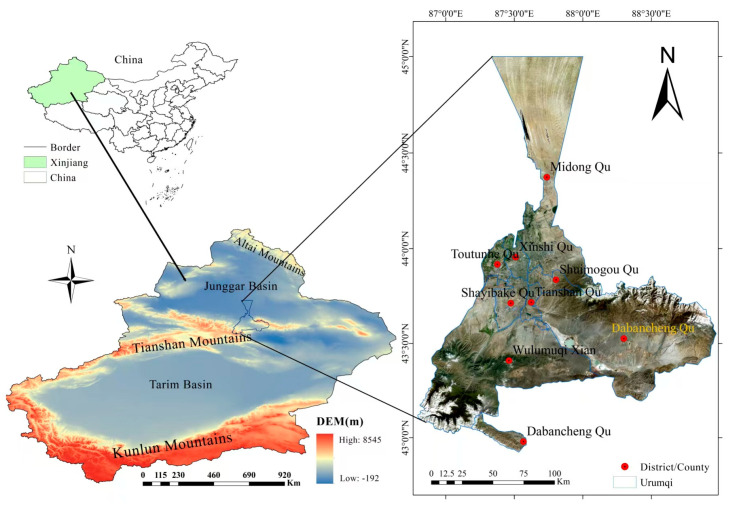 Figure 1
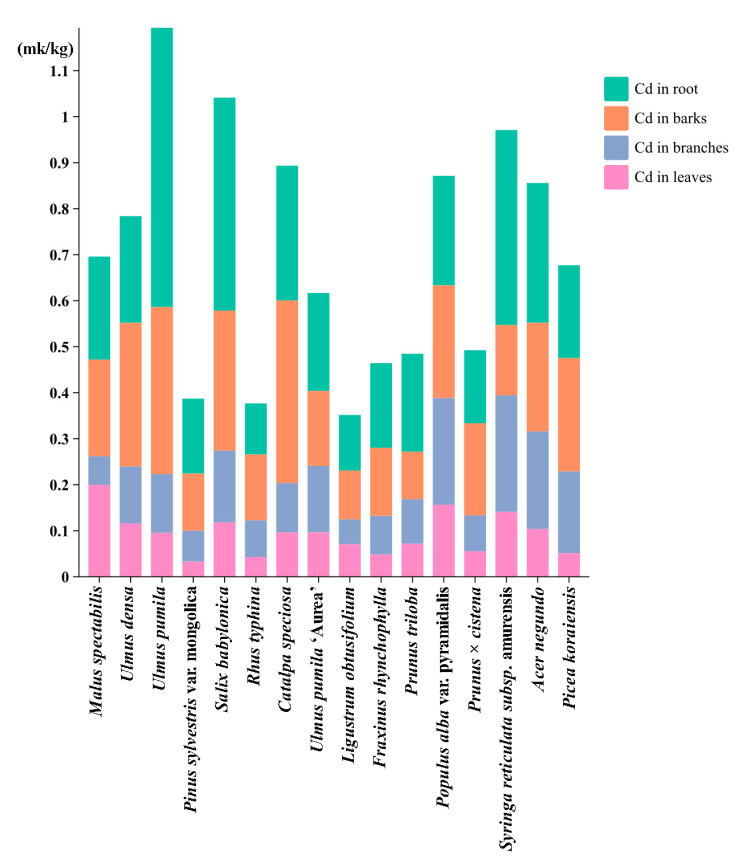 Figure 2
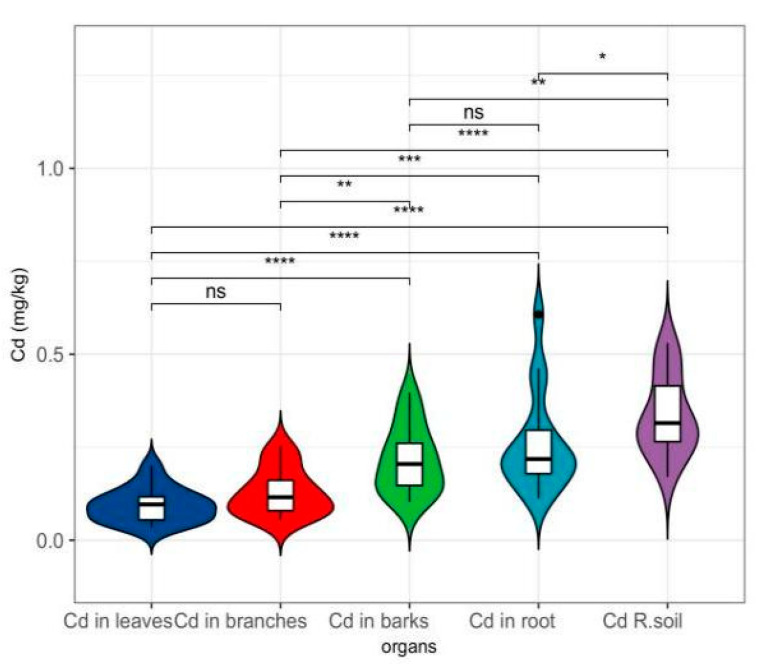 Figure 3
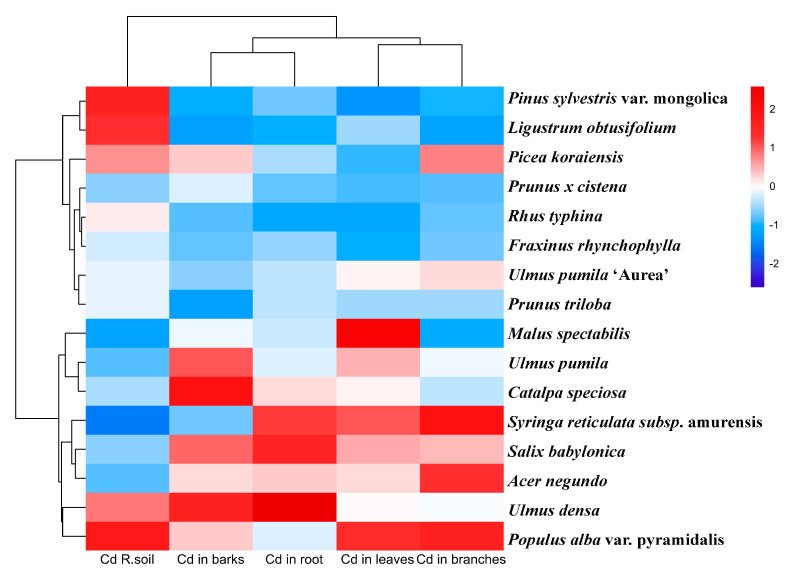 Figure 4
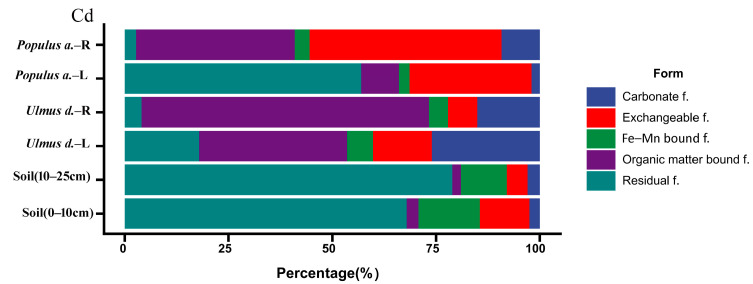 Figure 5
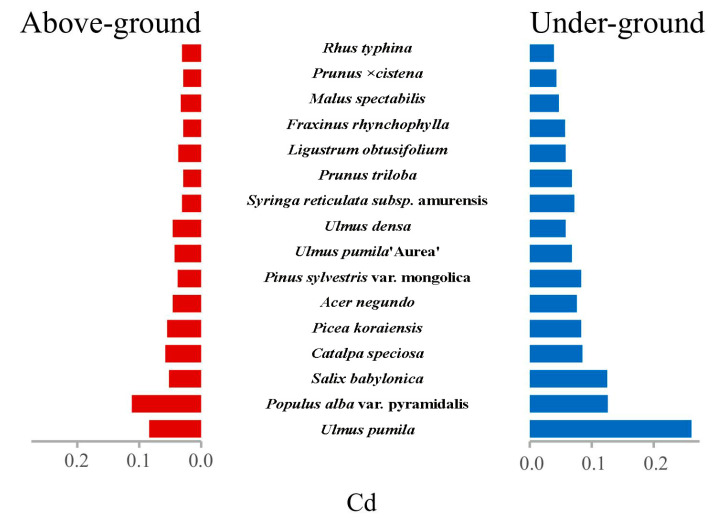 Figure 6
Peer Reviews
No public reviews on file for this paper yet. If you reviewed it on a platform where reviews are public (OpenReview, ICLR, NeurIPS, ICML), you can paste yours below so the community can read it here.
Videos
No videos yet. Explain this paper in a talk, walkthrough, or lecture? Add one.
Taxonomy
TopicsPlant Stress Responses and Tolerance · Plant responses to water stress · Plant nutrient uptake and metabolism