Integrated Omics Approach to Delineate the Mechanisms of Doxorubicin-Induced Cardiotoxicity
Mohamed S. Dabour, Ibrahim Y. Abdelgawad, Bushra Sadaf, Mary R. Daniel, Marianne K. O. Grant, Anne H. Blaes, Pamala A. Jacobson, Beshay N. Zordoky

TL;DR
This study uses multi-omics to uncover molecular pathways and timing of heart damage caused by doxorubicin chemotherapy.
Contribution
The study integrates transcriptomics and proteomics to reveal dynamic molecular changes in doxorubicin-induced cardiotoxicity.
Findings
Stress-responsive genes and circadian regulators were upregulated, while Apelin and Cd74 were downregulated.
Proteomics identified elevated serpina3n, thrombospondin-1, and epoxide hydrolase 1 in mouse hearts and plasma from patients.
Early responses involved inflammation and apoptosis, while delayed responses included cell cycle and DNA repair activation.
Abstract
Background/Objectives: Doxorubicin (DOX) is an effective chemotherapeutic agent whose clinical utility is limited by cardiotoxicity. To investigate underlying mechanisms, we employed a multi-omics approach integrating transcriptomics and proteomics, leveraging established mouse models of chronic DOX-induced cardiotoxicity. Methods: Five-week-old male mice received weekly DOX (4 mg/kg) or saline injections for six weeks, with heart tissues harvested 4 days post-treatment. Differentially expressed genes (DEGs) and proteins (DEPs) were identified by bulk RNA-seq and proteomics, validated via qPCR and Western blot, respectively. Key DEPs were validated in plasma samples from DOX-treated breast cancer patients. Additionally, temporal comparison was conducted between DEPs in the mice hearts 4 days and 6 weeks post-DOX. Results: RNA-seq revealed upregulation of stress-responsive genes (Phlda3,…
Genes, proteins, chemicals, diseases, species, mutations and cell lines named across the full text — each resolved to its canonical identifier and authoritative record.
Click any figure to enlarge with its caption.
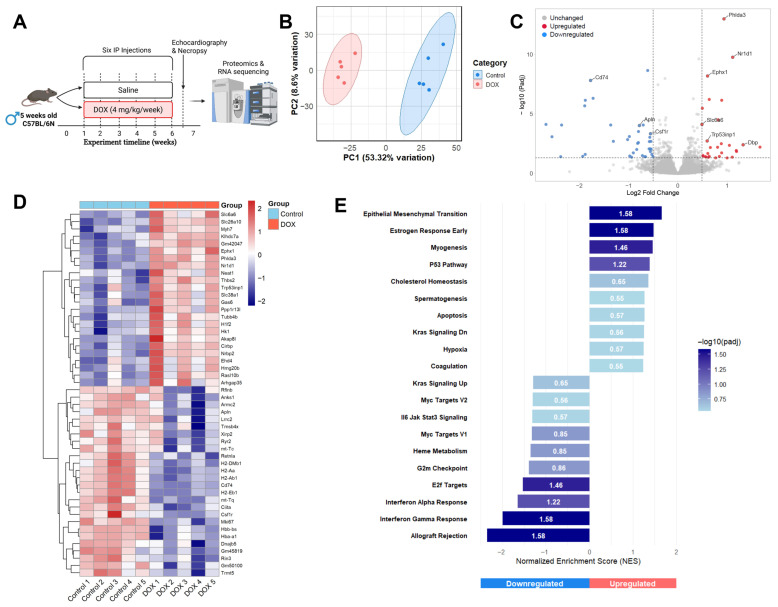 Figure 1
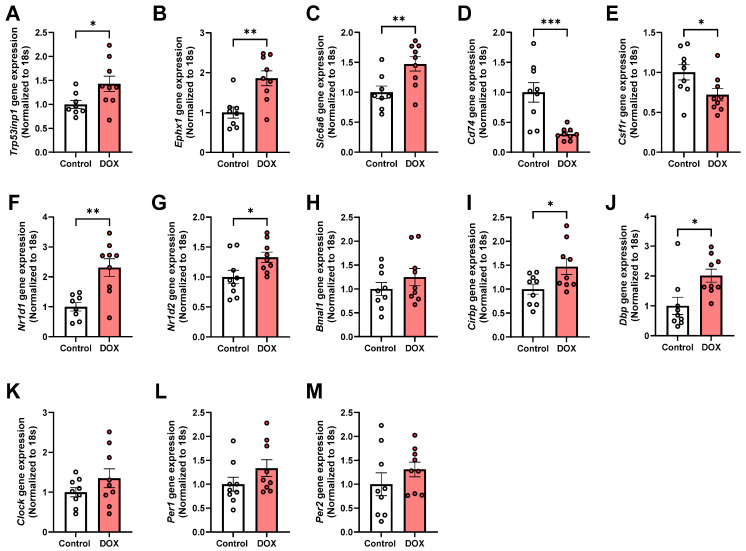 Figure 2
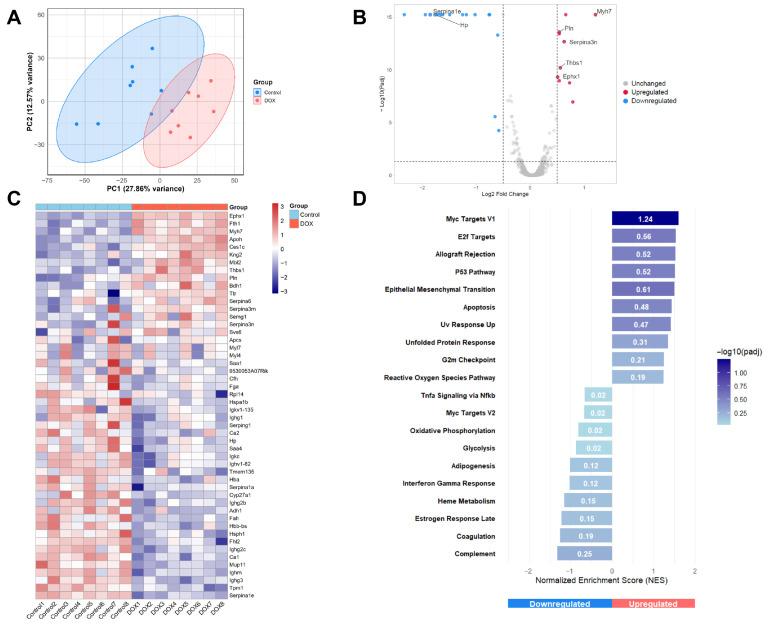 Figure 3
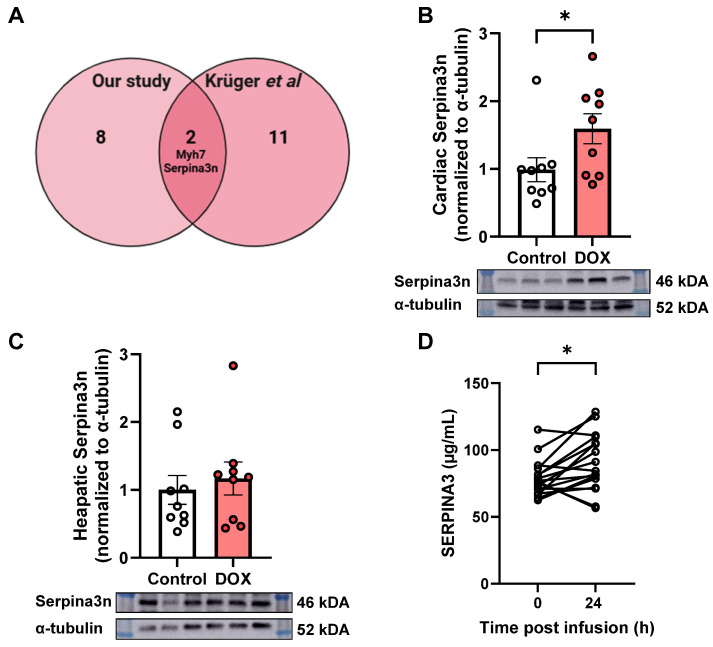 Figure 4
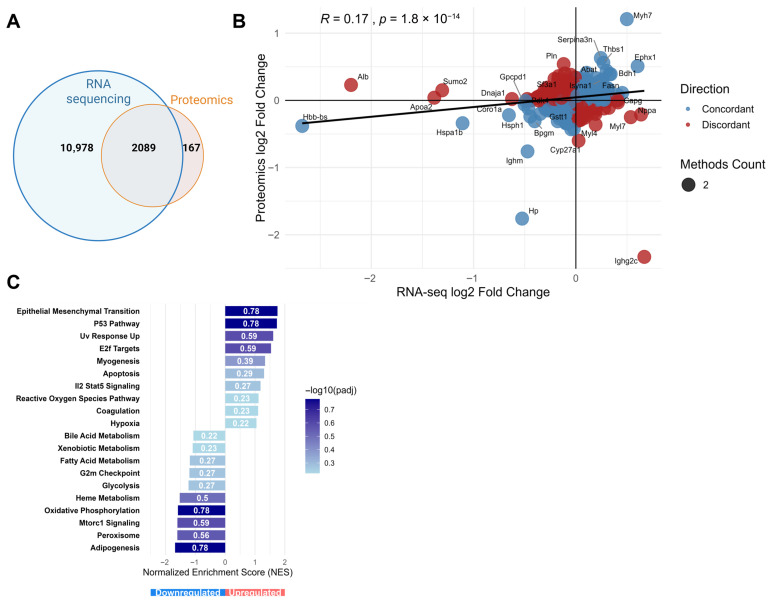 Figure 5
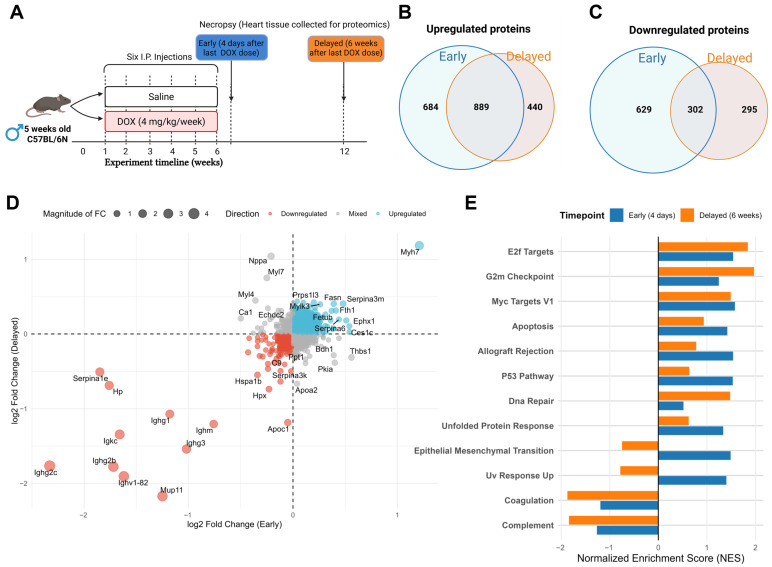 Figure 6
Peer Reviews
No public reviews on file for this paper yet. If you reviewed it on a platform where reviews are public (OpenReview, ICLR, NeurIPS, ICML), you can paste yours below so the community can read it here.
Videos
No videos yet. Explain this paper in a talk, walkthrough, or lecture? Add one.
Taxonomy
TopicsApelin-related biomedical research · Paraoxonase enzyme and polymorphisms · Chemotherapy-induced cardiotoxicity and mitigation