Atmospheric Carbonyl Compounds at Shangdianzi, Beijing: Autumn-to-Winter Variation, Ozone Formation Potential, and Source Apportionment
Yufei Song, Xiaoshuai Gao, Junling Li, Shudan Wei, Yushi Gong, Haijie Zhang, Yanqin Ren, Yucong Guo, Weigang Wang, Hong Li, Maofa Ge

TL;DR
This study analyzed carbonyl compounds in the atmosphere at a Beijing background site during autumn and winter, revealing their seasonal variations, ozone formation potential, and sources.
Contribution
The study provides the first insights into carbonyl pollution characteristics and source profiles at the Shangdianzi site during autumn and winter.
Findings
Average Σ24OVOCs concentration was 2.70 ± 1.55 ppb, with formaldehyde, acetone, and acetaldehyde as dominant species.
Autumn concentrations were 2.1 times higher than winter, and diurnal patterns showed nighttime accumulation and daytime depletion.
Formaldehyde contributed 86.9% to ozone formation potential, and sources varied seasonally between natural and anthropogenic influences.
Abstract
Based on continuous field observations conducted at the Shangdianzi Regional Atmospheric Background Station from 21 October to 20 November 2024 and from 1 December 2024, to 2 January 2025, this study systematically analyzed the concentration levels, seasonal variations, diurnal patterns, and ozone formation potential (OFP) of 24 carbonyl compounds (OVOCs) in the atmosphere during autumn and winter. Source apportionment was further investigated using characteristic ratios, correlation analysis, and multiple linear regression. The results indicate that the average concentration of Σ24OVOCs during the observation period was 2.70 ± 1.55 ppb. Formaldehyde, acetone, and acetaldehyde were the dominant species, accounting for 94.5% of the total concentration in this background area. A significant seasonal difference in carbonyl concentrations was observed, with the average concentration in…
Genes, proteins, chemicals, diseases, species, mutations and cell lines named across the full text — each resolved to its canonical identifier and authoritative record.
Click any figure to enlarge with its caption.
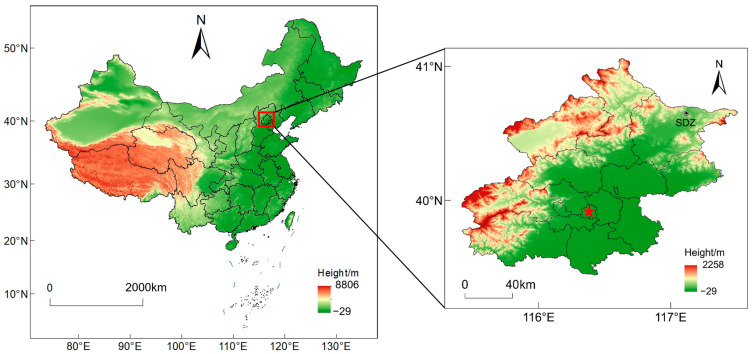 Figure 1
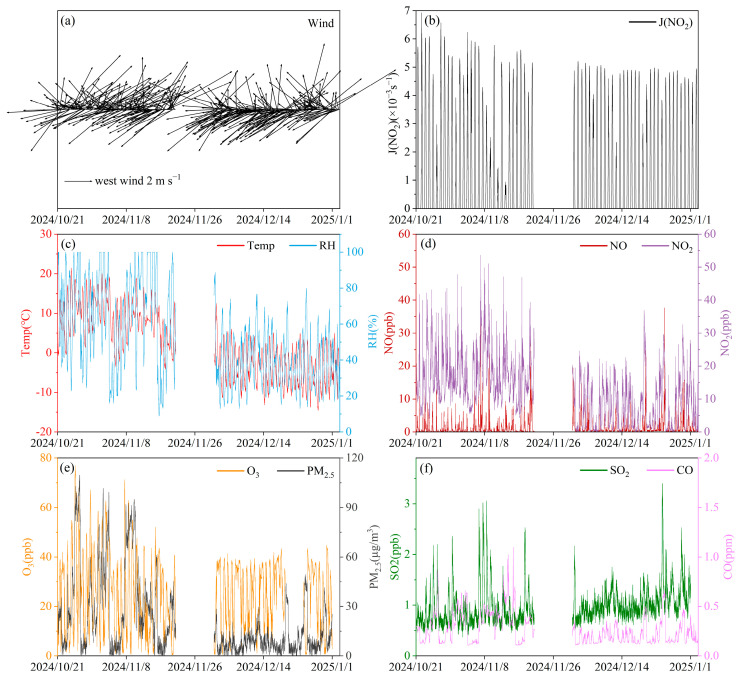 Figure 2
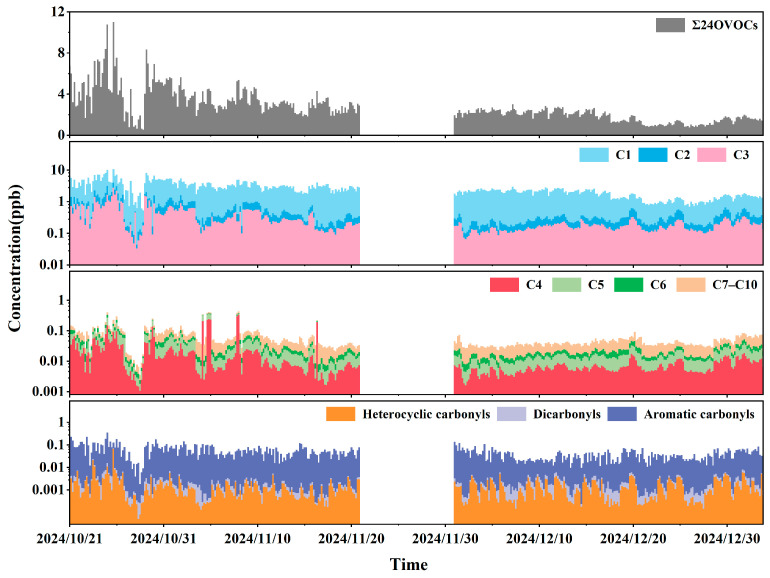 Figure 3
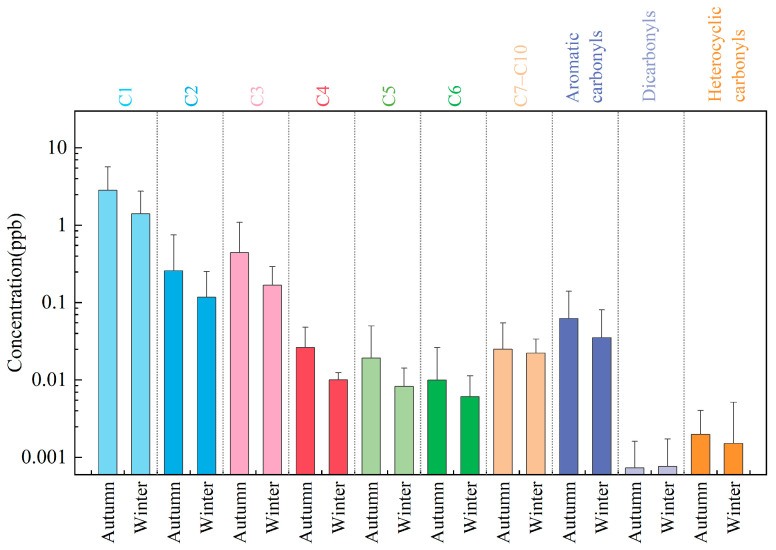 Figure 4
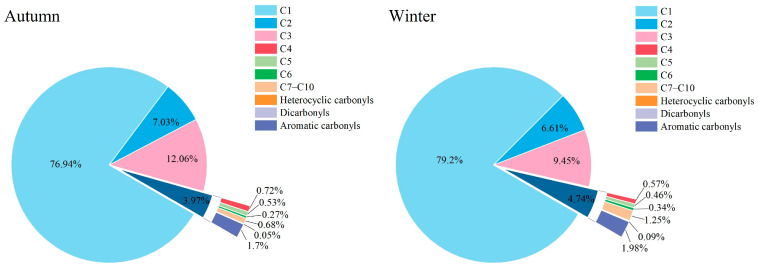 Figure 5
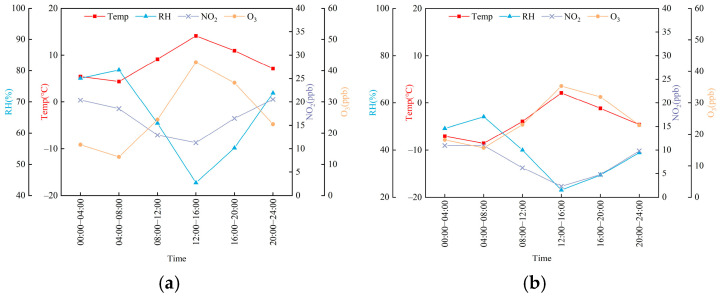 Figure 6
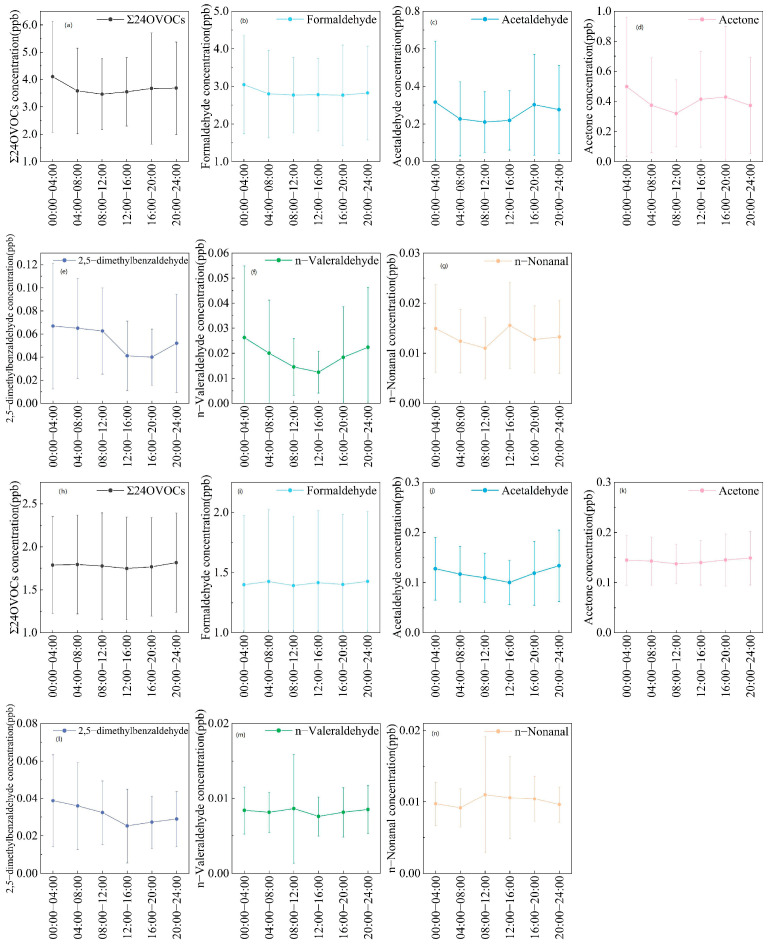 Figure 7
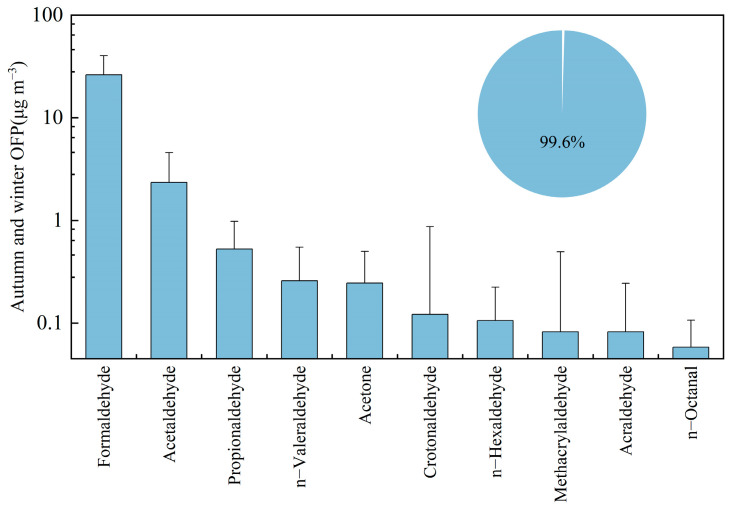 Figure 8
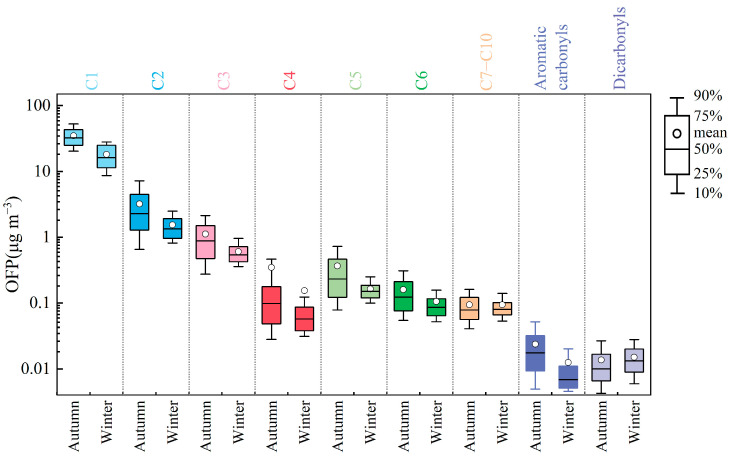 Figure 9
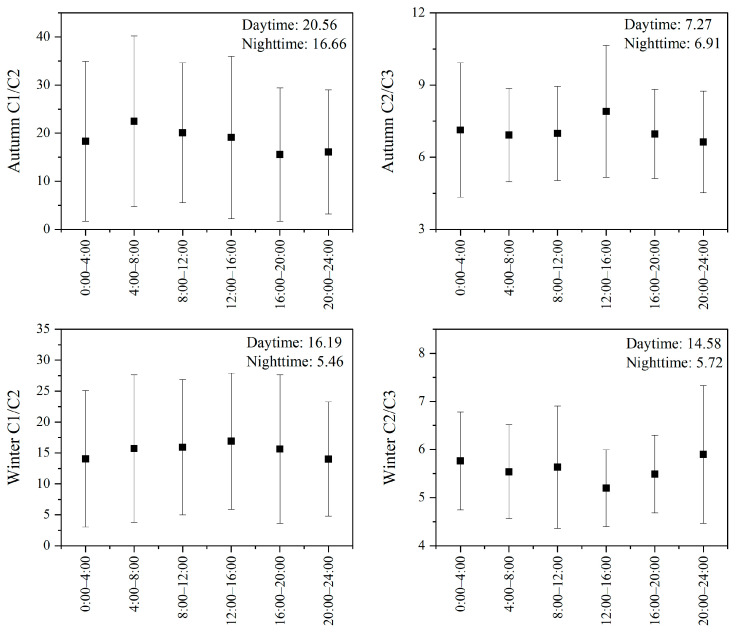 Figure 10
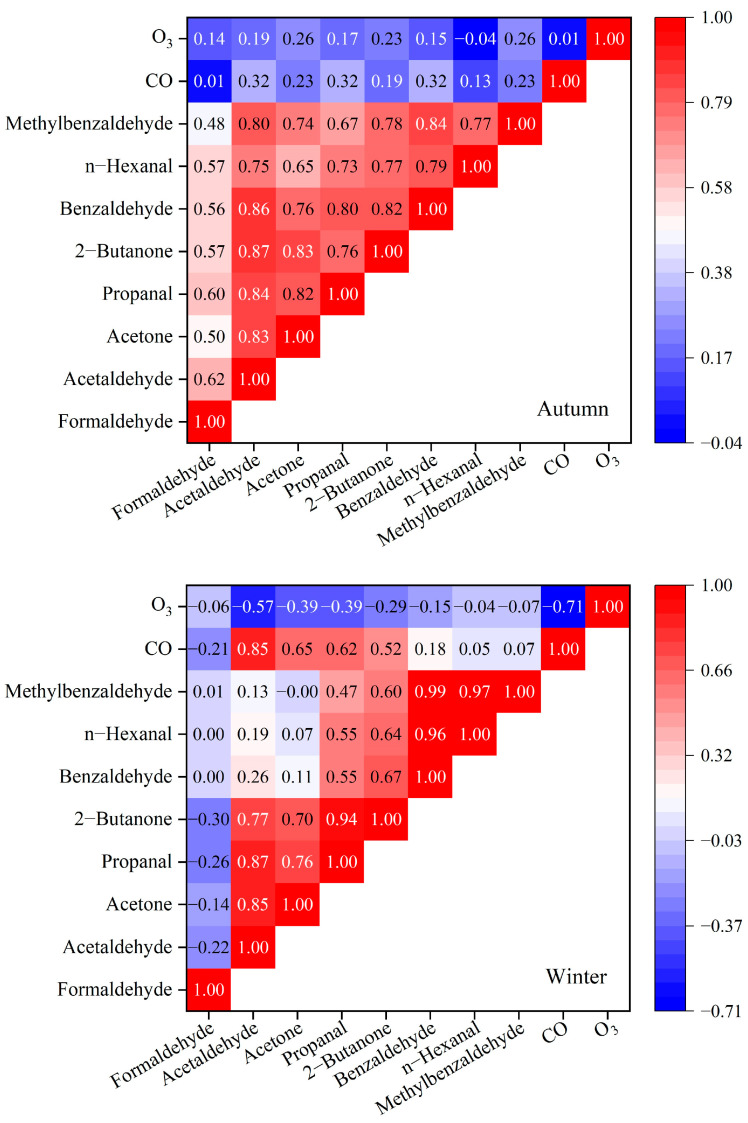 Figure 11
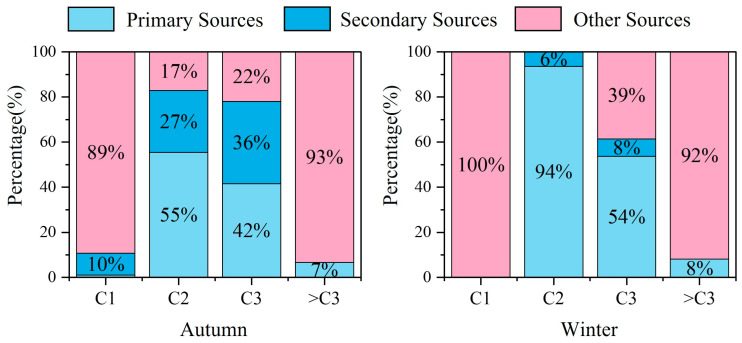 Figure 12
Peer Reviews
No public reviews on file for this paper yet. If you reviewed it on a platform where reviews are public (OpenReview, ICLR, NeurIPS, ICML), you can paste yours below so the community can read it here.
Videos
No videos yet. Explain this paper in a talk, walkthrough, or lecture? Add one.
Taxonomy
TopicsAtmospheric chemistry and aerosols · Plant responses to elevated CO2 · Air Quality and Health Impacts