Evaluation of the Antimicrobial Activity of Bimetallic TiO2-ZnO Nanoparticles Phytosynthesized with Ruta graveolens Extract Supported on a Chitosan Film
Angelica Monserrat Velázquez-Hernández, Sonia Martínez-Gallegos, Julio César González-Juárez, Julio Villalobos-Brito, Verónica Albiter, Martha Manjarrez-Olvera, Carlos García-Ibarra, Javier Illescas

TL;DR
This study creates antimicrobial films using bimetallic TiO2-ZnO nanoparticles made with plant extract and chitosan, showing strong activity against bacteria and yeast.
Contribution
The paper introduces a phytosynthesis method for bimetallic TiO2-ZnO nanoparticles supported on chitosan films with enhanced antimicrobial properties.
Findings
TiO2-ZnO nanoparticles with 1Ti:1Zn and 2Ti:1Zn ratios showed higher microbicidal activity against Gram-positive bacteria and yeast.
The 2Ti:1Zn sample increased inhibition halos by up to 14%, while the 1Ti:2Zn sample improved halos by 33% for S. aureus.
The films demonstrated structural stability and potential for biomedical applications like antimicrobial dressings.
Abstract
In this work, bimetallic TiO2-ZnO nanoparticles were phytosynthesized in molar ratios of 1Ti:1Zn, 2Ti:1Zn, and 1Ti:2Zn, using plant extract of Ruta graveolens leaves as reductant agent. The TiO2-ZnO nanoparticles were supported on chitosan films at concentrations of 0.1 and 0.2% (w/v). The resulting films were characterized by FTIR, TGA-DT and DSC analysis, confirming an adequate impregnation of the nanoparticles in the polymeric matrix and stability against temperature variations, while swelling tests revealed good structural strength without appreciable deformation. The antimicrobial activity of the membranes was evaluated by the disk diffusion method (Kirby–Bauer) against Escherichia coli, Staphylococcus aureus and Candida albicans. It was observed that the membranes having nanoparticles of stoichiometric ratios 1Ti:1Zn and 2Ti:1Zn presented higher microbicidal activity, especially…
Genes, proteins, chemicals, diseases, species, mutations and cell lines named across the full text — each resolved to its canonical identifier and authoritative record.
Click any figure to enlarge with its caption.
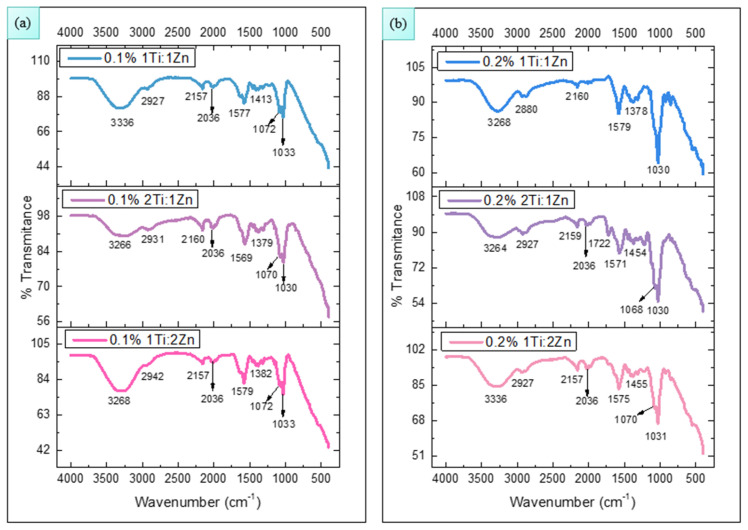 Figure 1
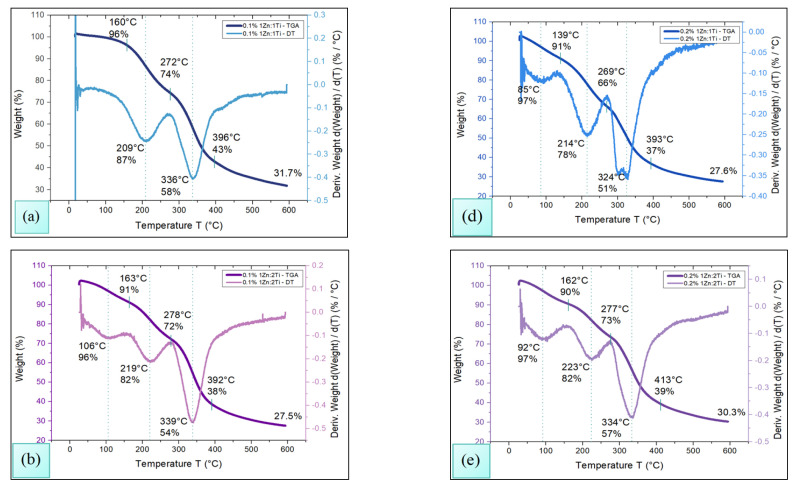 Figure 2
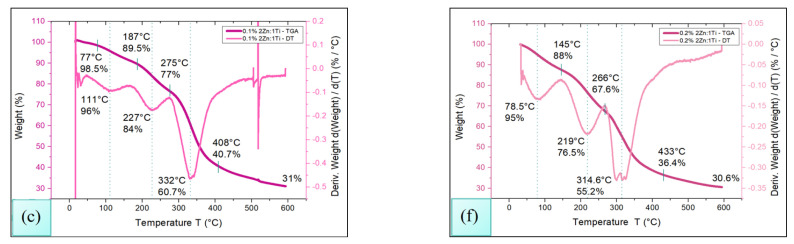 Figure 3
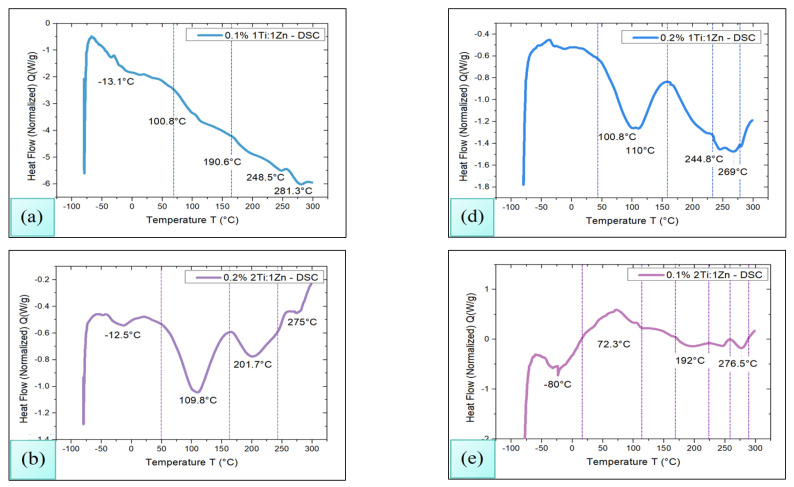 Figure 4
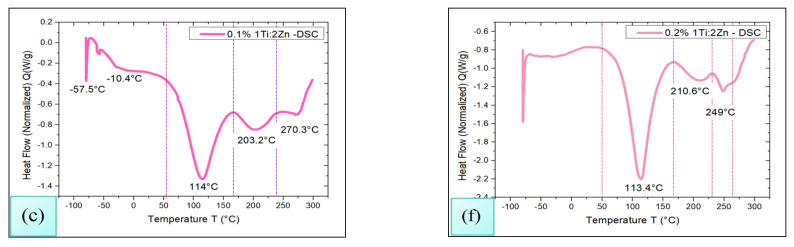 Figure 5
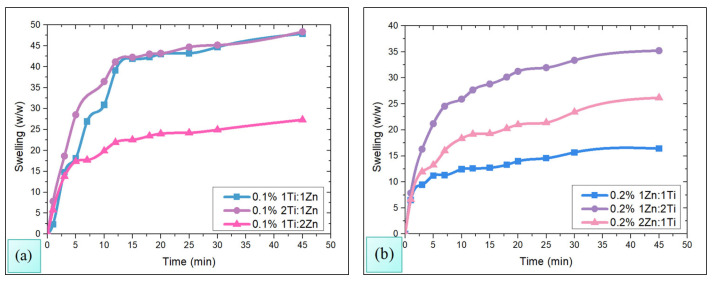 Figure 6
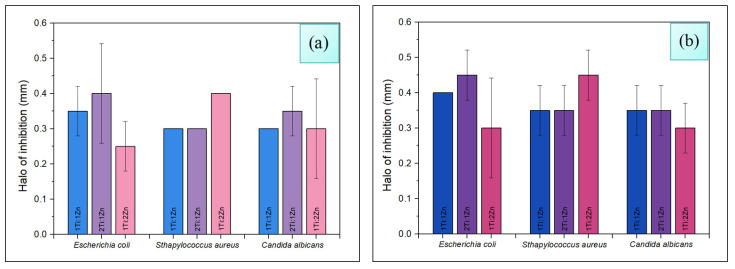 Figure 7
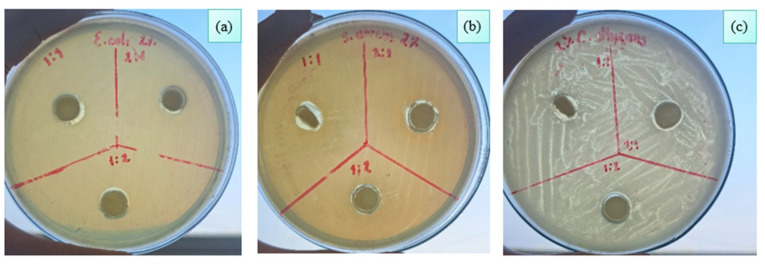 Figure 8
Peer Reviews
No public reviews on file for this paper yet. If you reviewed it on a platform where reviews are public (OpenReview, ICLR, NeurIPS, ICML), you can paste yours below so the community can read it here.
Videos
No videos yet. Explain this paper in a talk, walkthrough, or lecture? Add one.
Taxonomy
TopicsNanoparticles: synthesis and applications · Plant chemical constituents analysis · Nanocomposite Films for Food Packaging