An sEMG Denoising Method with Improved Threshold Estimation for Rapid Keystroke Tasks
Pengze Han, Baihui Ding, Penghao Deng, Dengxiong Wu, Huilong Li

TL;DR
This paper introduces a new sEMG denoising method that improves signal quality during rapid keystrokes by optimizing decomposition and thresholding techniques.
Contribution
The novel contribution is an improved threshold estimation method integrated with WO-optimized VMD for sEMG denoising in high-duty-cycle tasks.
Findings
The proposed method achieved a median SNR improvement (ΔSNR) of 2.75 to 6.65 dB across various input SNRs.
It reduced root-mean-square error (RMSE) by 27% to 53% while maintaining spectral fidelity with a median frequency variation rate below 3.48%.
The method outperformed wavelet, EMD, EMD-IT, and FCN baselines in denoising rapid keystroke sEMG signals.
Abstract
What are the main findings? Developed a WO-VMD-based denoising framework for rapid keystroke sEMG, where WO adaptively optimizes key VMD parameters to enhance decomposition stability.Proposed an improved threshold estimation for rapid keystroke sEMG to prevent over-suppression induced by thresholding. Developed a WO-VMD-based denoising framework for rapid keystroke sEMG, where WO adaptively optimizes key VMD parameters to enhance decomposition stability. Proposed an improved threshold estimation for rapid keystroke sEMG to prevent over-suppression induced by thresholding. What are the implications of the main findings? Validated on 18 subjects (0–15 dB input SNR), achieving higher ΔSNR and ΔRMSE% than wavelet, EMD, EMD-IT and FCN baselines.Provided an “adaptive decomposition + physiologically informed thresholding” approach applicable to rapid keystroke sEMG analysis and other…
Genes, proteins, chemicals, diseases, species, mutations and cell lines named across the full text — each resolved to its canonical identifier and authoritative record.
Click any figure to enlarge with its caption.
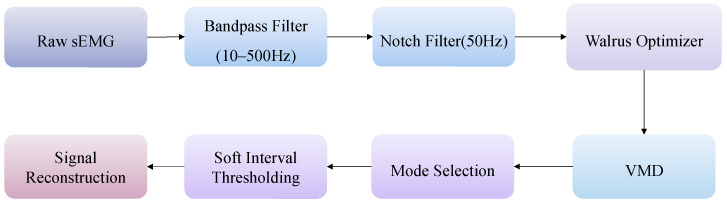 Figure 1
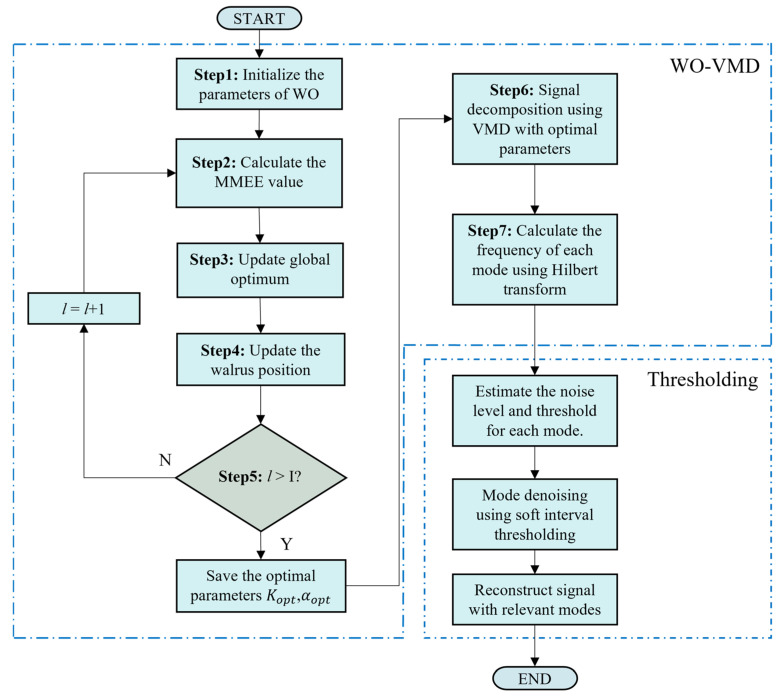 Figure 2
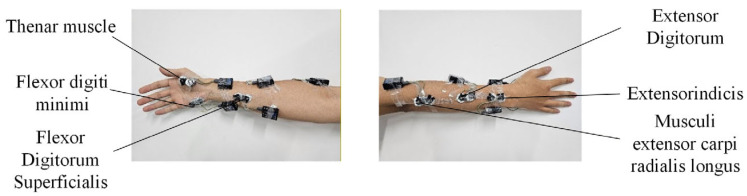 Figure 3
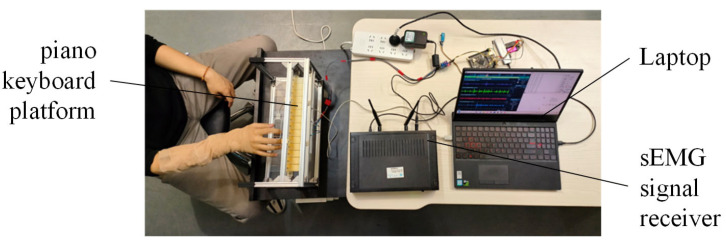 Figure 4
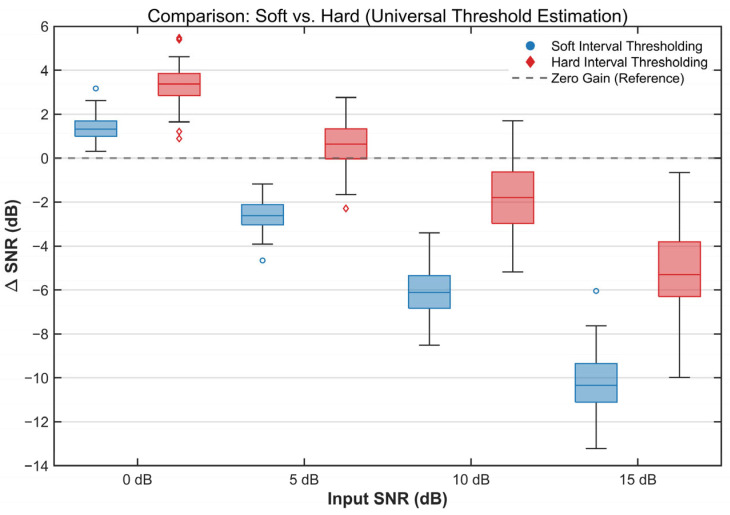 Figure 5
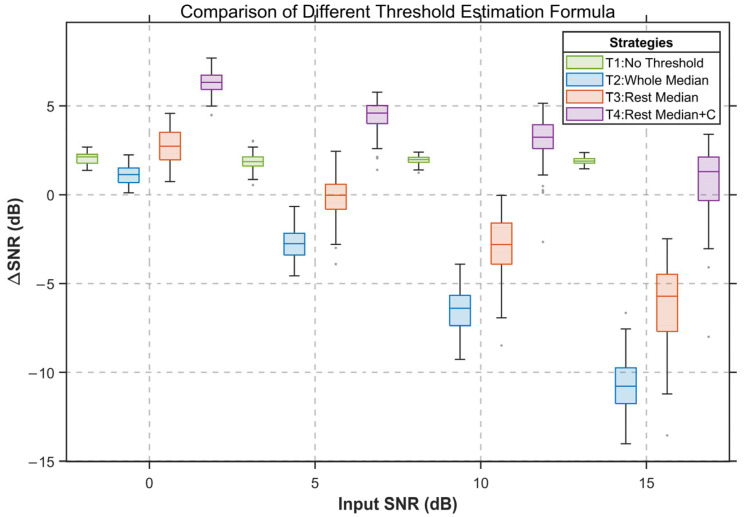 Figure 6
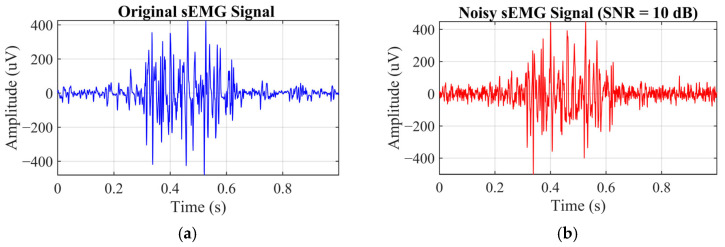 Figure 7
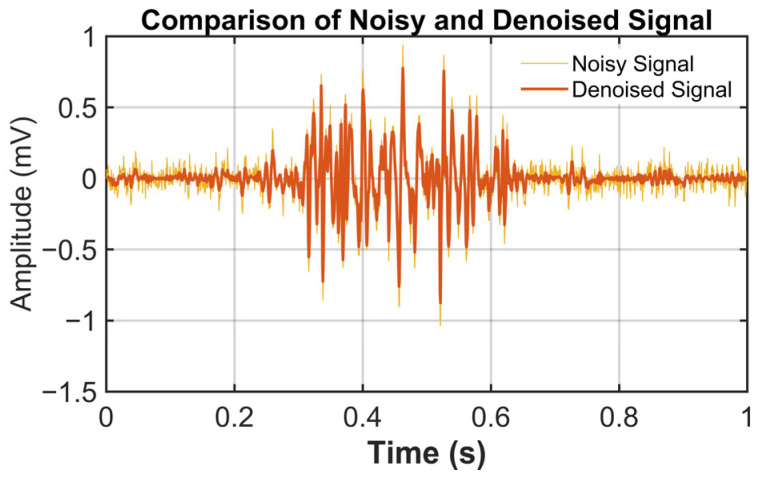 Figure 8
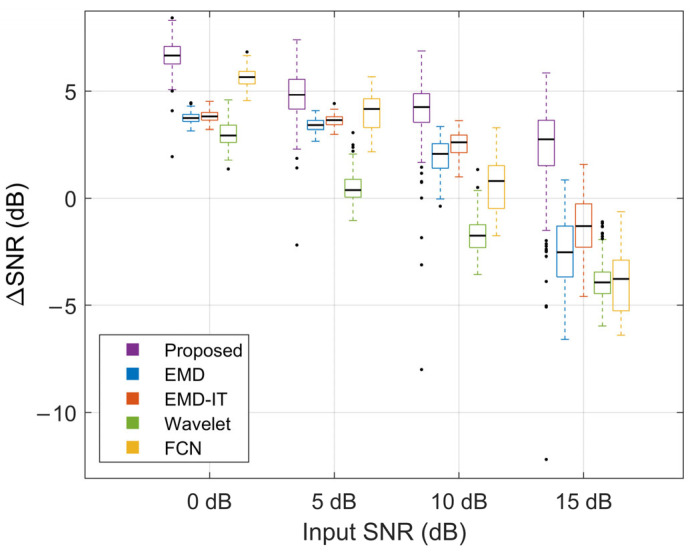 Figure 9
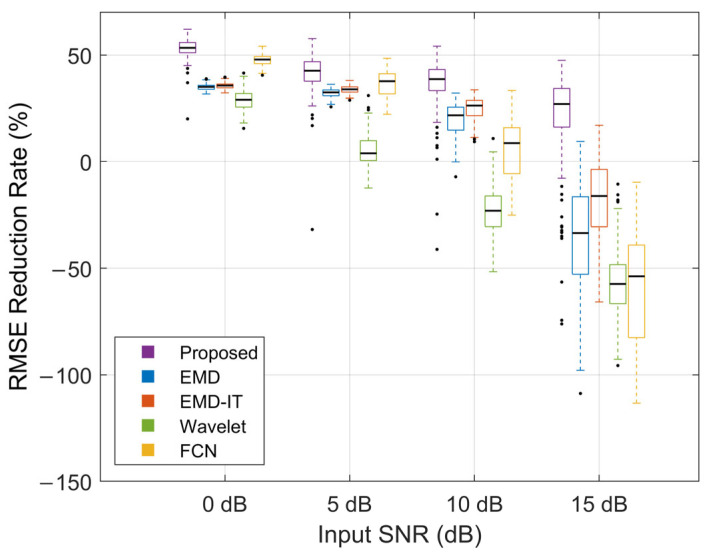 Figure 10
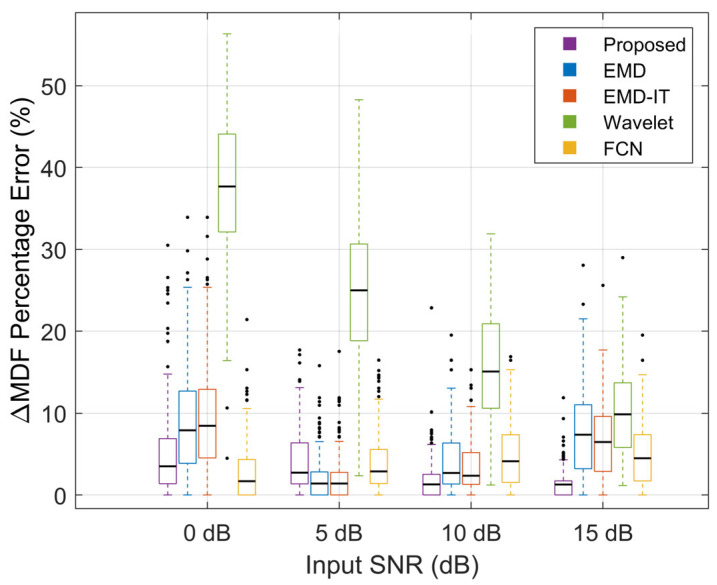 Figure 11
Peer Reviews
No public reviews on file for this paper yet. If you reviewed it on a platform where reviews are public (OpenReview, ICLR, NeurIPS, ICML), you can paste yours below so the community can read it here.
Videos
No videos yet. Explain this paper in a talk, walkthrough, or lecture? Add one.
Taxonomy
TopicsMuscle activation and electromyography studies · Advanced Sensor and Energy Harvesting Materials · Transcranial Magnetic Stimulation Studies