Robust HMM-Based Remaining Useful Life Estimation Using a Ridge-Regularized EM Algorithm
Halime Beyza Küçükdağ, Gokhan Kirkil, Mustafa Hekimoğlu

TL;DR
This paper introduces a robust method for estimating the remaining useful life of mechanical systems using a hidden Markov model with ridge regularization and a Huber-based estimator.
Contribution
The novel contribution is a ridge-regularized EM algorithm for HMM-based RUL estimation that improves accuracy and reduces sensitivity to outliers.
Findings
The ridge-regularized EM algorithm significantly reduces parameter variance and improves predictive accuracy compared to WLS-EM.
The proposed method provides smoother and more reliable RUL prediction trajectories in real-world data.
The framework maintains the probabilistic structure of the HMM while enhancing robustness to limited data and outliers.
Abstract
Estimating the remaining useful life (RUL) of engineering systems is crucial for maintenance planning and the reliability of complex mechanical units. Accurate RUL predictions support timely interventions and help to prevent unexpected failures. This study proposes a statistically robust framework that models degradation signals up to the end of life using a hidden Markov model (HMM) with a simple-failure structure and an absorbing terminal state. The proposed method estimates state-dependent linear emission parameters and transition probabilities using a ridge-regularized expectation–maximization (EM) algorithm. The ridge penalty stabilizes slope estimates under limited data, while a robust Huber-based scale estimator reduces sensitivity to outliers in the sensor-derived health indicator. RUL is computed as a weighted expected time to absorption, combining transient-state survival…
Genes, proteins, chemicals, diseases, species, mutations and cell lines named across the full text — each resolved to its canonical identifier and authoritative record.
Click any figure to enlarge with its caption.
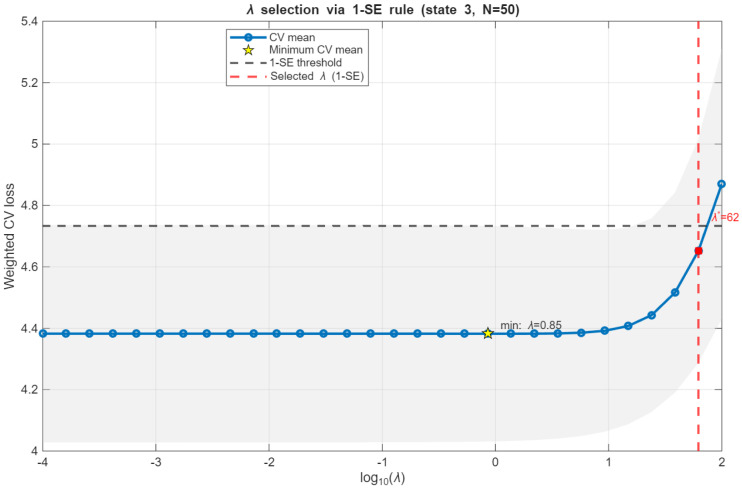 Figure 1
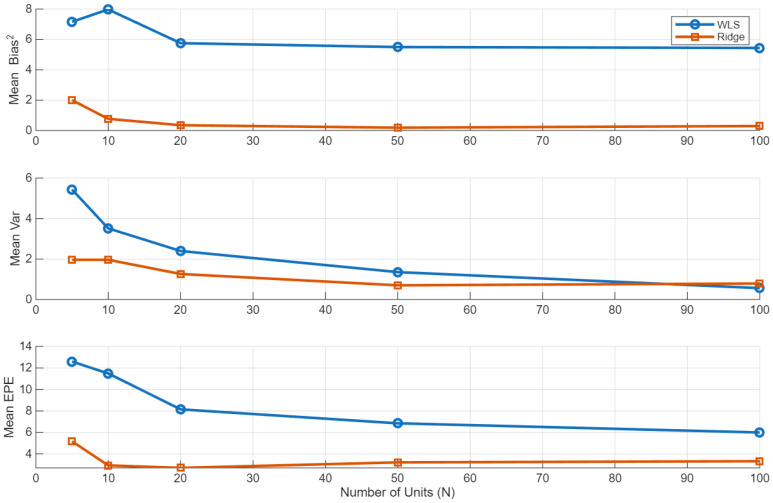 Figure 2
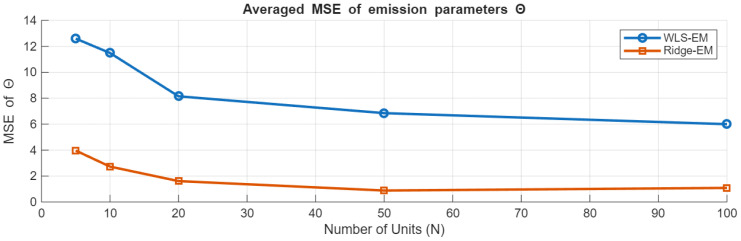 Figure 3
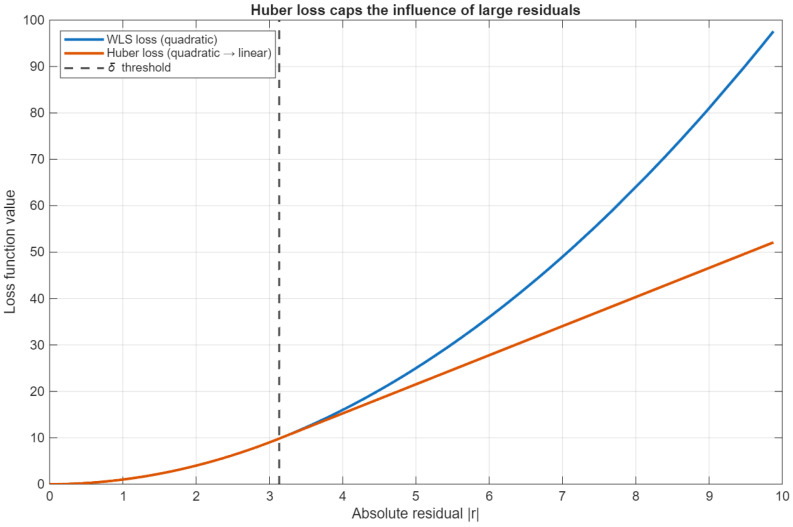 Figure 4
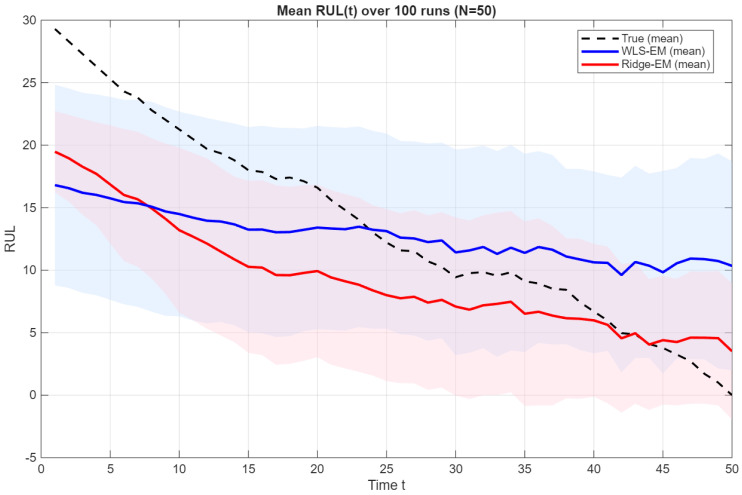 Figure 5
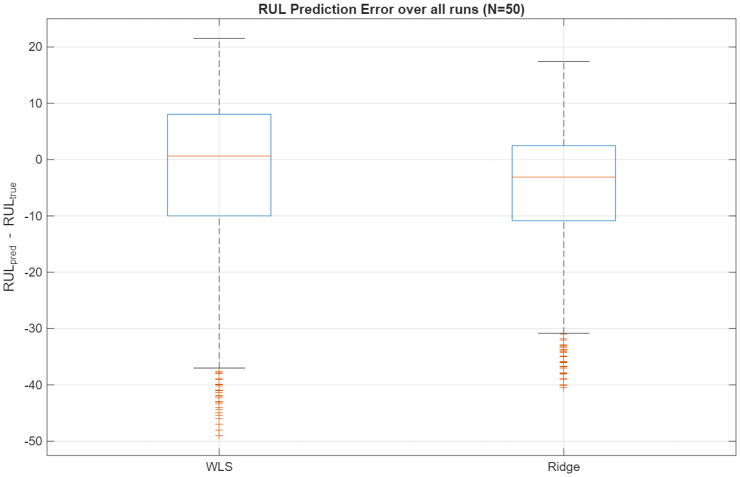 Figure 6
 Figure 7
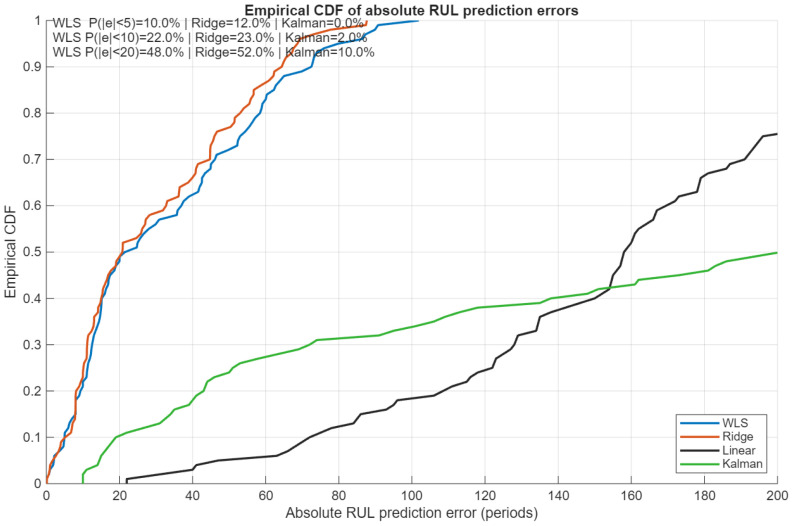 Figure 8
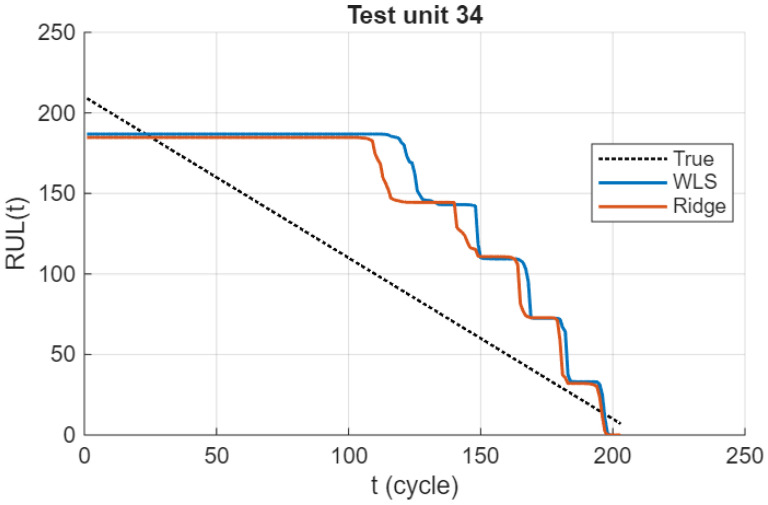 Figure 9
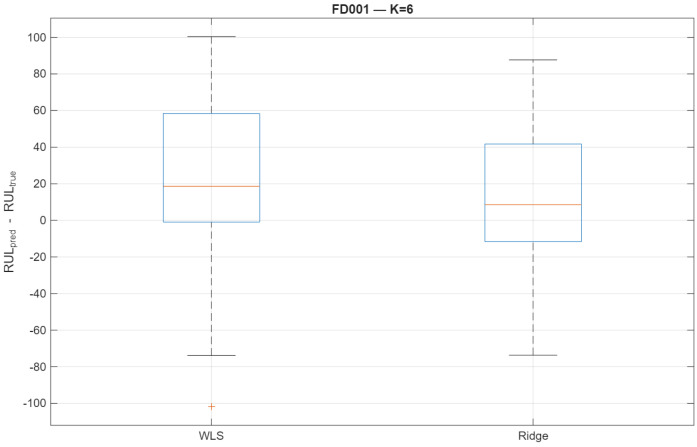 Figure 10
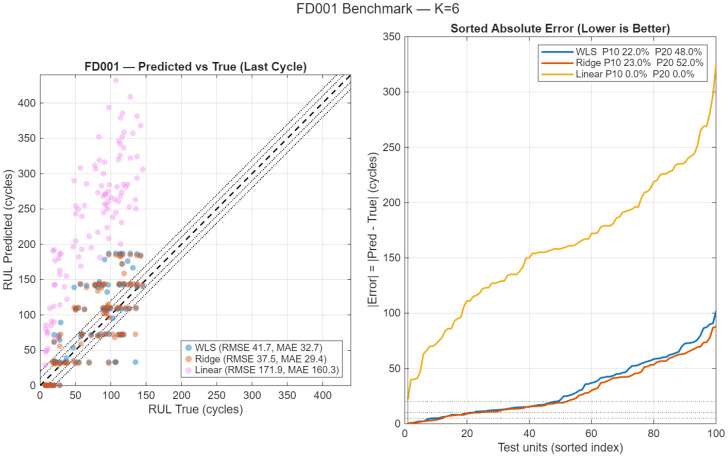 Figure 11
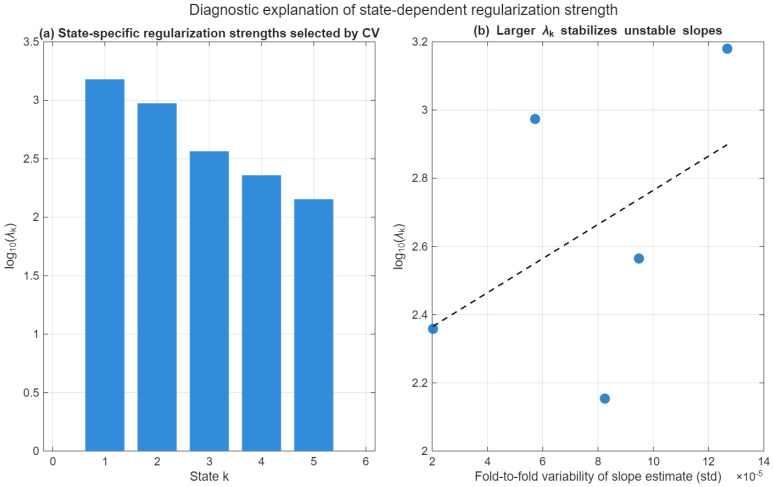 Figure 12
Peer Reviews
No public reviews on file for this paper yet. If you reviewed it on a platform where reviews are public (OpenReview, ICLR, NeurIPS, ICML), you can paste yours below so the community can read it here.
Videos
No videos yet. Explain this paper in a talk, walkthrough, or lecture? Add one.
Taxonomy
TopicsMachine Fault Diagnosis Techniques · Reliability and Maintenance Optimization · Structural Health Monitoring Techniques