Read-Across Structural Analysis of PFAS Acute Oral Toxicity in Rats Powered by the Isalos Analytics Platform’s Automated Machine Learning
Aikaterini Theodori, Konstantinos D. Papavasileiou, Andreas Tsoumanis, Georgia Melagraki, Antreas Afantitis

TL;DR
This paper presents a machine learning model to predict PFAS toxicity in rats and identifies structural features linked to high toxicity.
Contribution
A novel automated machine learning framework for PFAS toxicity prediction and a freely accessible web application for high-throughput screening.
Findings
A k-nearest neighbours model achieved 81.5% accuracy in predicting PFAS acute oral toxicity.
Polyaromatic and heterocyclic structures are consistently associated with high toxicity.
The model is available via the INSIGHT RatTox web application for public use.
Abstract
The ubiquity and environmental persistence of per- and polyfluoroalkyl substances (PFASs) have raised significant concerns about their detrimental effects on human health. Collective scientific efforts are increasingly focused on elucidating PFAS toxicity mechanisms and identifying potential low-impact PFAS structures that retain the exceptional properties of this chemical class. To advance the use of in silico methods in PFAS toxicity assessment, we developed a robust modelling framework for predicting PFAS acute oral toxicity class (high or low) in rats, leveraging the enhanced capabilities of the in-house Isalos Analytics Platform. The automated machine learning (autoML) functionality was employed to optimise four ML models—k-nearest neighbours (kNN), Random Forest (RF), eXtreme Gradient Boosting (XGBoost), and fully connected neural network (NN)—using Mold2 molecular descriptors,…
Genes, proteins, chemicals, diseases, species, mutations and cell lines named across the full text — each resolved to its canonical identifier and authoritative record.
Click any figure to enlarge with its caption.
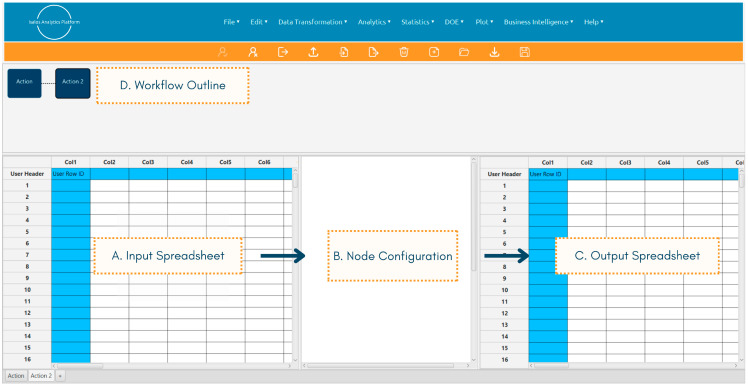 Figure 1
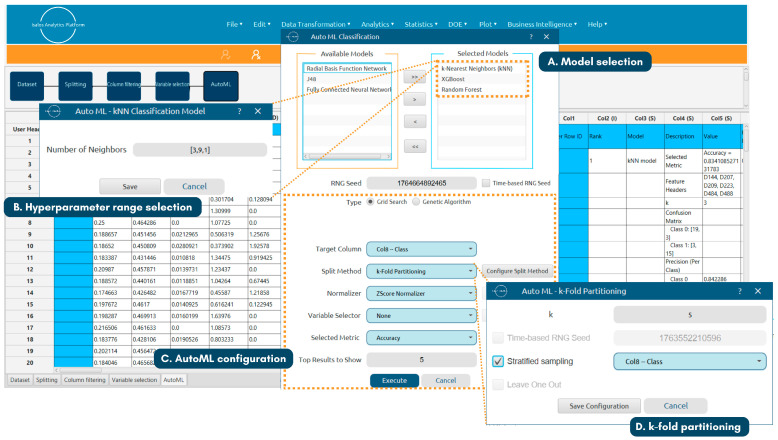 Figure 2
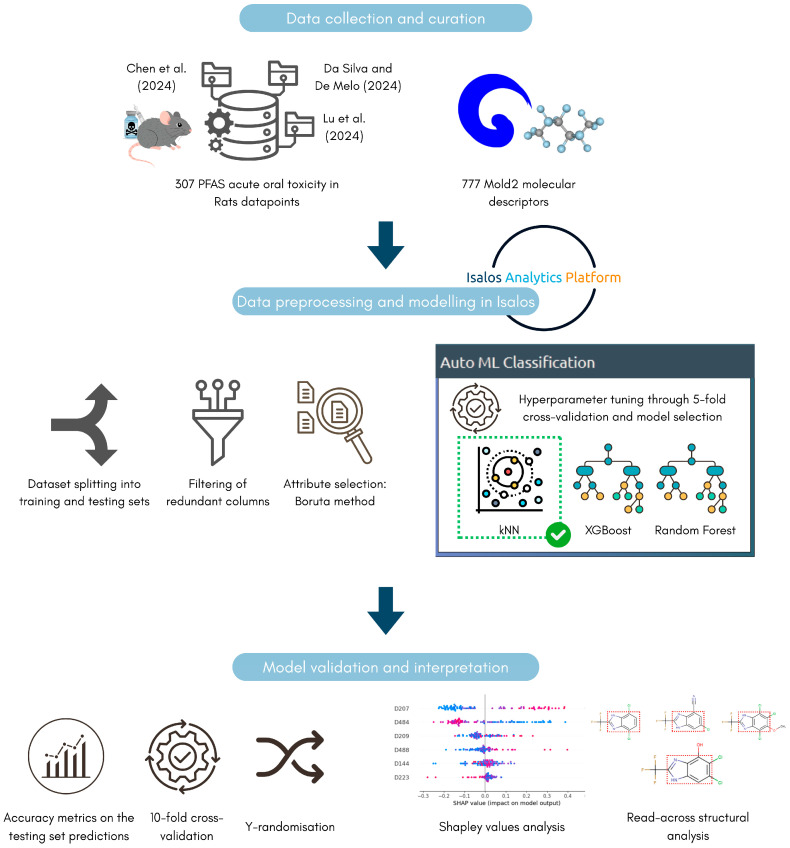 Figure 3
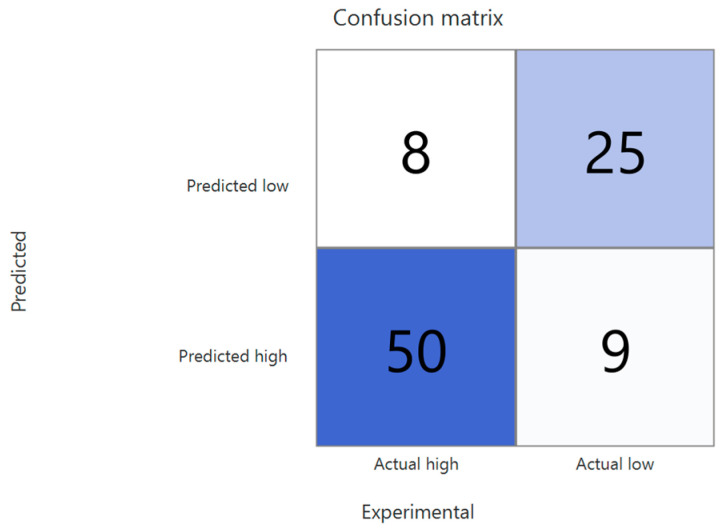 Figure 4
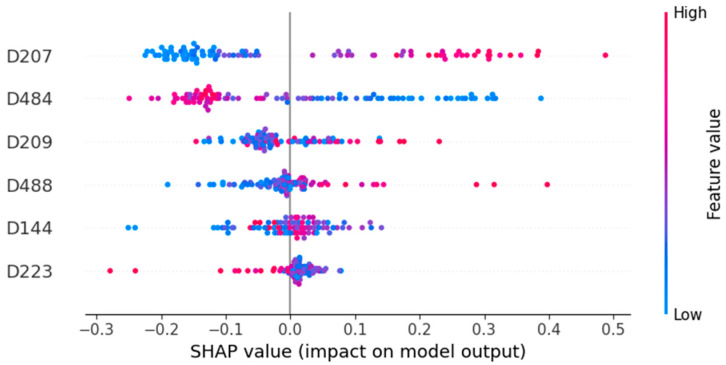 Figure 5
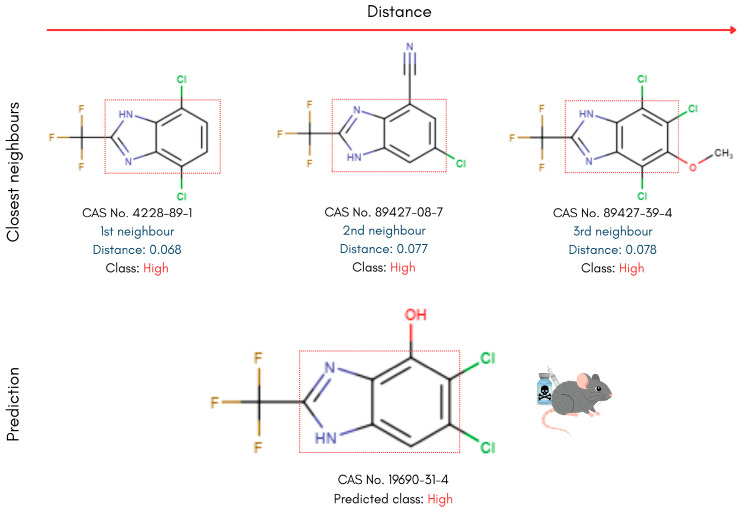 Figure 6
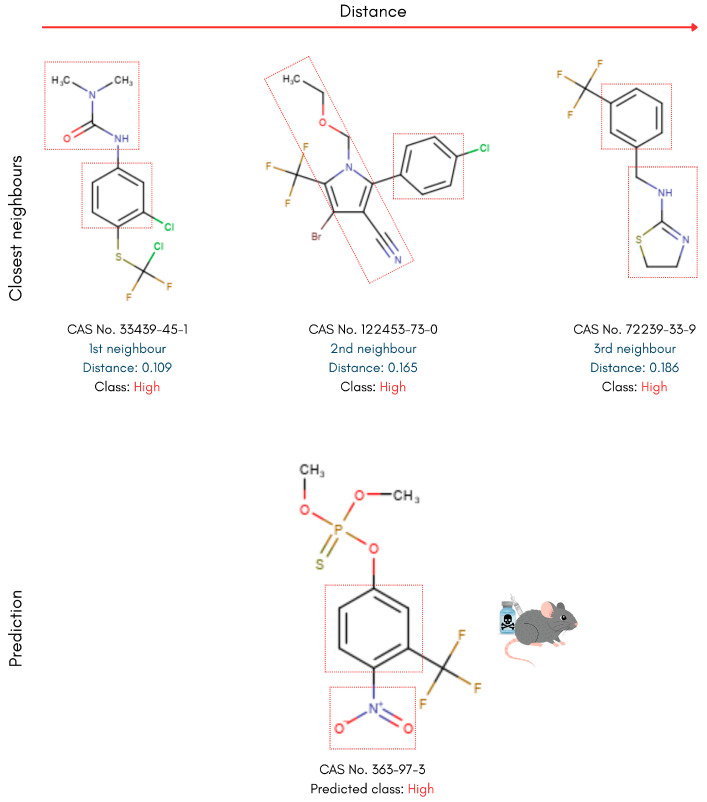 Figure 7
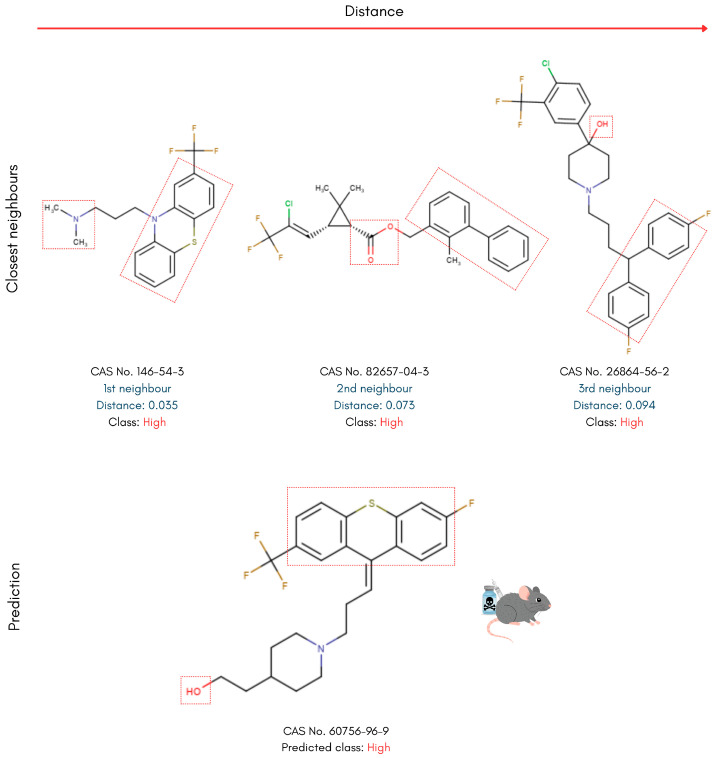 Figure 8
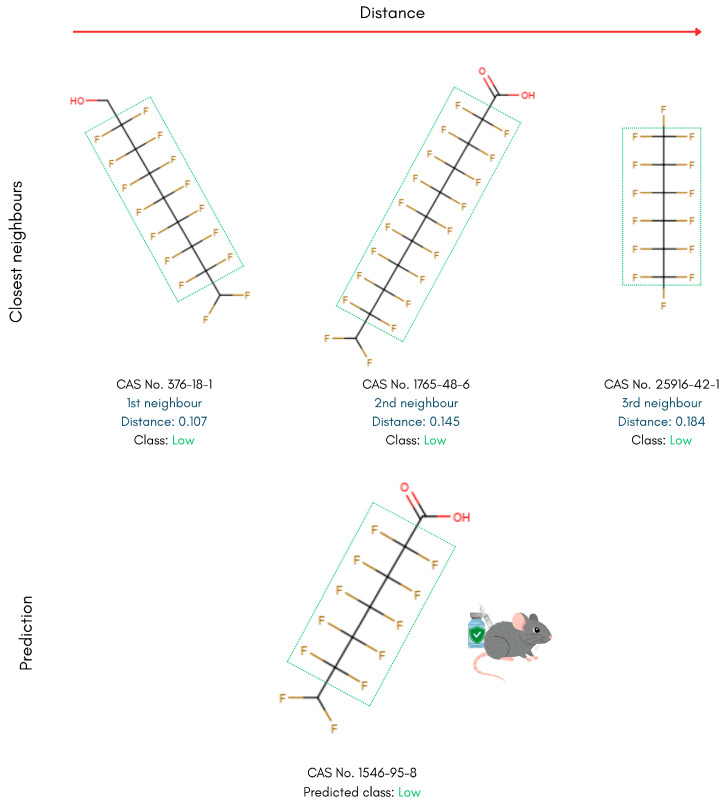 Figure 9
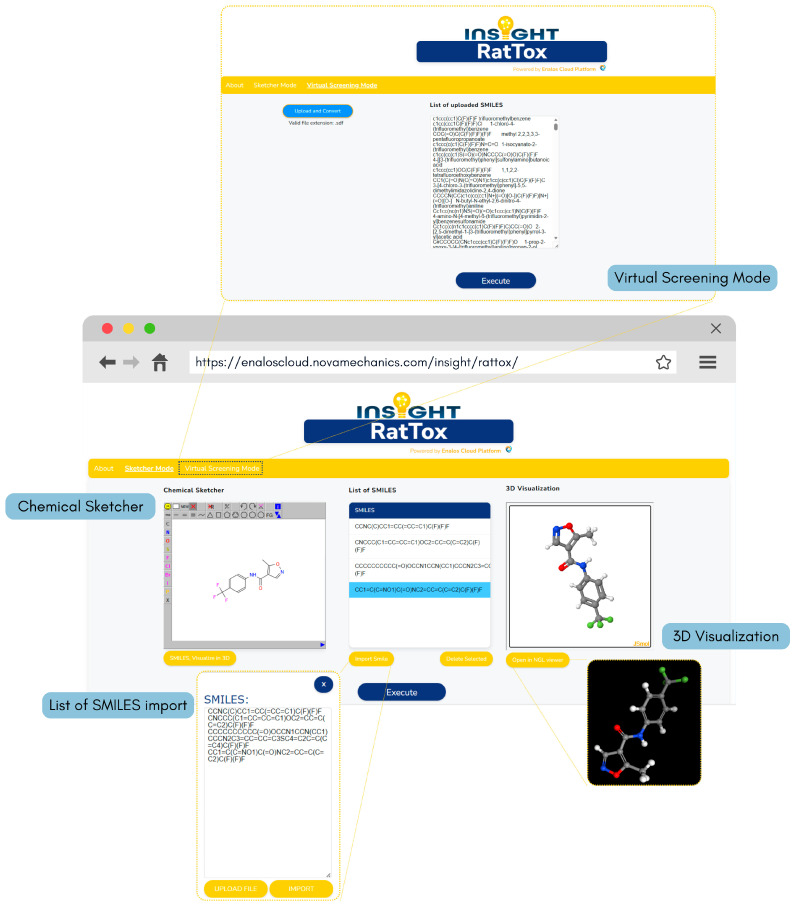 Figure 10
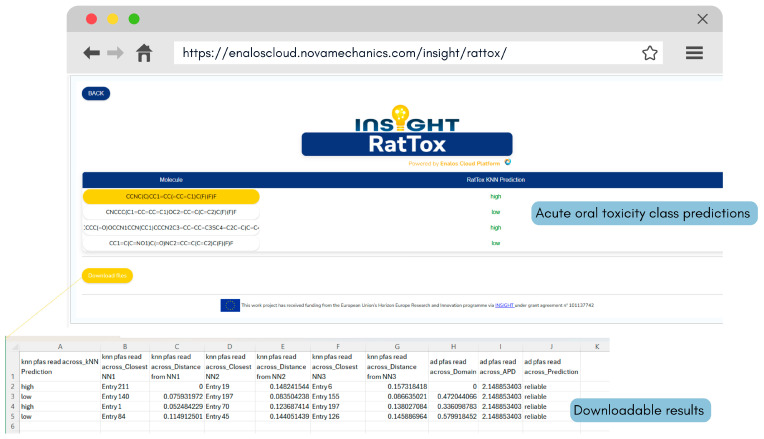 Figure 11
Peer Reviews
No public reviews on file for this paper yet. If you reviewed it on a platform where reviews are public (OpenReview, ICLR, NeurIPS, ICML), you can paste yours below so the community can read it here.
Videos
No videos yet. Explain this paper in a talk, walkthrough, or lecture? Add one.
Taxonomy
TopicsPer- and polyfluoroalkyl substances research · Fluorine in Organic Chemistry · Effects and risks of endocrine disrupting chemicals