Effect of Brominated Epoxy Resin Content on Thermophysical and Mechanical Properties of Intumescent Fire-Protective Coatings
Vladimir Kukushkin, Vyacheslav Subbotin, Nikolay Yashin, Victor Avdeev

TL;DR
This paper studies how adding brominated epoxy resins affects the fire resistance of coatings, finding a balance between self-extinguishing behavior and protective performance.
Contribution
The study reveals a dual effect of brominated epoxy resins on fire-protective coatings, identifying optimal content ranges for practical fire safety applications.
Findings
Partial substitution of epoxy resin with brominated resin at 12.5% enables self-extinguishing behavior in combustible coatings.
Brominated resins reduce thermal insulation capacity, leading to decreased fire-protective efficacy at higher substitution levels.
Brominated resins lower the onset of thermal degradation by about 80 °C compared to halogen-free resins.
Abstract
Intumescent fire-protective coatings based on epoxy binders are widely used to enhance the fire resistance of steel structures due to their high adhesion, mechanical strength, and durability. However, epoxy binders undergo exothermic thermo-oxidative degradation, which can adversely affect fire-protective performance. In this study, the effect of brominated epoxy resin content on the fire-retardant behavior of intumescent coatings was investigated using two systems: one initially supporting flame propagation and one inherently self-extinguishing. For the initially combustible coating, partial substitution of the epoxy diane resin with a brominated analogue at 12.5% resulted in complete self-extinguishing behavior according to UL-94, while higher substitution levels (≥50%) caused a 20–28% reduction in fire-protective efficacy as assessed by BS 476. For the initially non-combustible…
Genes, proteins, chemicals, diseases, species, mutations and cell lines named across the full text — each resolved to its canonical identifier and authoritative record.
Click any figure to enlarge with its caption.
 Figure 1
 Figure 2
 Figure 3
 Figure 4
 Figure 5
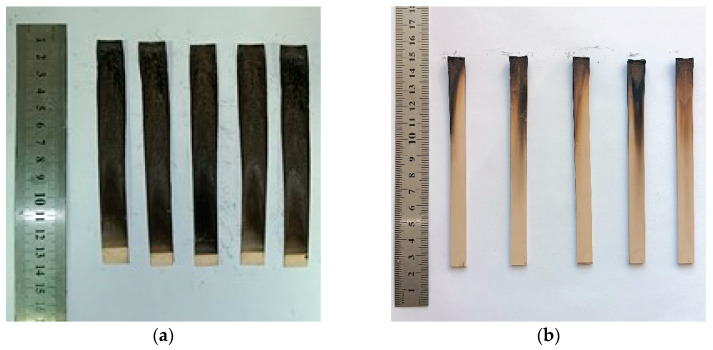 Figure 6
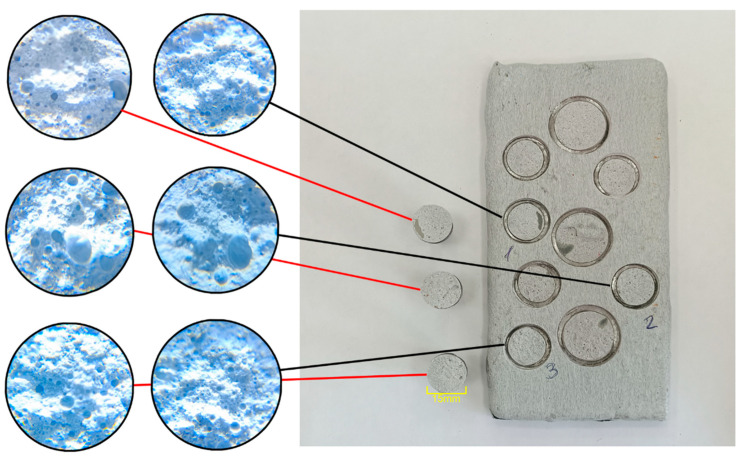 Figure 7
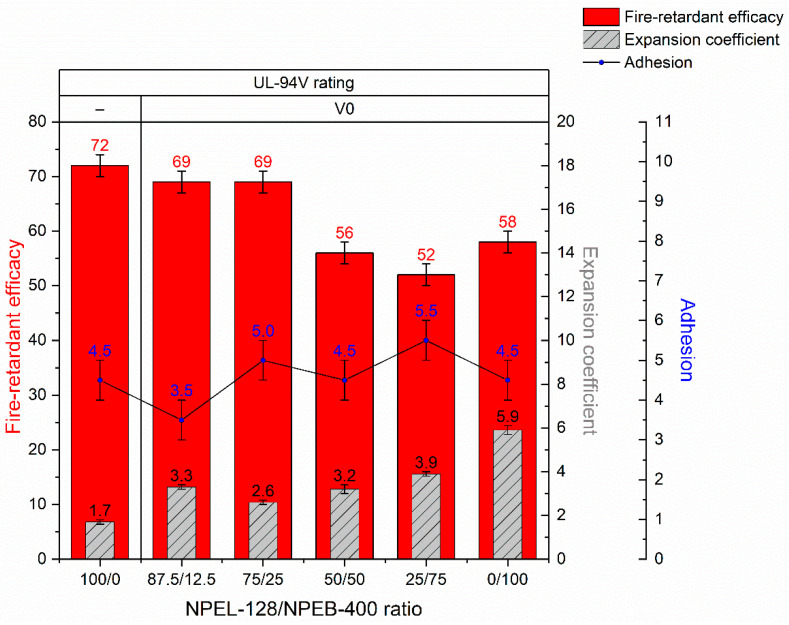 Figure 8
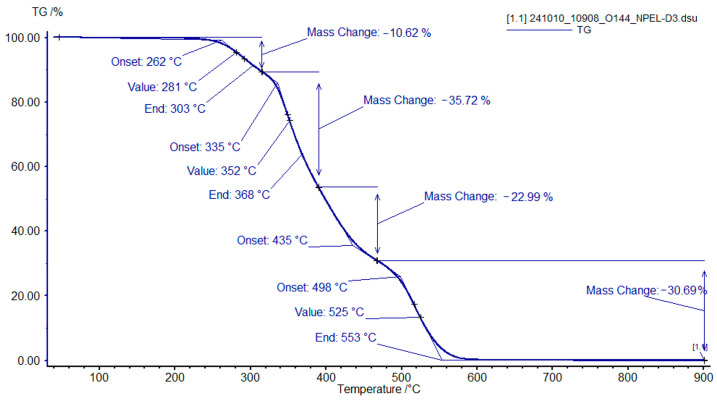 Figure 9
 Figure 10
 Figure 11
 Figure 12
 Figure 13
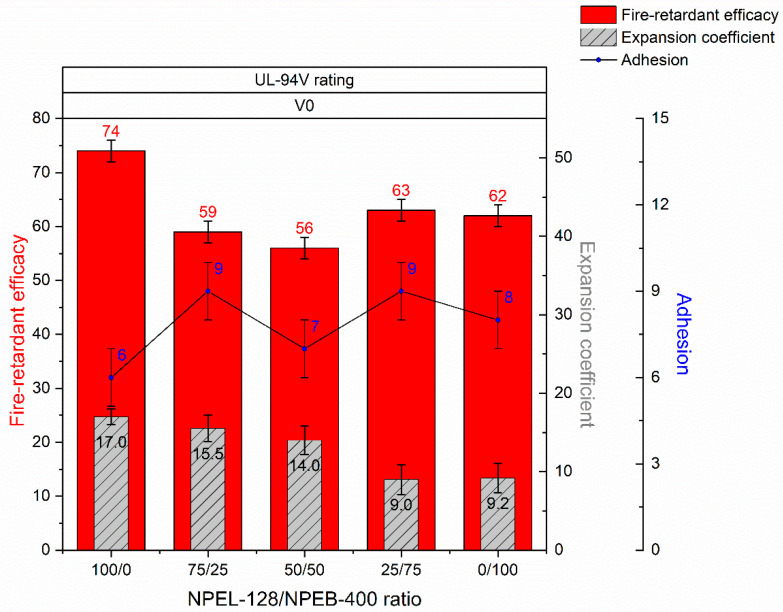 Figure 14
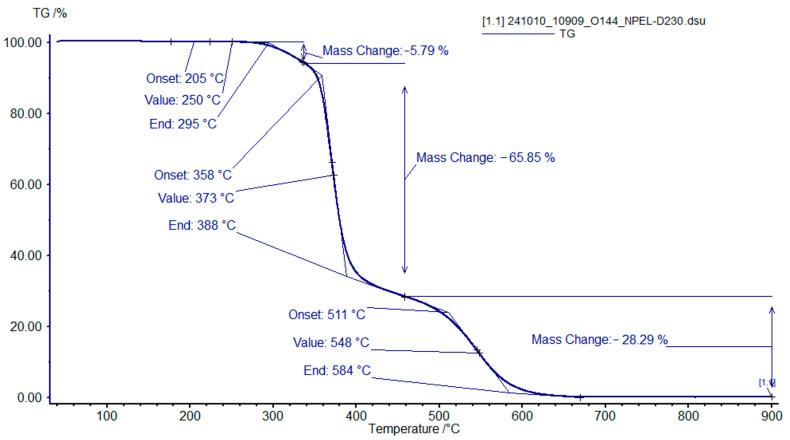 Figure 15
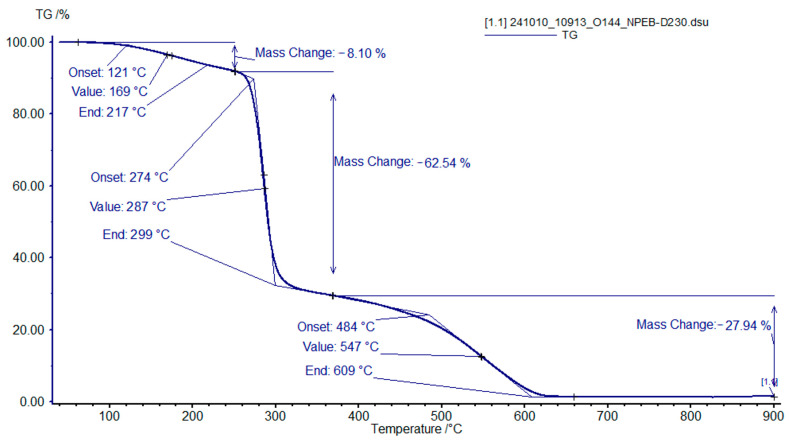 Figure 16
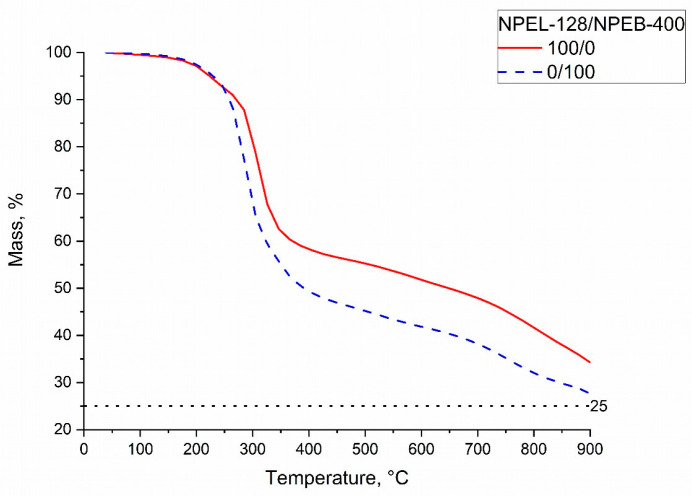 Figure 17
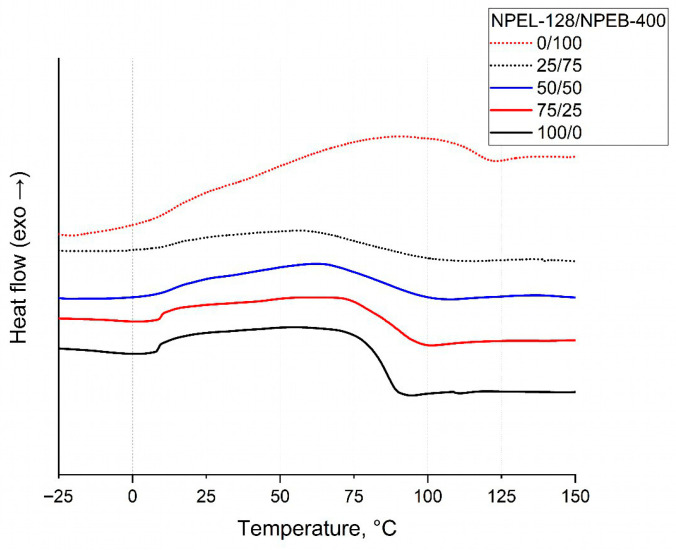 Figure 18
 Figure 19
 Figure 20
 Figure 21
Peer Reviews
No public reviews on file for this paper yet. If you reviewed it on a platform where reviews are public (OpenReview, ICLR, NeurIPS, ICML), you can paste yours below so the community can read it here.
Videos
No videos yet. Explain this paper in a talk, walkthrough, or lecture? Add one.
Taxonomy
TopicsFlame retardant materials and properties · Fire effects on concrete materials · Fire dynamics and safety research