Comprehensive Morpho-Physiological Responses Underlying Salt Tolerance at Different Time Points in Brassica napus Seedlings
Maria Batool, Ali Mahmoud El-Badri, Lei Zheng, Chunyun Wang, Zongkai Wang, Muhammad Ikram, Maaz Ullah, Muhammad Ikram, Muhammad Waqas, Jie Kuai, Chunyu Zhang, Jinxiong Shen, Bo Wang, Guangsheng Zhou

TL;DR
This study explores how different rapeseed varieties respond to salt stress, identifying key traits that improve salt tolerance in seedlings.
Contribution
The study identifies C71 as a salt-tolerant variety and C272 as a sensitive one, revealing tissue-specific ionic and osmotic adjustments over time.
Findings
Salt stress reduced growth and biomass in all varieties, with sensitive seedlings showing greater decline.
C71 showed better osmotic adjustment and lower MDA levels, maintaining cellular homeostasis under salinity.
Tolerant seedlings accumulated more K+ in roots, aiding stress tolerance through ionic homeostasis.
Abstract
Soil salinization is a major environmental hazard, hindering rapeseed development due to sodium ion (Na+) toxicity and ionic imbalances in plant cells. Understanding tolerance mechanisms and categorizing reliable physiochemical indicators is vital for enhancing rapeseed tolerance. Herein, we aimed to enhance knowledge about the stress-responsive mechanism of ten rapeseed varieties (C71, C88, C91, C97, C123, C136, C196, C272, C280, and C320) exposed to five NaCl concentrations (0, 150, 200, 250, and 300 mM) through determining key factors related to salt tolerance at the seedling stage. Our results showed that salt stress significantly reduced seedling growth and biomass with increasing salt stress concentration in a similar pattern in all studied varieties, especially in sensitive seedlings. Furthermore, photosynthetic pigment, osmotic solutes, and MDA showed significant variations…
Genes, proteins, chemicals, diseases, species, mutations and cell lines named across the full text — each resolved to its canonical identifier and authoritative record.
Click any figure to enlarge with its caption.
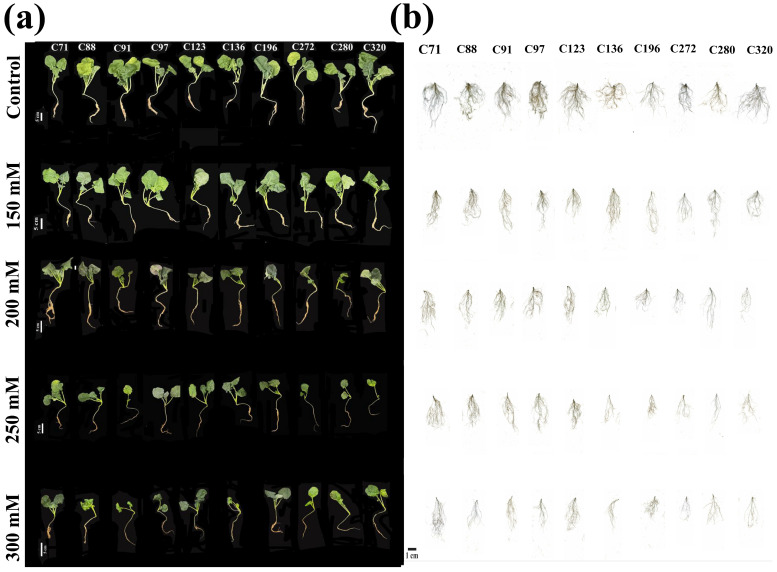 Figure 1
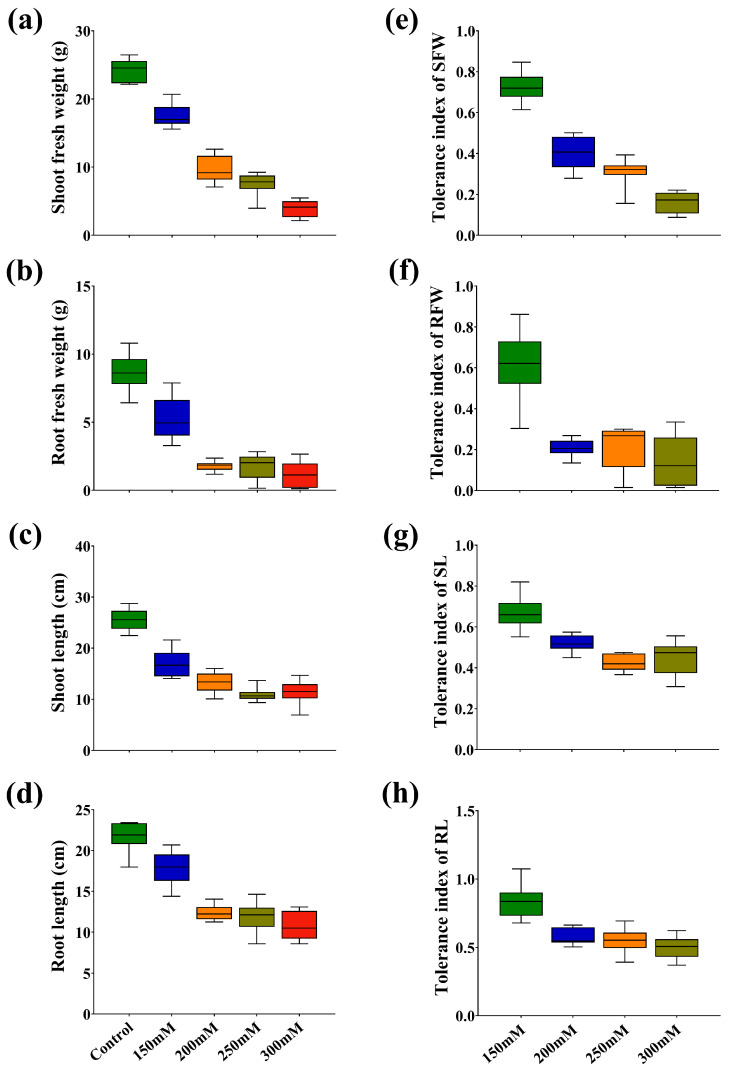 Figure 2
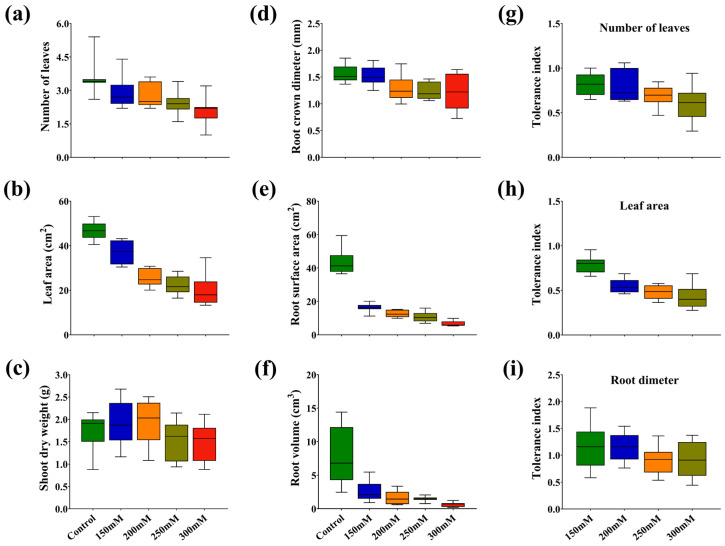 Figure 3
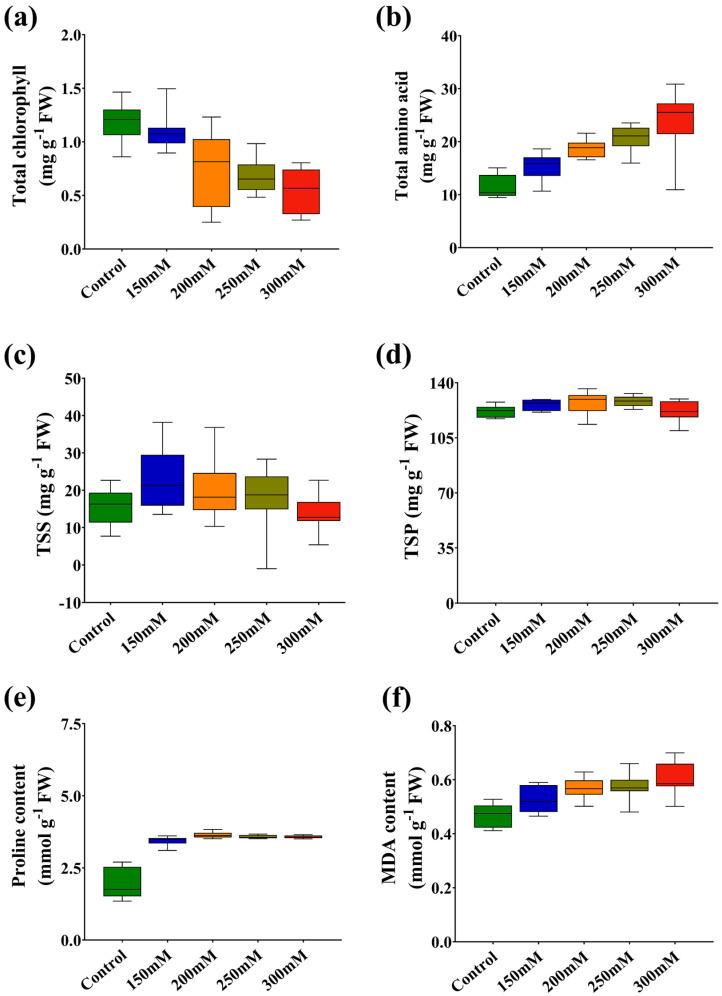 Figure 4
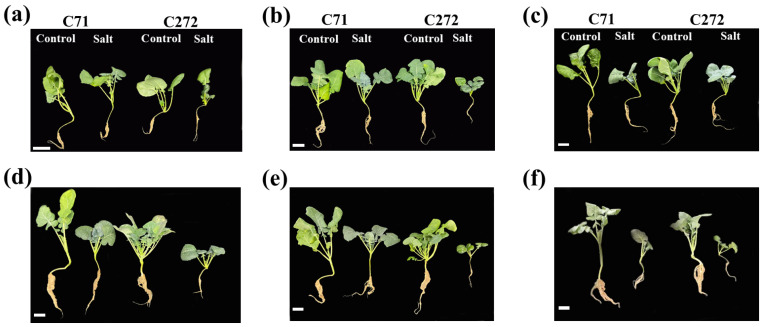 Figure 5
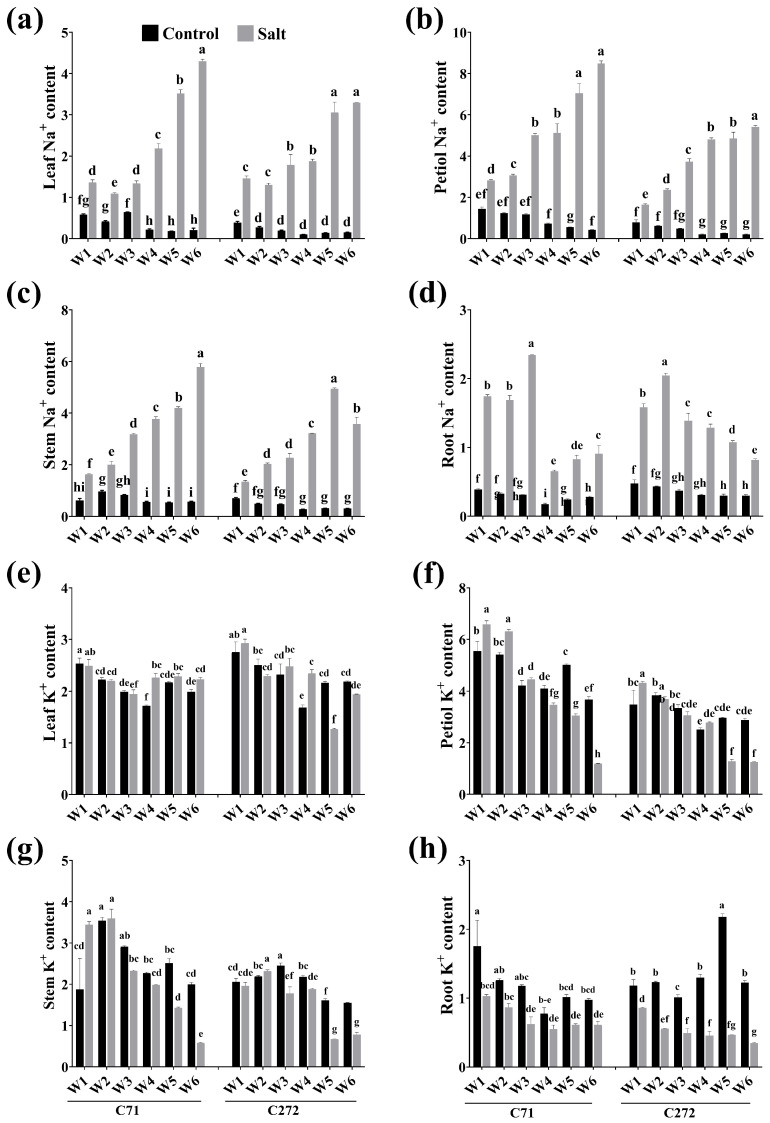 Figure 6
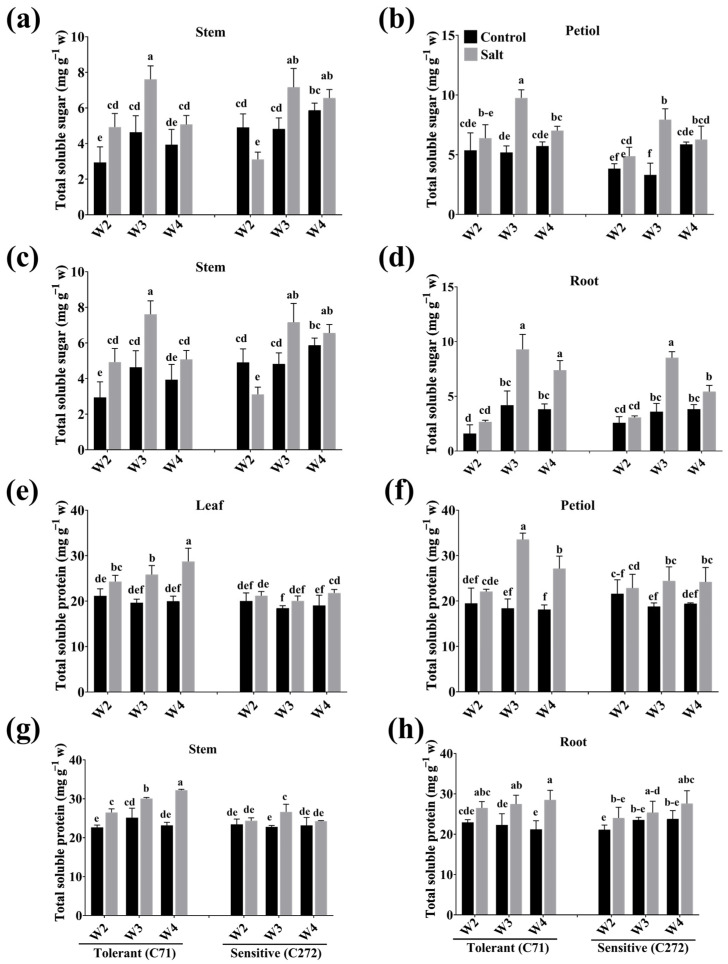 Figure 7
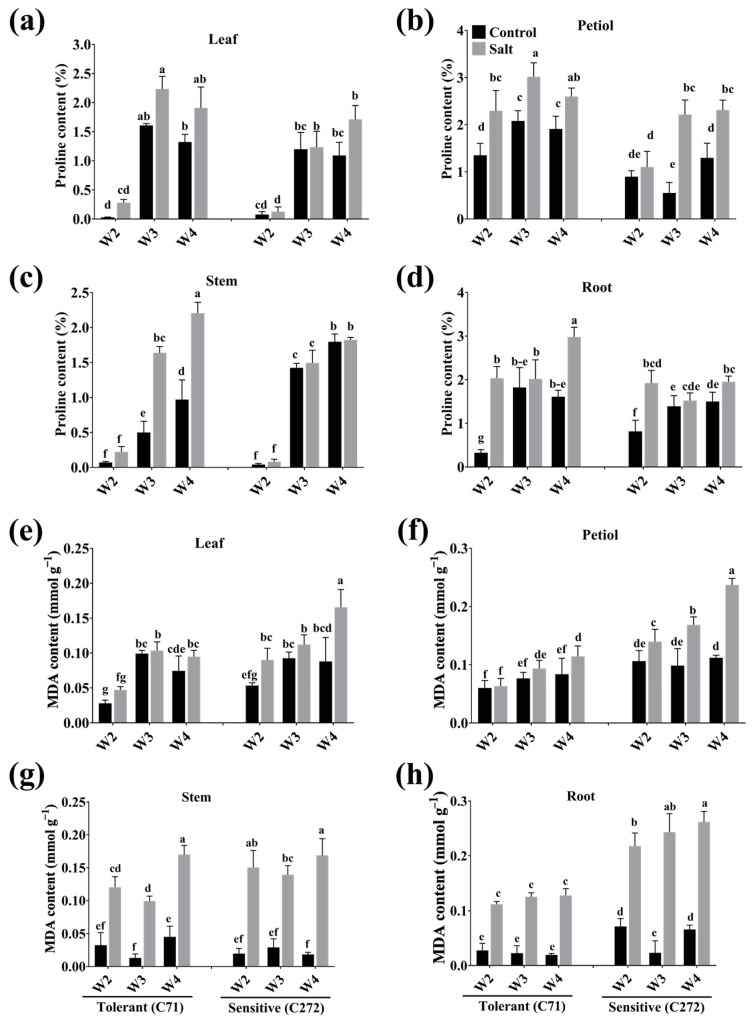 Figure 8
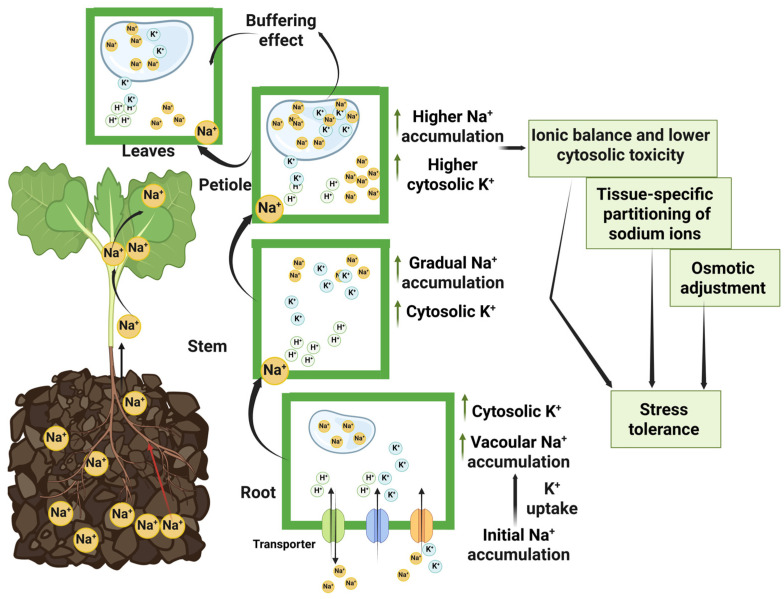 Figure 9
Peer Reviews
No public reviews on file for this paper yet. If you reviewed it on a platform where reviews are public (OpenReview, ICLR, NeurIPS, ICML), you can paste yours below so the community can read it here.
Videos
No videos yet. Explain this paper in a talk, walkthrough, or lecture? Add one.
Taxonomy
TopicsPlant Stress Responses and Tolerance · Nitrogen and Sulfur Effects on Brassica · Photosynthetic Processes and Mechanisms