Dual-Readout Self-Resetting CMOS Image Sensor for Resolving Sub-Percent Optical Contrast in Biomedical Imaging
Kiyotaka Sasagawa, Subaru Iwaki, Kenji Morimoto, Ryoma Okada, Hironari Takehara, Makito Haruta, Hiroyuki Tashiro, Jun Ohta

TL;DR
A new CMOS image sensor improves biomedical imaging by detecting very small optical contrast changes with high precision.
Contribution
The dual-readout self-resetting CMOS sensor enables sub-percent contrast resolution with high SNR, overcoming reset artifacts.
Findings
The sensor achieves over 70 dB SNR, near the shot-noise limit.
It successfully visualized ±0.25% contrast fluctuations in vascular phantom experiments.
The design allows continuous data acquisition during self-reset periods.
Abstract
We report a dual-readout self-resetting CMOS image sensor that achieves a signal-to-noise ratio (SNR) exceeding 70 dB and resolves sub-percent optical contrast variations by effectivly suppressing reset artifacts. The proposed sensor employs a Dual-Readout architecture with two independent scanners operating with a temporal offset; while one readout system is in the self-reset “dead time”, the other remains active, thereby physically ensuring continuous data acquisition. To minimize pixel area while achieving high reconstruction accuracy, a minimum frame-to-frame difference algorithm is utilized for signal restoration without requiring in-pixel counters. A prototype chip fabricated in a 0.35-μm process demonstrated SNR characteristics near the shot-noise limit, with a peak SNR exceeding 70 dB. Vascular phantom experiments using a carbon black suspension successfully visualized ±0.25%…
Genes, proteins, chemicals, diseases, species, mutations and cell lines named across the full text — each resolved to its canonical identifier and authoritative record.
Click any figure to enlarge with its caption.
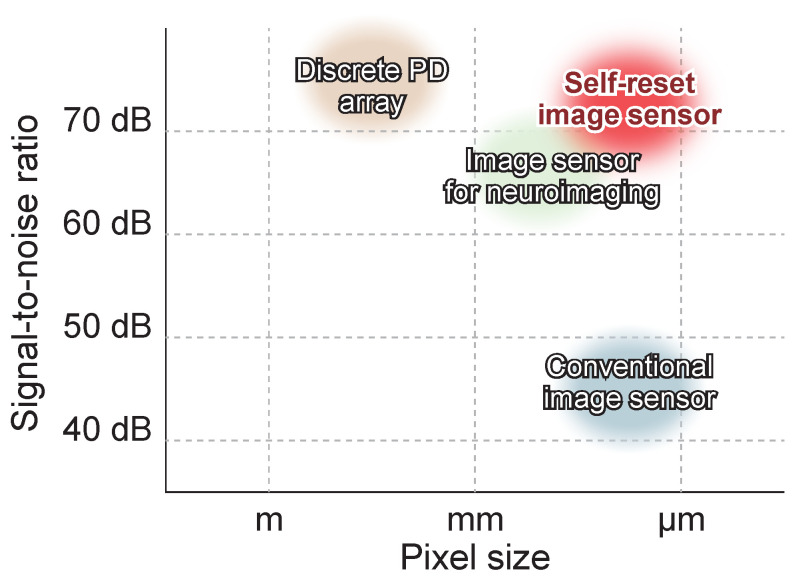 Figure 1
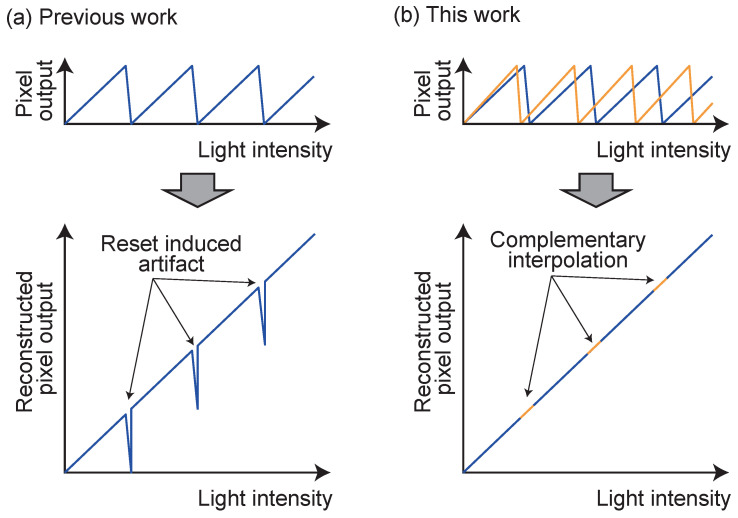 Figure 2
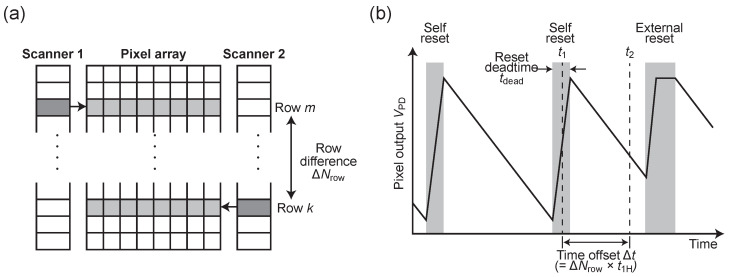 Figure 3
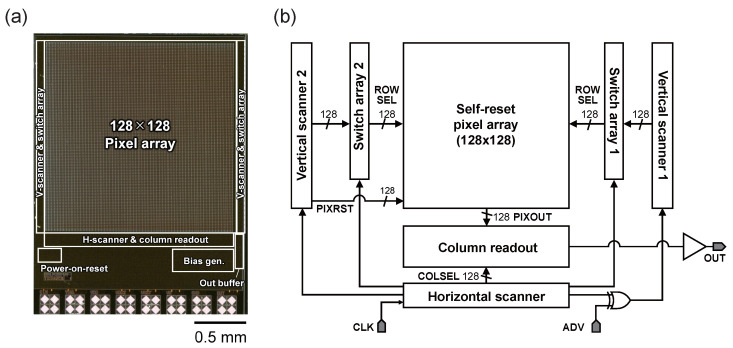 Figure 4
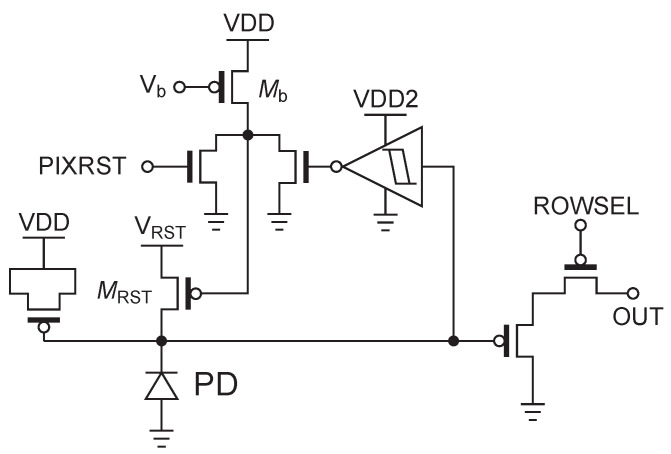 Figure 5
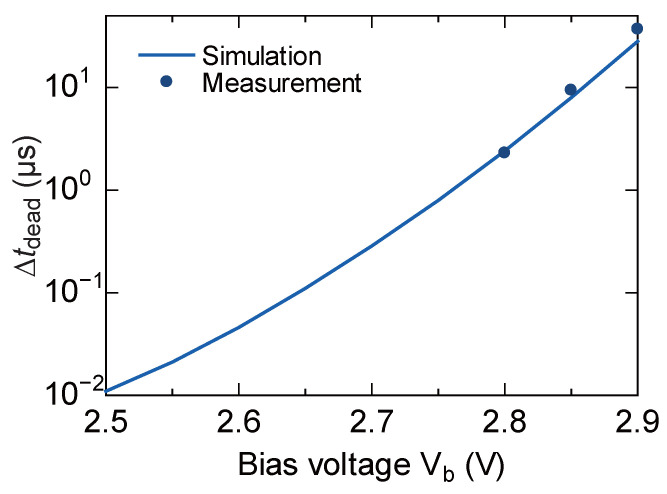 Figure 6
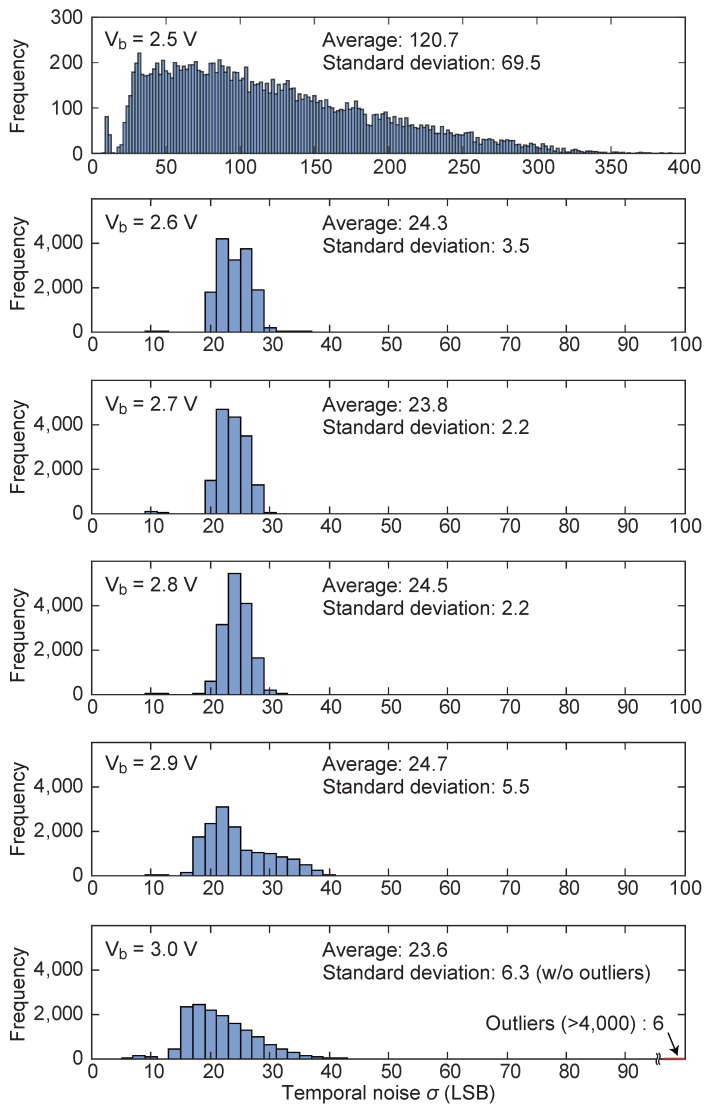 Figure 7
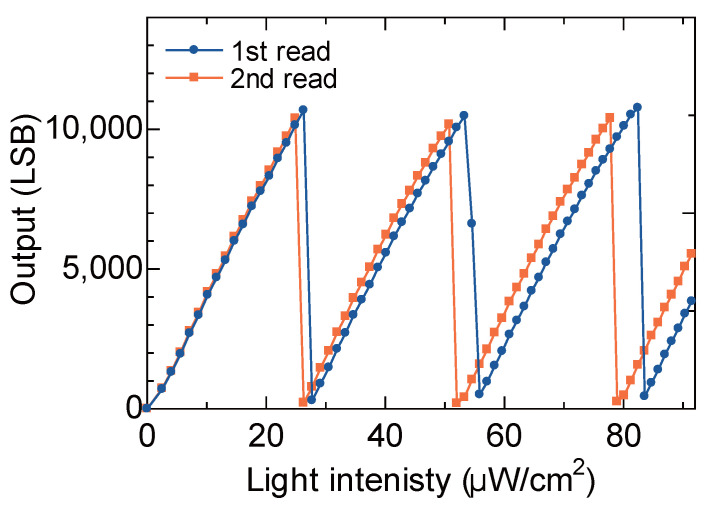 Figure 8
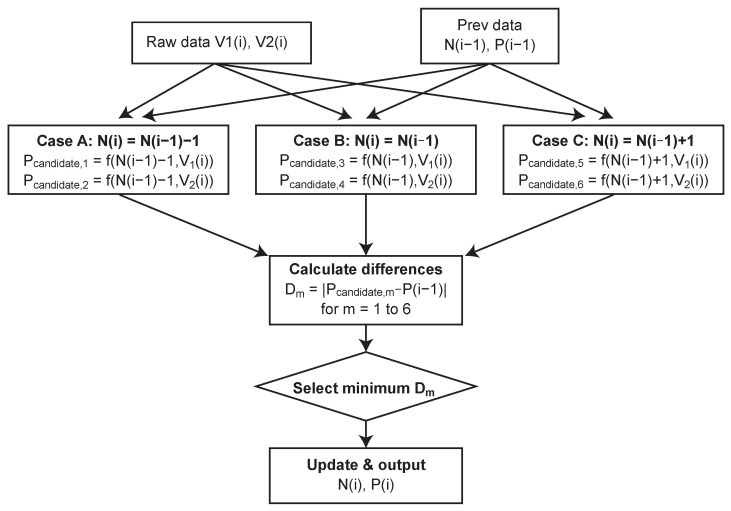 Figure 9
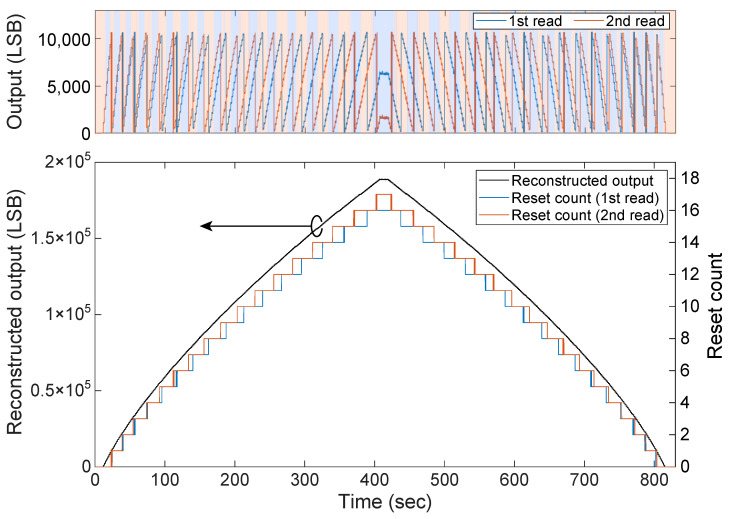 Figure 10
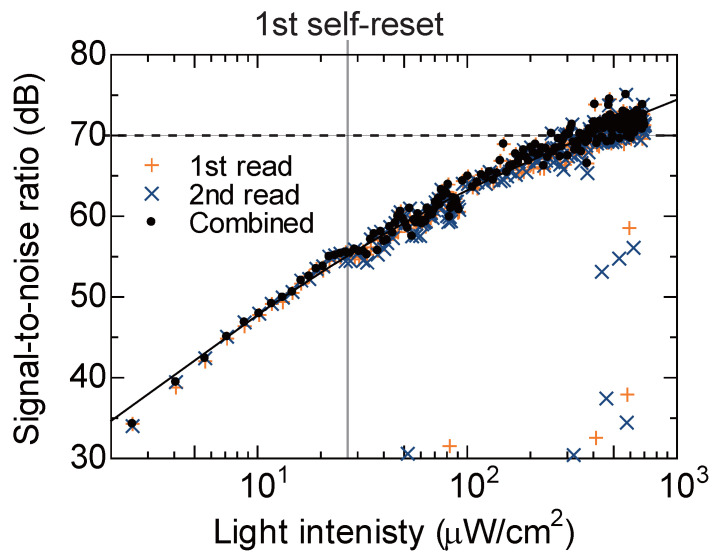 Figure 11
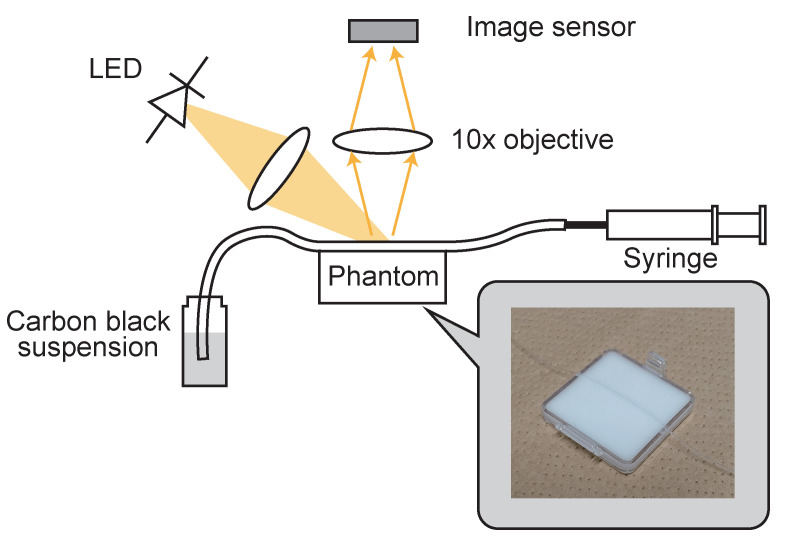 Figure 12
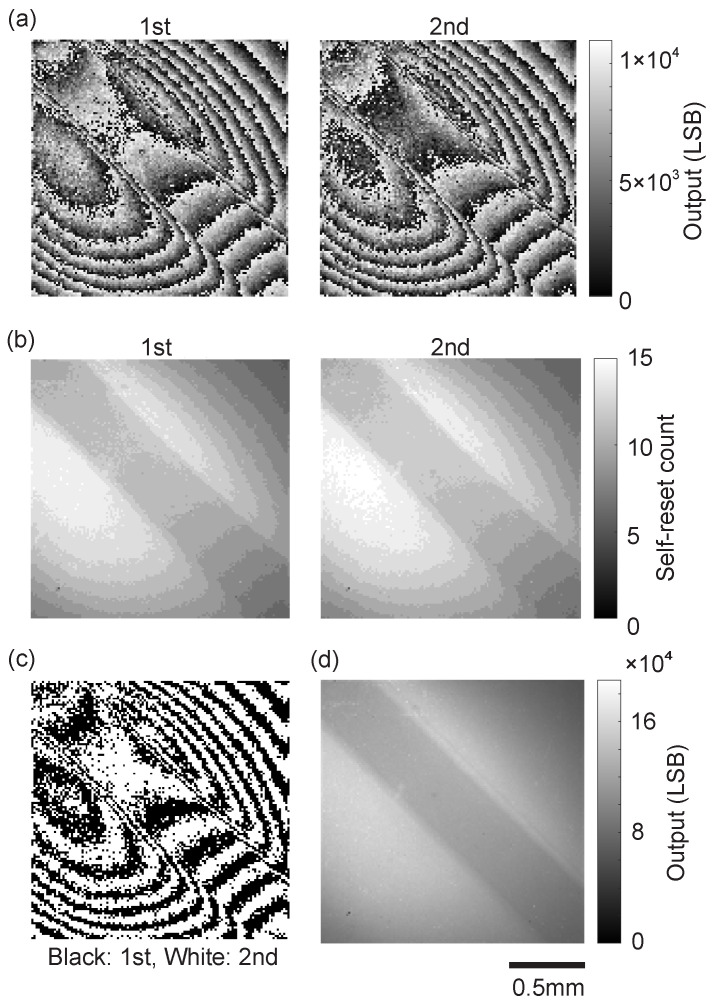 Figure 13
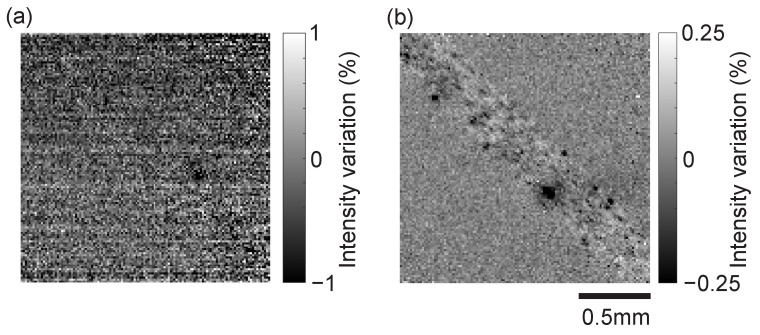 Figure 14
Peer Reviews
No public reviews on file for this paper yet. If you reviewed it on a platform where reviews are public (OpenReview, ICLR, NeurIPS, ICML), you can paste yours below so the community can read it here.
Videos
No videos yet. Explain this paper in a talk, walkthrough, or lecture? Add one.
Taxonomy
TopicsCCD and CMOS Imaging Sensors · Advanced Optical Sensing Technologies · Advanced Memory and Neural Computing