Optimization of Intraoperative Near-Infrared Fluorescence Mapping with Indocyanine Green for Sentinel Lymph Node Detection in Cervical and Endometrial Cancer
Kanamat Efendiev, Maria Meshkova, Polina Alekseeva, Andrei Udeneev, Arkadii Moskalev, Maxim Loshchenov, Heda Maltsagova, Svetlana Mukhtarulina, Andrey Kaprin, Victor Loschenov

TL;DR
This study shows that using indocyanine green with near-infrared imaging improves sentinel lymph node detection in cervical and endometrial cancer surgeries.
Contribution
The study identifies optimal timing for fluorescence imaging and models ICG concentration effects in lymph for better surgical accuracy.
Findings
SLNs were detected in all patients with an average detection time of 15 minutes.
Fluorescence intensity was highest 10–15 minutes after ICG injection.
A logarithmic model accurately predicted ICG concentration in lymph based on fluorescence shifts.
Abstract
Background/Objectives: Lymph node dissection during surgeries for cervical and endometrial cancer is associated with significant complications and morbidity. Sentinel lymph nodes (SLNs) mapping using indocyanine green (ICG) has become a promising method for reducing surgical invasiveness and improving patient outcomes. However, the optimal protocol for intraoperative fluorescence mapping of SLNs using ICG, especially regarding the timing of imaging after injection, remains to be fully optimized. This study aimed to evaluate the efficacy of real-time near-infrared (NIR) fluorescence SLN mapping at various time intervals and to investigate the photophysical properties of ICG in human lymph to establish a correlation between fluorescence signals and dye concentration. Methods: A prospective study included 20 patients with cervical and endometrial cancer undergoing laparoscopic or…
Genes, proteins, chemicals, diseases, species, mutations and cell lines named across the full text — each resolved to its canonical identifier and authoritative record.
Click any figure to enlarge with its caption.
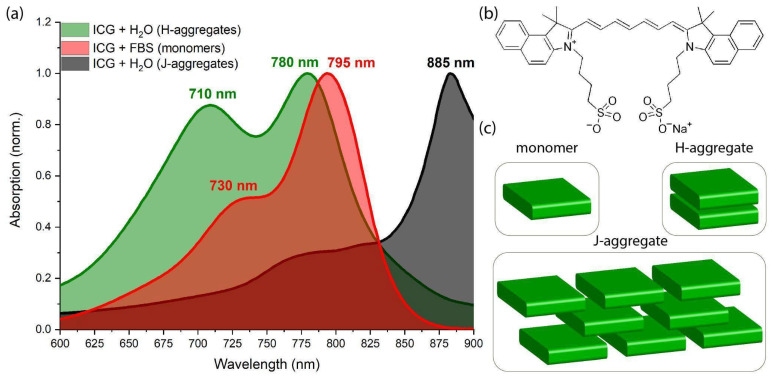 Figure 1
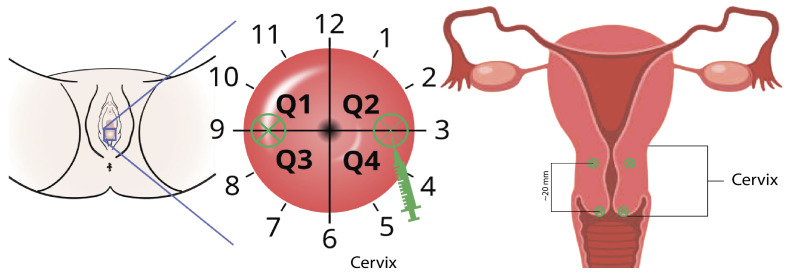 Figure 2
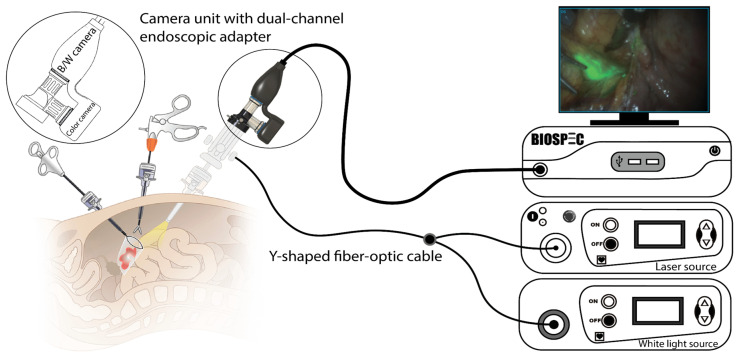 Figure 3
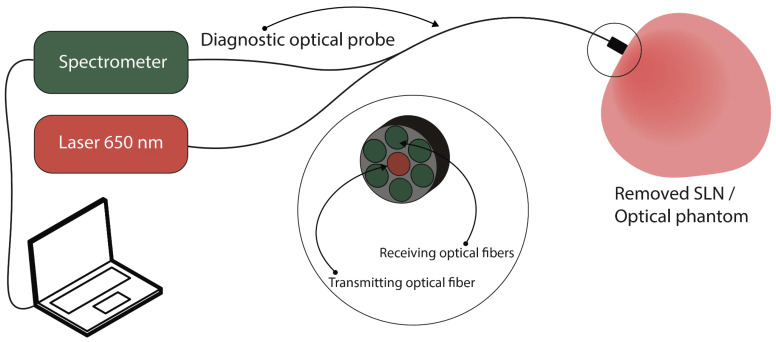 Figure 4
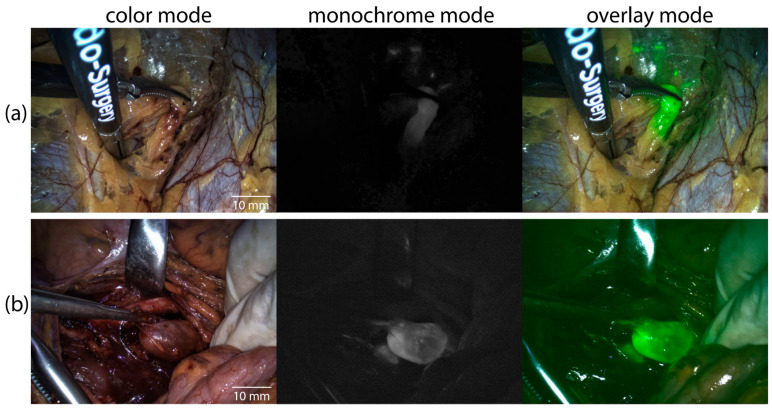 Figure 5
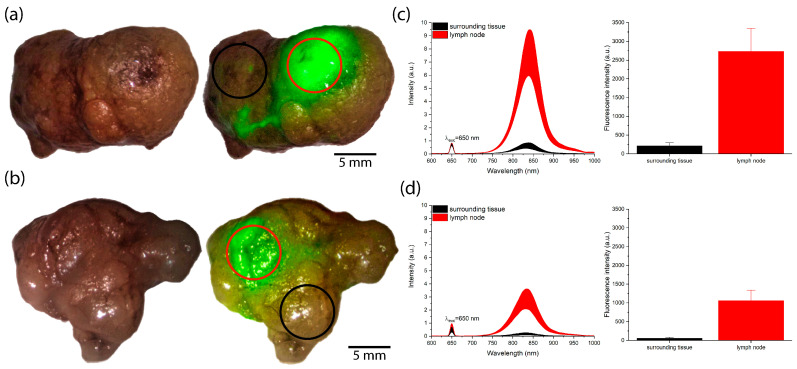 Figure 6
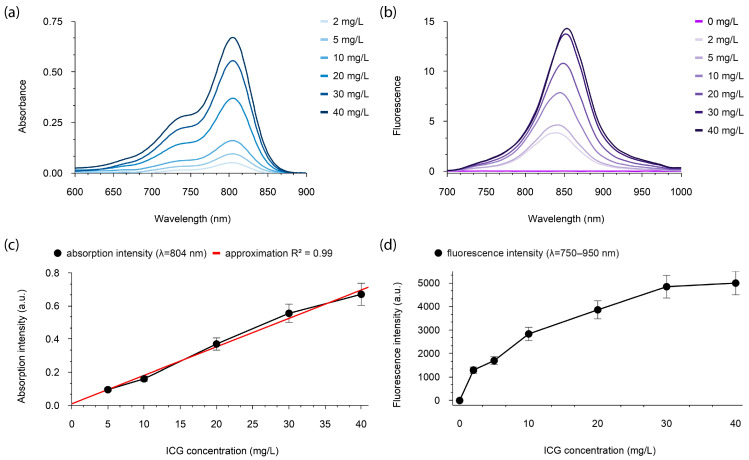 Figure 7
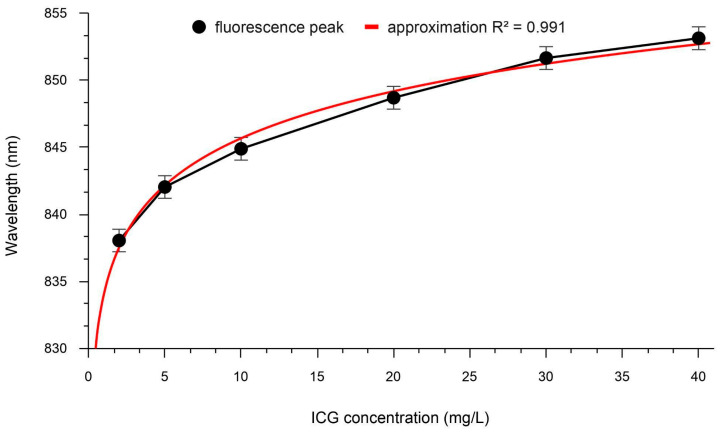 Figure 8
Peer Reviews
No public reviews on file for this paper yet. If you reviewed it on a platform where reviews are public (OpenReview, ICLR, NeurIPS, ICML), you can paste yours below so the community can read it here.
Videos
No videos yet. Explain this paper in a talk, walkthrough, or lecture? Add one.
Taxonomy
TopicsEndometrial and Cervical Cancer Treatments · Nanoplatforms for cancer theranostics · Optical Imaging and Spectroscopy Techniques