Non-invasive detection of metastatic papillary thyroid carcinoma after radical surgery using salivary metabolomic biomarkers
Fei Yu, Jingya Pan, Liuting Zhang, Shaohua Li, Chuan Zhang, Jingjing Fu, Peng Zhou, Jun Wang, Xiaochen Yao, Yudan Ni, Ailing Zhang, Qingle Meng, Rui Yang, Lei Xu, Feng Wang, Jianhua Wang, Liang Shi

TL;DR
This study identifies salivary metabolites that can non-invasively detect metastatic thyroid cancer after surgery, helping determine proper radioactive iodine treatment.
Contribution
The study introduces novel salivary metabolomic biomarkers for detecting metastatic papillary thyroid carcinoma post-surgery.
Findings
119 differential metabolites were identified, with 108 upregulated and 11 downregulated in metastatic PTC.
Six metabolites (five lipids, one amine) showed strong diagnostic performance with area under the curve values exceeding 0.8.
Key dysregulated pathways include necroptosis, choline metabolism, and sphingolipid signaling in metastatic PTC.
Abstract
Accurate assessment of metastatic status is crucial for determining radioactive iodine (RAI) dosing in postoperative papillary thyroid carcinoma (PTC) patients. This study aimed to identify unbiased biomarkers in metastatic PTC patients after surgery by applying a metabolomics workflow in saliva samples. Saliva samples from 70 postoperative PTC patients (35 metastatic PTC patients in metastasis group and 35 non-metastatic PTC patients in control group) were analyzed using liquid chromatography – mass spectrometry. Orthogonal partial least-squares-discriminant analysis was applied to identify differential metabolites and significant pathways were examined within these metabolites. Receiver operating characteristic curve (ROC) analysis was utilized to further evaluate the diagnostic performance of candidate metabolites. A total of 119 differential metabolites were identified, with 108…
Genes, proteins, chemicals, diseases, species, mutations and cell lines named across the full text — each resolved to its canonical identifier and authoritative record.
Click any figure to enlarge with its caption.
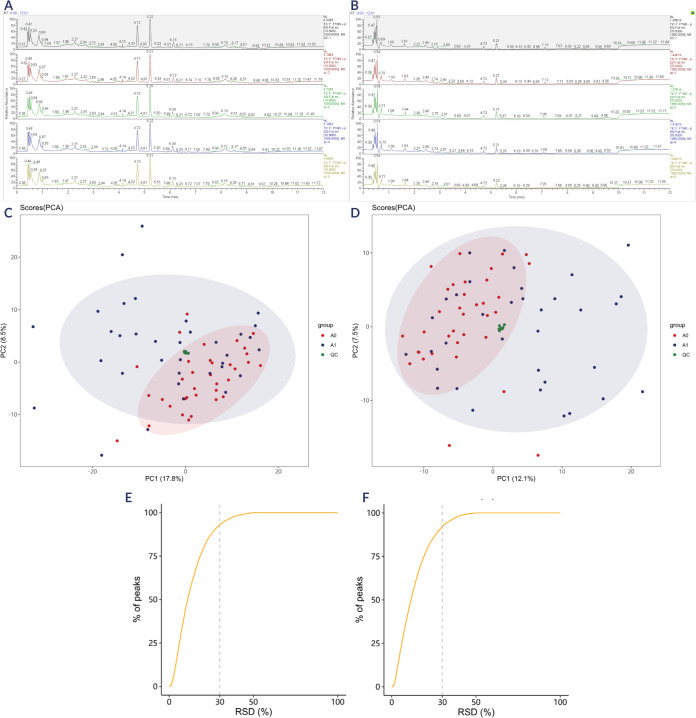 Figure 1
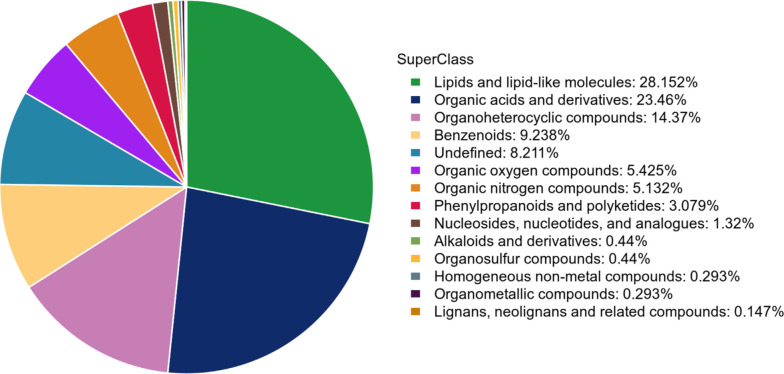 Figure 2
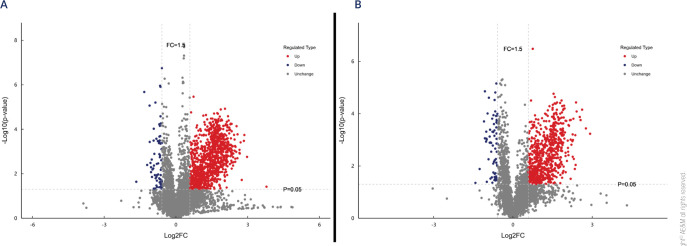 Figure 3
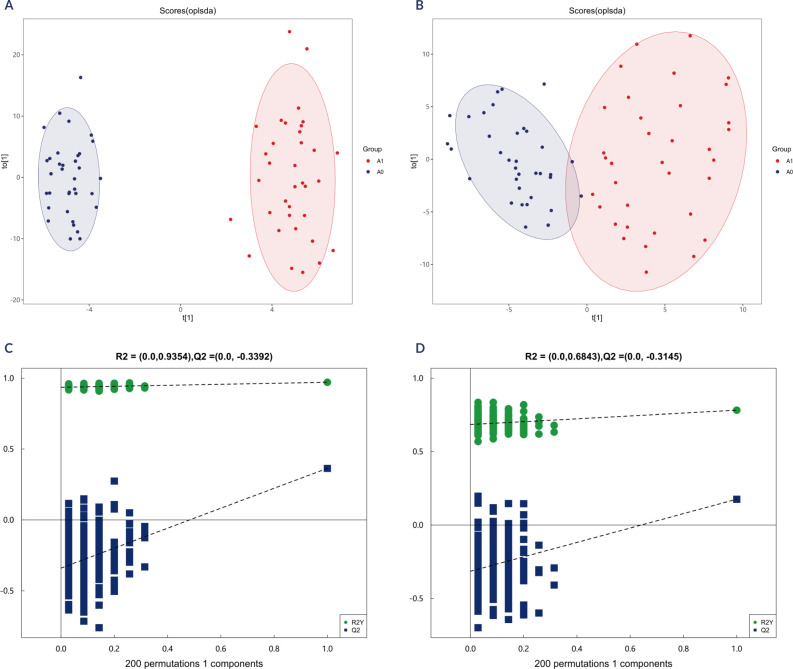 Figure 4
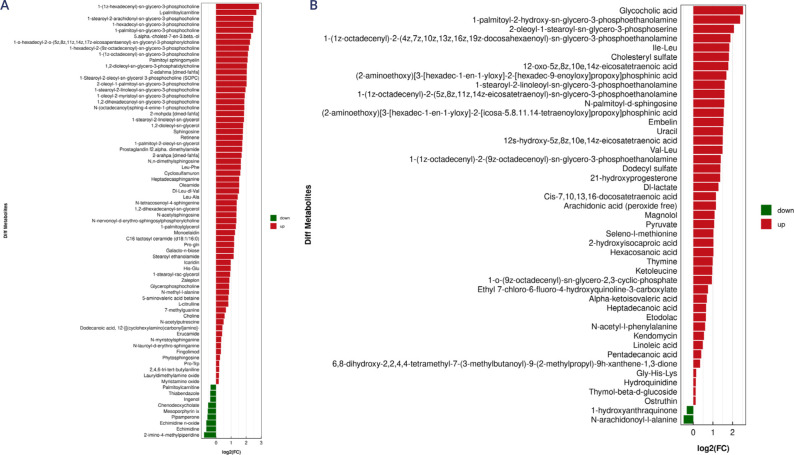 Figure 5
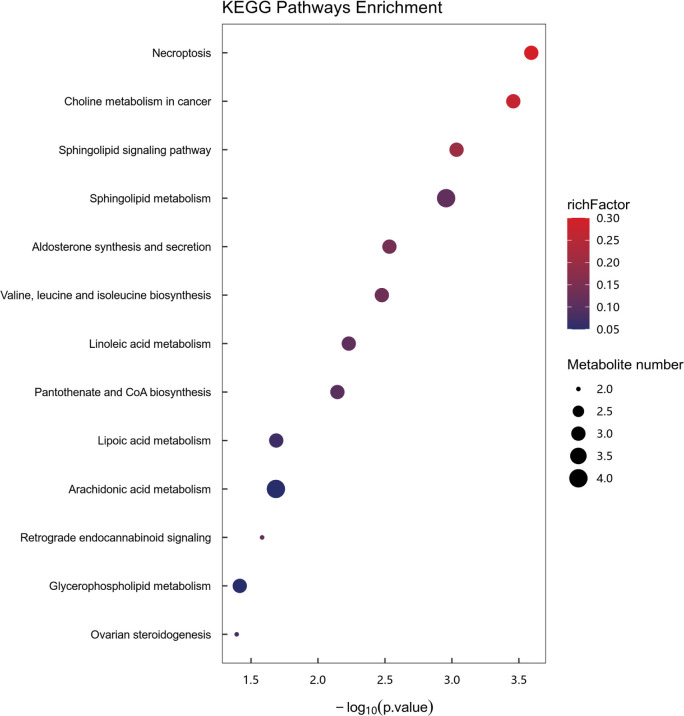 Figure 6
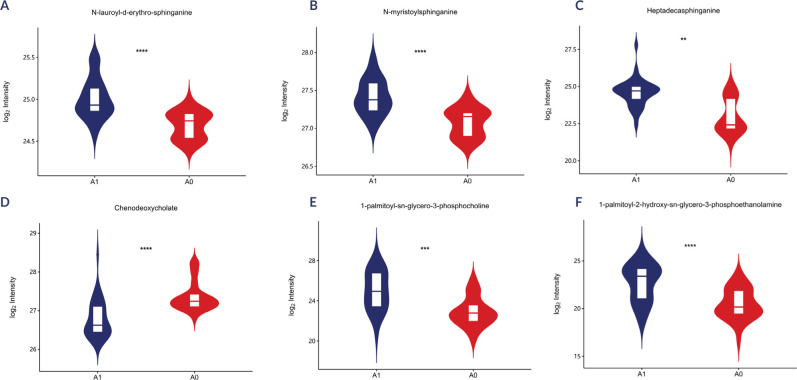 Figure 7
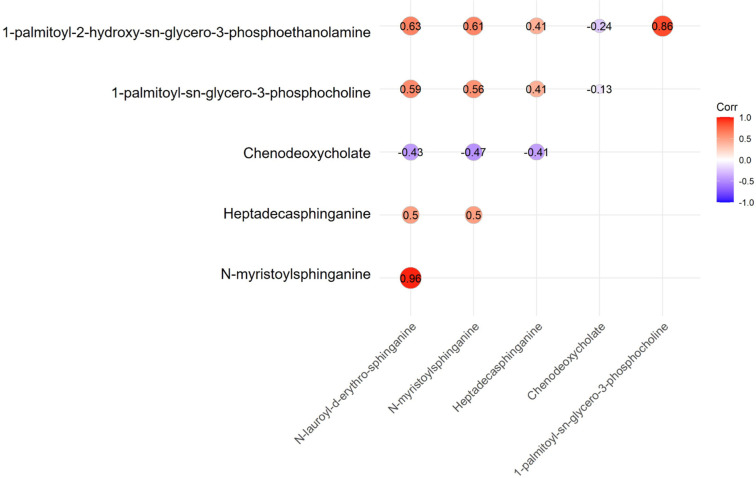 Figure 8
Peer Reviews
No public reviews on file for this paper yet. If you reviewed it on a platform where reviews are public (OpenReview, ICLR, NeurIPS, ICML), you can paste yours below so the community can read it here.
Videos
No videos yet. Explain this paper in a talk, walkthrough, or lecture? Add one.
Taxonomy
TopicsThyroid Cancer Diagnosis and Treatment · Salivary Gland Disorders and Functions · Cancer, Stress, Anesthesia, and Immune Response