EEG-Based Emotion Estimation Model Integrating Structural and Time-Series Information Based on Deep Learning Architecture Optimization
Kota Tsuji, Keiko Ono, Takuya Futagami

TL;DR
This paper introduces a new deep learning model for estimating emotions from EEG data by combining spatial and temporal features with automated architecture optimization.
Contribution
The novel dual-pipeline model integrates GCN, LSTM, channel attention, and DARTS for individualized EEG emotion recognition.
Findings
The proposed model achieves competitive accuracy in emotion recognition from EEG data.
The integration of GCN and LSTM with attention mechanisms improves adaptability to individual EEG patterns.
DARTS reduces architecture search costs compared to manual tuning methods.
Abstract
Emotion recognition is increasingly important for applications in mental health and personalized marketing. Traditional methods based on facial and vocal cues lack robustness due to voluntary control, motivating the use of EEG signals that capture neural dynamics with high temporal resolution. Existing EEG-based approaches using CNNs and LSTMs have improved spatial and temporal feature extraction; however, they still face critical limitations. These models struggle to represent electrode connectivity and adapt to inter-individual variability, and their architectures are typically handcrafted, requiring extensive manual tuning of hyperparameters and structural design. Such constraints hinder scalability and personalization, highlighting the need for automated architecture optimization. To address these challenges, we propose a dual-pipeline architecture that integrates frequency-domain…
Genes, proteins, chemicals, diseases, species, mutations and cell lines named across the full text — each resolved to its canonical identifier and authoritative record.
Click any figure to enlarge with its caption.
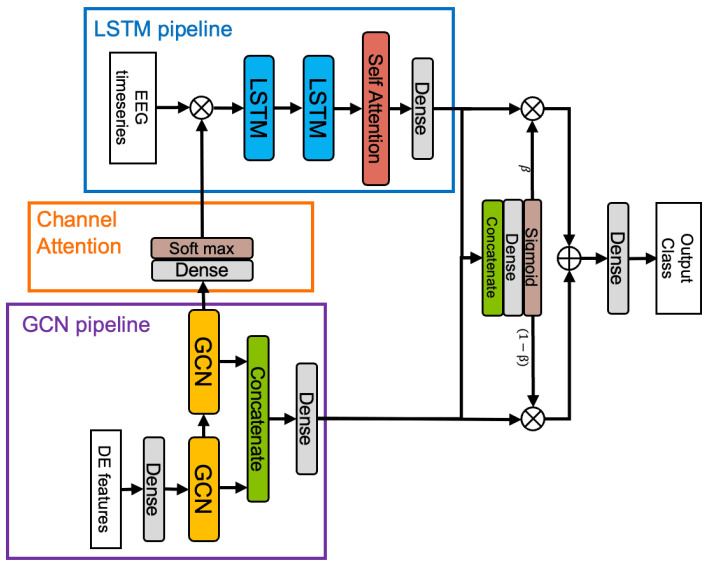 Figure 1
 Figure 2
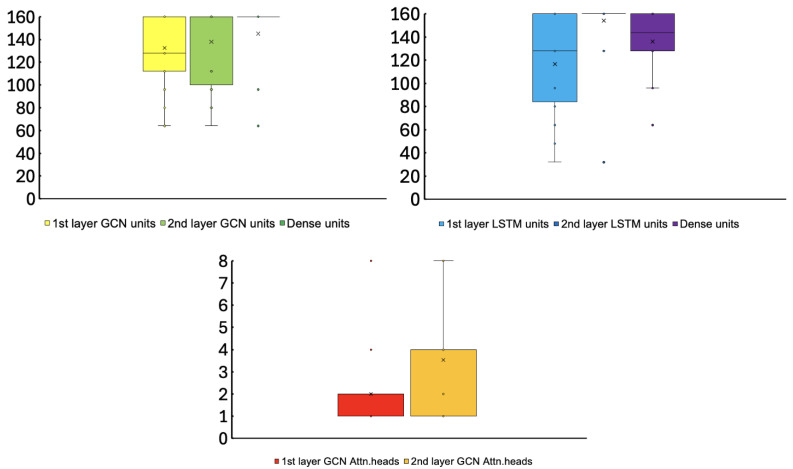 Figure 3
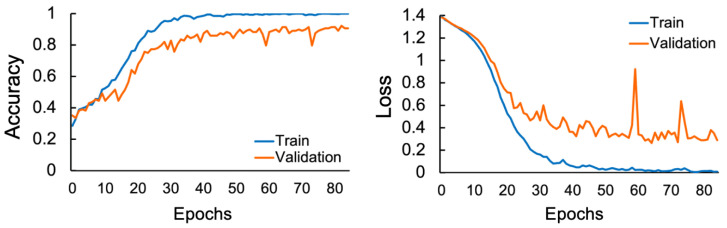 Figure 4
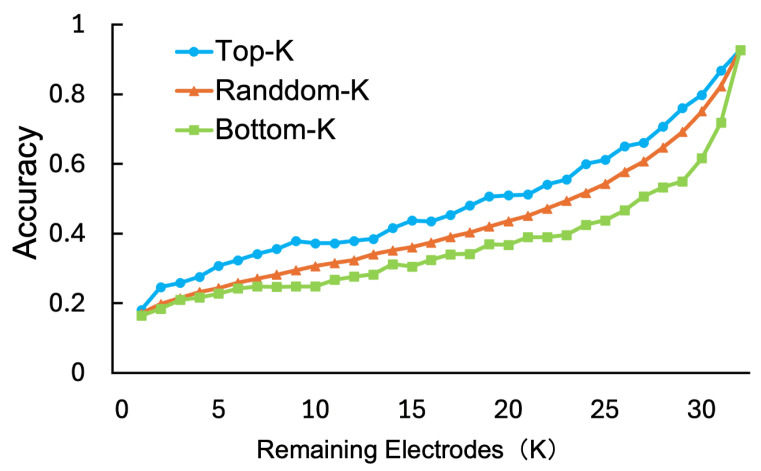 Figure 5
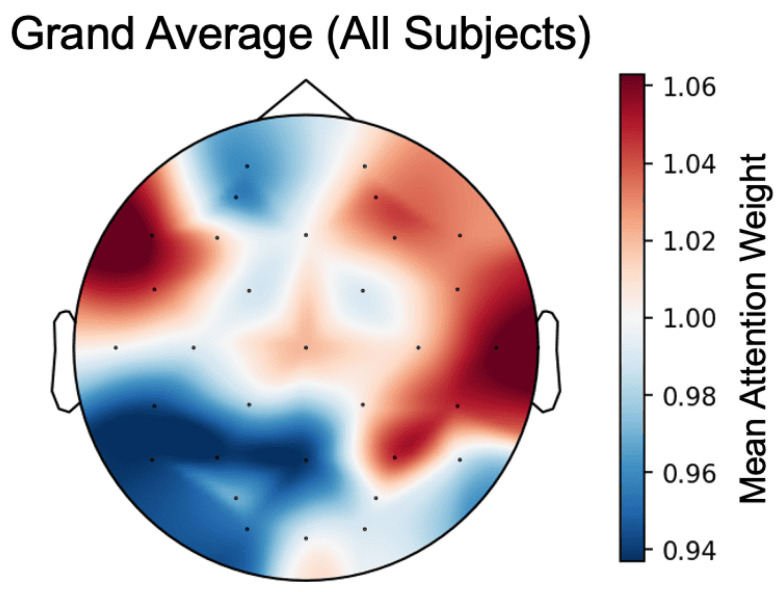 Figure 6
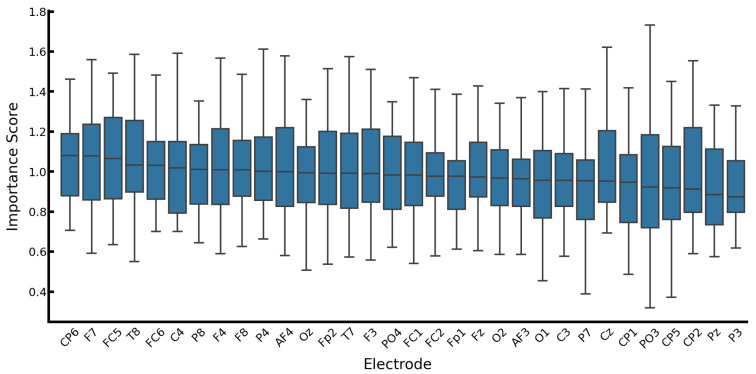 Figure 7
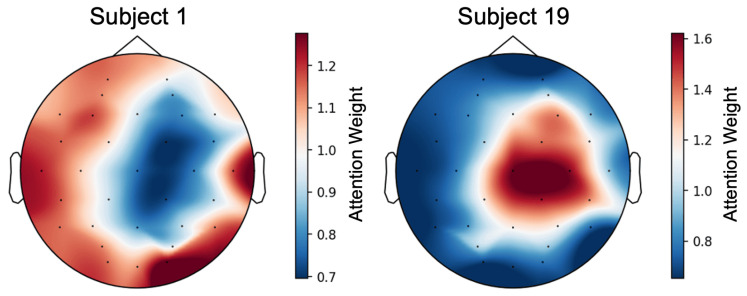 Figure 8
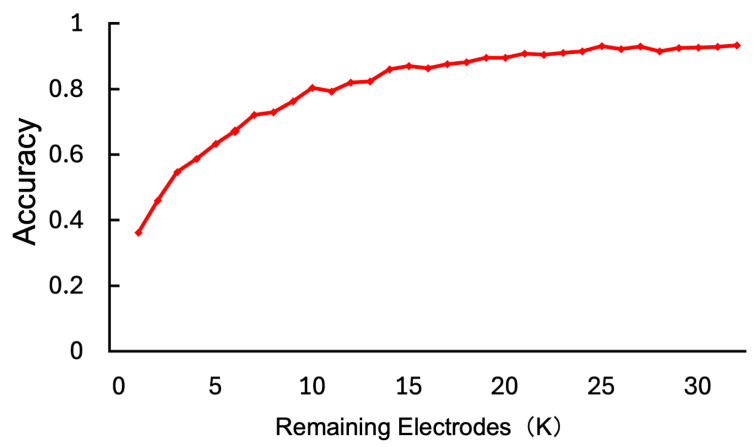 Figure 9
Peer Reviews
No public reviews on file for this paper yet. If you reviewed it on a platform where reviews are public (OpenReview, ICLR, NeurIPS, ICML), you can paste yours below so the community can read it here.
Videos
No videos yet. Explain this paper in a talk, walkthrough, or lecture? Add one.
Taxonomy
TopicsEmotion and Mood Recognition · EEG and Brain-Computer Interfaces · Digital Mental Health Interventions