Quantifying the Advantage of Vector over Scalar Magnetic Sensor Networks for Undersea Surveillance
Wenchao Li, Xuezhi Wang, Qiang Sun, Allison N. Kealy, Andrew D. Greentree

TL;DR
This paper compares scalar and vector magnetometer networks for undersea surveillance, showing that vector networks offer better tracking accuracy and resilience.
Contribution
The study introduces a novel comparison of scalar and vector magnetometer networks using an unscented Kalman filter for target tracking.
Findings
Vector magnetometer networks significantly outperform scalar networks in tracking accuracy.
Vector networks demonstrate greater resilience in target tracking under challenging conditions.
Abstract
Magnetic monitoring of maritime environments is an important problem for monitoring and optimising shipping, as well as national security. New developments in compact, fibre-coupled quantum magnetometers have led to the opportunity to critically evaluate how best to create such a sensor network. Here we explore various magnetic sensor network architectures for target identification. Our modelling compares networks of scalar vs. vector magnetometers. We implement an unscented Kalman filter approach to perform target tracking, and we find that vector networks provide a significant improvement in target tracking, specifically tracking accuracy and resilience compared with scalar networks.
Genes, proteins, chemicals, diseases, species, mutations and cell lines named across the full text — each resolved to its canonical identifier and authoritative record.
Click any figure to enlarge with its caption.
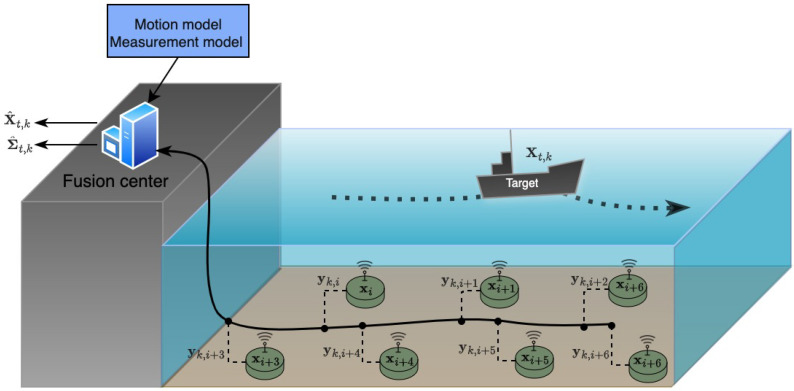 Figure 1
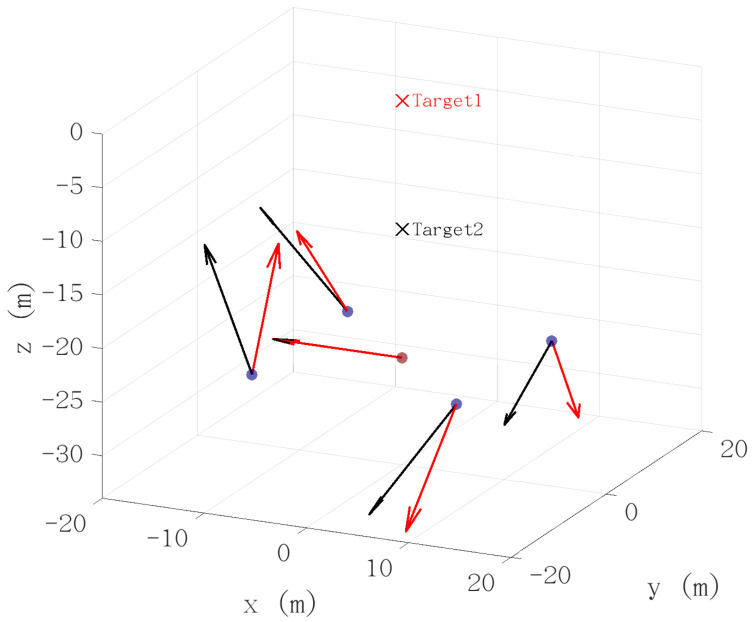 Figure 2
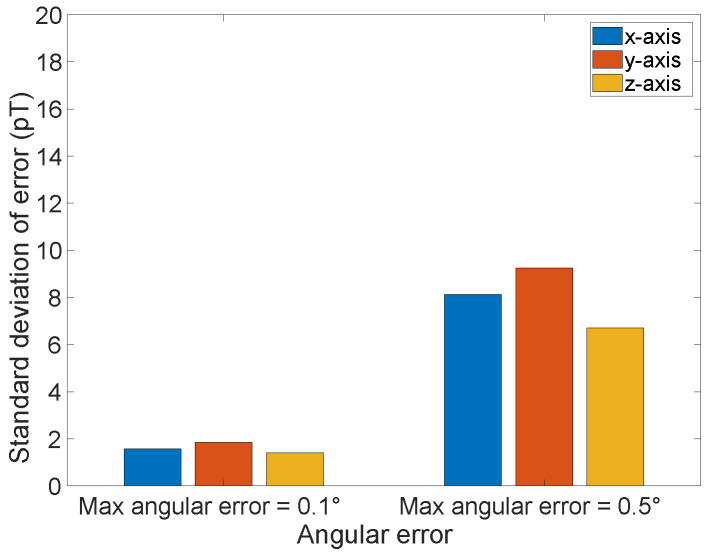 Figure 3
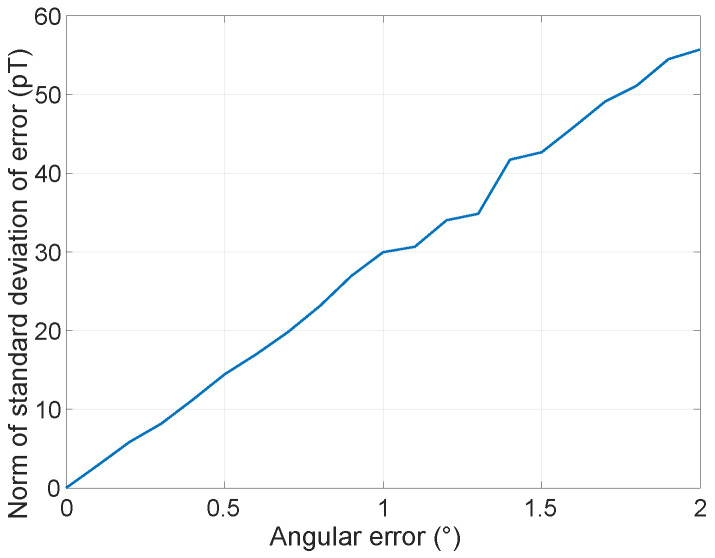 Figure 4
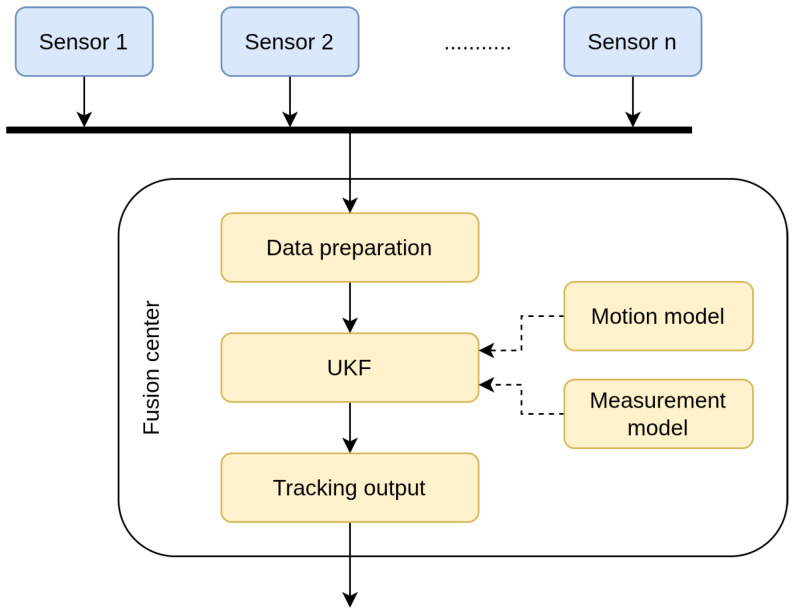 Figure 5
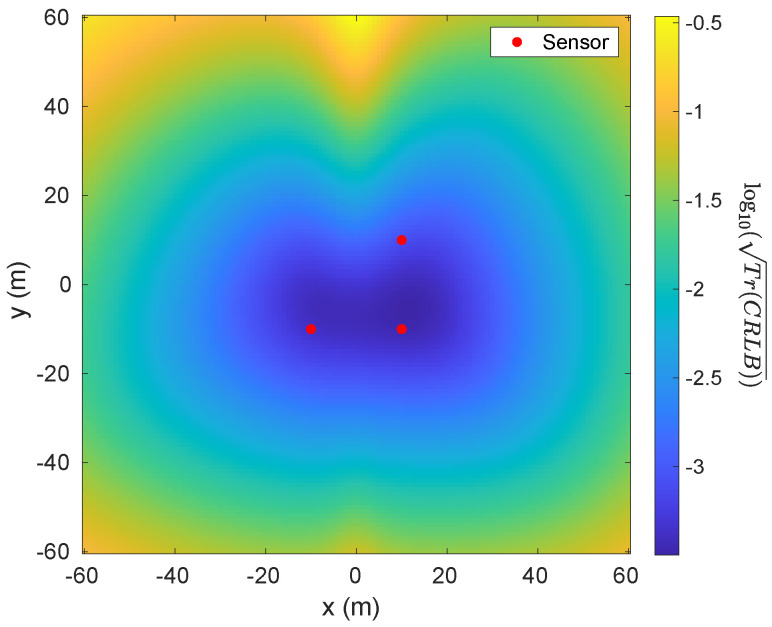 Figure 6
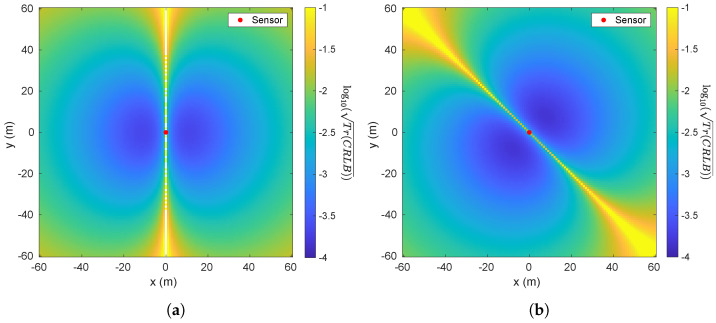 Figure 7
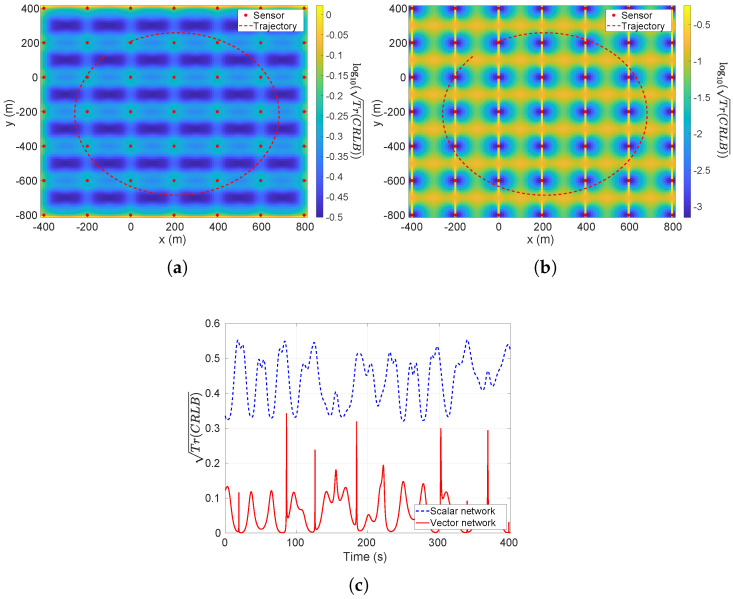 Figure 8
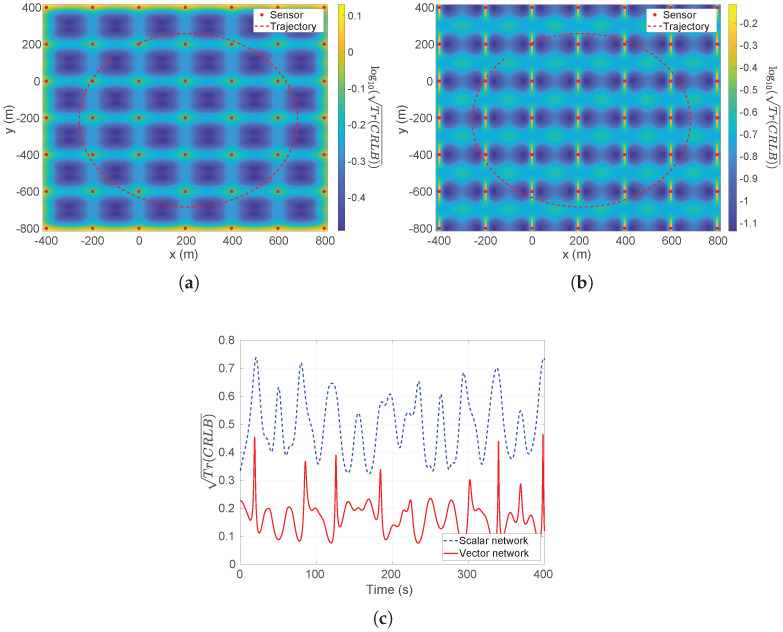 Figure 9
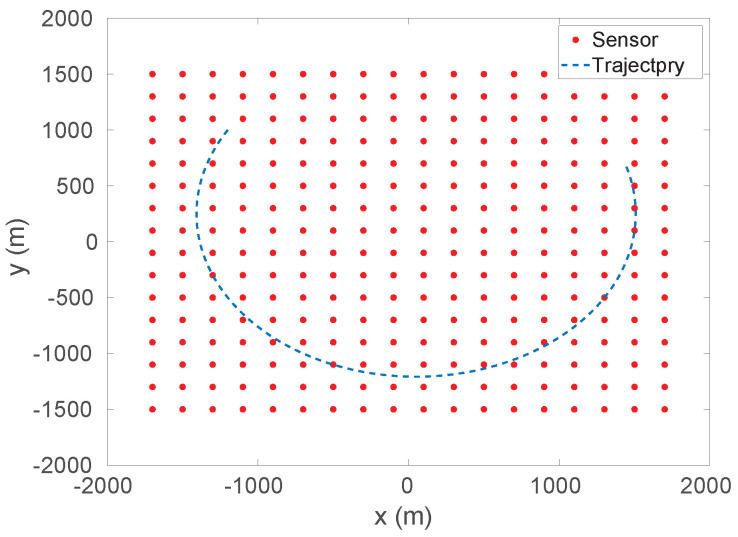 Figure 10
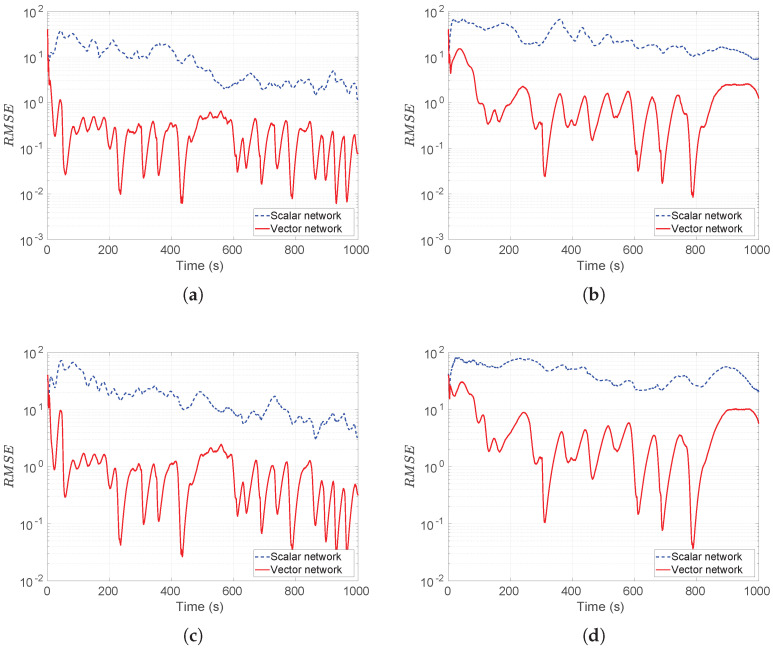 Figure 11
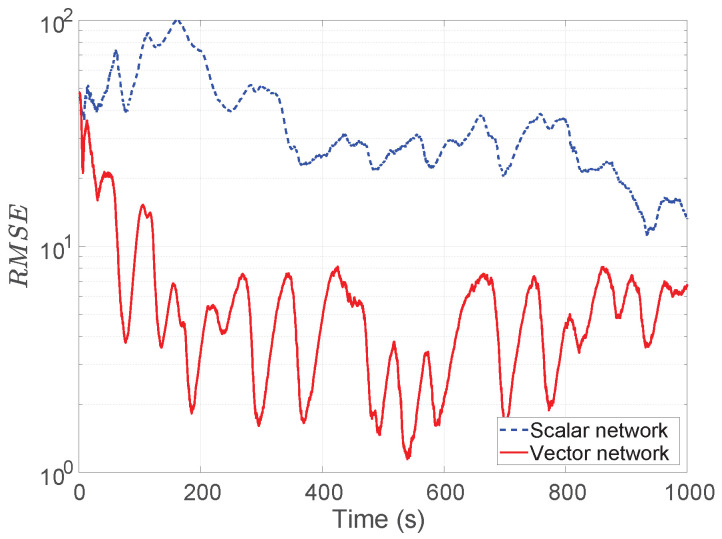 Figure 12
Peer Reviews
No public reviews on file for this paper yet. If you reviewed it on a platform where reviews are public (OpenReview, ICLR, NeurIPS, ICML), you can paste yours below so the community can read it here.
Videos
No videos yet. Explain this paper in a talk, walkthrough, or lecture? Add one.
Taxonomy
TopicsAtomic and Subatomic Physics Research · Magnetic Field Sensors Techniques · Inertial Sensor and Navigation