Characterization of Residual Stresses in Composite Parts Manufactured by Material Extrusion Technology Using Reflection Photoelasticity
Karol Goryl, Marek Kočiško, Radoslav Vandžura, Peter Frankovský

TL;DR
This paper explores using reflection photoelasticity to visualize and compare residual stress relaxation in 3D-printed composite parts made with aramid fiber-reinforced ASA.
Contribution
The study introduces a practical method combining abrasive water jet cuts and reflection photoelasticity for full-field residual stress analysis in FFF composites.
Findings
Reflection photoelasticity effectively visualizes residual stress relaxation in 8–10 mm thick FFF composite samples.
Annealing significantly reduces global maximum fringe orders in thicker samples.
AWJ relief cuts provide a repeatable stress-release method with minimal thermal impact.
Abstract
Residual stresses are a persistent challenge in the additive manufacturing of composite parts by FFF (Fused Filament Fabrication) and can impair dimensional accuracy and mechanical performance. This article evaluates reflection photoelasticity (PhotoStress) as a full-field optical technique to visualize and compare residual-stress relaxation in ASA (Acrylonitrile Styrene Acrylate) reinforced with aramid fibers. The approach combines a controlled AWJ (Abrasive Water Jet) relief cut to induce local stress release with subsequent optical recording of isochromatic fringe fields using a reflection polariscope. Samples with thicknesses of 2–10 mm were manufactured and evaluated in two conditions: non-annealed and after annealing (80 °C/5 h). Under identical optical settings, no discernible isochromatic fringes were detected for 2–6 mm (Nmaxlobal < 0.60 in both conditions), whereas resolvable…
Genes, proteins, chemicals, diseases, species, mutations and cell lines named across the full text — each resolved to its canonical identifier and authoritative record.
Click any figure to enlarge with its caption.
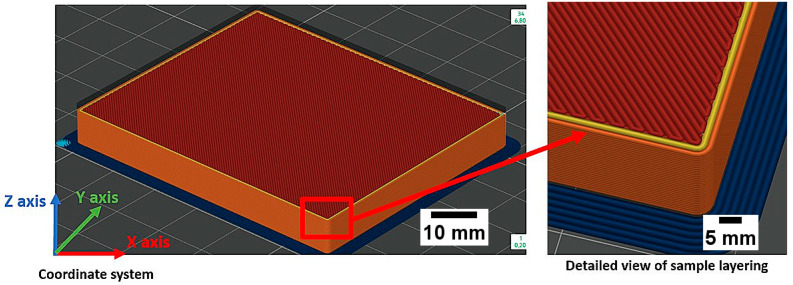 Figure 1
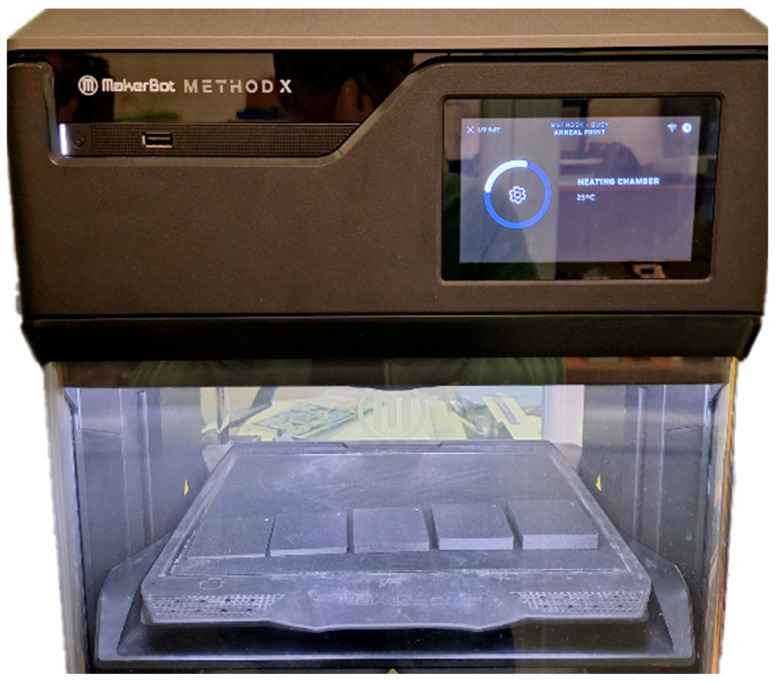 Figure 2
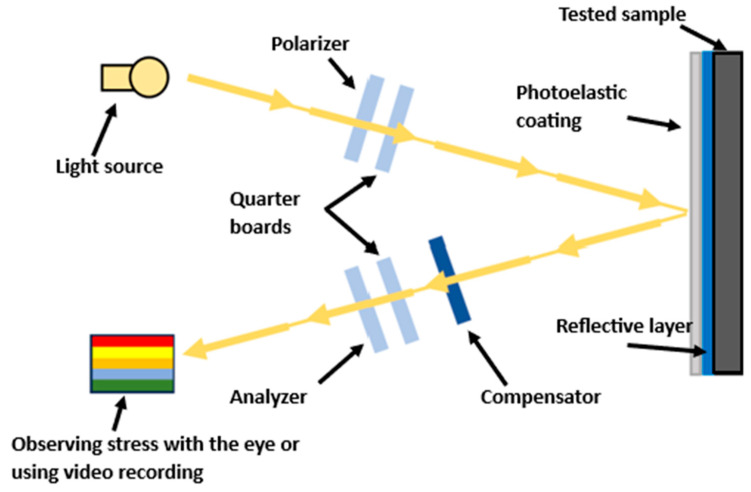 Figure 3
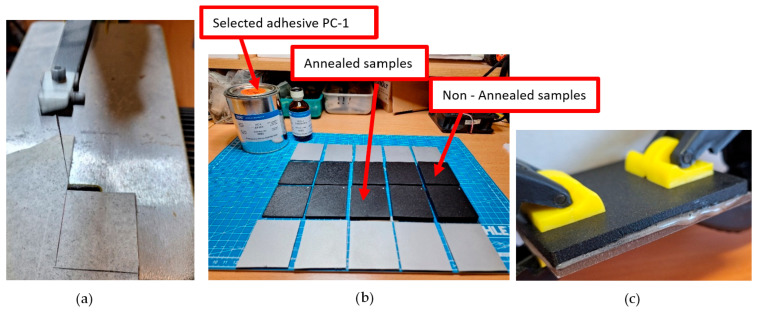 Figure 4
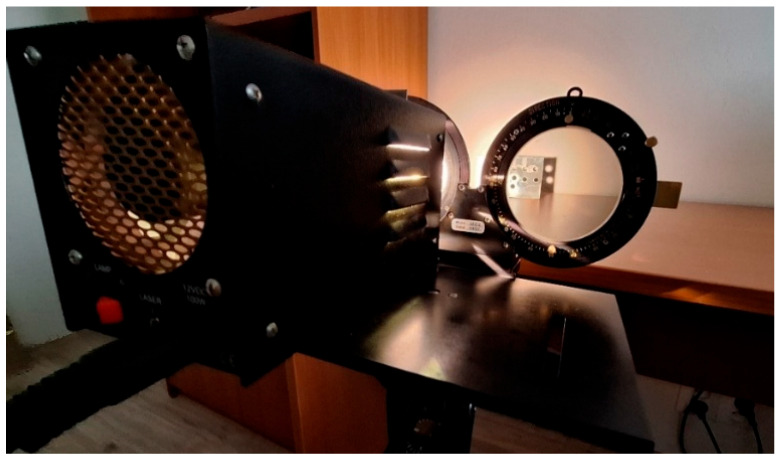 Figure 5
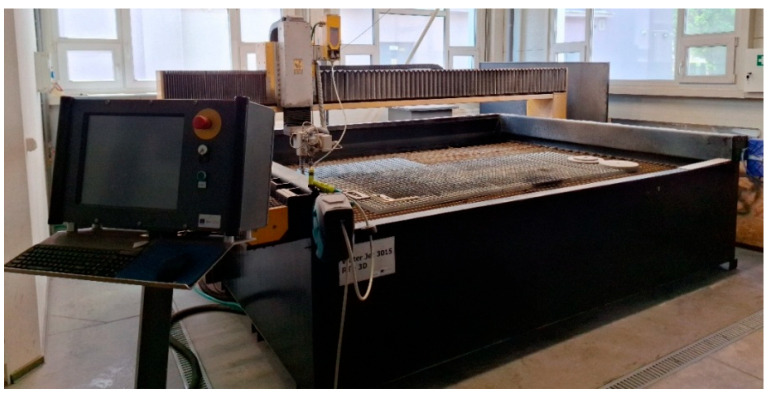 Figure 6
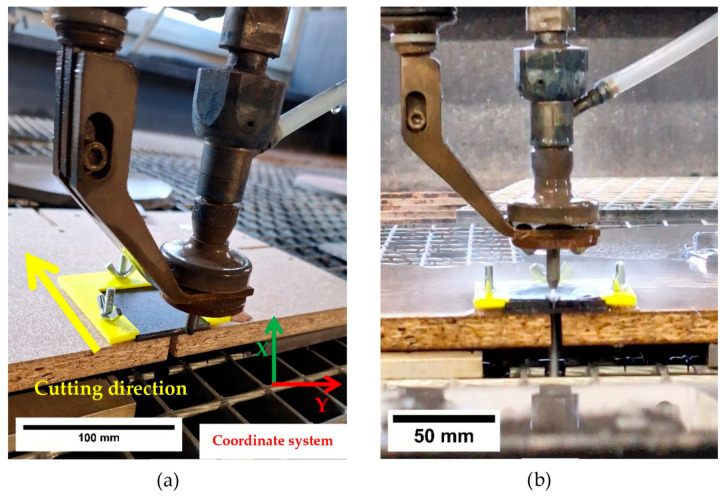 Figure 7
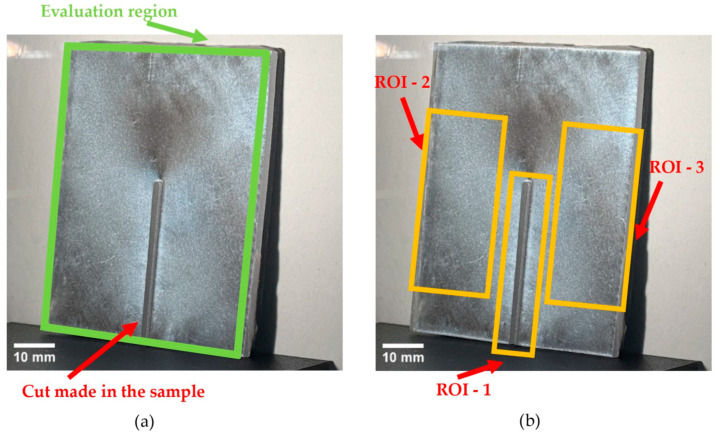 Figure 8
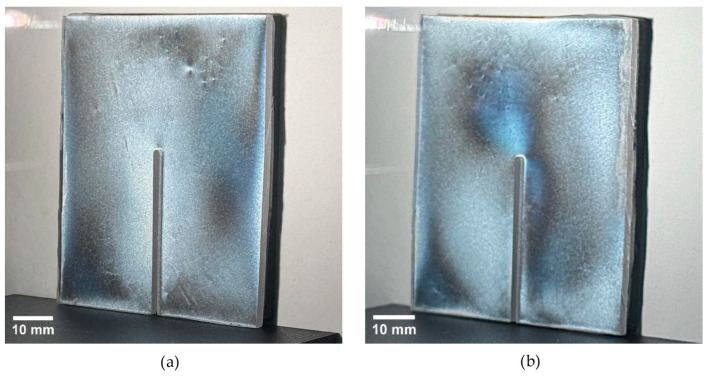 Figure 9
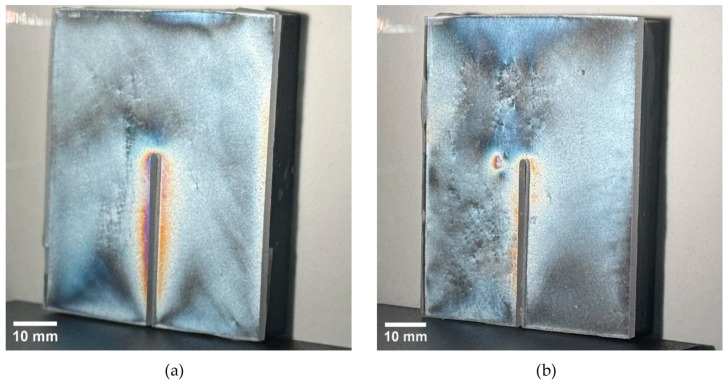 Figure 10
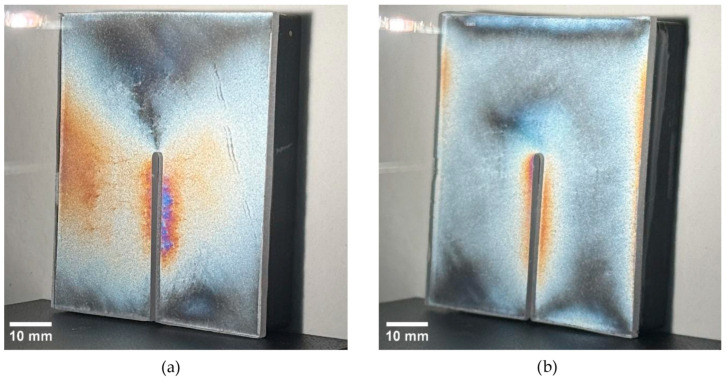 Figure 11
Peer Reviews
No public reviews on file for this paper yet. If you reviewed it on a platform where reviews are public (OpenReview, ICLR, NeurIPS, ICML), you can paste yours below so the community can read it here.
Videos
No videos yet. Explain this paper in a talk, walkthrough, or lecture? Add one.
Taxonomy
TopicsMechanical Behavior of Composites · Additive Manufacturing and 3D Printing Technologies · Additive Manufacturing Materials and Processes