Atlas-Guided Nanocarrier Strategies Targeting Spatial NTRK2/MAPK Signaling in EGFR-TKI-Resistant Niches of Esophageal Squamous Cell Carcinoma
Xiusen Zhang, Xudong Zhang, Xing Jin, Shilei Zhang, Xin Zhao, Hairui Wang, Hui Wang, Lijun Deng, Wenchao Tang, Qizhi Fu, Shegan Gao

TL;DR
This paper explores new nanocarrier strategies to target resistant areas in esophageal cancer, using spatial signaling insights to improve treatment effectiveness.
Contribution
The paper introduces atlas-guided nanocarriers that target specific resistant niches in ESCC by modulating spatial NTRK2/MAPK signaling.
Findings
Three resistant niches in ESCC were identified using spatial multi-omics and AI modeling.
Precision nanotherapeutic platforms were developed to modulate these niches effectively.
Preclinical models showed the translational potential of these strategies.
Abstract
Esophageal squamous cell carcinoma (ESCC) represents a major therapeutic challenge due to the rapid development of resistance to epidermal growth factor receptor-tyrosine kinase inhibitors (EGFR-TKIs). Recent evidence highlights that this resistance is driven not only by genetic mutations but also by spatial heterogeneity of tumor microenvironments and compensatory signaling mechanisms. In this review, we propose a “spatial-signaling-intervention” framework with a particular focus on the NTRK2/MAPK signaling axis, which plays dual roles in signaling compensation and immune evasion. By integrating spatial multi-omics, proteomics, and AI-assisted topological modeling, three resistant niches are identified: (1) cancer stemness-enriched zones, (2) MAPK hyperactive islands, and (3) immune-cold regions. Based on this atlas, we design precision nanotherapeutic platforms, including responsive,…
Genes, proteins, chemicals, diseases, species, mutations and cell lines named across the full text — each resolved to its canonical identifier and authoritative record.
Click any figure to enlarge with its caption.
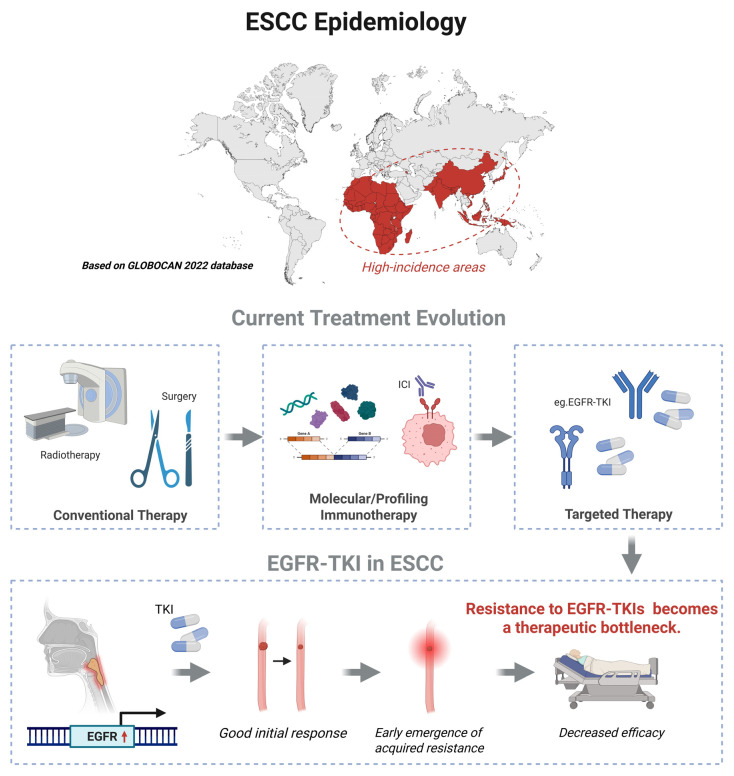 Figure 1
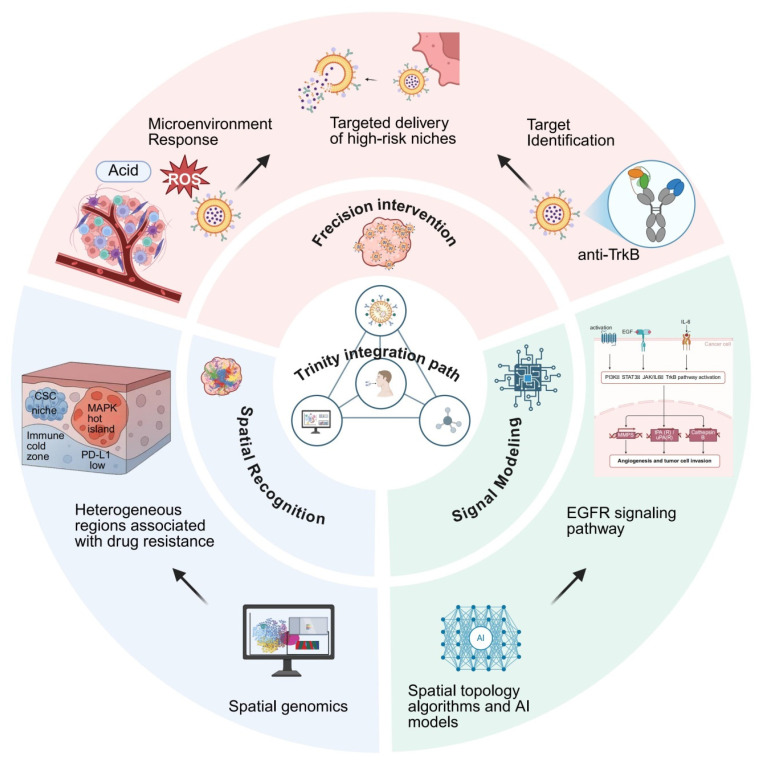 Figure 2
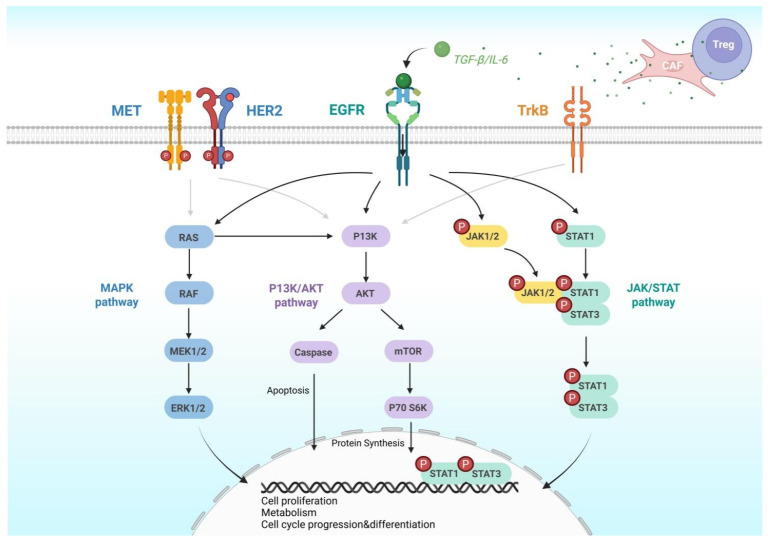 Figure 3
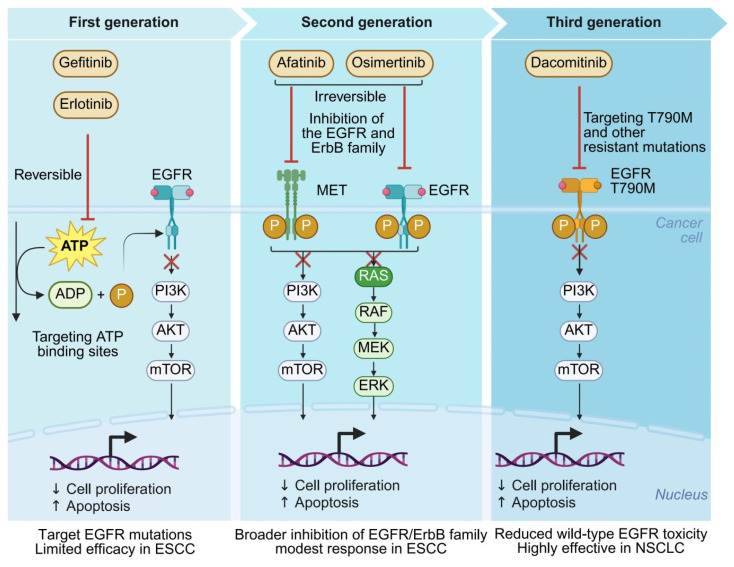 Figure 4
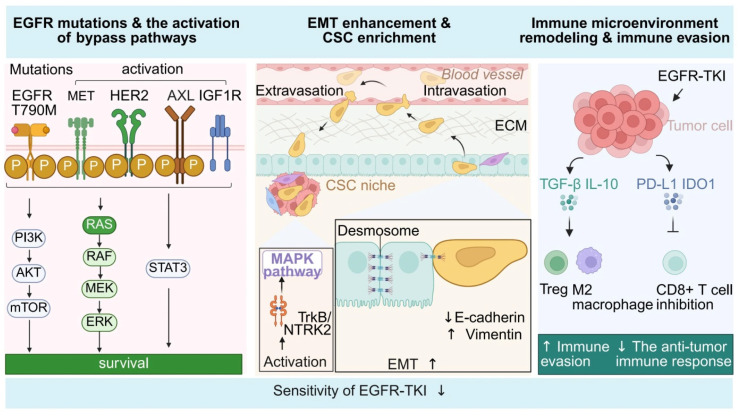 Figure 5
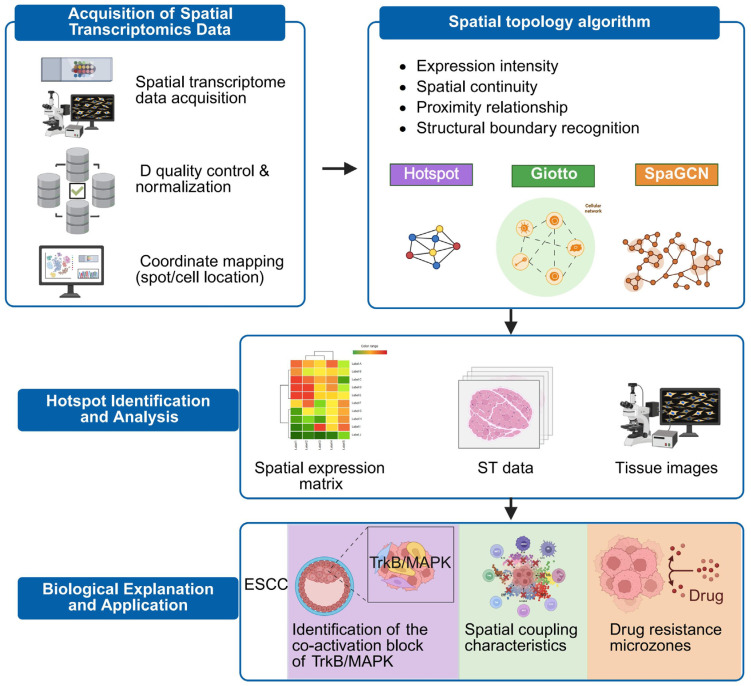 Figure 6
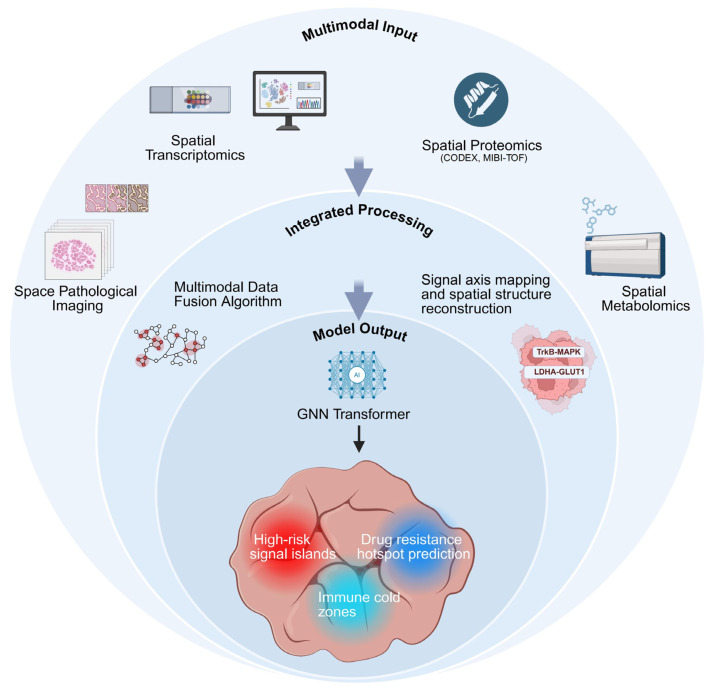 Figure 7
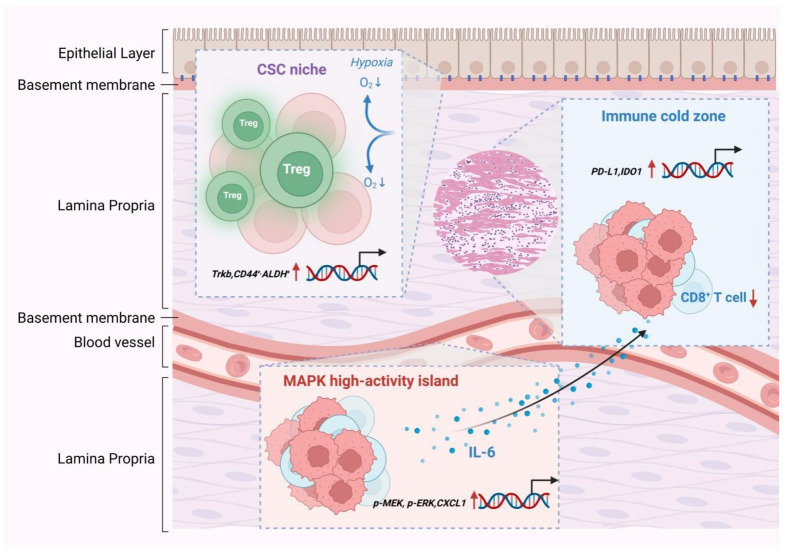 Figure 8
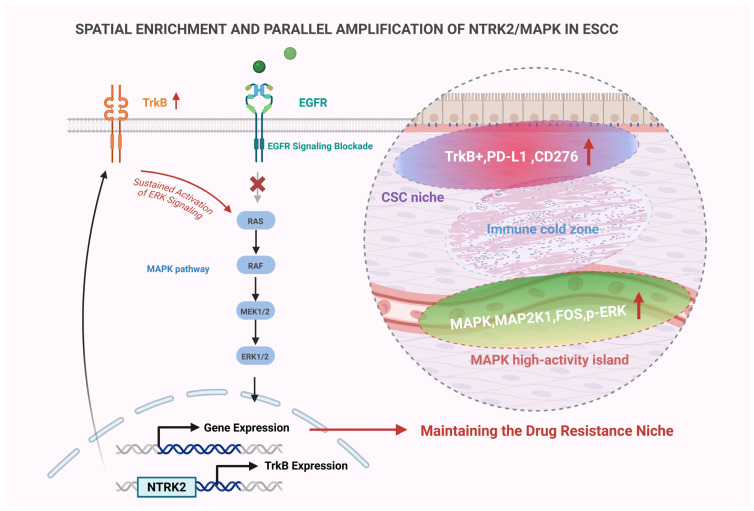 Figure 9
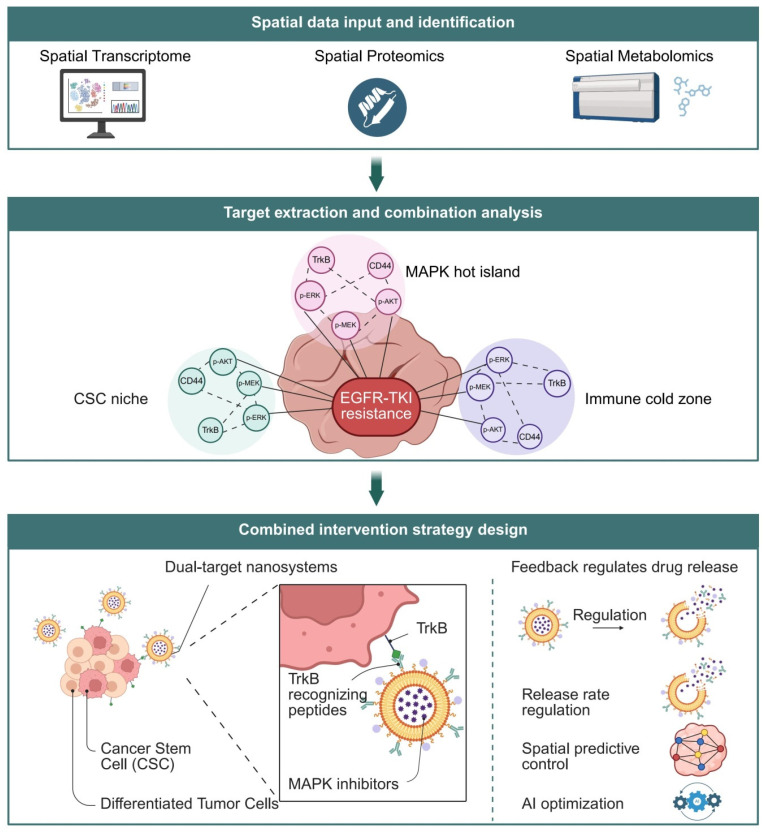 Figure 10
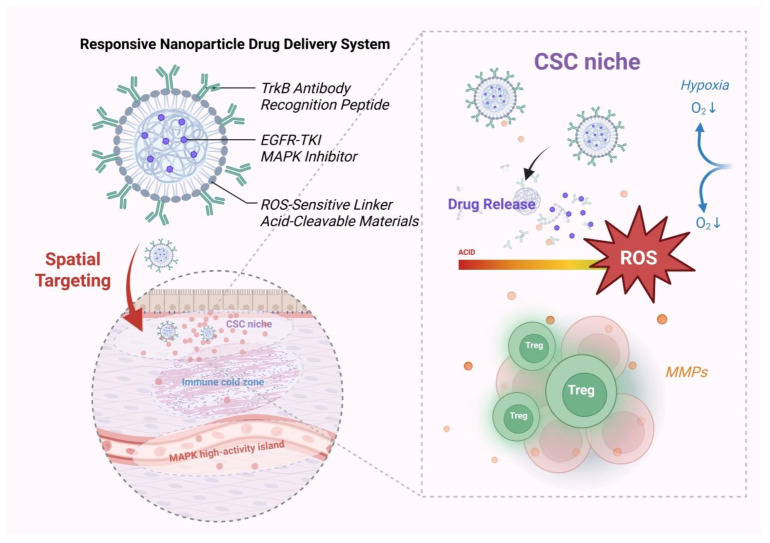 Figure 11
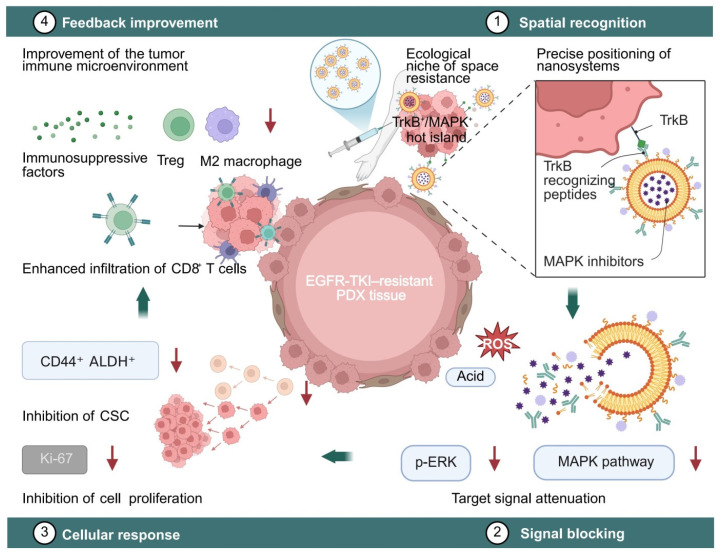 Figure 12
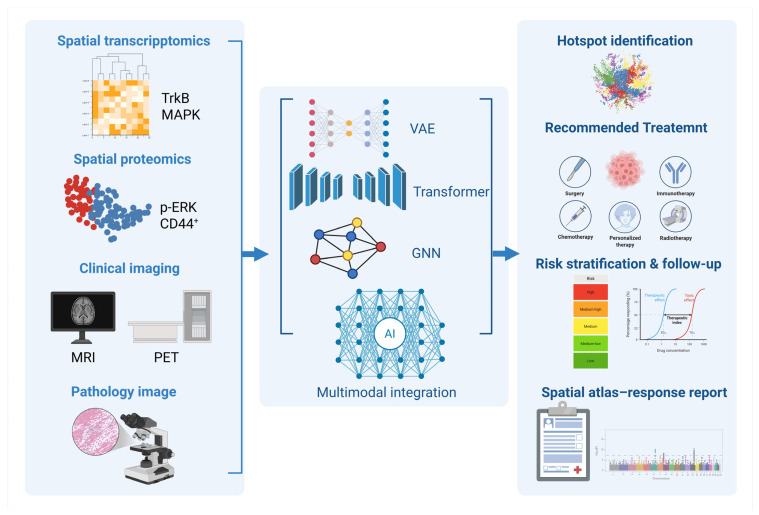 Figure 13
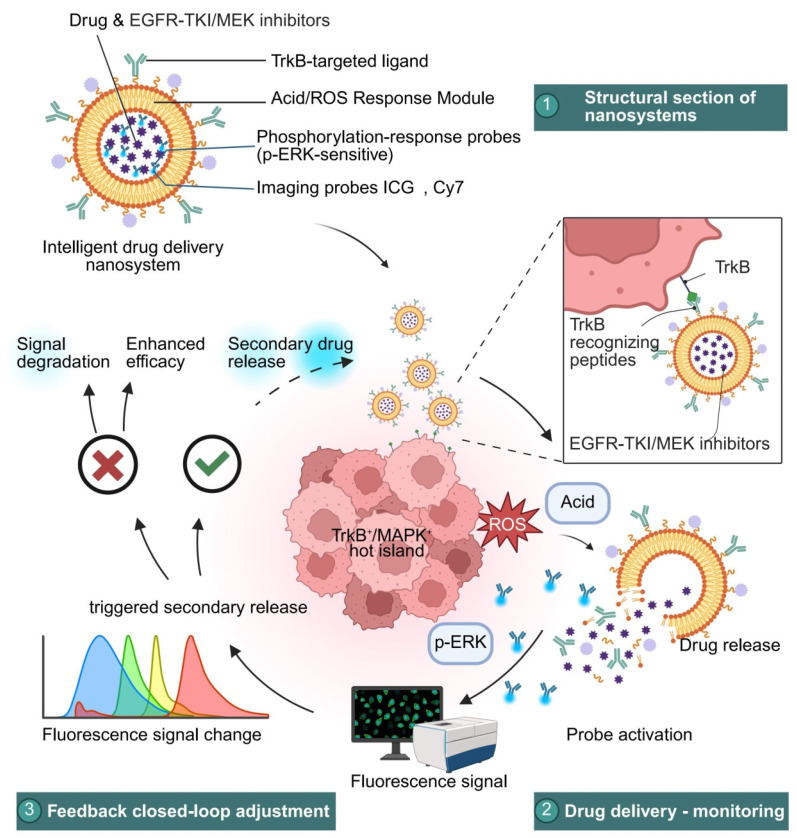 Figure 14
Peer Reviews
No public reviews on file for this paper yet. If you reviewed it on a platform where reviews are public (OpenReview, ICLR, NeurIPS, ICML), you can paste yours below so the community can read it here.
Videos
No videos yet. Explain this paper in a talk, walkthrough, or lecture? Add one.
Taxonomy
TopicsSingle-cell and spatial transcriptomics · Mathematical Biology Tumor Growth · Cancer Cells and Metastasis