A Loss Separation-Based Dynamic Jiles–Atherton–Bingham Model for Magnetorheological Dampers
Ying-Qing Guo, Yu Zhu, Yang Yang

TL;DR
This paper introduces a new model for magnetorheological dampers that better captures their complex behavior under dynamic conditions.
Contribution
The novel LS-DJAM model integrates multiple loss mechanisms and uses a hybrid PSO–GA optimization for improved accuracy.
Findings
The LS-DJAM model reduces maximum modeling error by 87.5% compared to conventional models.
Hybrid PSO–GA optimization improves parameter estimation accuracy by over 60%.
Abstract
Magnetorheological (MR) dampers exhibit significant hysteretic nonlinearities, particularly under dynamic operating conditions, where accurately modeling the complex coupling between magnetic flux density and excitation current remains challenging. To overcome the limitations of the conventional static Jiles–Atherton (JA) model in capturing dynamic hysteresis responses, a dynamic JA model incorporating multiple loss mechanisms (LS-DJAM) is proposed for MR dampers. Building on loss separation theory, the model integrates eddy current and excess loss mechanisms to more accurately represent the dynamic hysteresis behavior of MR dampers. By coupling the Bingham mechanical model, a magneto-mechanical constitutive relation for MR dampers is established. Furthermore, to enhance the accuracy of LS-DJAM parameter identification, a hybrid particle swarm optimization–genetic algorithm (PSO–GA) is…
Genes, proteins, chemicals, diseases, species, mutations and cell lines named across the full text — each resolved to its canonical identifier and authoritative record.
Click any figure to enlarge with its caption.
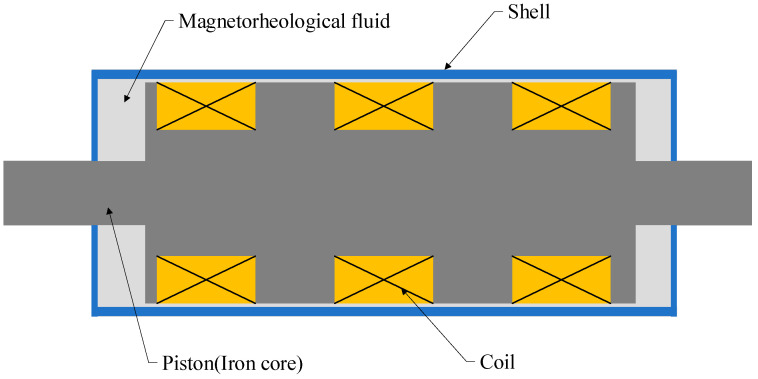 Figure 1
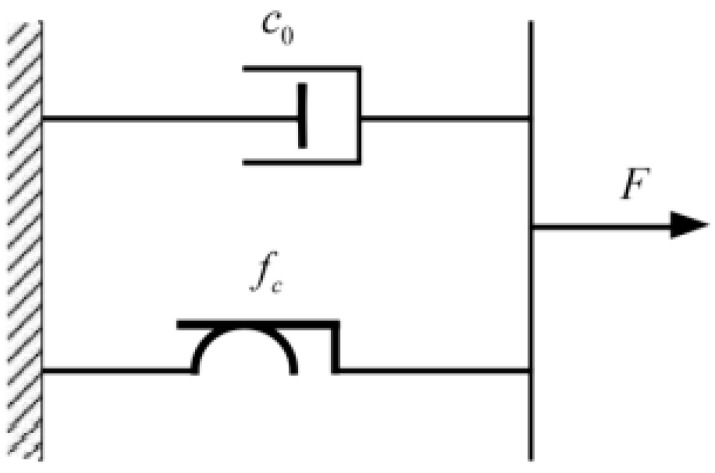 Figure 2
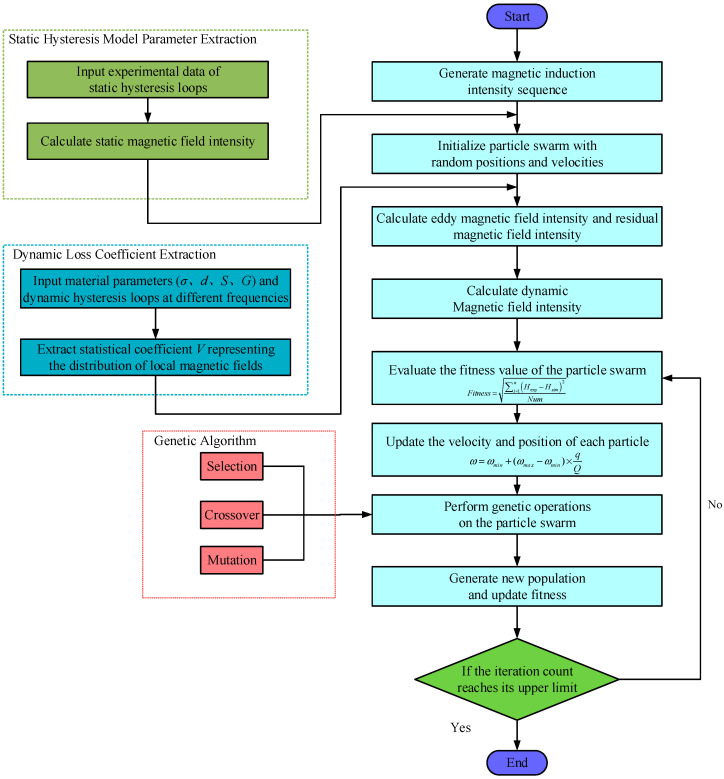 Figure 3
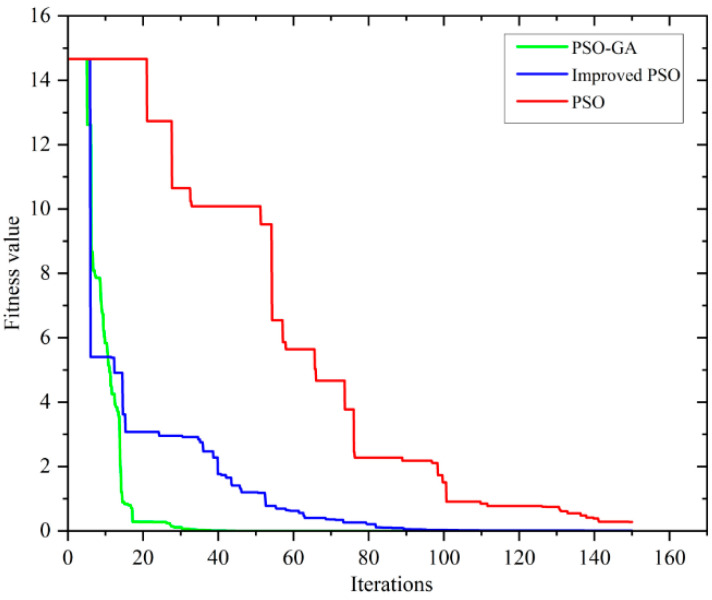 Figure 4
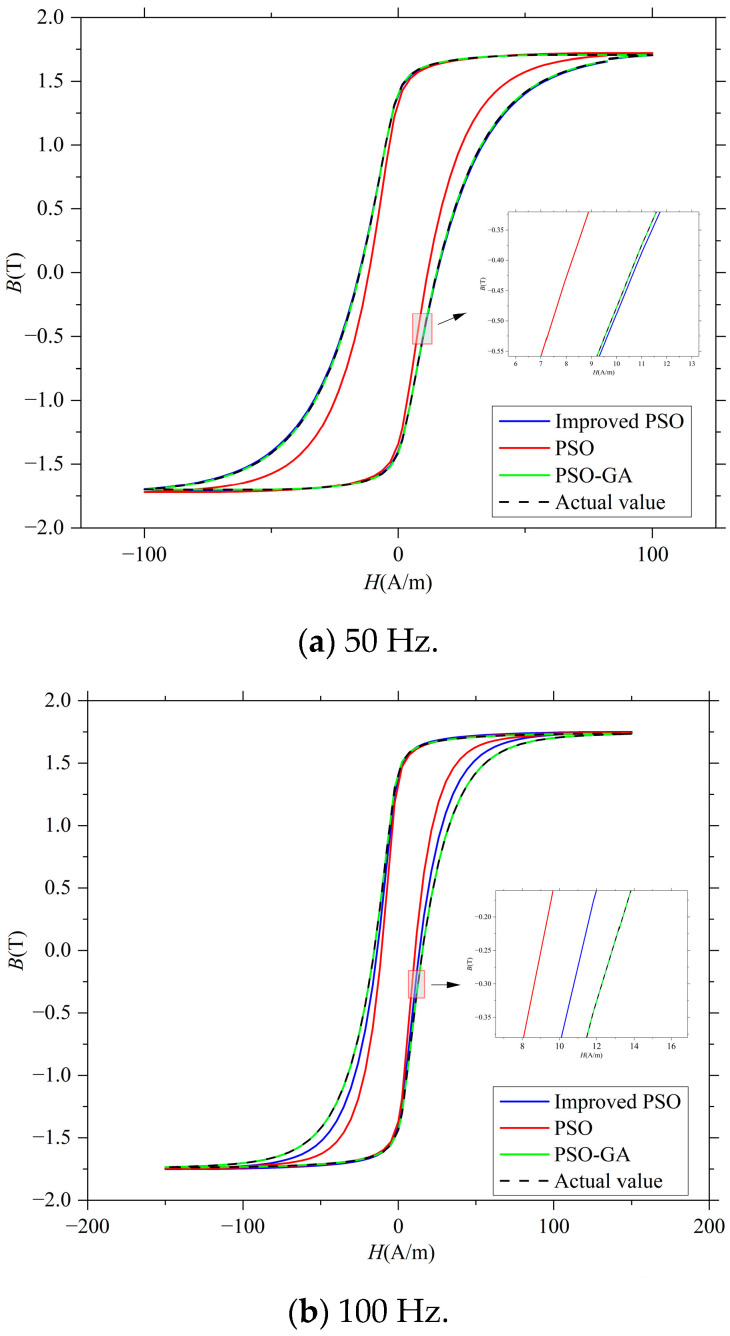 Figure 5
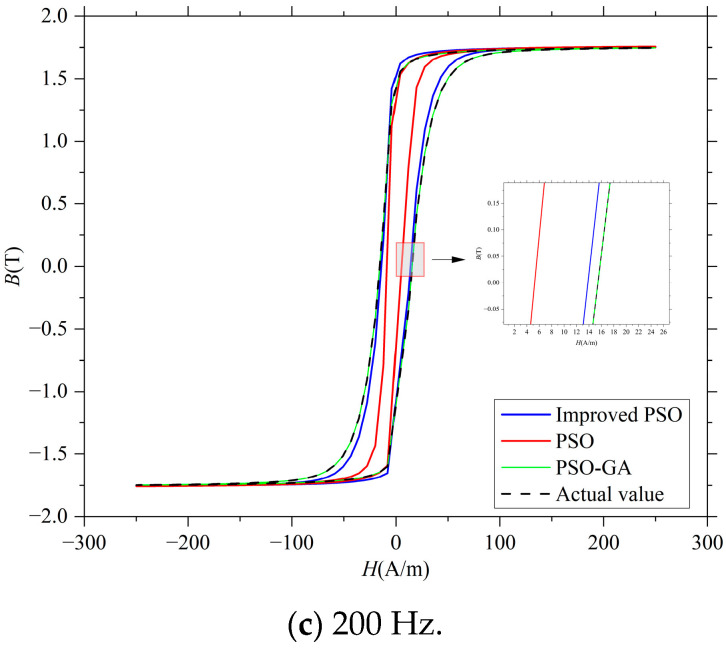 Figure 6
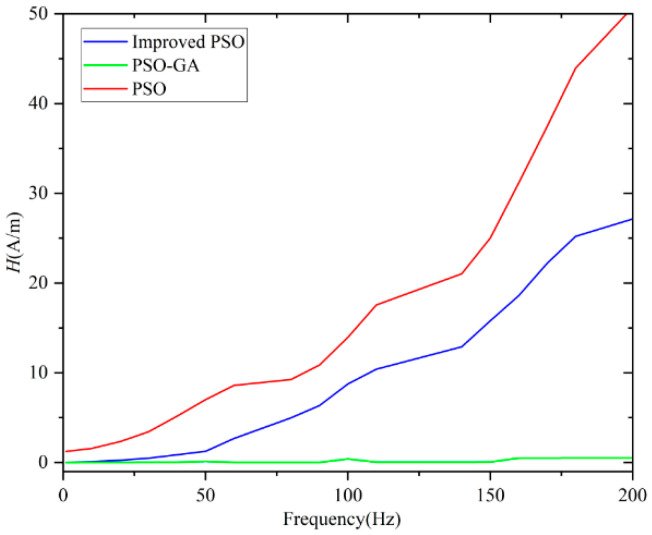 Figure 7
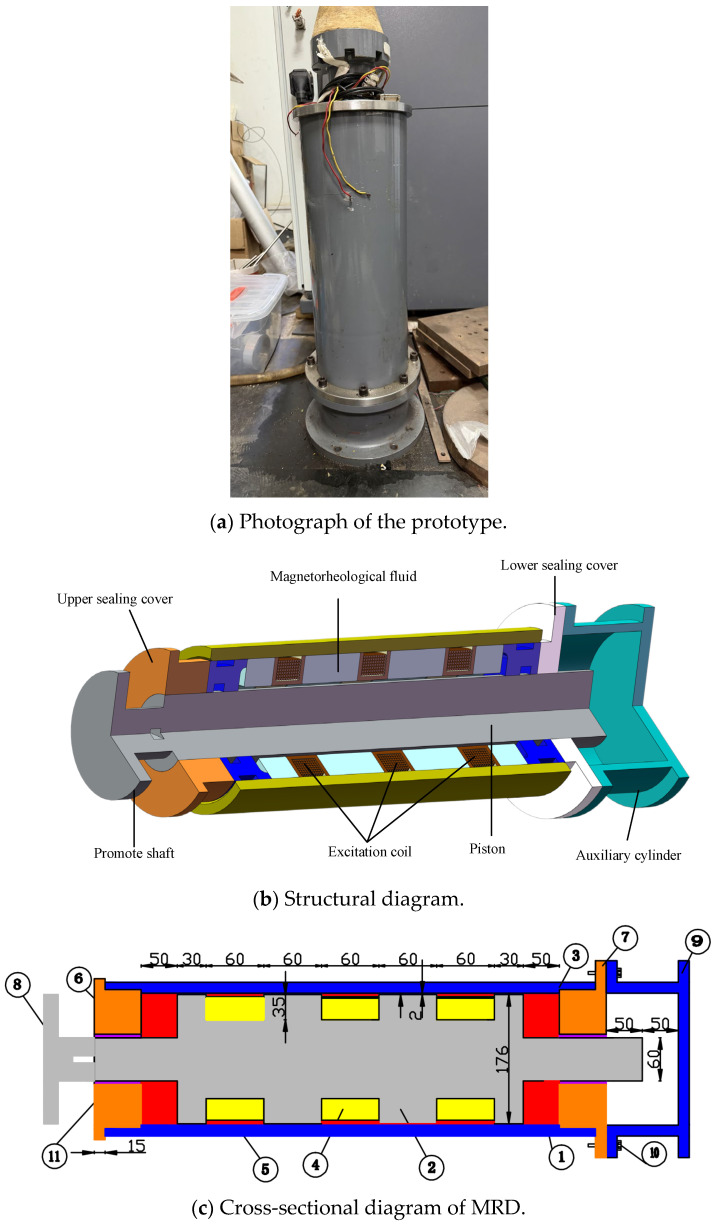 Figure 8
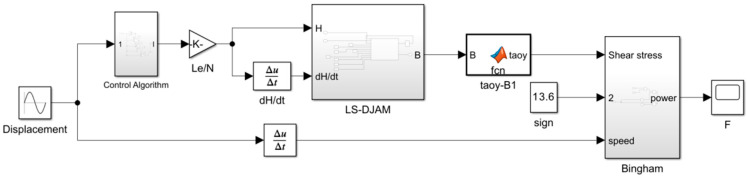 Figure 9
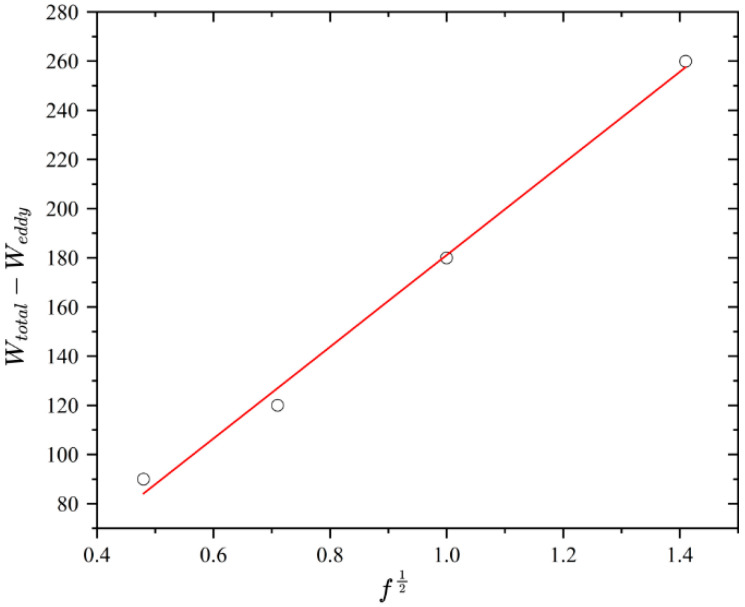 Figure 10
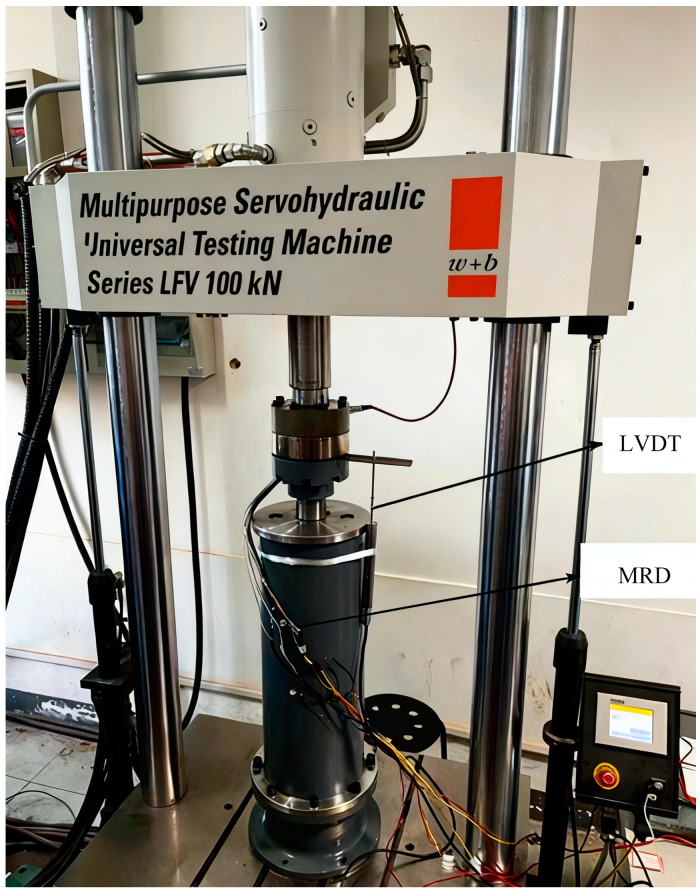 Figure 11
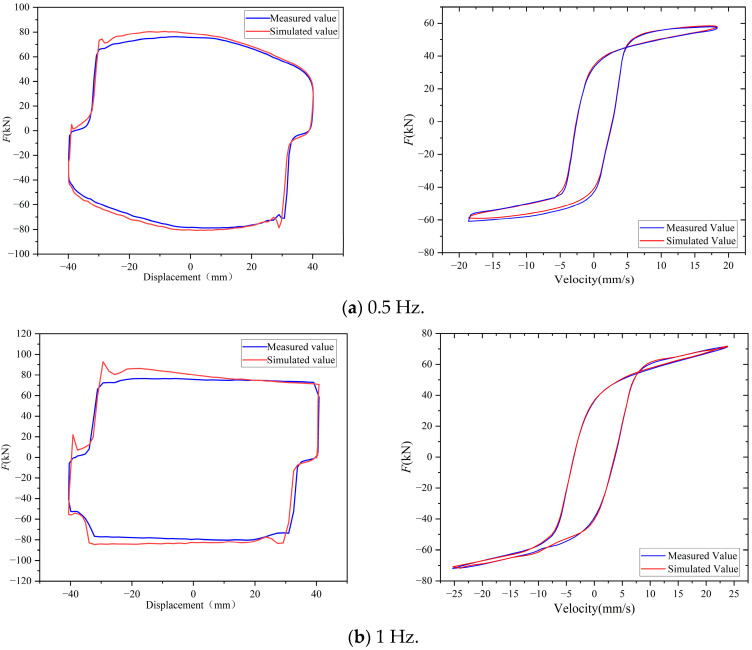 Figure 12
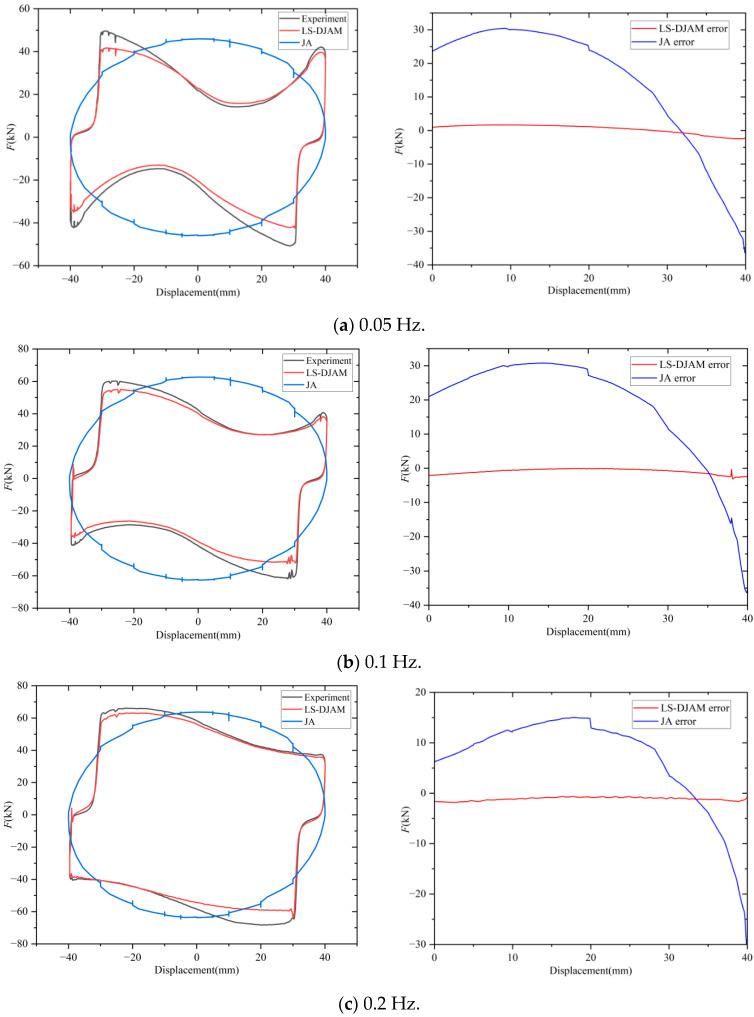 Figure 13
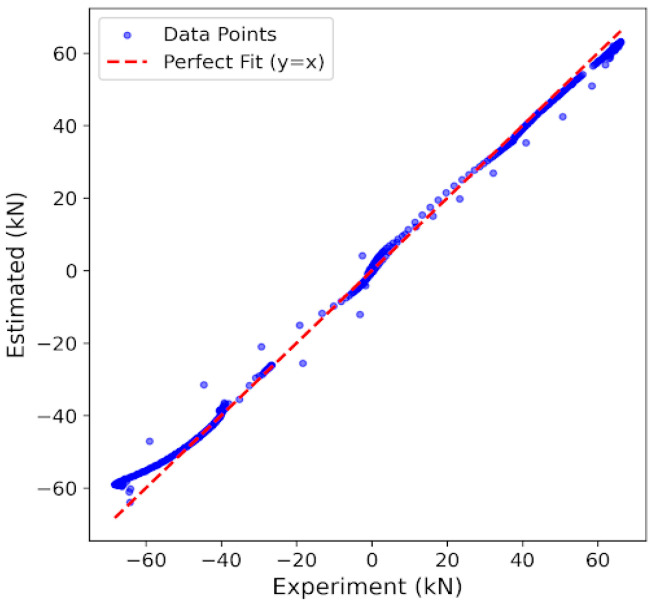 Figure 14
Peer Reviews
No public reviews on file for this paper yet. If you reviewed it on a platform where reviews are public (OpenReview, ICLR, NeurIPS, ICML), you can paste yours below so the community can read it here.
Videos
No videos yet. Explain this paper in a talk, walkthrough, or lecture? Add one.
Taxonomy
TopicsVibration Control and Rheological Fluids · Magnetic Properties and Applications · Seismic Performance and Analysis