Sorption Mechanisms and Behavior of Benzene Series Compounds by Microplastics in Aqueous Solution
Xi Yan, Yan Xie, Shucai Zhang, Zhiqing Zhang, Xiaohan Dou, Jingru Liu, Shun Che

TL;DR
This study explores how microplastics absorb benzene-series compounds in water, revealing how factors like polymer type and chemical properties influence the process.
Contribution
The study provides new insights into the sorption mechanisms of benzene-series compounds by different microplastic polymers.
Findings
Polyethylene (PE) showed linear sorption isotherms, indicating partitioning into the polymer bulk.
Polypropylene (PP) and polyvinyl chloride (PVC) showed non-linear isotherms, suggesting surface adsorption dominance.
Sorption capacity varied with polymer type and was influenced by factors like hydrophobicity and molecular properties.
Abstract
Owing to their small size and surface hydrophobicity, microplastics (MPs) tend to act as vectors for various organic pollutants. However, in contrast to well-studied pollutants like polycyclic aromatic hydrocarbons, the sorption of benzene-series compounds on MPs has been seldom studied. To investigate the sorption process, the isotherms were determined for the sorption of three benzene-series sorbates by three polymers with different physicochemical properties. The linear sorption isotherms observed for PE indicate that sorbate uptake was dominated by partitioning into the bulk polymer. In contrast, the non-linear isotherms of PP and PVC imply that adsorption onto surfaces was the dominant mechanism. Sorption capacity of m-xylene and ethylbenzene increased in the following order: polyvinyl chloride (PVC) < polyethylene (PE) < polypropylene (PP). This order does not reflect the polarity…
Genes, proteins, chemicals, diseases, species, mutations and cell lines named across the full text — each resolved to its canonical identifier and authoritative record.
Click any figure to enlarge with its caption.
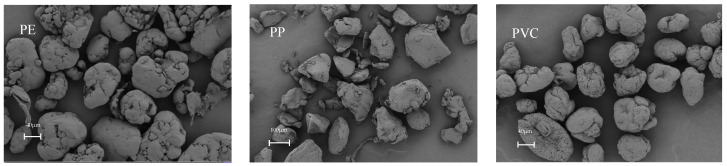 Figure 1
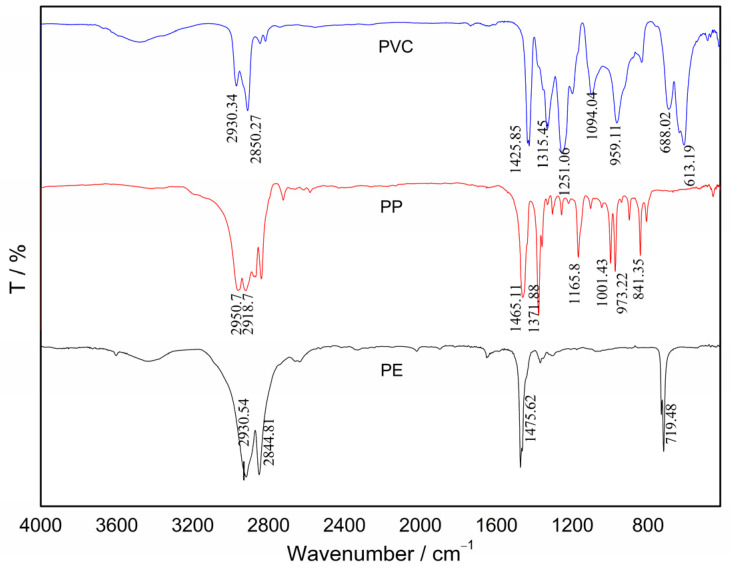 Figure 2
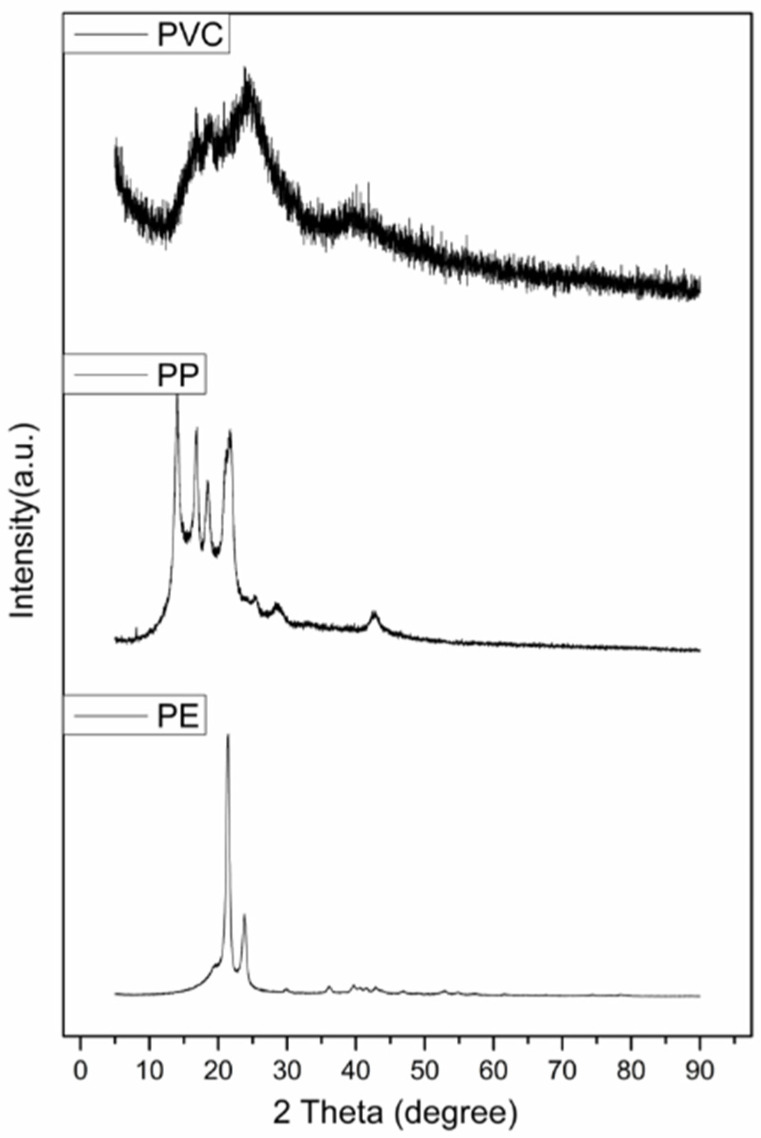 Figure 3
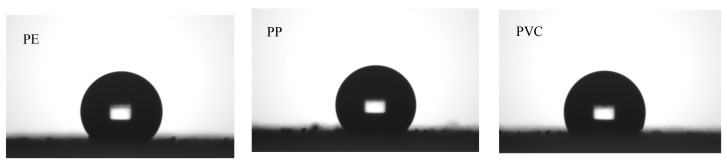 Figure 4
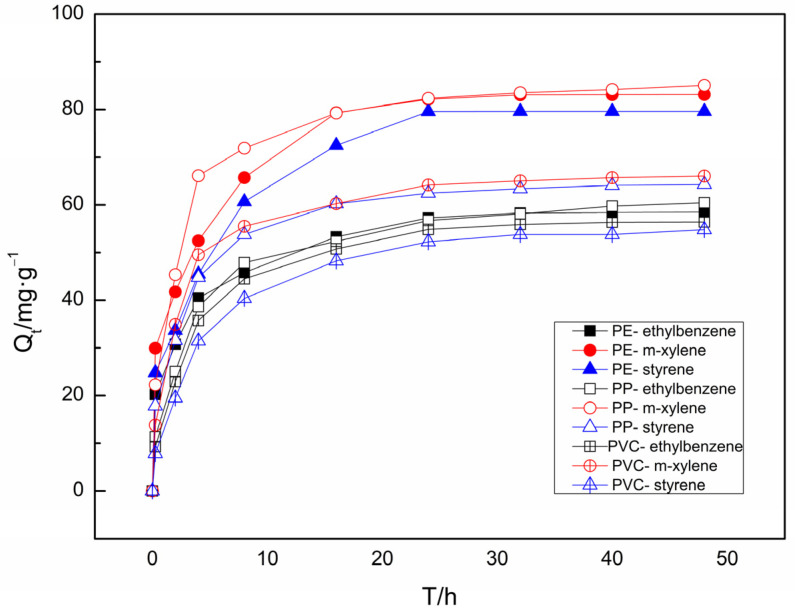 Figure 5
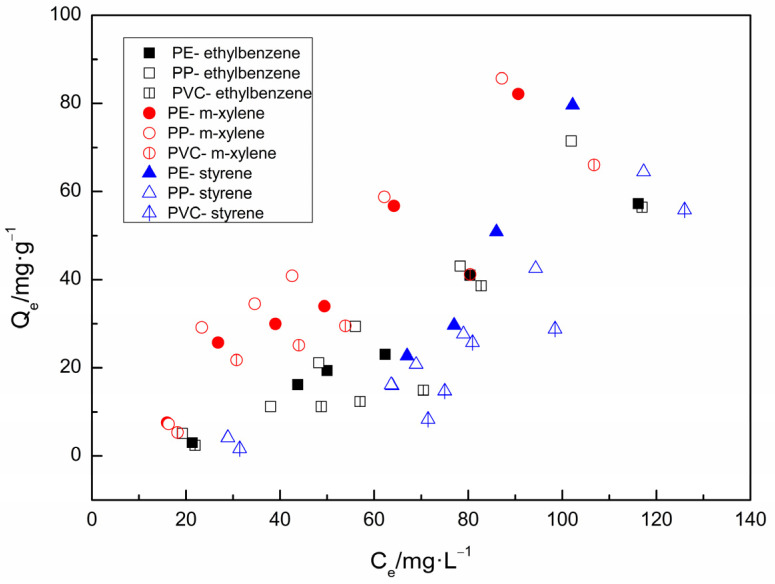 Figure 6
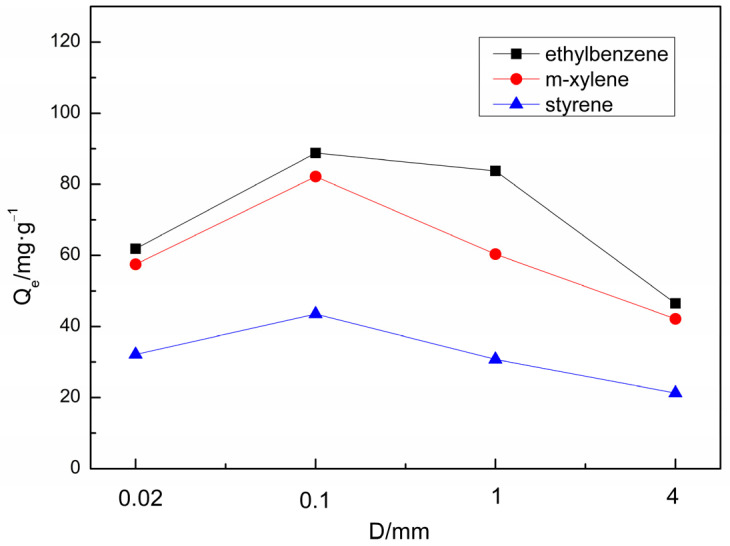 Figure 7
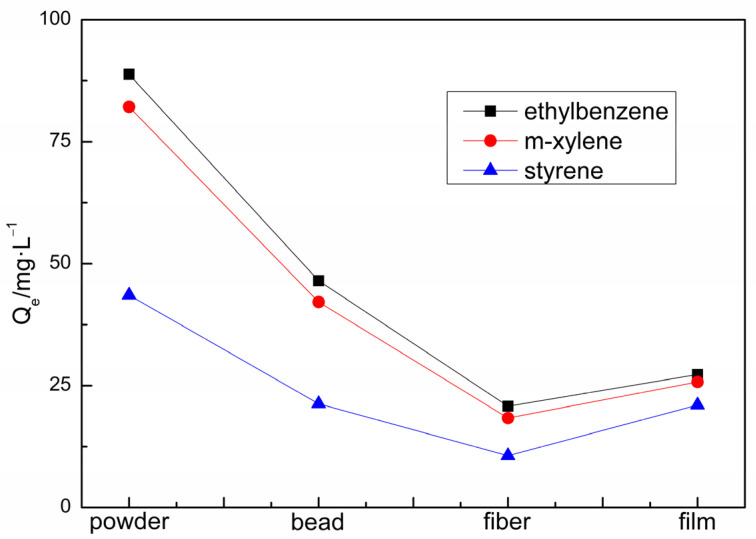 Figure 8
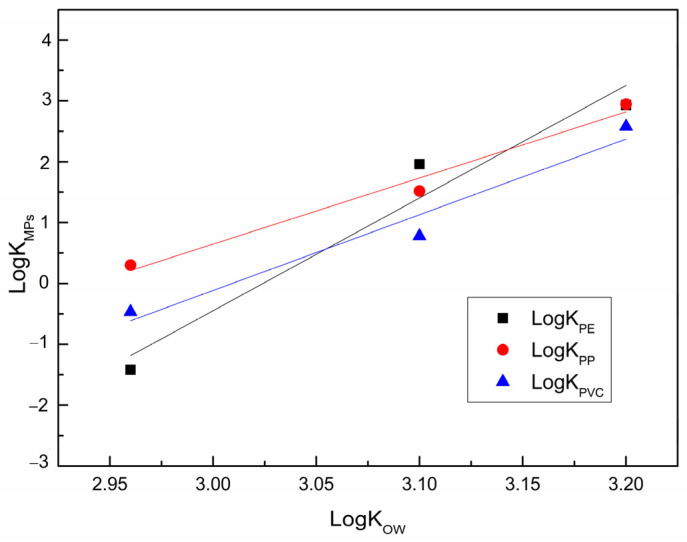 Figure 9
Peer Reviews
No public reviews on file for this paper yet. If you reviewed it on a platform where reviews are public (OpenReview, ICLR, NeurIPS, ICML), you can paste yours below so the community can read it here.
Videos
No videos yet. Explain this paper in a talk, walkthrough, or lecture? Add one.
Taxonomy
TopicsMicroplastics and Plastic Pollution · Effects and risks of endocrine disrupting chemicals · Toxic Organic Pollutants Impact