Effects of Biomechanical Testing Using a Synthetic Ligament Fabricated from Polyhydroxyalkanoate Biopolyesters for Lateral Ulnar Collateral Ligament Reconstruction in Cadaver
Anucha Wimoonchart, Tulyapruek Tawonsawatruk, Anuchan Panaksri, Nuttapol Tanadchangsaeng

TL;DR
This study tested a synthetic ligament made from a biopolyester to repair elbow injuries in cadavers, showing it performs nearly as well as natural tissue.
Contribution
The study introduces a novel synthetic ligament using SCL-PHA co-polymers for lateral ulnar collateral ligament reconstruction.
Findings
The control group had the highest torque and shear stress values compared to other groups.
Reconstruction with SCL-PHA co-polymer showed biomechanical performance comparable to the control group.
SCL-PHA augmentation outperformed standard repair and other reconstruction methods.
Abstract
An injury to the elbow’s lateral ulnar collateral ligament (LUCL) is an orthopedic emergency that can impair joint stability and functional biomechanics throughout the upper extremity. The development and application of synthetic ligament substitutes, particularly short-chain-length and medium-chain-length polyhydroxyalkanoate (SCL-PHA and MCL-PHA) co-polymers, represent a promising innovation for lateral elbow stabilization. This experimental cadaveric study aimed to (1) compare biomechanical parameters of torque and angular rotation among control, damage, repair, and reconstruction groups and (2) compare stress and strain responses across the same groups. Twenty-four cadaveric elbows were allocated among six experimental conditions. The control group consisted of intact elbows (n = 4), while the damage group (n = 4) involved transection of the anterior capsule and extensor carpi…
Genes, proteins, chemicals, diseases, species, mutations and cell lines named across the full text — each resolved to its canonical identifier and authoritative record.
Click any figure to enlarge with its caption.
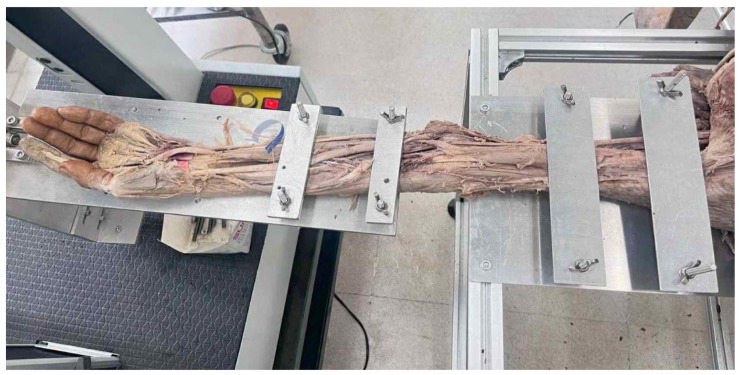 Figure 1
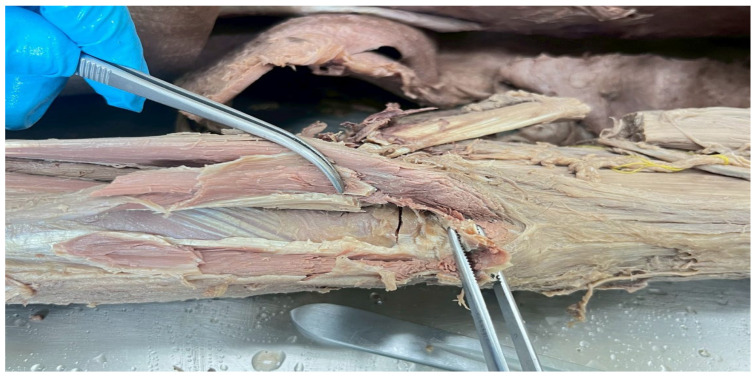 Figure 2
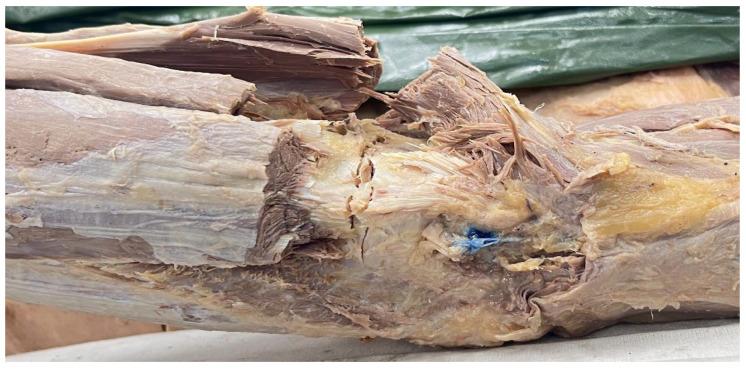 Figure 3
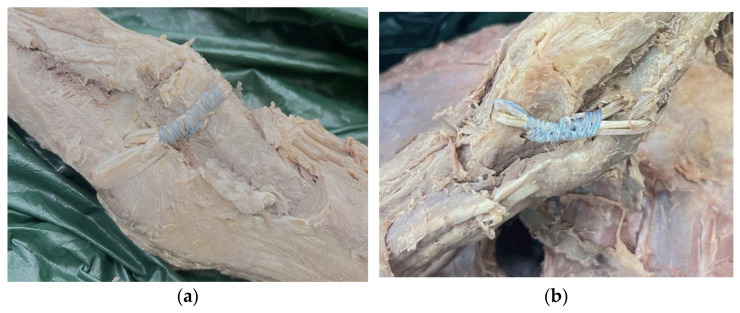 Figure 4
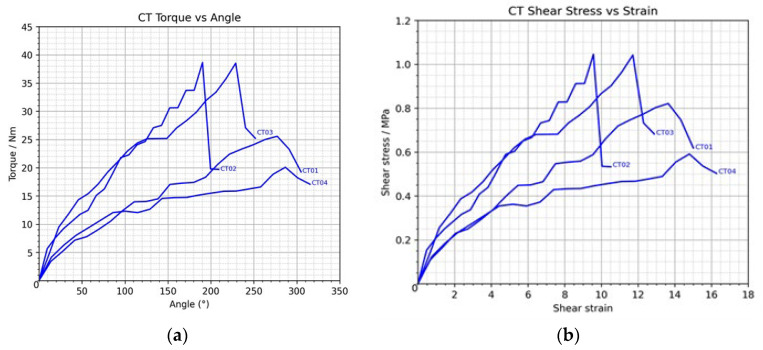 Figure 5
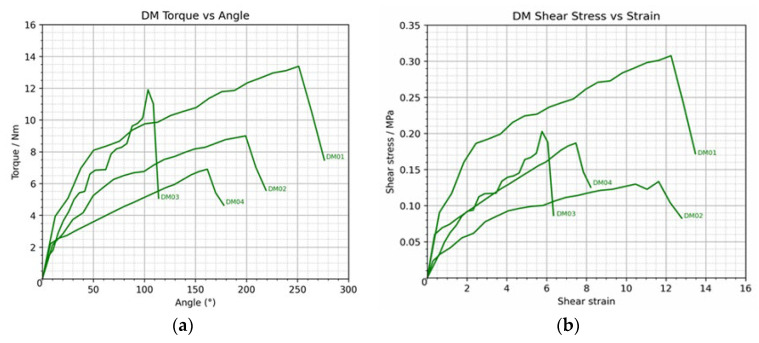 Figure 6
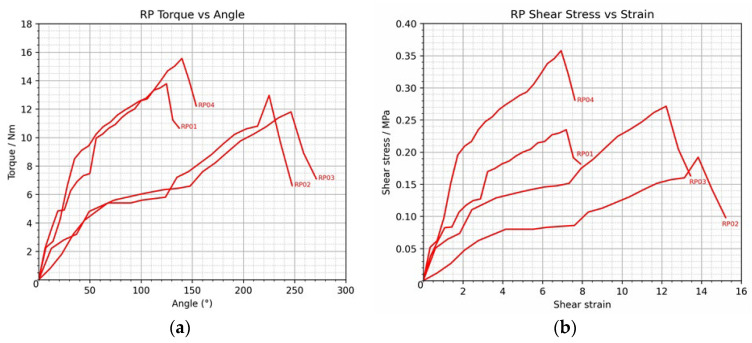 Figure 7
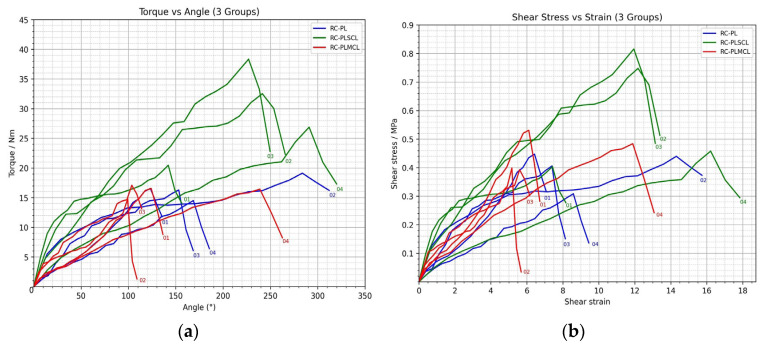 Figure 8
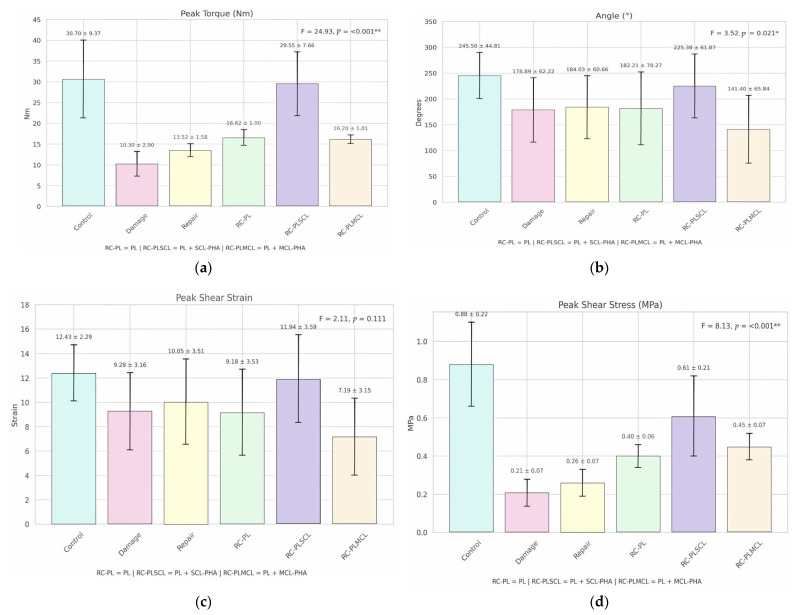 Figure 9
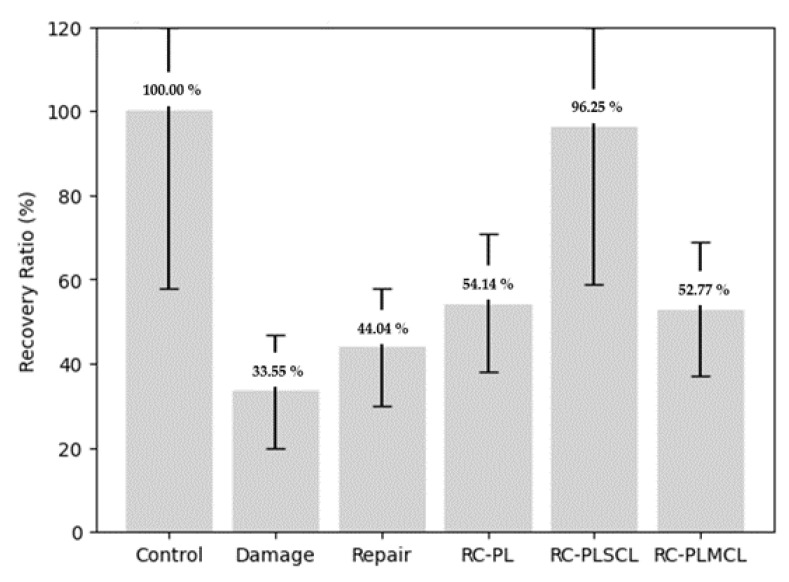 Figure 10
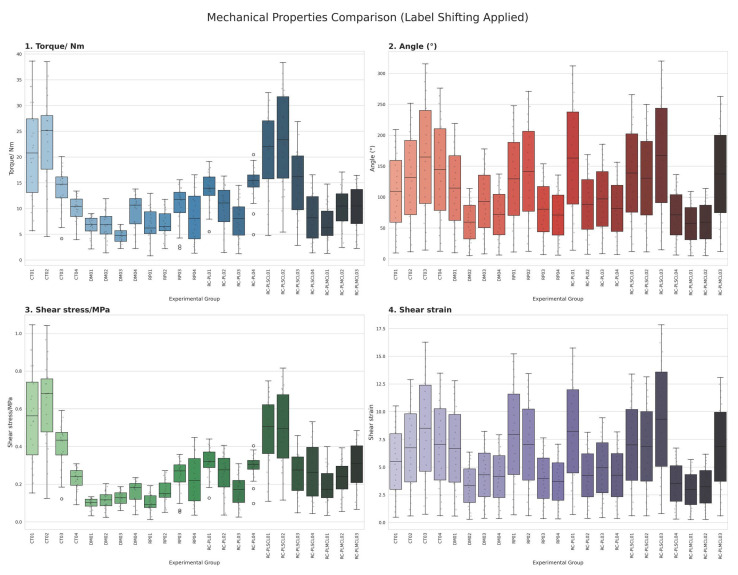 Figure 11
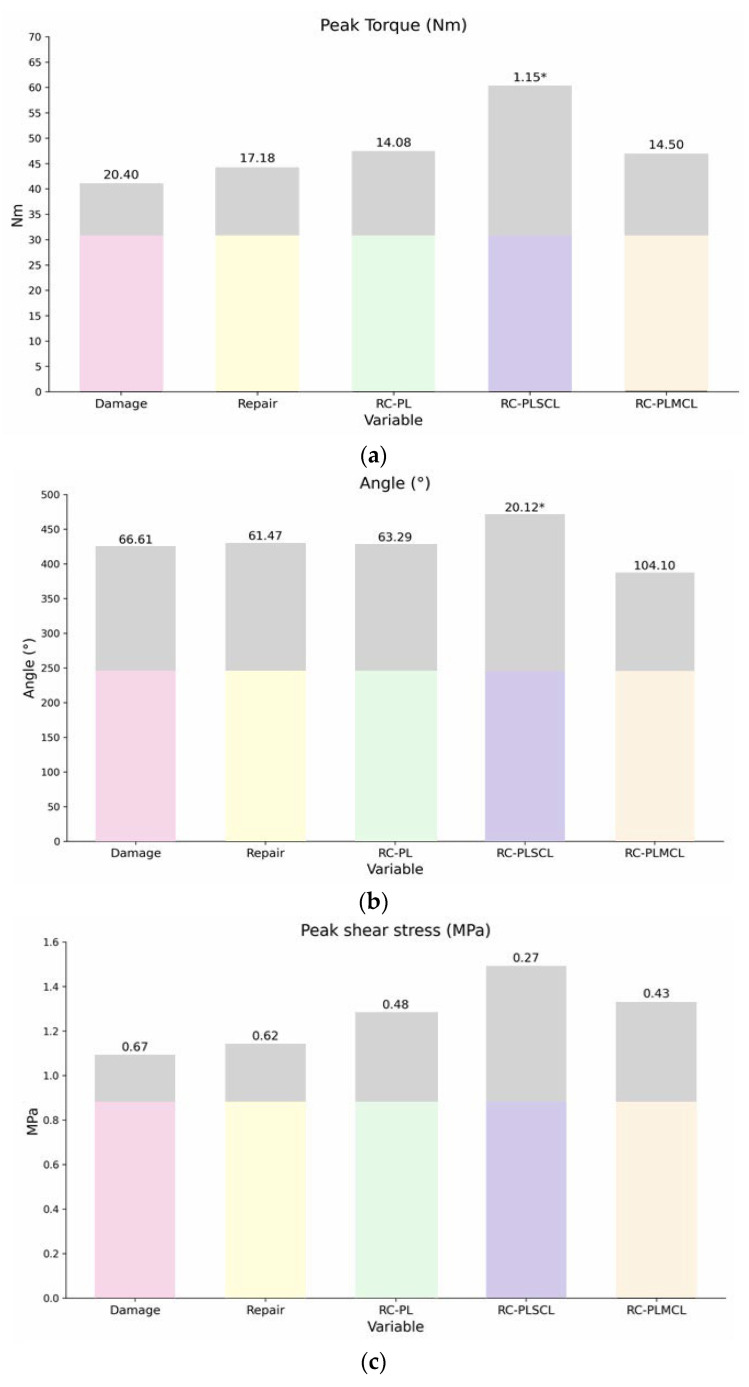 Figure 12
Peer Reviews
No public reviews on file for this paper yet. If you reviewed it on a platform where reviews are public (OpenReview, ICLR, NeurIPS, ICML), you can paste yours below so the community can read it here.
Videos
No videos yet. Explain this paper in a talk, walkthrough, or lecture? Add one.
Taxonomy
TopicsElbow and Forearm Trauma Treatment · Tendon Structure and Treatment · Shoulder Injury and Treatment