Enhancing Bone Conduction Sensor Signals via Self-Supervised Acoustic Priors and Key-Value Memory
Changyan Zheng, Hao He, Xiaohu Fan, Lin Li, Yang Zhao, Ye Yan, Erwei Yin

TL;DR
This paper introduces a method to enhance bone conduction sensor signals using self-supervised learning and memory modules to recover lost high-frequency speech components.
Contribution
A novel time-domain framework combining SSL priors and a Key-Value Memory module to improve BC signal quality without reference signals.
Findings
The proposed method achieves significant PESQ gains of over 51% and 73% on the ABCS and ESMB datasets.
The Key-Value Memory module effectively bridges the sensor domain gap by retrieving high-fidelity acoustic priors.
The compact architecture is optimized for real-world deployment while maintaining high performance.
Abstract
Bone conduction (BC) sensors naturally resist ambient noise, but the captured speech suffers from severe high-frequency attenuation due to the low-pass filtering characteristics of body tissue. To compensate for this hardware-induced information deficiency, we propose a time-domain framework leveraging highly generalized representations from Self-Supervised Learning (SSL). Specifically, we employ a large-scale pre-trained SSL model to generate embeddings that function as robust acoustic priors. Subsequently, a Key-Value Memory module is integrated to bridge the sensor domain gap, enabling the retrieval of high-fidelity priors from BC queries in the absence of reference air conduction signals. These retrieved cues are then processed by a Gated Attention Projection and dynamically fused into the primary network’s bottleneck, effectively recovering the high-frequency harmonics attenuated…
Genes, proteins, chemicals, diseases, species, mutations and cell lines named across the full text — each resolved to its canonical identifier and authoritative record.
Click any figure to enlarge with its caption.
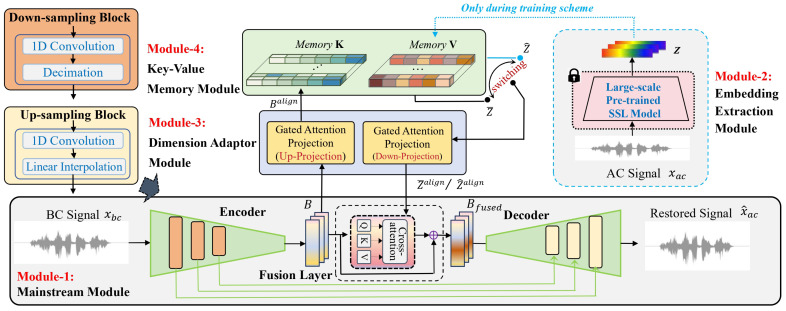 Figure 1
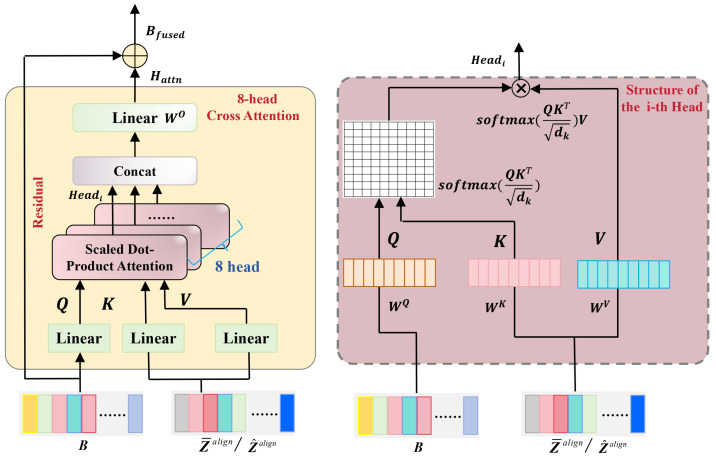 Figure 2
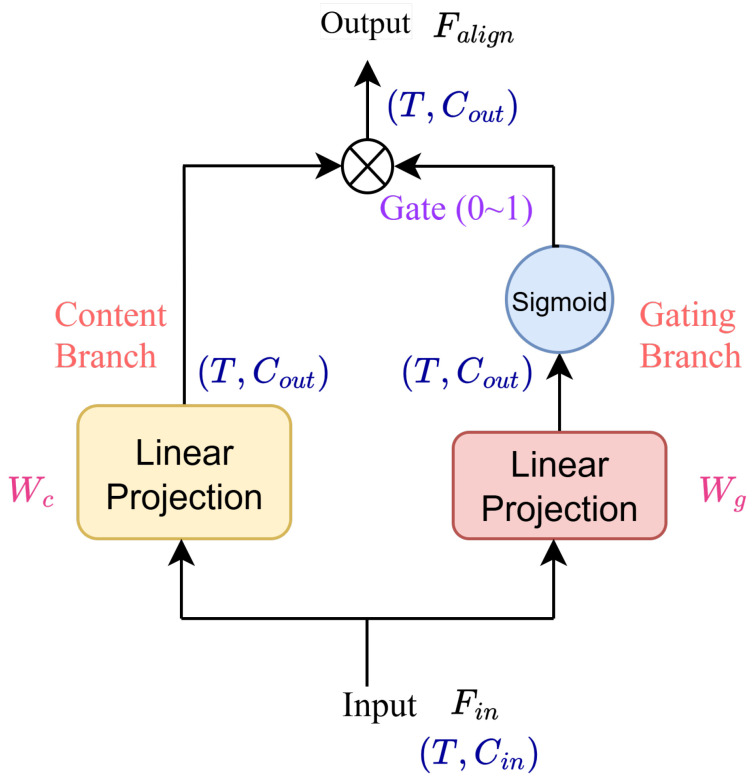 Figure 3
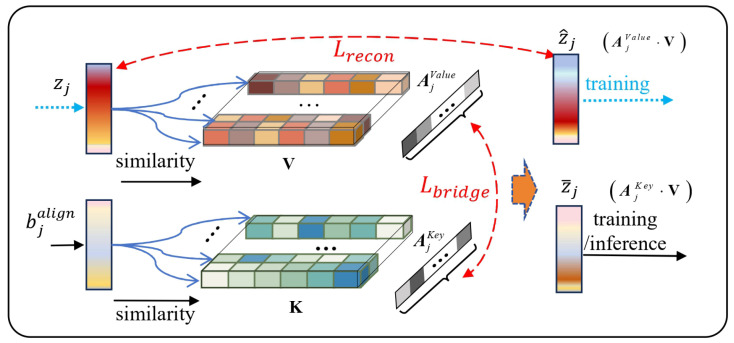 Figure 4
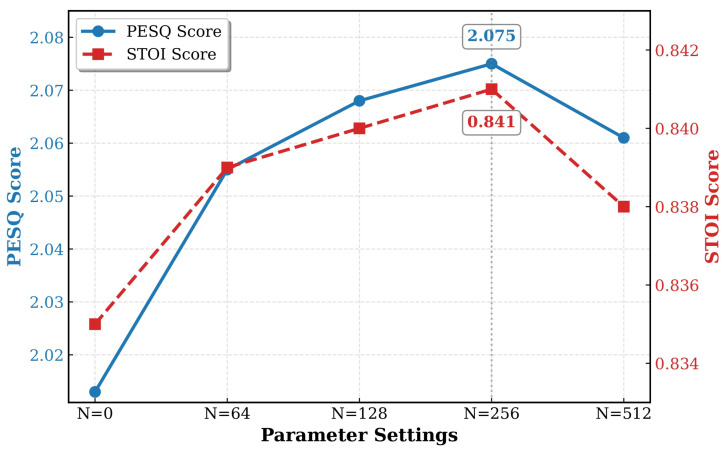 Figure 5
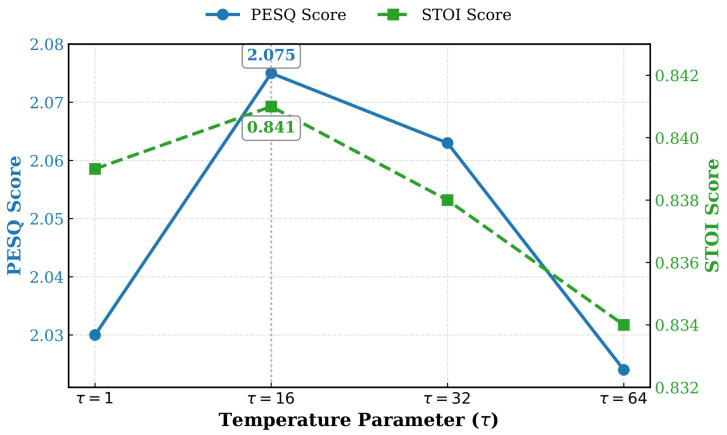 Figure 6
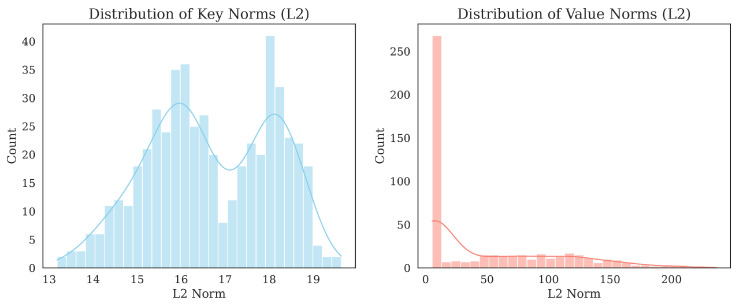 Figure 7
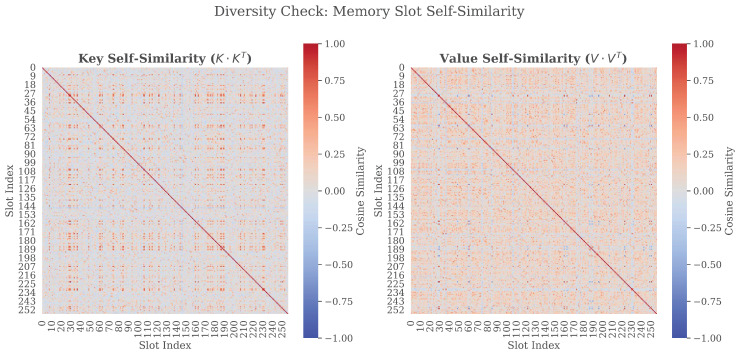 Figure 8
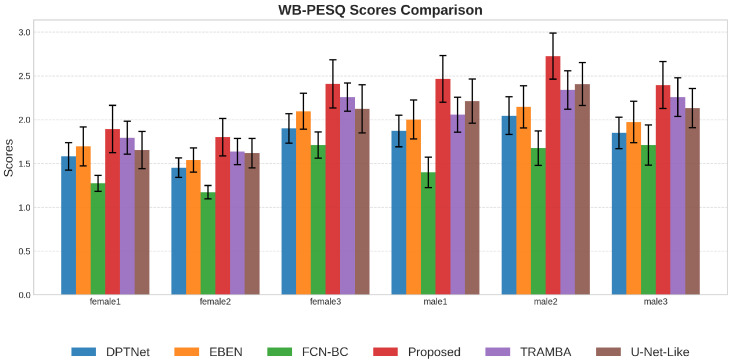 Figure 9
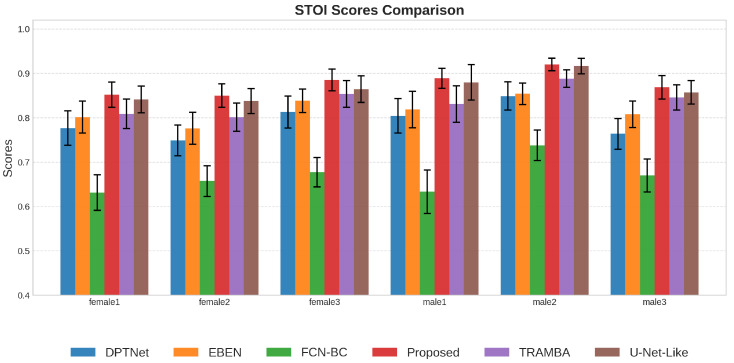 Figure 10
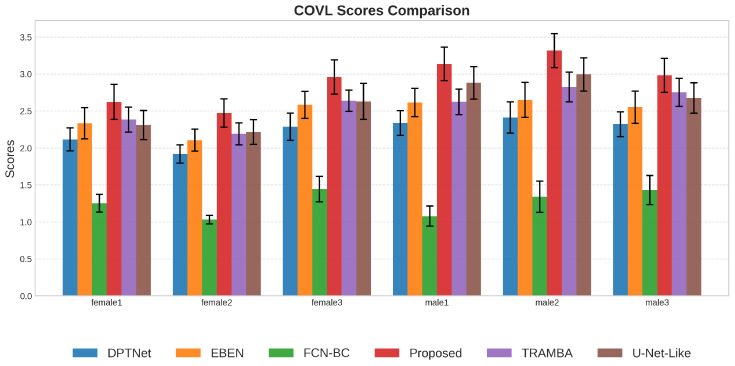 Figure 11
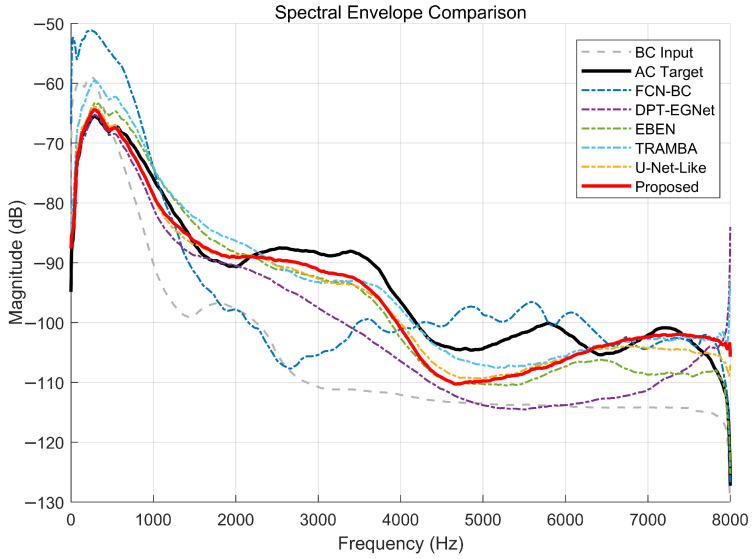 Figure 12
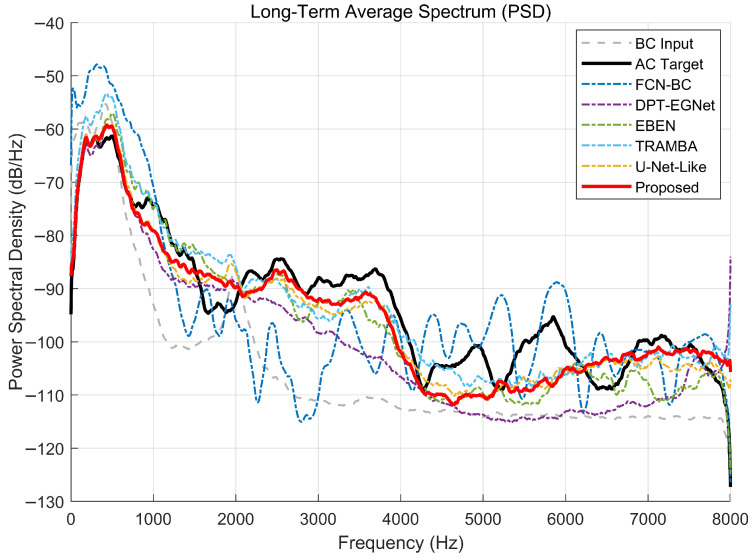 Figure 13
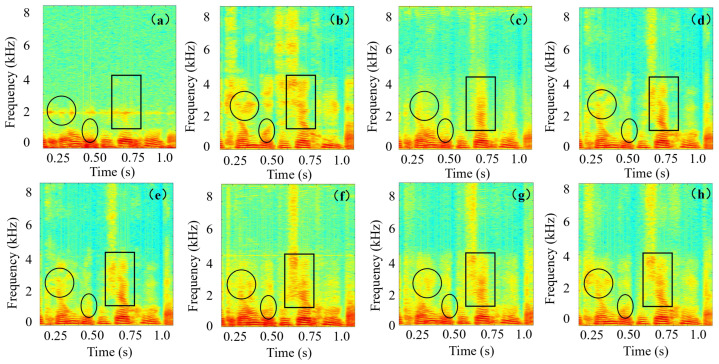 Figure 14
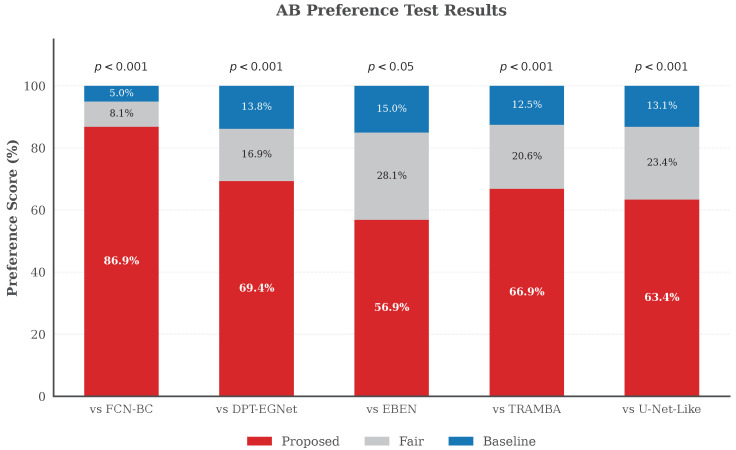 Figure 15
Peer Reviews
No public reviews on file for this paper yet. If you reviewed it on a platform where reviews are public (OpenReview, ICLR, NeurIPS, ICML), you can paste yours below so the community can read it here.
Videos
No videos yet. Explain this paper in a talk, walkthrough, or lecture? Add one.
Taxonomy
TopicsPhonocardiography and Auscultation Techniques · Speech Recognition and Synthesis · Gait Recognition and Analysis