Detection of Hydraulic Oil-Polluted Soil Using a Low-Cost Electronic Nose with Sample Heating
Piotr Borowik, Przemysław Pluta, Rafał Tarakowski, Tomasz Oszako

TL;DR
A low-cost electronic nose can detect soil contaminated with hydraulic oil, offering a cost-effective solution for environmental monitoring.
Contribution
The study introduces a custom-built, low-cost electronic nose with sample heating for detecting soil pollution from hydraulic oil.
Findings
The electronic nose achieved 97% accuracy in detecting soil contamination at room temperature.
Sensor heater temperature modulation improved classification performance compared to other methods.
TGS 2602 was the most effective sensor for detecting biodegradable oil contamination.
Abstract
Monitoring soil contamination from petroleum products is vital for protecting human health and the environment. In forestry, hydraulic oil spills frequently result from leaks in equipment such as harvesters. This study evaluates a custom-built, inexpensive electronic nose, equipped with a Figaro TGS gas sensor array, for discriminating between pristine and contaminated soil samples. Two oil types and three pollution intensities were analyzed. The constructed electronic nose applied two sensor operation modes: (i) response to change of sensor operation condition from clean air to target odors and (ii) response to sensor heater temperature modulation. Classification was performed using Random Forest and Support Vector Machine (SVM) algorithms, and Linear Discriminant Analysis (LDA) was used to explore multidimensional data patterns. The sensor heater temperature modulation mode provided…
Genes, proteins, chemicals, diseases, species, mutations and cell lines named across the full text — each resolved to its canonical identifier and authoritative record.
Click any figure to enlarge with its caption.
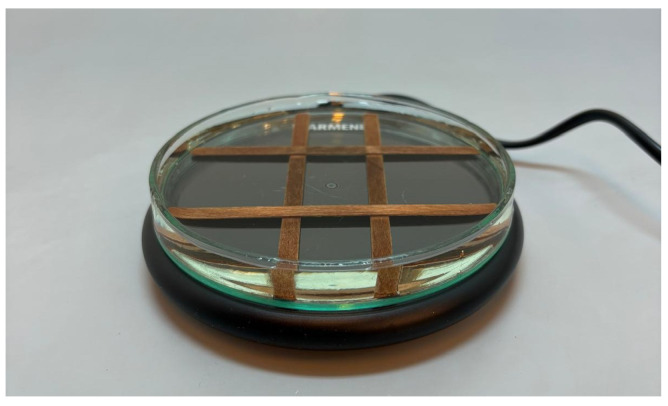 Figure 1
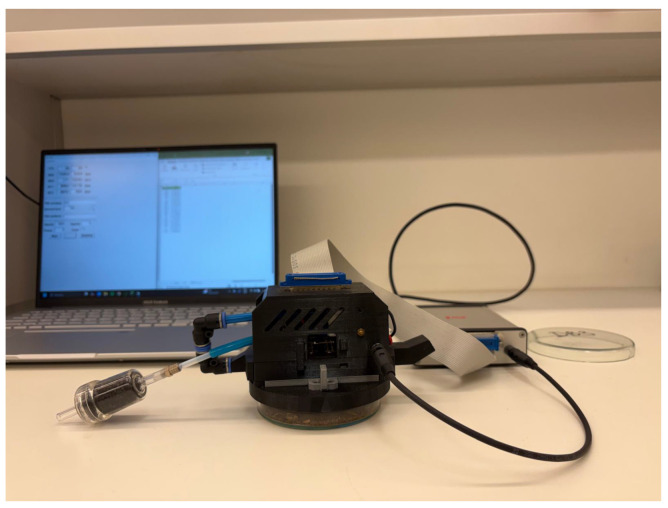 Figure 2
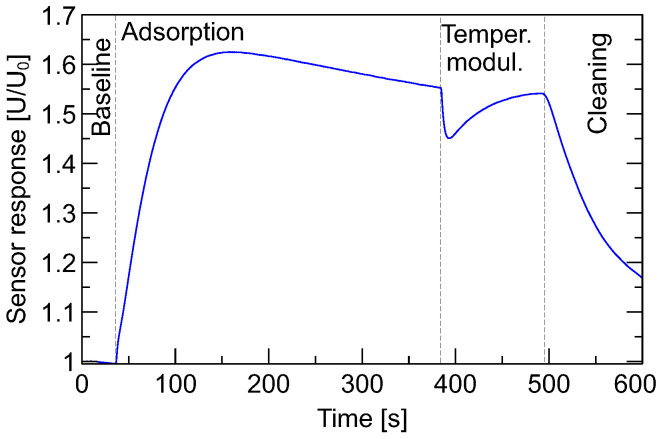 Figure 3
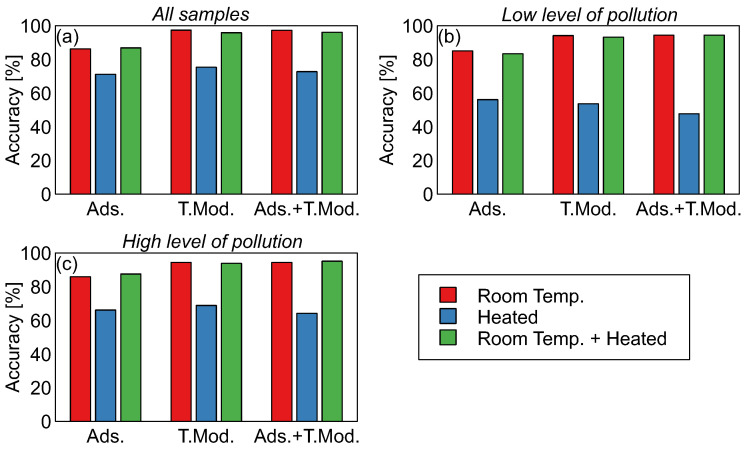 Figure 4
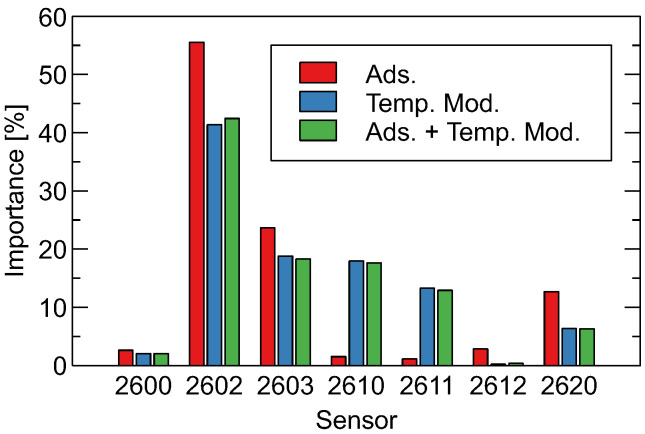 Figure 5
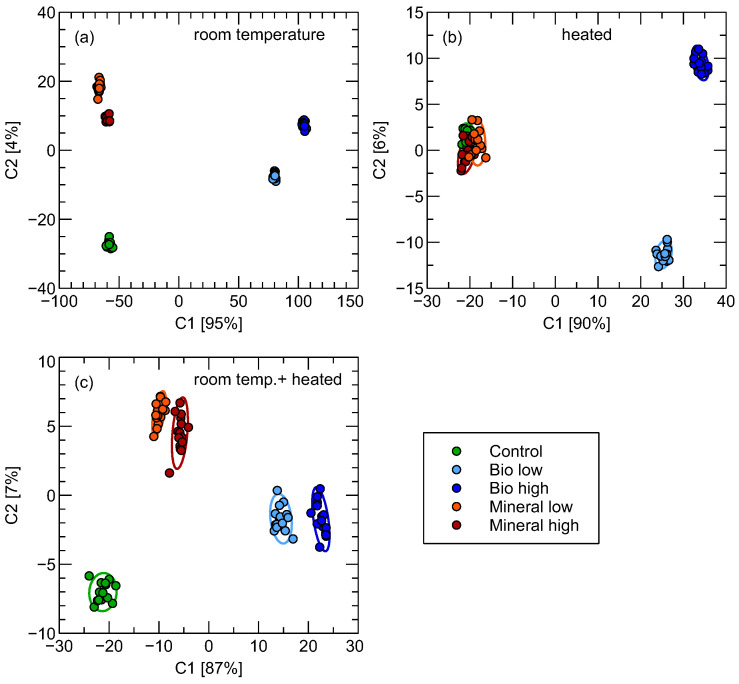 Figure 6
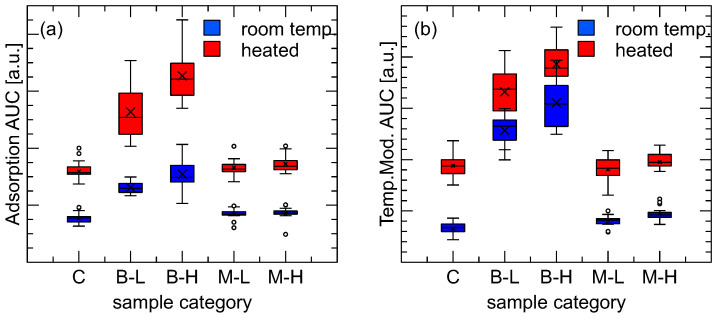 Figure 7
Peer Reviews
No public reviews on file for this paper yet. If you reviewed it on a platform where reviews are public (OpenReview, ICLR, NeurIPS, ICML), you can paste yours below so the community can read it here.
Videos
No videos yet. Explain this paper in a talk, walkthrough, or lecture? Add one.
Taxonomy
TopicsAdvanced Chemical Sensor Technologies · Gas Sensing Nanomaterials and Sensors · Insect Pheromone Research and Control