Mean Reversion and Heavy Tails: Characterizing Time-Series Data Using Ornstein–Uhlenbeck Processes and Machine Learning
Sebastian Raubitzek, Sebastian Schrittwieser, Georg Goldenits, Alexander Schatten, Kevin Mallinger

TL;DR
This paper introduces a machine learning method to analyze time-series data by estimating mean reversion and heavy-tail characteristics from short windows.
Contribution
A novel supervised learning framework using CatBoost to estimate mean-reversion rate and heavy-tail parameters from short time-series windows.
Findings
The method accurately estimates θ and α from synthetic Ornstein–Uhlenbeck processes with α-stable noise.
It successfully detects regime changes in financial returns, sunspot data, and climate fields.
The framework is robust to non-Gaussian and heavy-tailed inputs without domain-specific tuning.
Abstract
We present a supervised learning method to estimate two local descriptors of time-series dynamics, the mean-reversion rate θ and a heavy-tail estimate α, from short windows of data. These parameters summarize recovery behavior and tail heaviness and are useful for interpreting stochastic signals in sensing applications. The method is trained on synthetic, dimensionless Ornstein–Uhlenbeck processes with α-stable noise, ensuring robustness for non-Gaussian and heavy-tailed inputs. Gradient-boosted tree models (CatBoost) map window-level statistical features to discrete α and θ categories with high accuracy and predominantly adjacent-class confusion. Using the same trained models, we analyze daily financial returns, daily sunspot numbers, and NASA POWER climate fields for Austria. The method detects changes in local dynamics, including shifts in the financial tail structure after 2010,…
Genes, proteins, chemicals, diseases, species, mutations and cell lines named across the full text — each resolved to its canonical identifier and authoritative record.
Click any figure to enlarge with its caption.
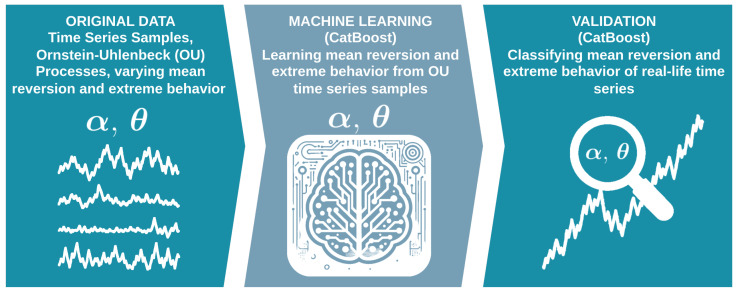 Figure 1
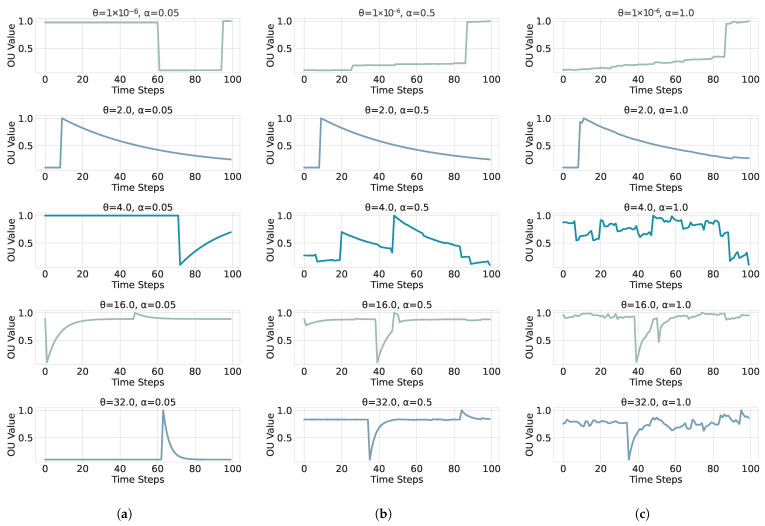 Figure 2
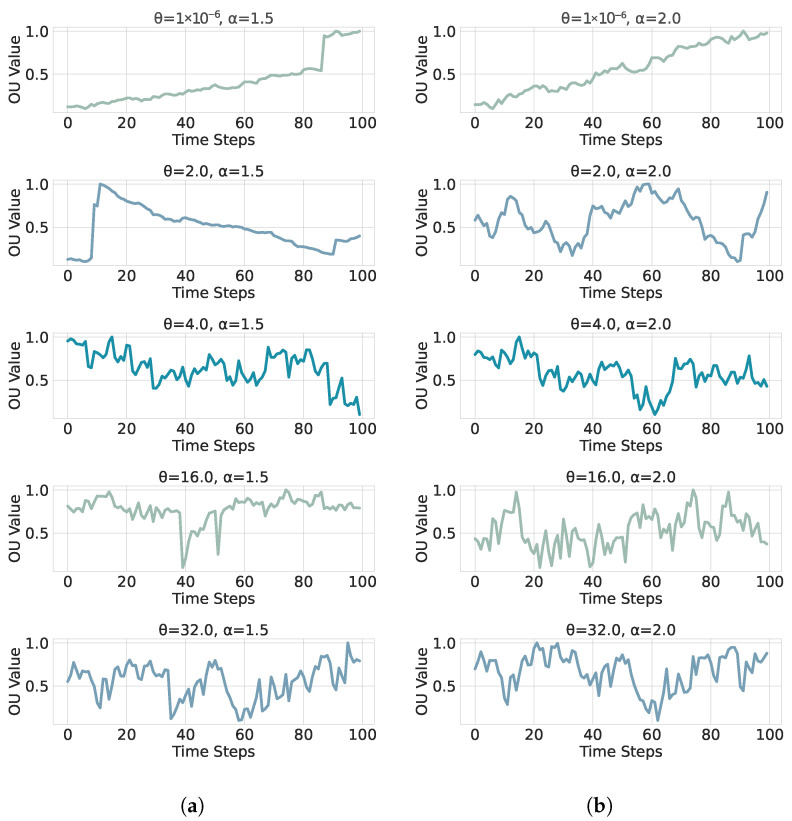 Figure 3
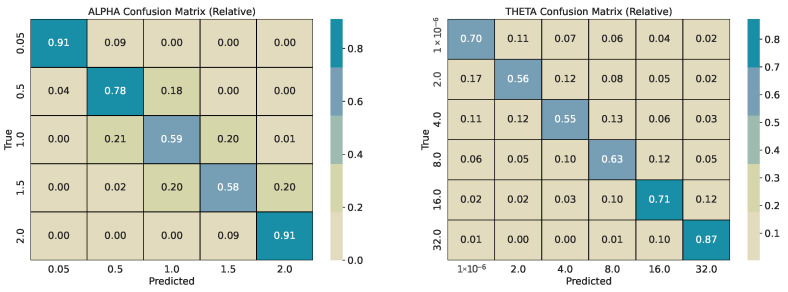 Figure 4
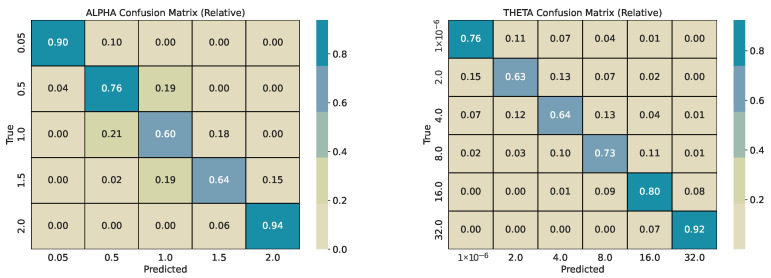 Figure 5
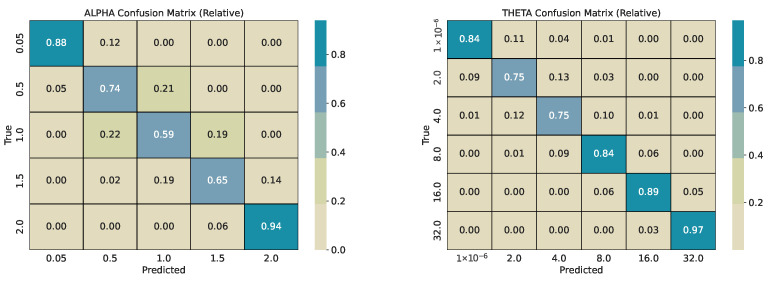 Figure 6
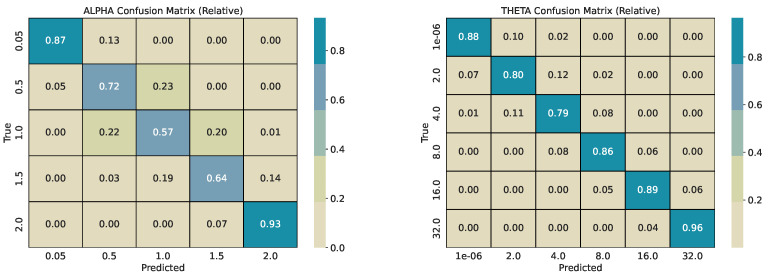 Figure 7
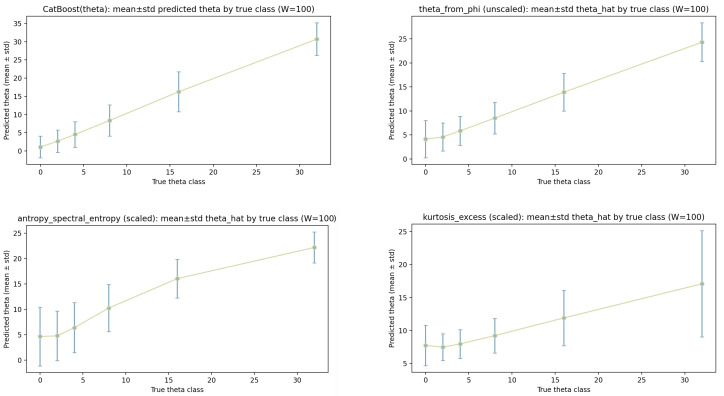 Figure 8
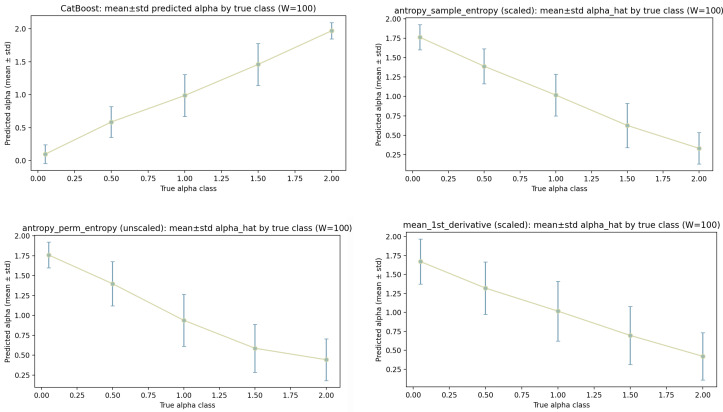 Figure 9
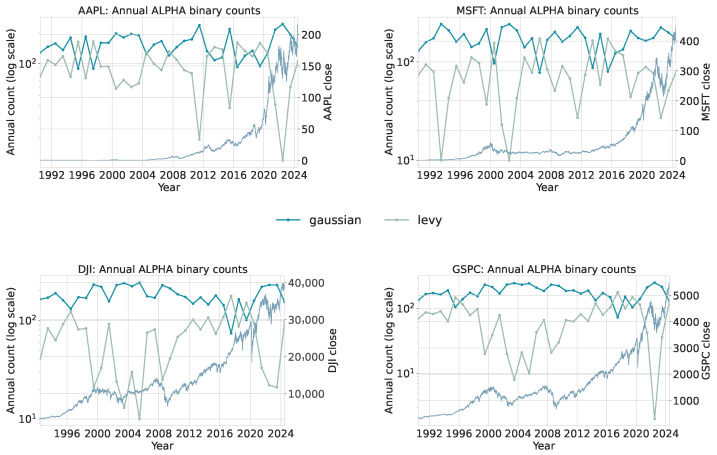 Figure 10
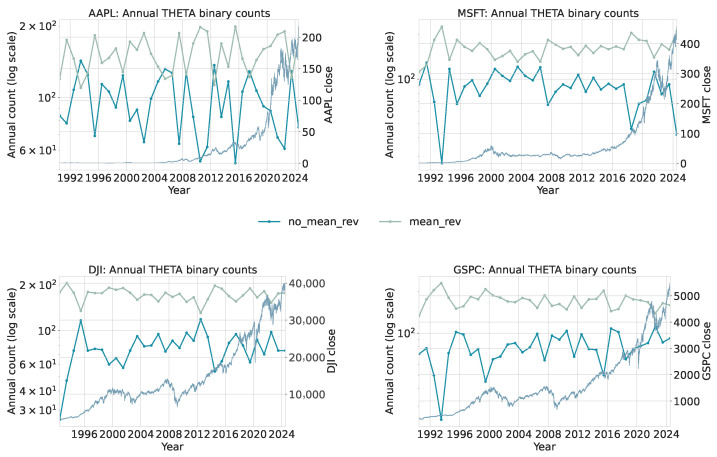 Figure 11
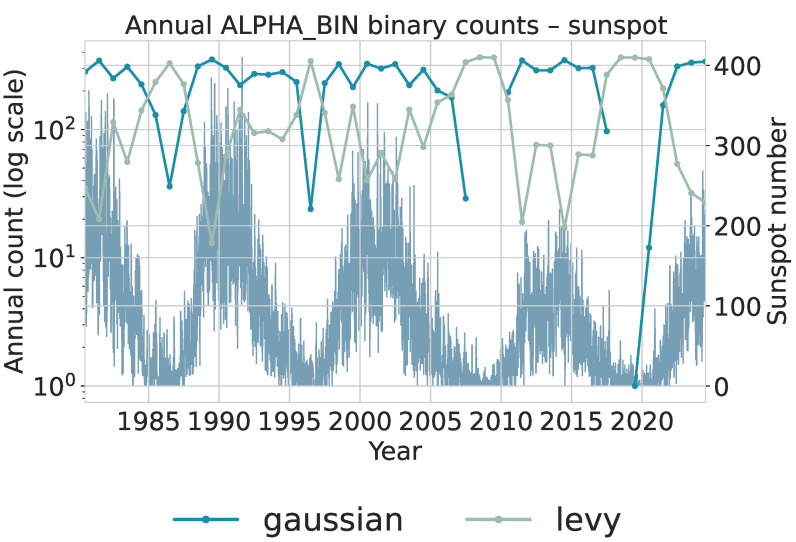 Figure 12
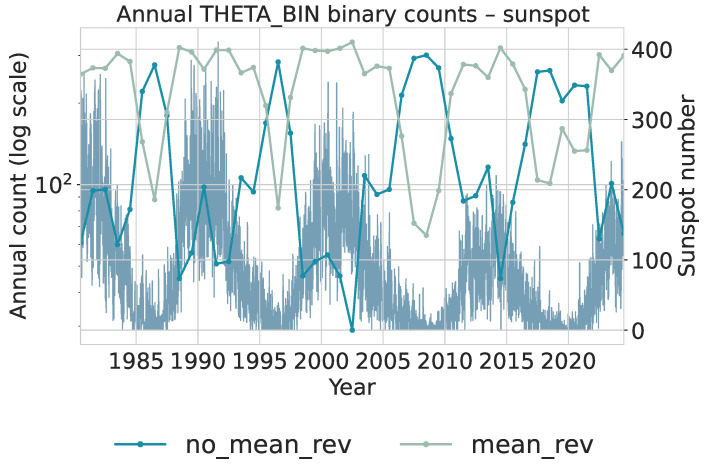 Figure 13
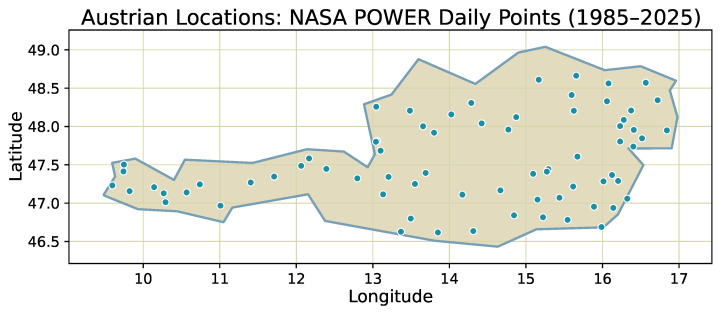 Figure 14
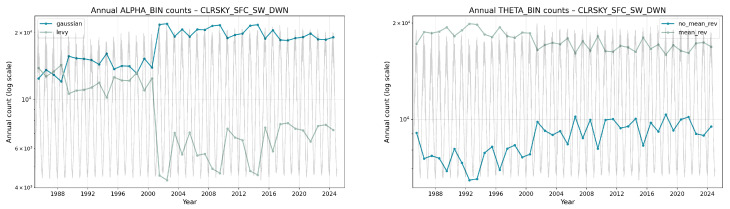 Figure 15
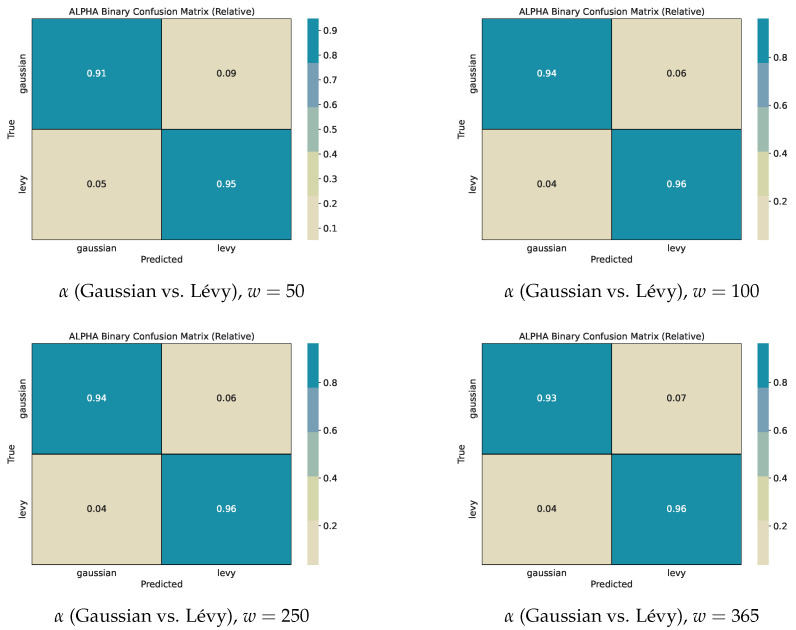 Figure 16
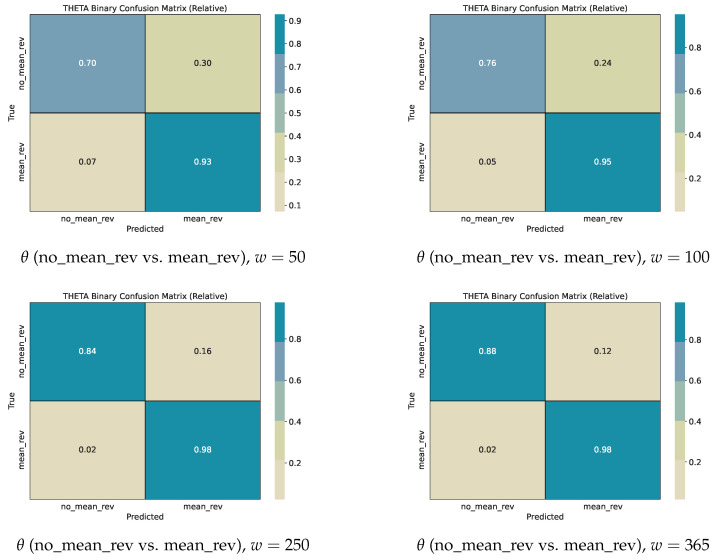 Figure 17
Peer Reviews
No public reviews on file for this paper yet. If you reviewed it on a platform where reviews are public (OpenReview, ICLR, NeurIPS, ICML), you can paste yours below so the community can read it here.
Videos
No videos yet. Explain this paper in a talk, walkthrough, or lecture? Add one.
Taxonomy
TopicsComplex Systems and Time Series Analysis · Earthquake Detection and Analysis · Statistical and numerical algorithms