Investigation of the Effects of the Multiplication Area Shape on the Operational Parameters of InGaAs/InAlAs SPADs
Anton Losev, Alexandr Filyaev, Vladimir Zavodilenko, Fedor Knyazhev, Igor Pavlov, Alexander Gorbatsevich

TL;DR
This paper studies how the shape of the multiplication area in a type of photodiode affects its performance, showing that smaller active regions reduce dark current and improve quality.
Contribution
The study introduces a 2D model to analyze how active area geometry affects SPAD operational parameters and proposes using current–voltage curves for quality assessment.
Findings
Reducing the active region diameter from 25 μm to 10 μm decreased dark current by about 10 dB in the linear mode.
Higher breakdown voltage correlates with better SPAD quality due to reduced local field strength increases.
Current–voltage curves can be used to select high-quality SPADs from a batch.
Abstract
A 2D model of an InGaAs/InAlAs single-photon avalanche photodiode has been developed. The influence of the active area structure in the multiplication region on the diode’s operating parameters has been studied. It was found that changing the diameter of the structure’s active region leads to a change in the dark current in the linear part of the current–voltage curve and a change in the breakdown voltage. Reducing the diameter of the active region from 25 μm to 10 μm allowed decreasing the dark current in the linear mode by about 10 dB. It has been shown that the quality of the SPAD device can be assessed by knowing the avalanche breakdown voltage and the overall current–voltage curve plot if we consider structures with the same multiplication region thickness and different remaining layers. The higher the breakdown voltage, the better the structure’s quality due to smaller local…
Genes, proteins, chemicals, diseases, species, mutations and cell lines named across the full text — each resolved to its canonical identifier and authoritative record.
Click any figure to enlarge with its caption.
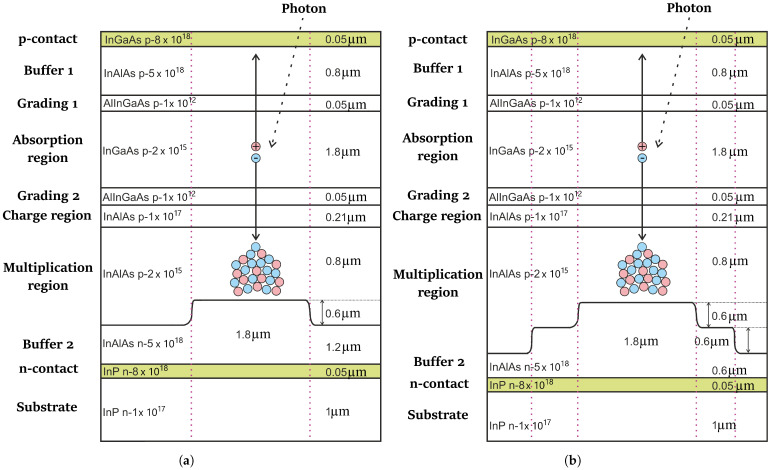 Figure 1
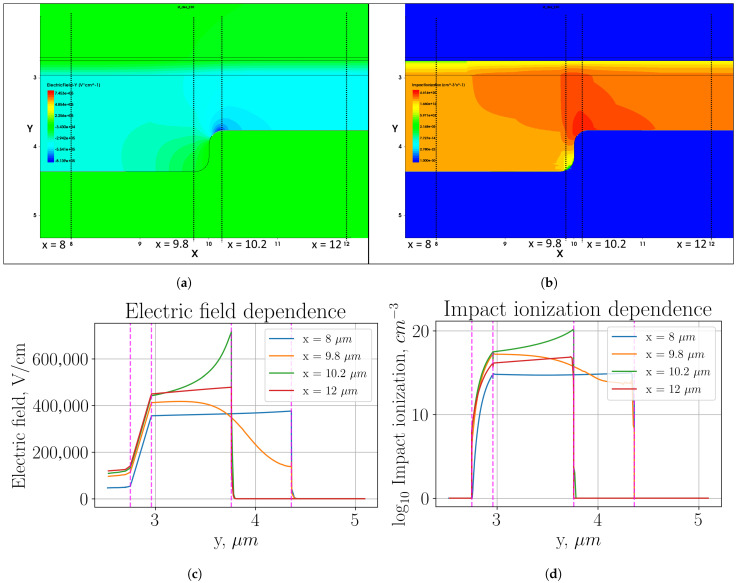 Figure 2
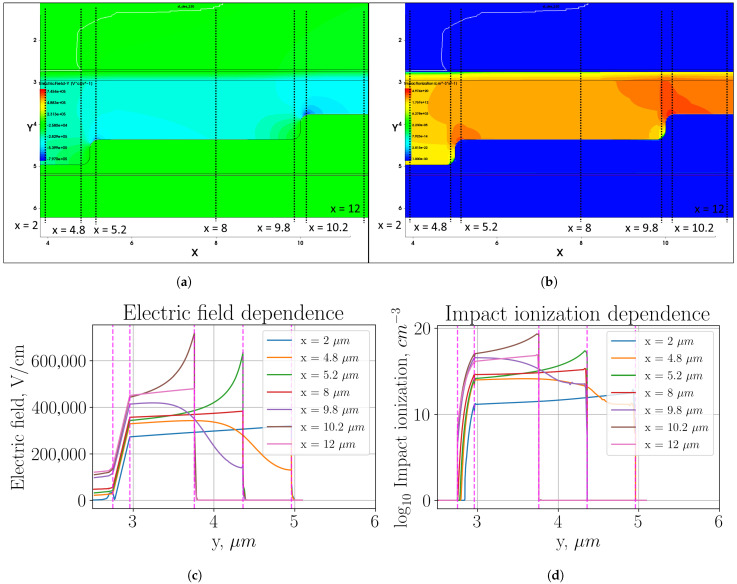 Figure 3
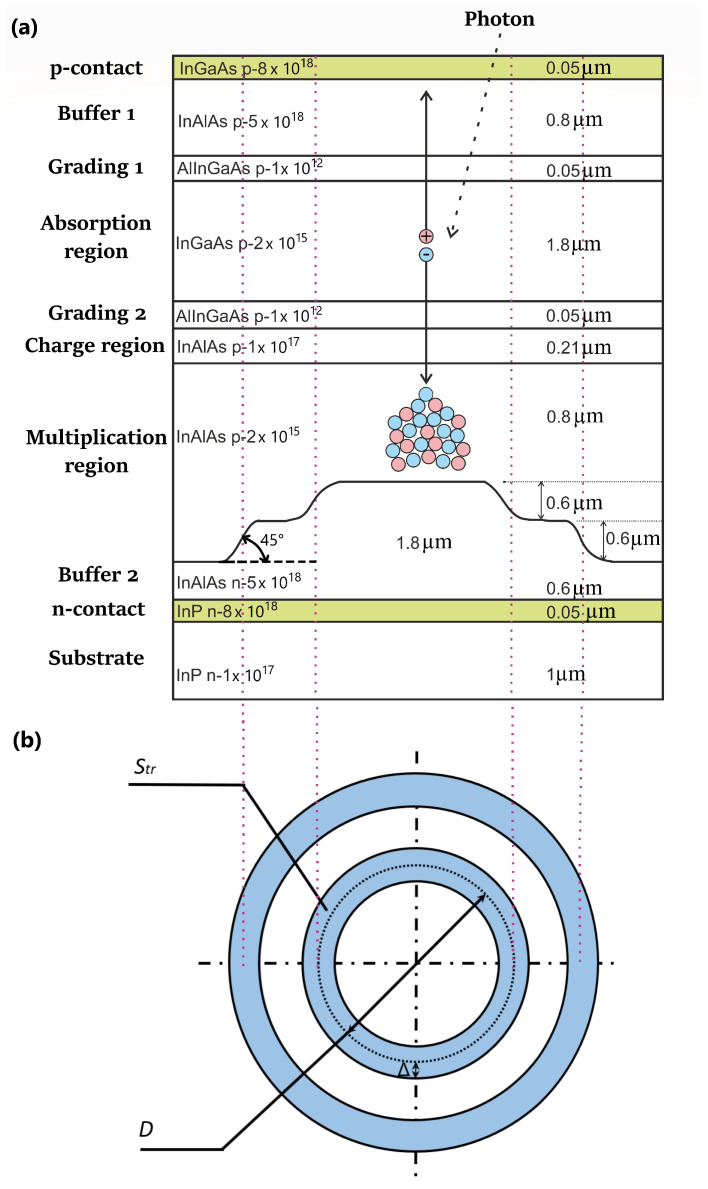 Figure 4
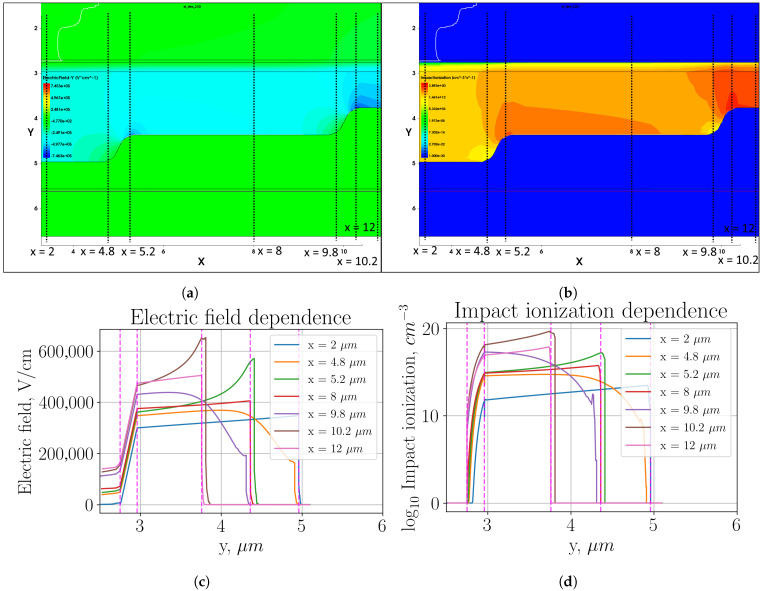 Figure 5
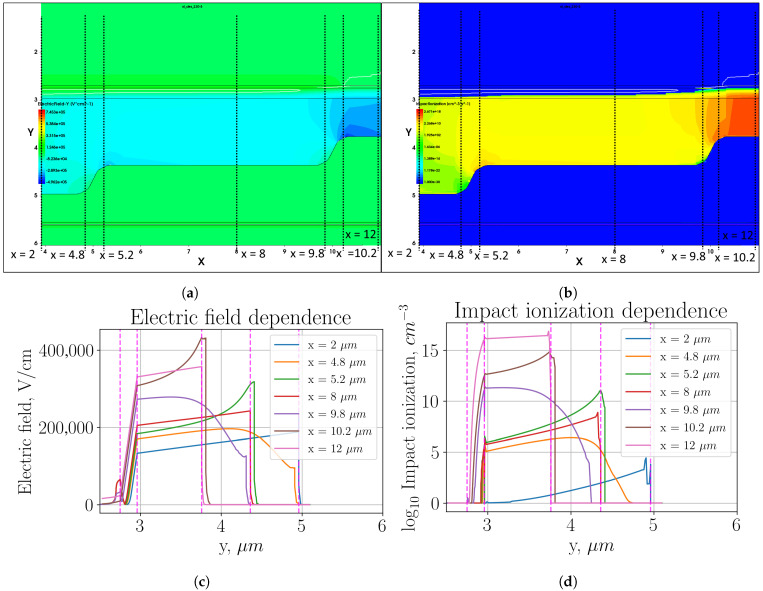 Figure 6
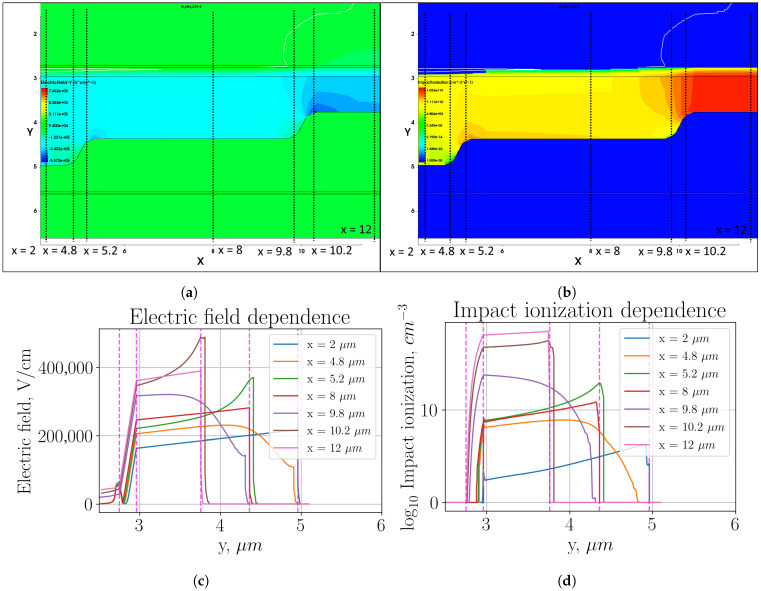 Figure 7
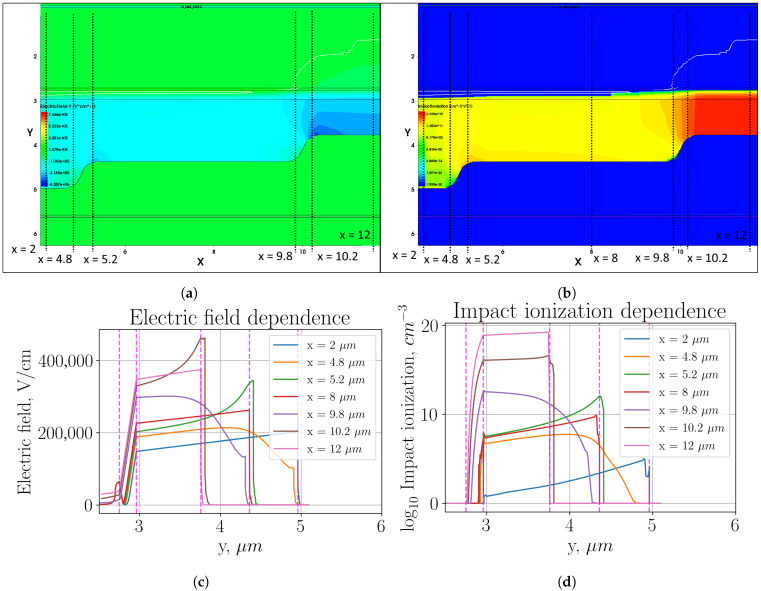 Figure 8
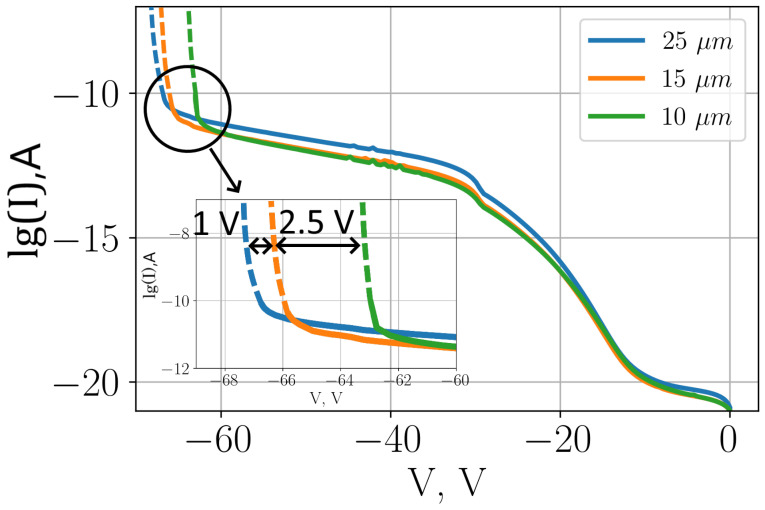 Figure 9
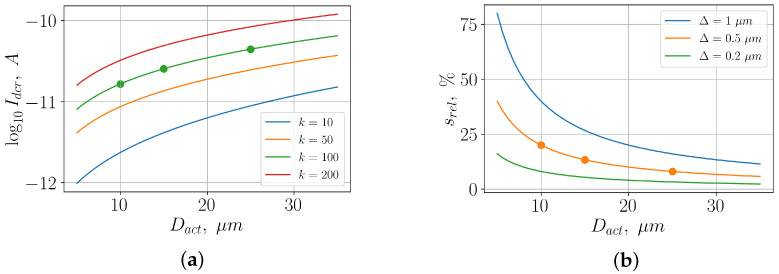 Figure 10
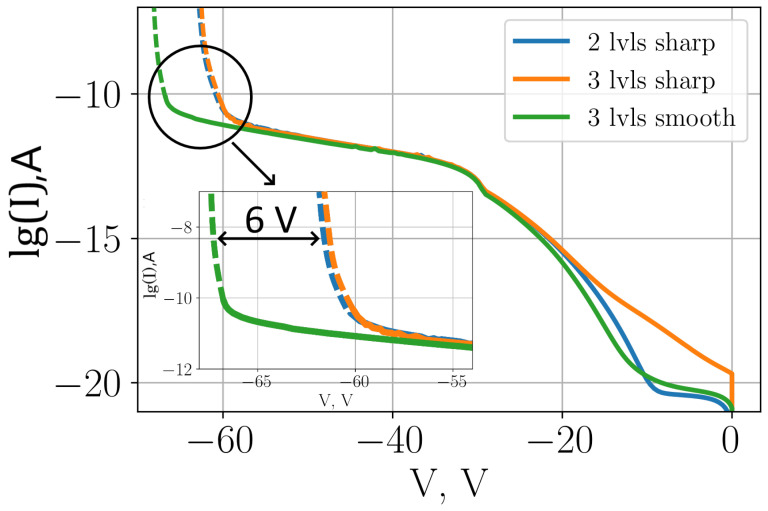 Figure 11
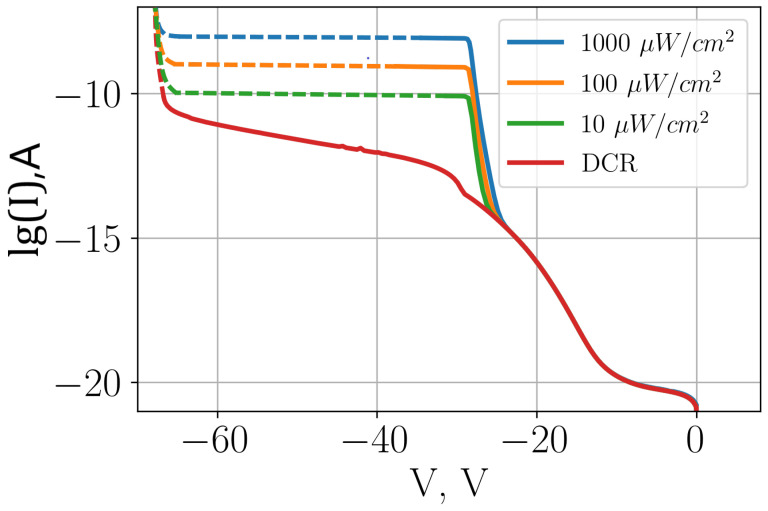 Figure 12
Peer Reviews
No public reviews on file for this paper yet. If you reviewed it on a platform where reviews are public (OpenReview, ICLR, NeurIPS, ICML), you can paste yours below so the community can read it here.
Videos
No videos yet. Explain this paper in a talk, walkthrough, or lecture? Add one.
Taxonomy
TopicsAdvanced Optical Sensing Technologies · Advanced Photonic Communication Systems · Semiconductor Lasers and Optical Devices