Design and Characterization of a Hyperspectral Colposcope Based on Dual-LCTF VNIR Narrow-Band Illumination
Carlos Vega, Raquel Leon, Norberto Medina, Himar Fabelo, Alicia Martín, Gustavo M. Callico

TL;DR
A new hyperspectral colposcope using dual tunable filters was developed to improve motion resistance and speed for cervical cancer screening.
Contribution
A dual-LCTF hyperspectral colposcope with emission-filtering and wavelength-dependent exposure was developed for in vivo applications.
Findings
The system covers 460–1000 nm with 130 spectral bands at 5 nm resolution.
Emission-filtering and exposure control reduced motion artefacts and improved signal-to-noise ratio.
The system shows potential for integration into clinical workflows for early cervical cancer detection.
Abstract
What are the main findings? A dual-LCTF hyperspectral colposcope with emission-filtering and wavelength-dependent exposure was developed and quantitatively characterized over an extended VNIR range (460–1000 nm).Spectral scanning using LCTF technology provided improved robustness to motion artefacts and reduced acquisition time compared with a Snapscan-based hyperspectral colposcope. A dual-LCTF hyperspectral colposcope with emission-filtering and wavelength-dependent exposure was developed and quantitatively characterized over an extended VNIR range (460–1000 nm). Spectral scanning using LCTF technology provided improved robustness to motion artefacts and reduced acquisition time compared with a Snapscan-based hyperspectral colposcope. What are the implications of the main finding? Emission-filtering combined with wavelength-dependent exposure provides a clinically robust…
Genes, proteins, chemicals, diseases, species, mutations and cell lines named across the full text — each resolved to its canonical identifier and authoritative record.
Click any figure to enlarge with its caption.
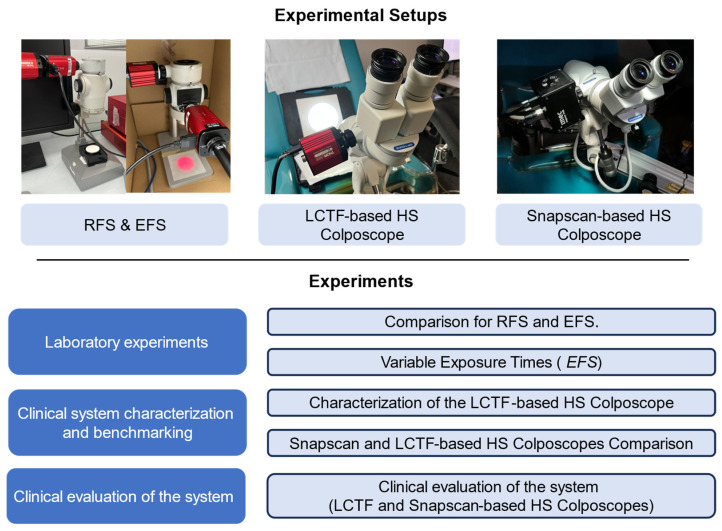 Figure 1
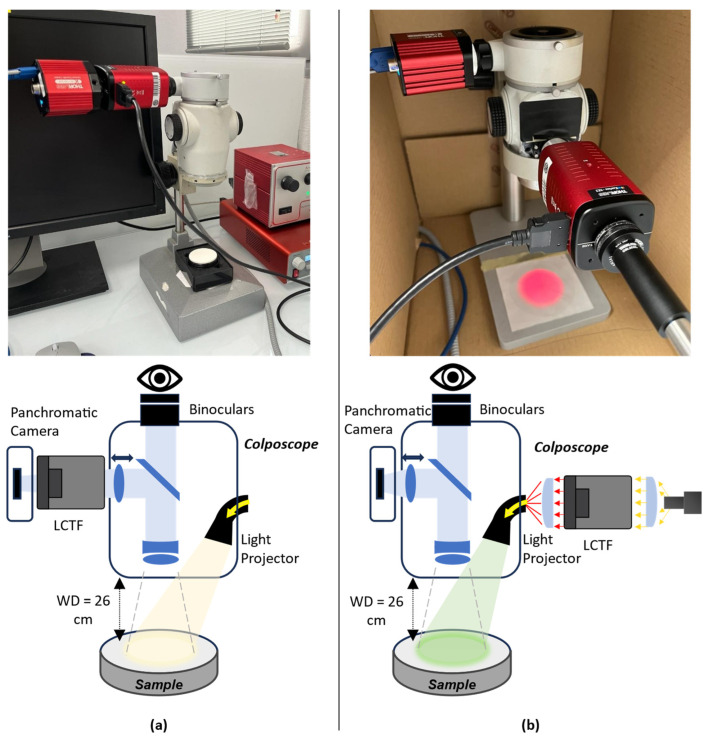 Figure 2
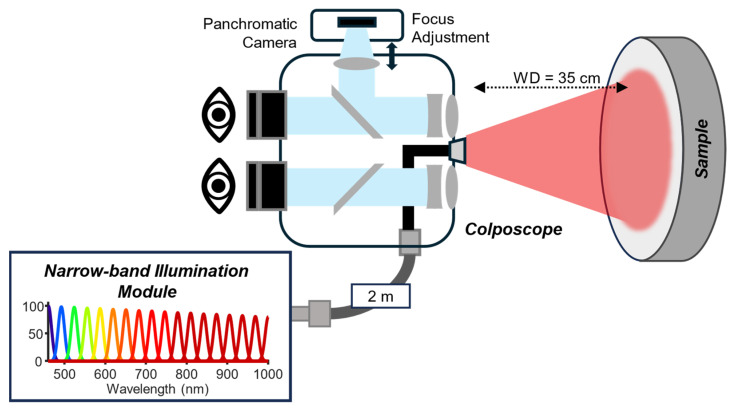 Figure 3
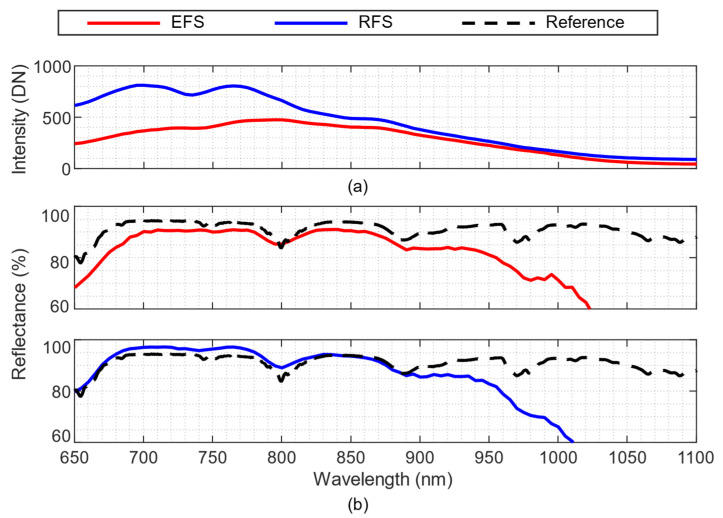 Figure 4
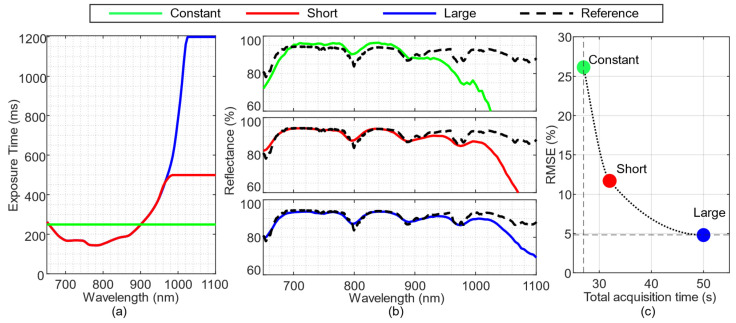 Figure 5
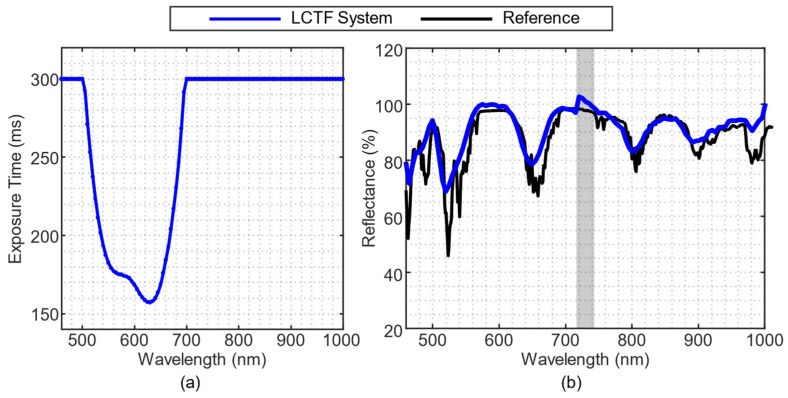 Figure 6
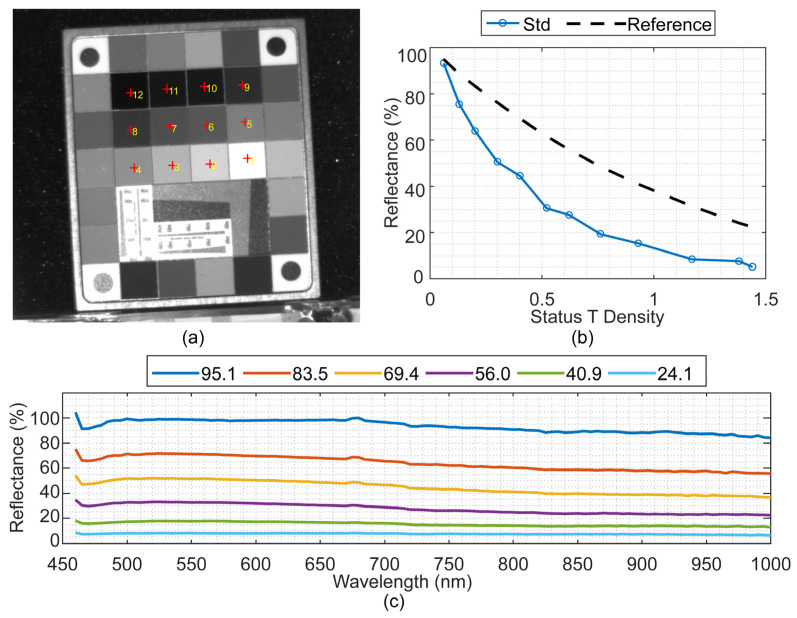 Figure 7
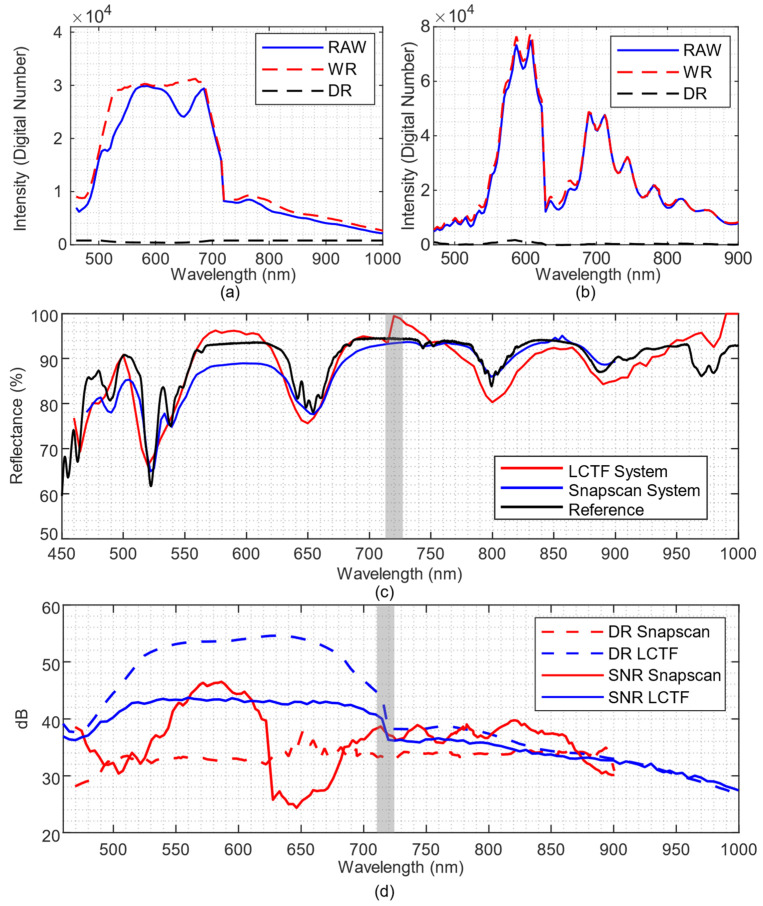 Figure 8
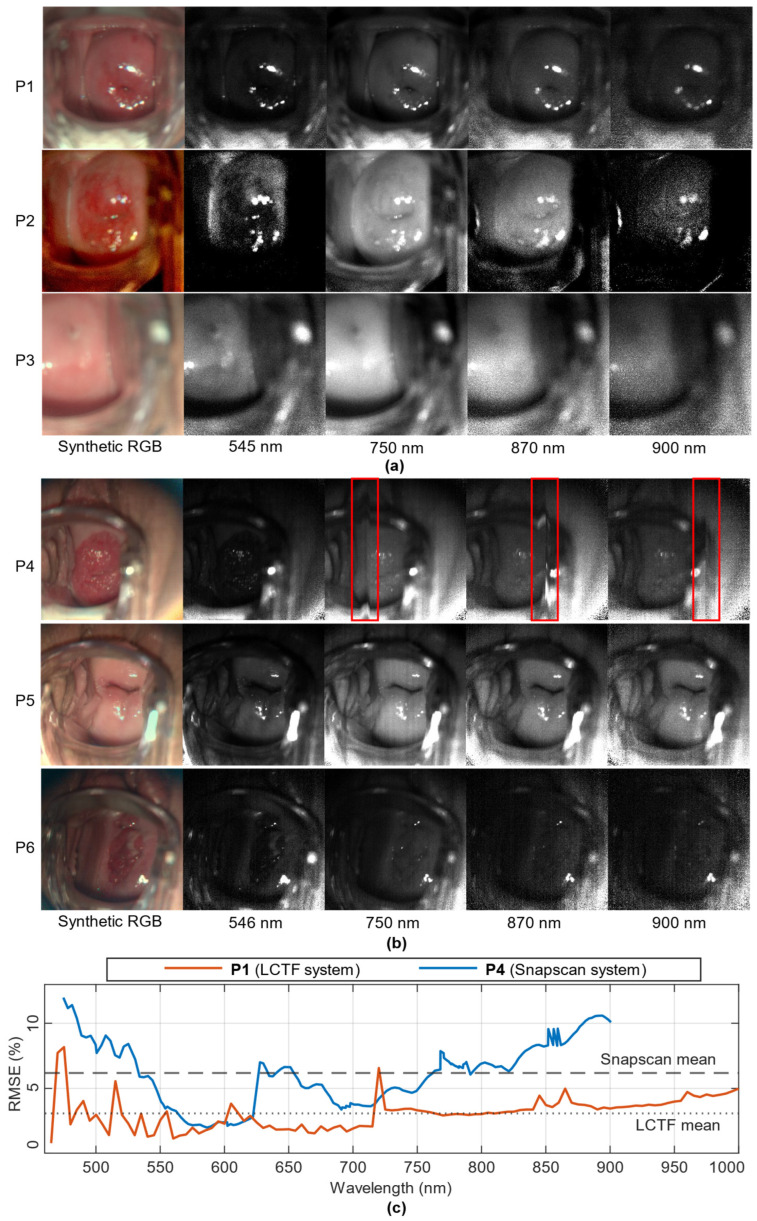 Figure 9
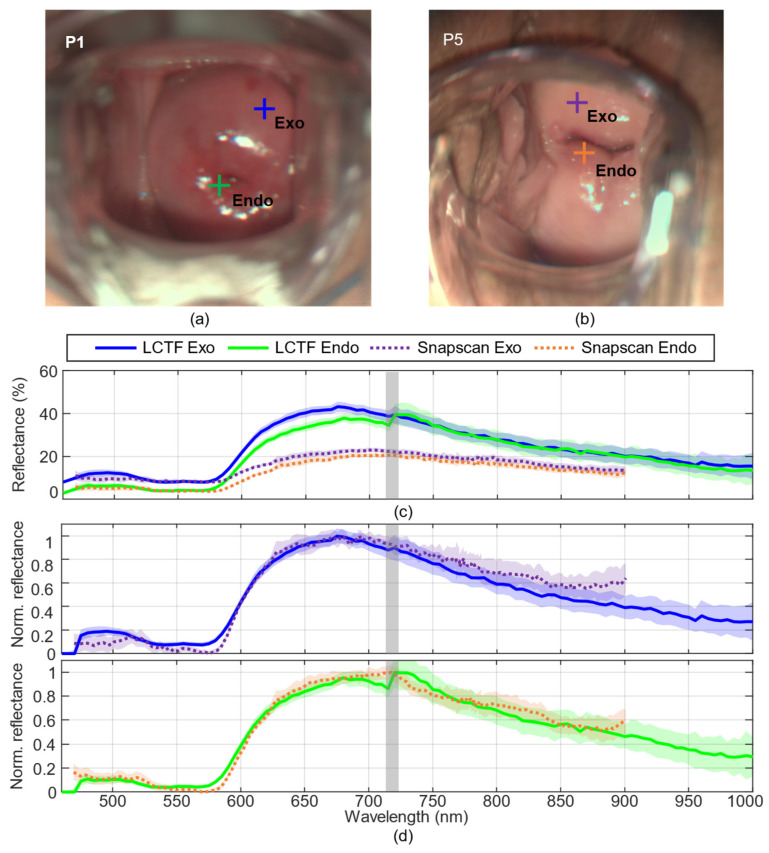 Figure 10
Peer Reviews
No public reviews on file for this paper yet. If you reviewed it on a platform where reviews are public (OpenReview, ICLR, NeurIPS, ICML), you can paste yours below so the community can read it here.
Videos
No videos yet. Explain this paper in a talk, walkthrough, or lecture? Add one.
Taxonomy
TopicsOptical Imaging and Spectroscopy Techniques · Optical and Acousto-Optic Technologies · Optical Polarization and Ellipsometry