A Comparison of Damages Occurring on the Bonding Surface of Carbon and Glass Fiber-Reinforced Polymer Composite Materials Used in Wind Turbine Blades and Marine Vessels via Three-Point Bending and Four-Point Bending Tests
Dudu Mertgenç Yoldaş, Gürcan Atakök

TL;DR
This study compares how seawater exposure affects the strength of carbon and glass fiber composites used in wind turbines and ships, showing carbon fiber is more durable.
Contribution
The study provides new empirical data on the degradation of GFRP and CFRP adhesive joints under simulated marine conditions using standardized bending tests.
Findings
GFRP specimens showed greater Young’s modulus reduction (up to 12.98%) compared to CFRP (up to 3.74%) after 3 months of seawater exposure in 3PB tests.
CFRP joints demonstrated more stable mechanical behavior in both 3PB and 4PB tests under simulated marine and wind turbine conditions.
The results emphasize the importance of material selection for long-term durability in offshore composite structures.
Abstract
The aim of this study is to experimentally evaluate the damage mechanisms occurring in the adhesive-bonded regions of glass fiber-reinforced polymer (GFRP) and carbon fiber-reinforced polymer (CFRP) composites, which are widely used in marine and offshore wind turbine applications, under environmental conditions. In particular, this study focuses on the degradation caused by long-term seawater exposure and its effects on the bending behavior and load-carrying capacity of adhesive joints. For this purpose, the specimens were prepared in accordance with ASTM D5868-01, using 7-layer GFRP and 8-layer CFRP laminates. Single-lap adhesive joints were fabricated. To simulate marine environmental conditions, the single-lap adhesive joints were immersed in natural seawater obtained from the Aegean Sea (22 °C temperature and 3.3–3.7% salinity) for 1, 2, and 3 months in separate containers.…
Genes, proteins, chemicals, diseases, species, mutations and cell lines named across the full text — each resolved to its canonical identifier and authoritative record.
Click any figure to enlarge with its caption.
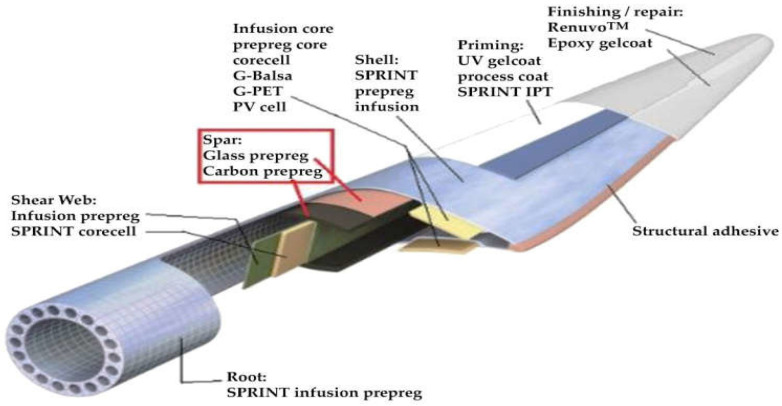 Figure 1
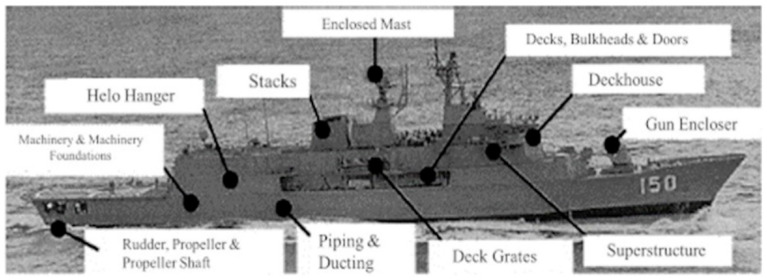 Figure 2
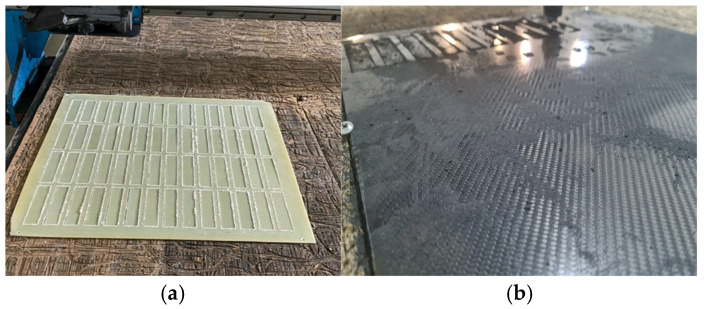 Figure 3
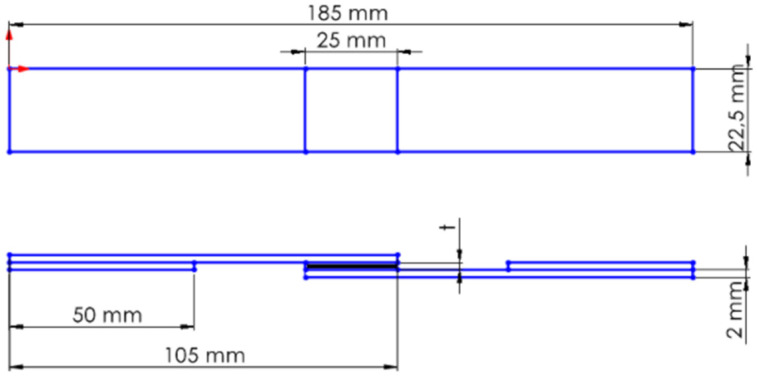 Figure 4
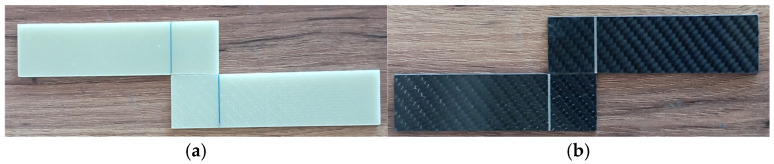 Figure 5
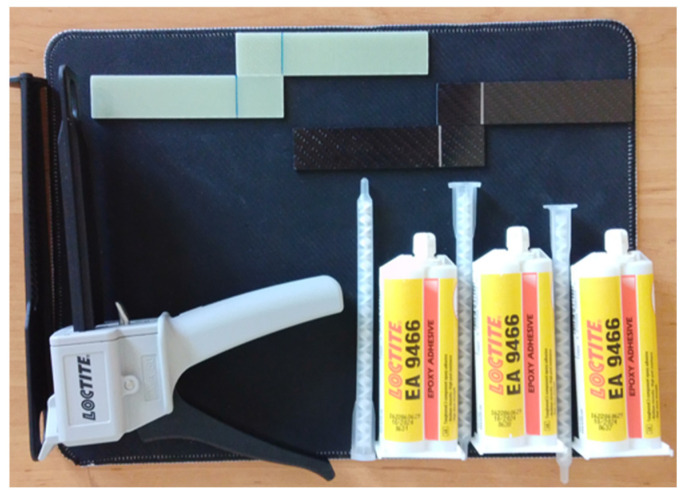 Figure 6
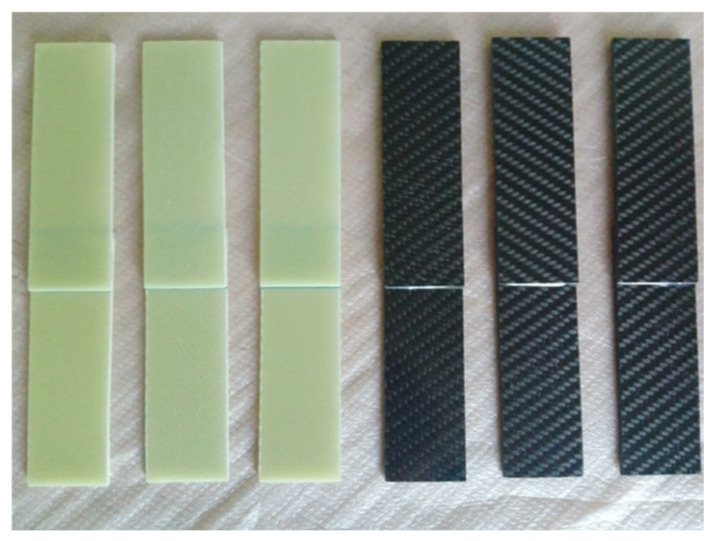 Figure 7
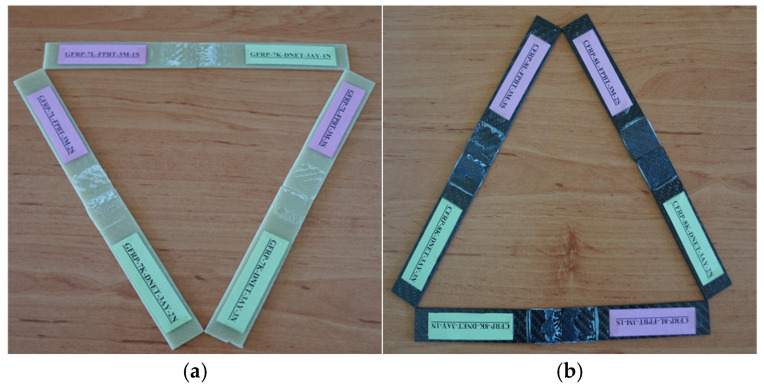 Figure 8
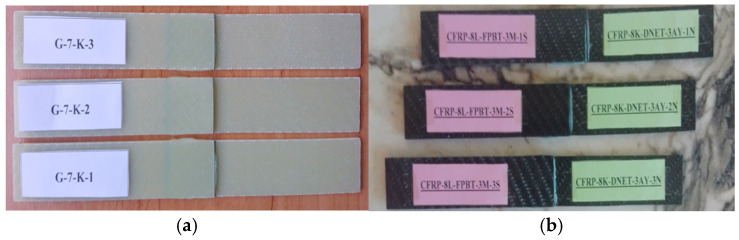 Figure 9
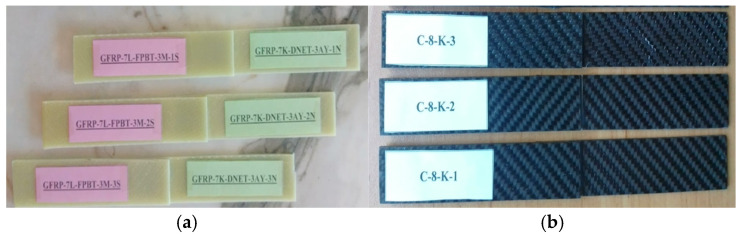 Figure 10
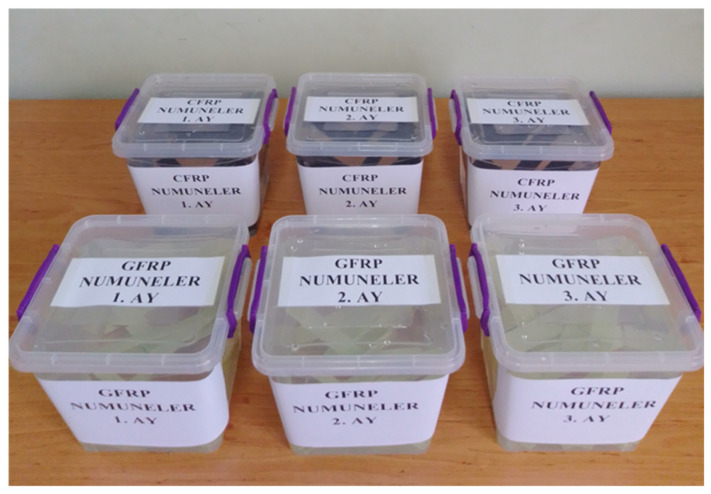 Figure 11
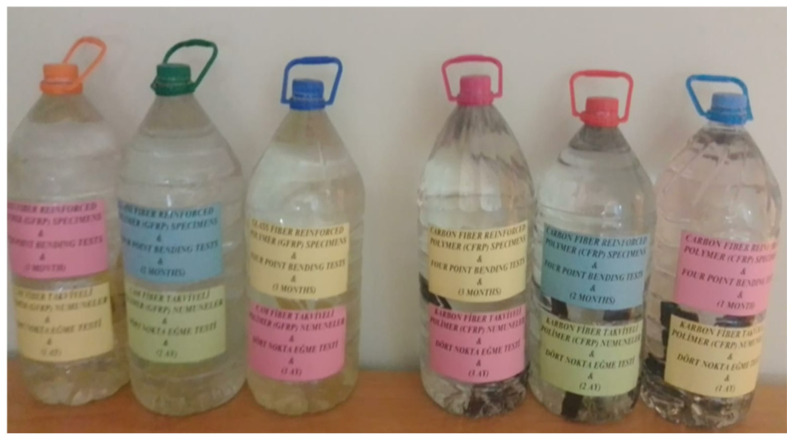 Figure 12
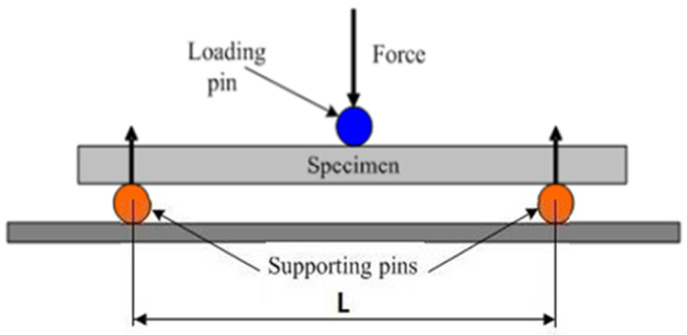 Figure 13
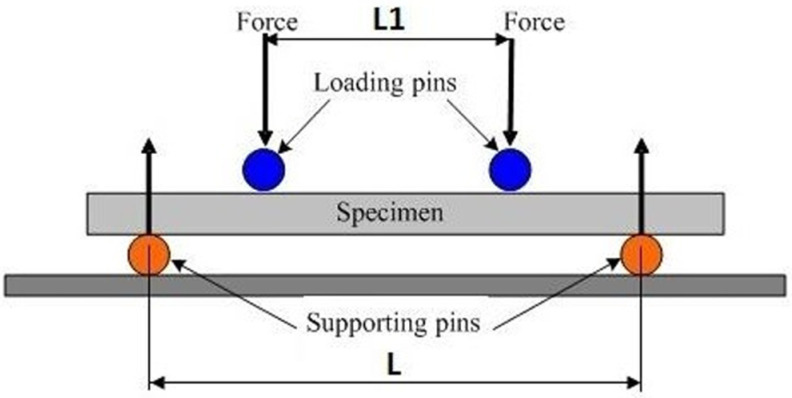 Figure 14
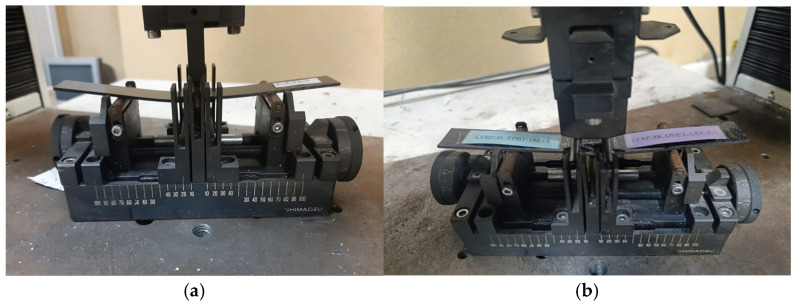 Figure 15
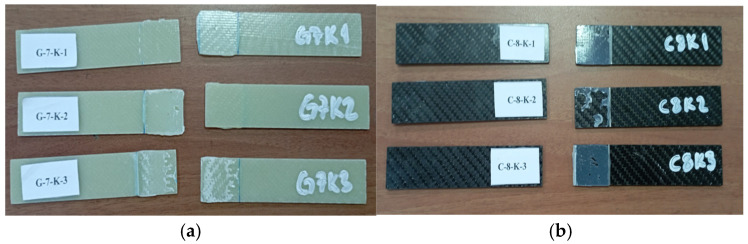 Figure 16
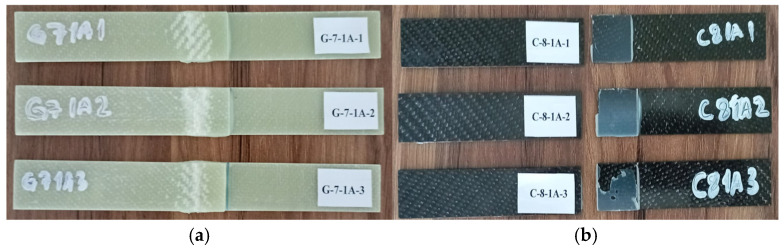 Figure 17
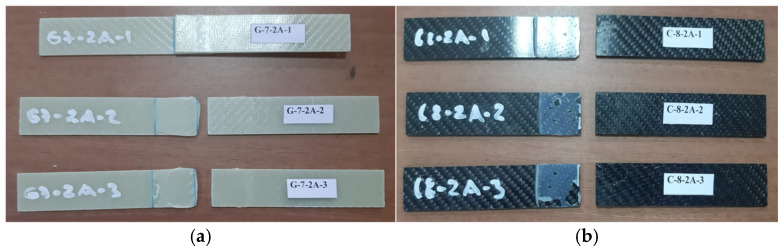 Figure 18
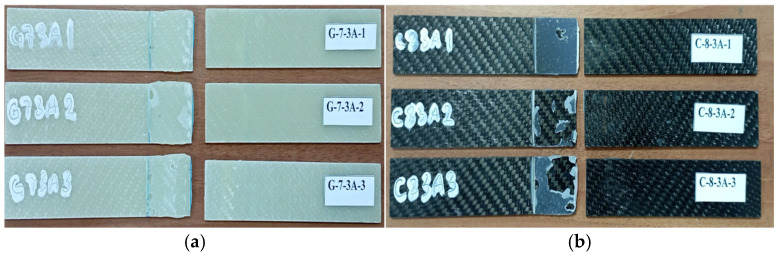 Figure 19
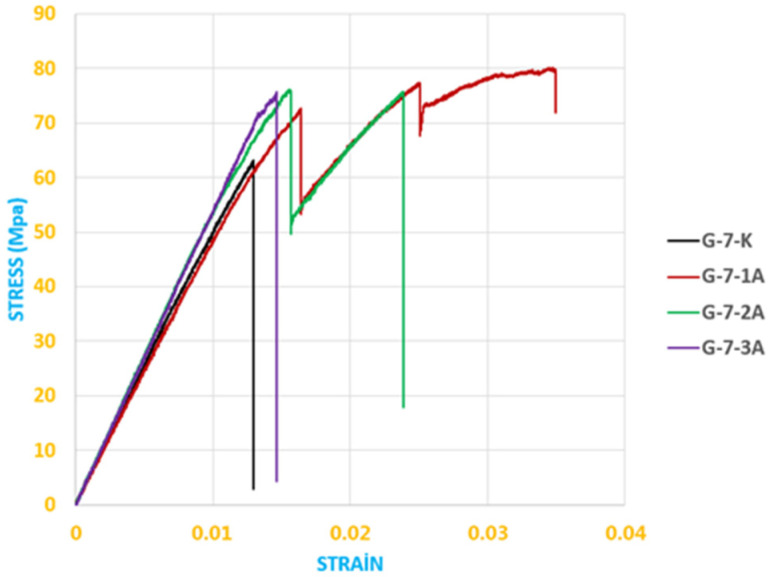 Figure 20
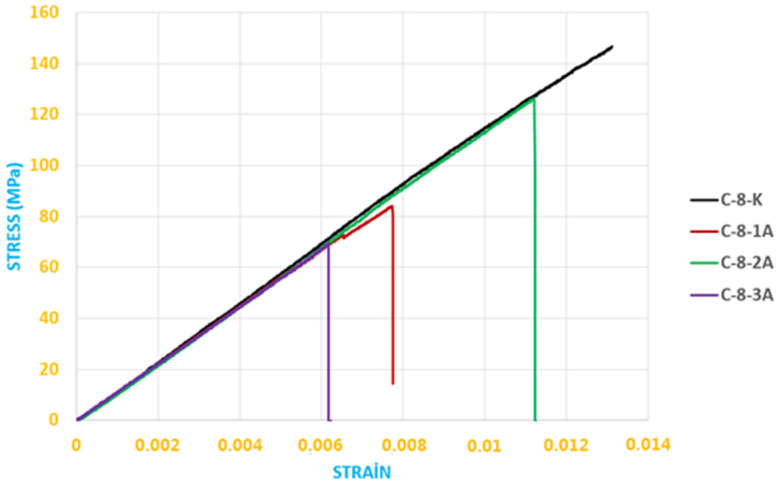 Figure 21
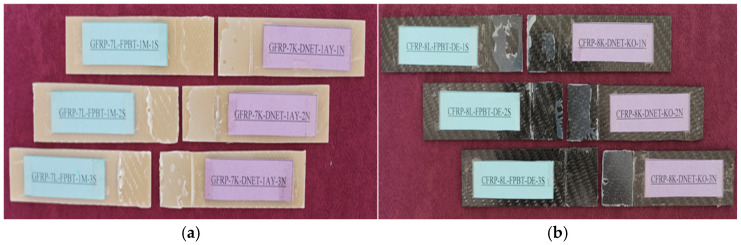 Figure 22
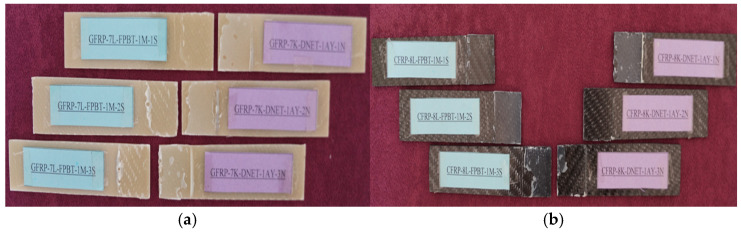 Figure 23
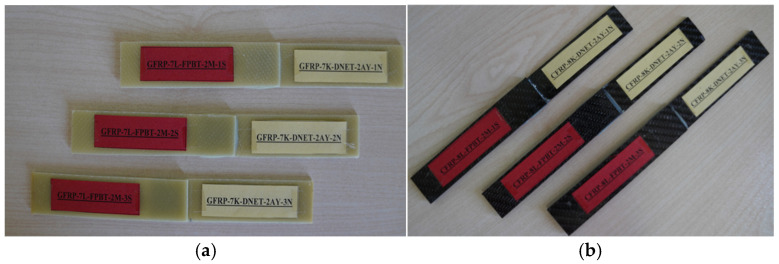 Figure 24
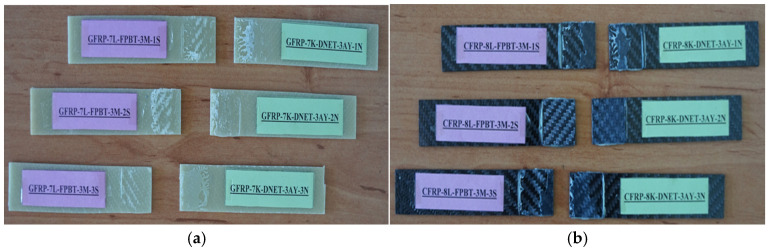 Figure 25
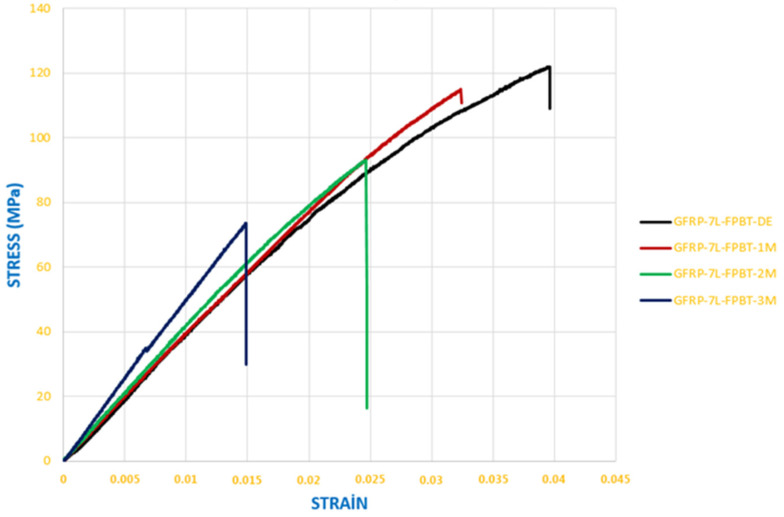 Figure 26
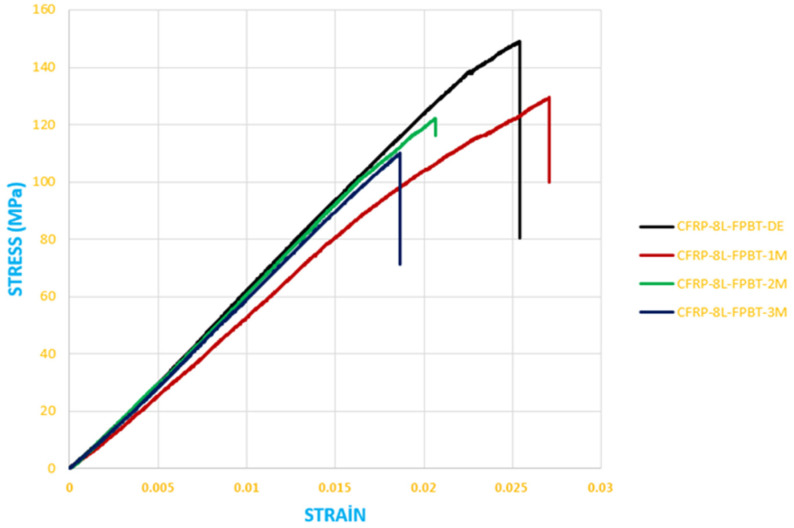 Figure 27
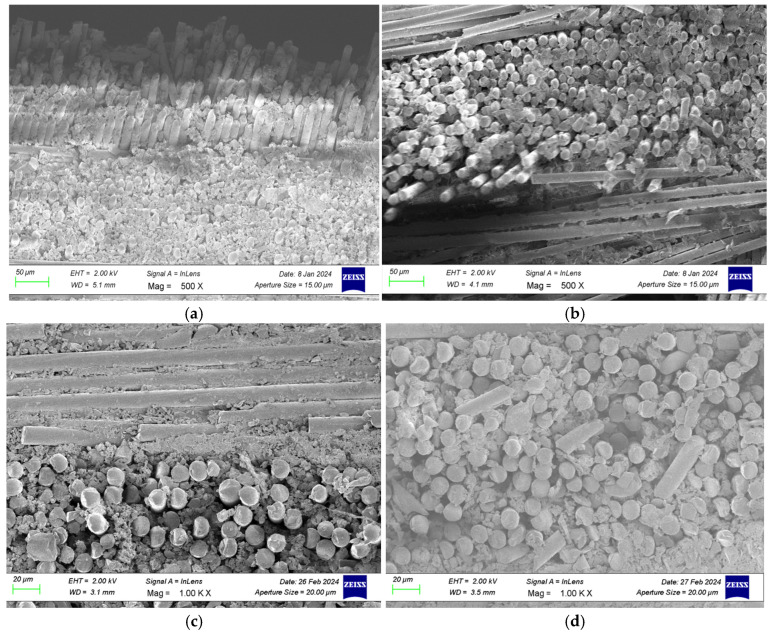 Figure 28
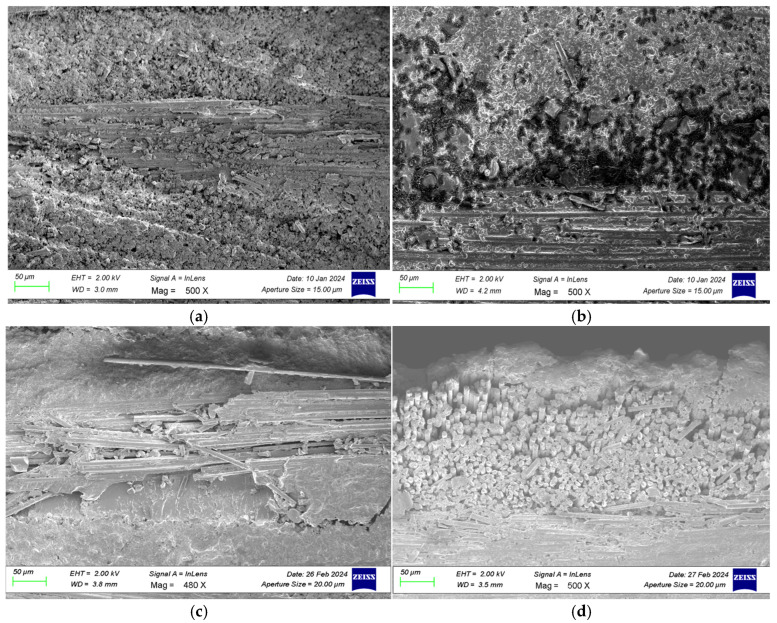 Figure 29
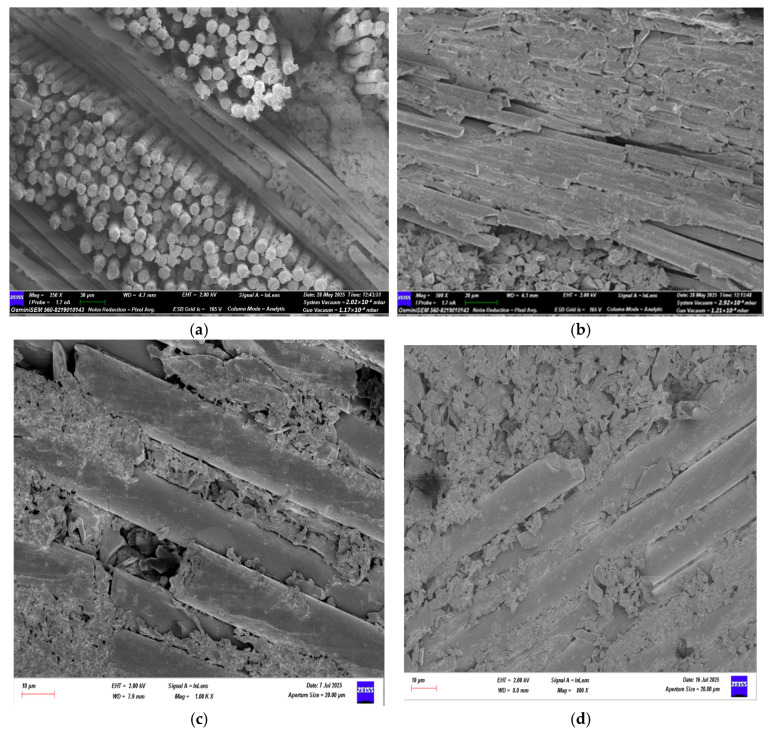 Figure 30
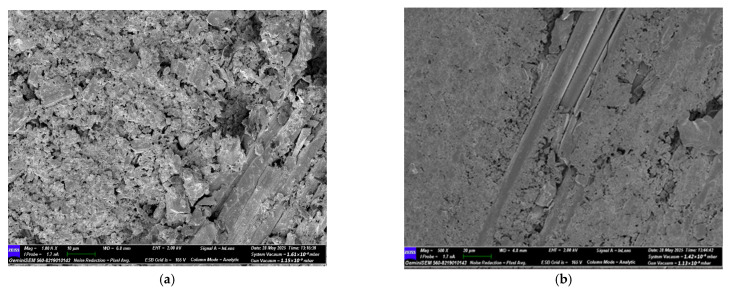 Figure 31
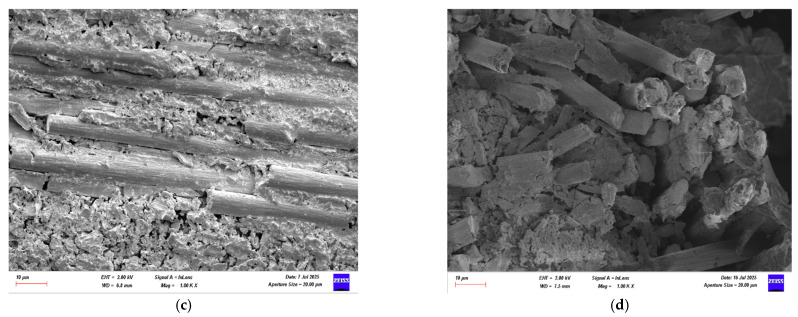 Figure 32
Peer Reviews
No public reviews on file for this paper yet. If you reviewed it on a platform where reviews are public (OpenReview, ICLR, NeurIPS, ICML), you can paste yours below so the community can read it here.
Videos
No videos yet. Explain this paper in a talk, walkthrough, or lecture? Add one.
Taxonomy
TopicsMechanical Behavior of Composites · Structural Behavior of Reinforced Concrete · Composite Structure Analysis and Optimization