Machine Learning-Enabled Optimization and Prediction of Mechanical Properties of 3D-Printed PLA Composites Filled with Rice Husk Biochar
Borhen Louhichi, Joy Djuansjah, P. S. Rama Sreekanth, Sundarasetty Harishbabu, P. V. Subhanjaneyulu, Santosh Kumar Sahu, It Ee Lee, Gwo Chin Chung

TL;DR
This study uses machine learning and experiments to optimize 3D-printed PLA composites with rice husk biochar for better mechanical properties.
Contribution
A novel framework combining statistical design and machine learning to optimize sustainable PLA composites with rice husk biochar.
Findings
Filler content most significantly affects tensile strength and Young’s modulus of PLA/RHBC composites.
Gradient Boosting machine learning model achieved high prediction accuracy (R2 > 96.8%) for mechanical properties.
RHBC-filled PLA composites show potential for use in automotive, sports, and aerospace industries.
Abstract
This investigation focuses on rice husk biochar (RHBC) as a sustainable filler in a polylactic acid (PLA) matrix. This study employs optimization techniques, including central composite design (CCD) and analysis of variance (ANOVA), to systematically evaluate the effects of key 3D printing parameters such as filler content (0 wt.%, 10 wt.%, 20 wt.%), nozzle temperature (190 °C, 200 °C, 210 °C), orientation angle (0°, 60°, 120°), and fill pattern (hexagon, triangle, and 3D infill). Furthermore, machine learning models are used to predict the mechanical properties of PLA/RHBC composites from experimental data. The effects of these parameters on tensile strength, Young’s modulus, and hardness were analyzed. The ANOVA results showed that filler content was the most influential factor for tensile strength and Young’s modulus, contributing 36.47% and 73.25%, respectively, compared to pure…
Genes, proteins, chemicals, diseases, species, mutations and cell lines named across the full text — each resolved to its canonical identifier and authoritative record.
Click any figure to enlarge with its caption.
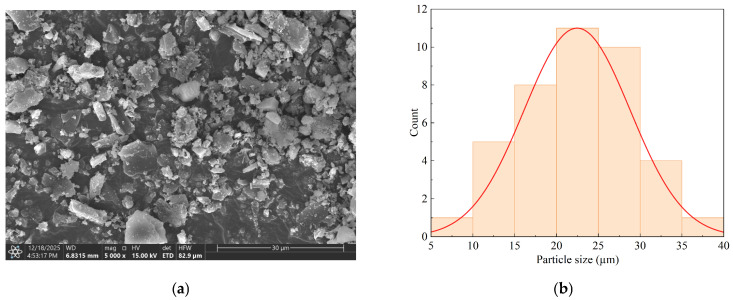 Figure 1
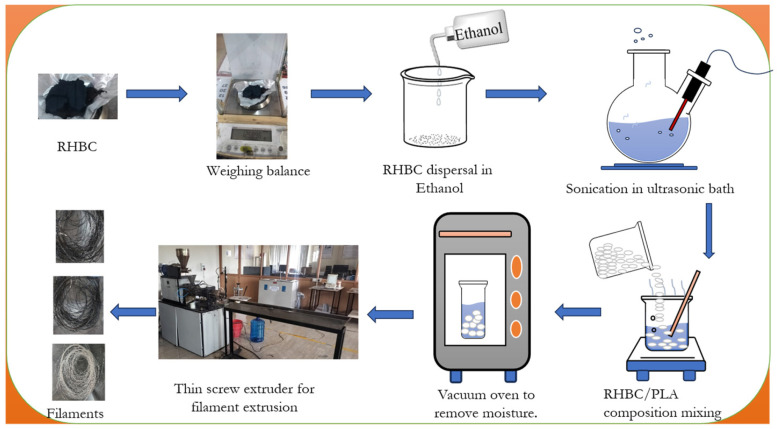 Figure 2
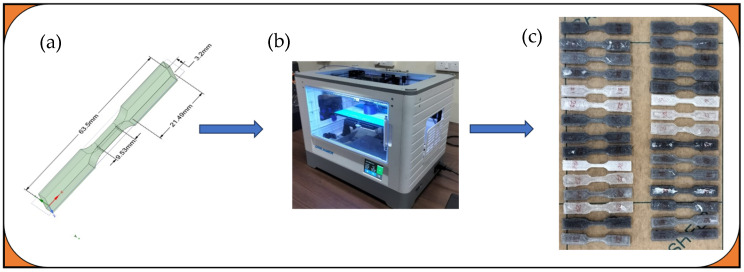 Figure 3
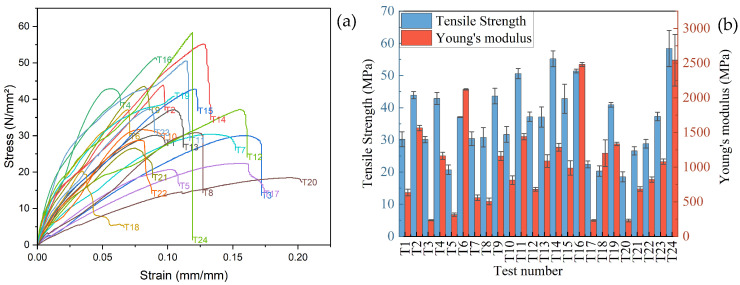 Figure 4
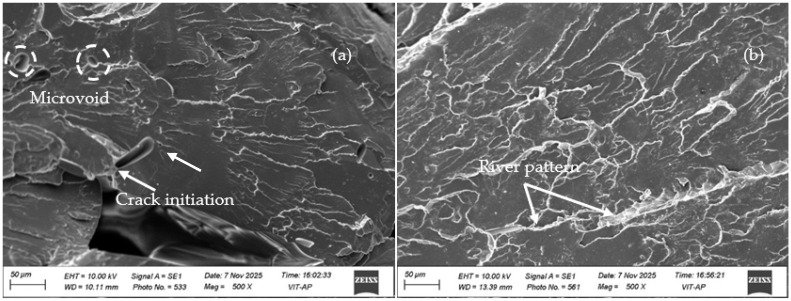 Figure 5
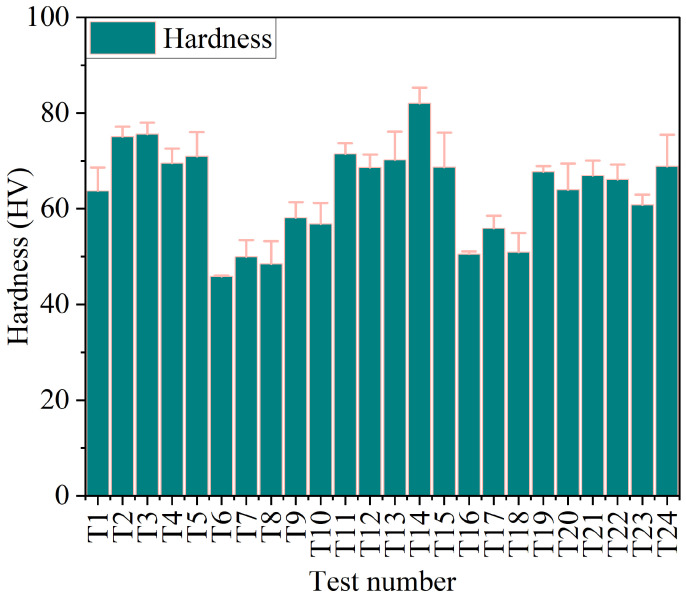 Figure 6
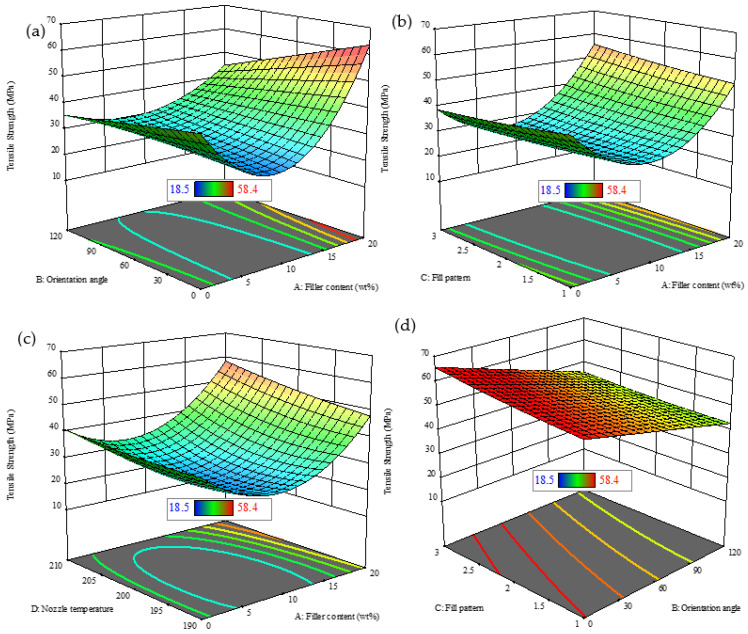 Figure 7
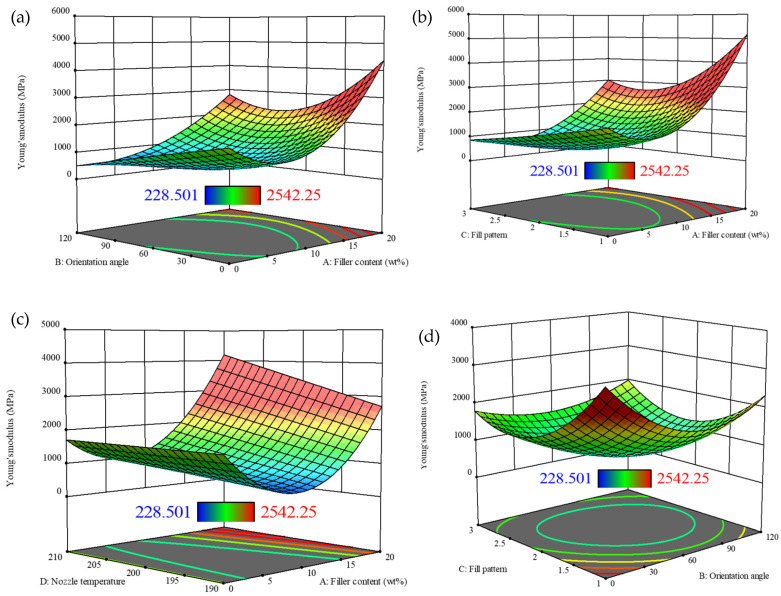 Figure 8
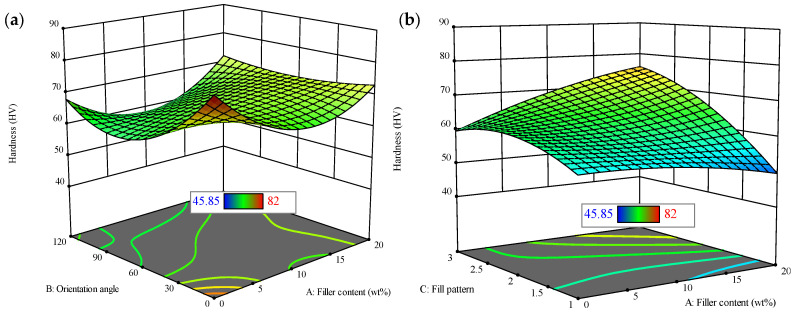 Figure 9
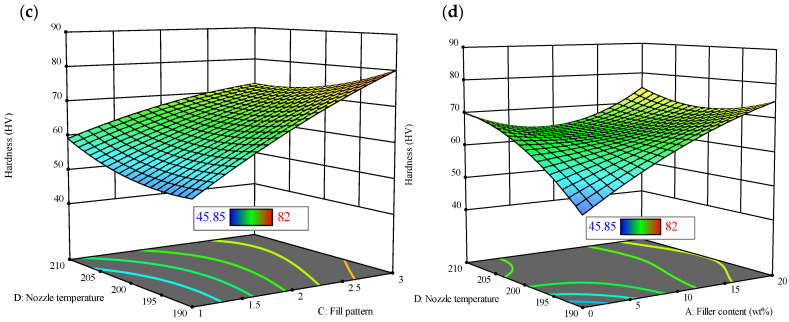 Figure 10
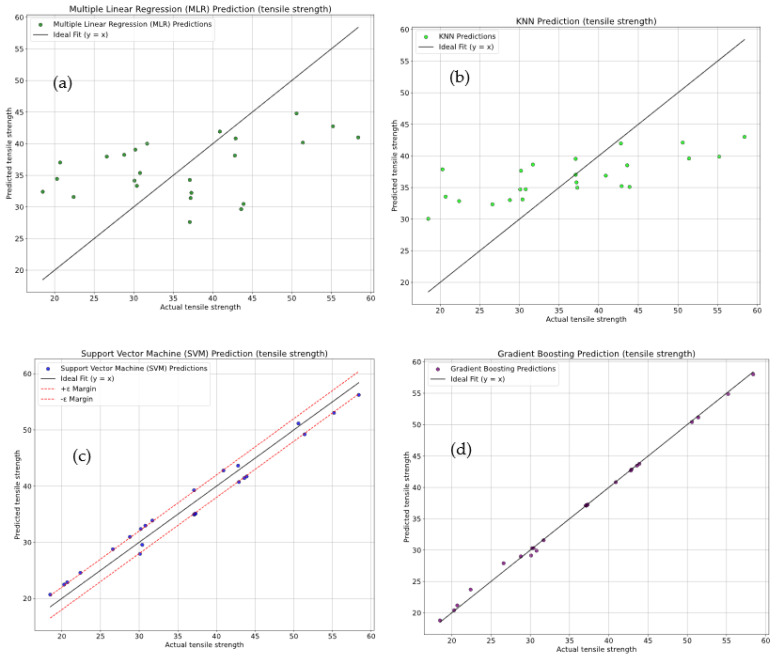 Figure 11
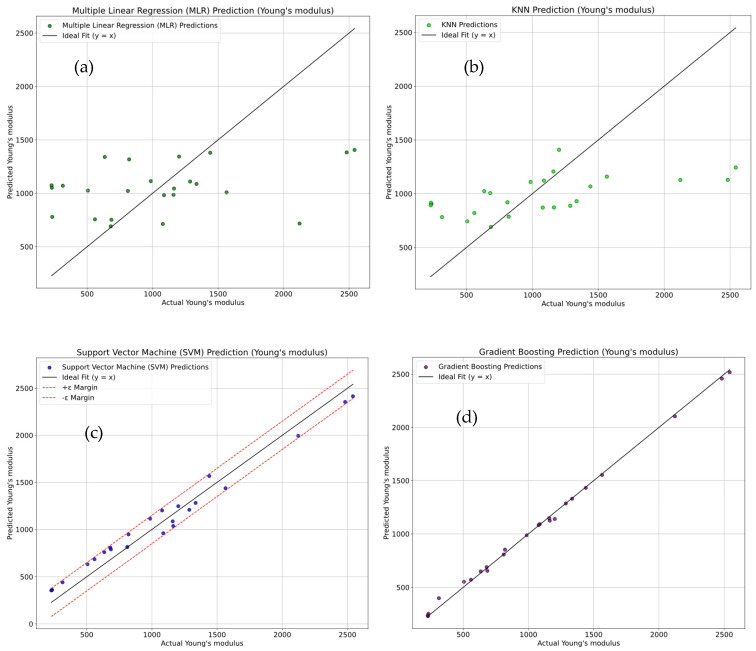 Figure 12
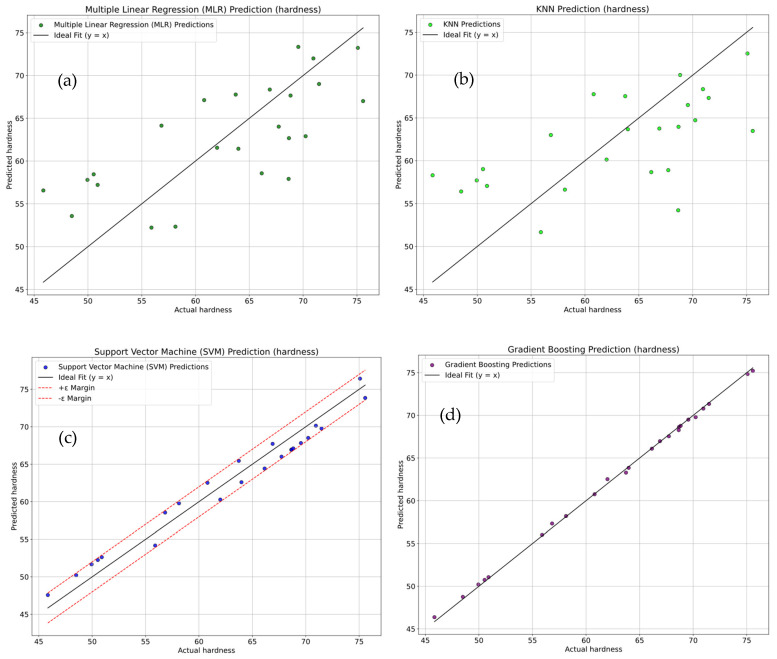 Figure 13
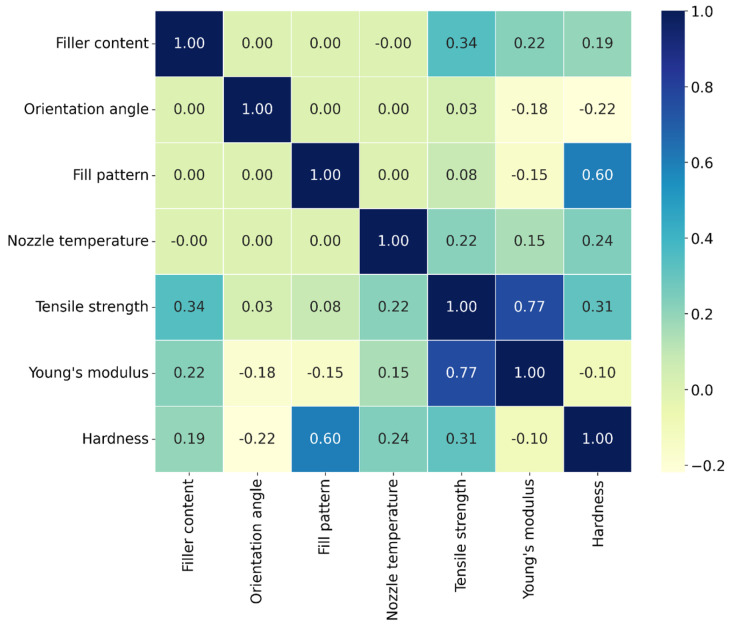 Figure 14
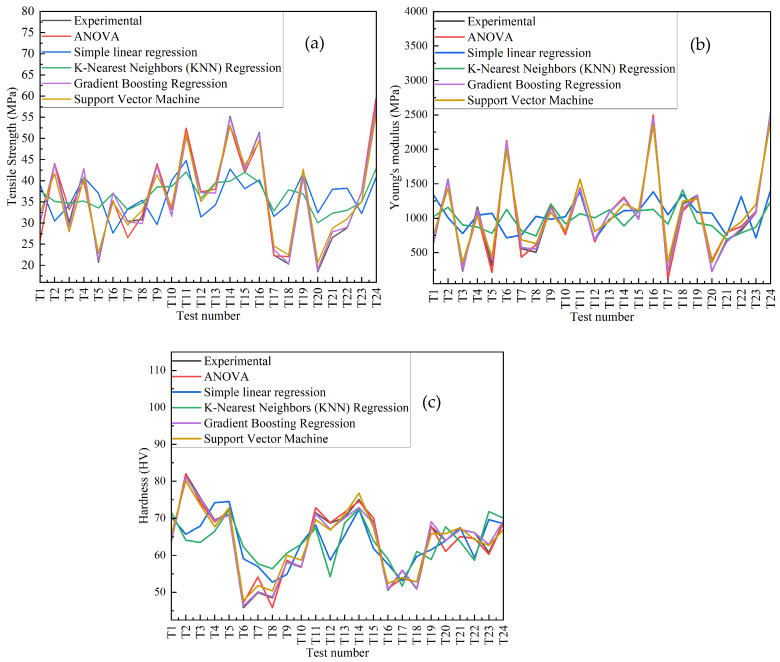 Figure 15
Peer Reviews
No public reviews on file for this paper yet. If you reviewed it on a platform where reviews are public (OpenReview, ICLR, NeurIPS, ICML), you can paste yours below so the community can read it here.
Videos
No videos yet. Explain this paper in a talk, walkthrough, or lecture? Add one.
Taxonomy
TopicsAdditive Manufacturing and 3D Printing Technologies · Natural Fiber Reinforced Composites · Polymer Foaming and Composites