Driver Anxiety Detection Based on Seated Pressure Characteristics and Identification of Anxiety-Inducing Scenarios
Xiaoyan Yang, Yi He, Zhiqiang Wen, Weiwei Wang, Mengmeng Gao

TL;DR
This study explores how anxiety affects drivers' sitting posture and identifies situations that commonly trigger anxiety while driving.
Contribution
The study introduces a novel method for detecting driver anxiety using seated pressure distribution and identifies anxiety-inducing driving scenarios.
Findings
Anxiety increases pressure and movement in the thigh, hip, and lower back regions compared to calm states.
40 significant pressure features distinguish anxiety from calmness, mainly in the left leg, right hip, and lower back.
Scenarios with high uncertainty and interactivity, like traffic congestion, are more likely to trigger anxiety.
Abstract
Driving anxiety is a major issue that compromises the safety and experience of driving. It has been demonstrated that negative emotions with a high arousal factor like anxiety are manifested in body posture and sitting behavior. This paper will investigate one of the ways of identifying anxiety by assessing the pressure distribution in the sitting posture, and discuss driving situations that have a strong correlation with causing anxiety. Thirty people were recruited through a campus social media platform. The experimental design was a one-factor within-subject experimental design in which the researcher used standardized audio materials and a digital countdown task as a means (or inducement) of achieving calm (baseline) and anxiety, respectively. The induction effects were validated using the Self-Assessment Measure (SAM). Also, a pathway accommodating eight driving conditions was…
Genes, proteins, chemicals, diseases, species, mutations and cell lines named across the full text — each resolved to its canonical identifier and authoritative record.
Click any figure to enlarge with its caption.
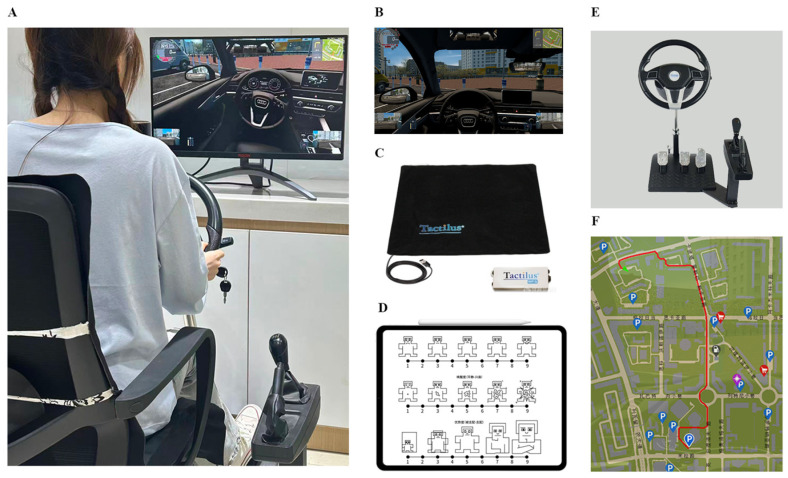 Figure 1
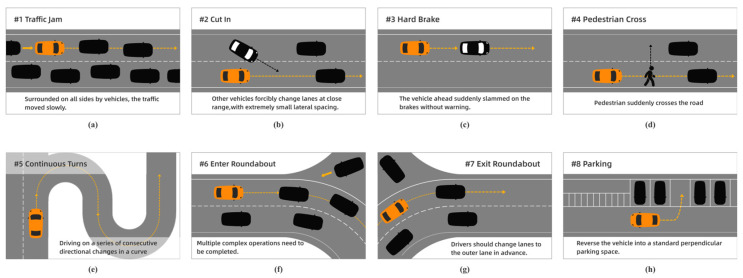 Figure 2
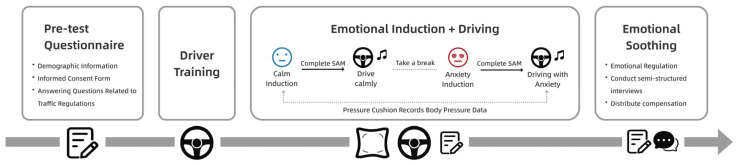 Figure 3
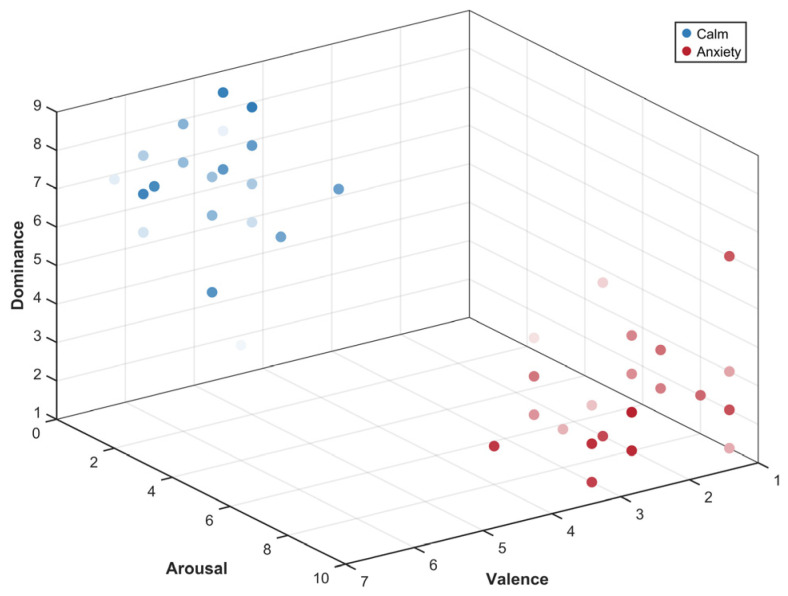 Figure 4
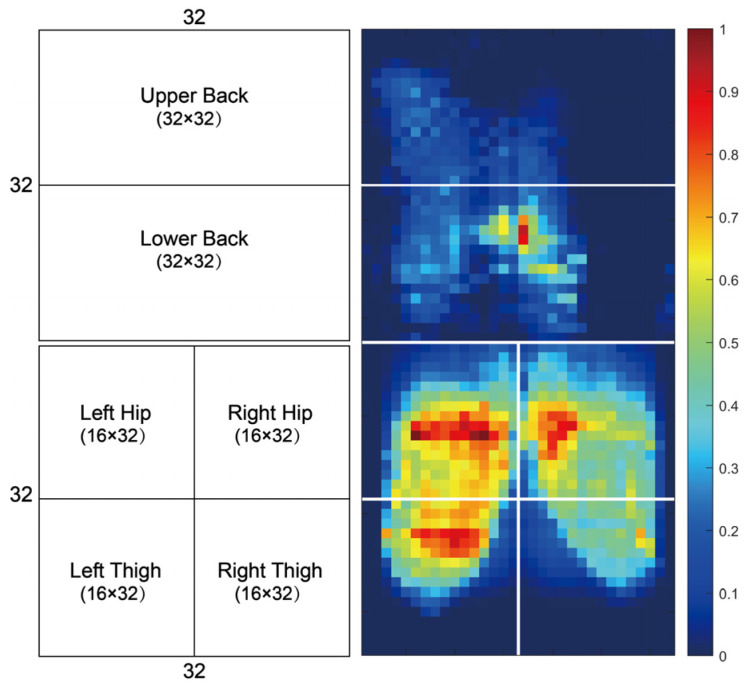 Figure 5
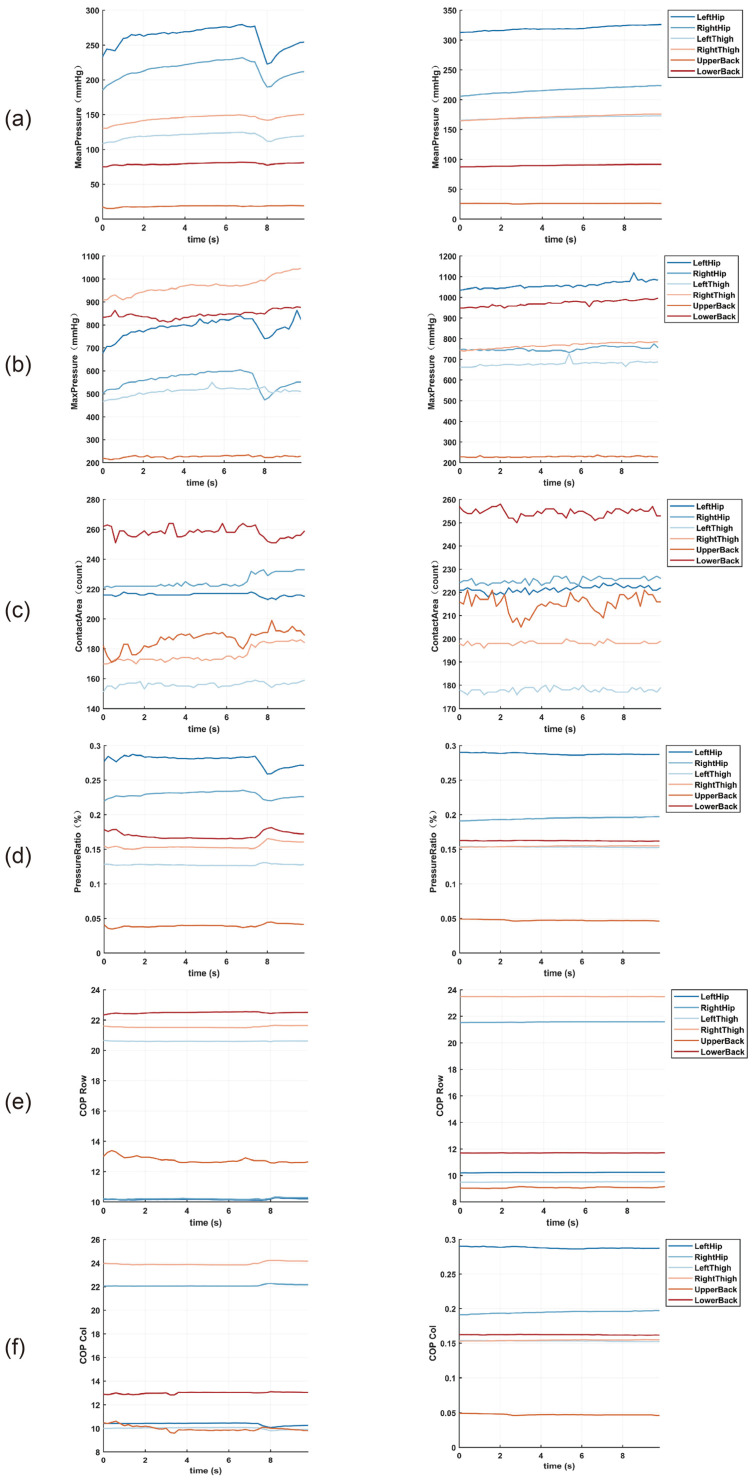 Figure 6
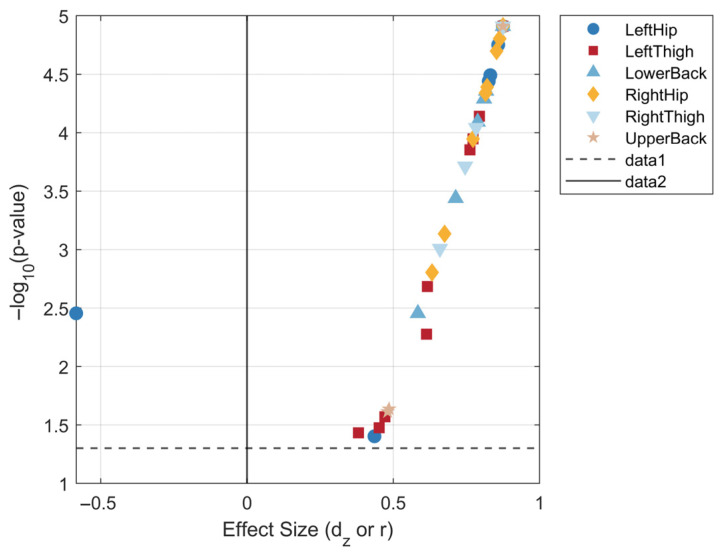 Figure 7
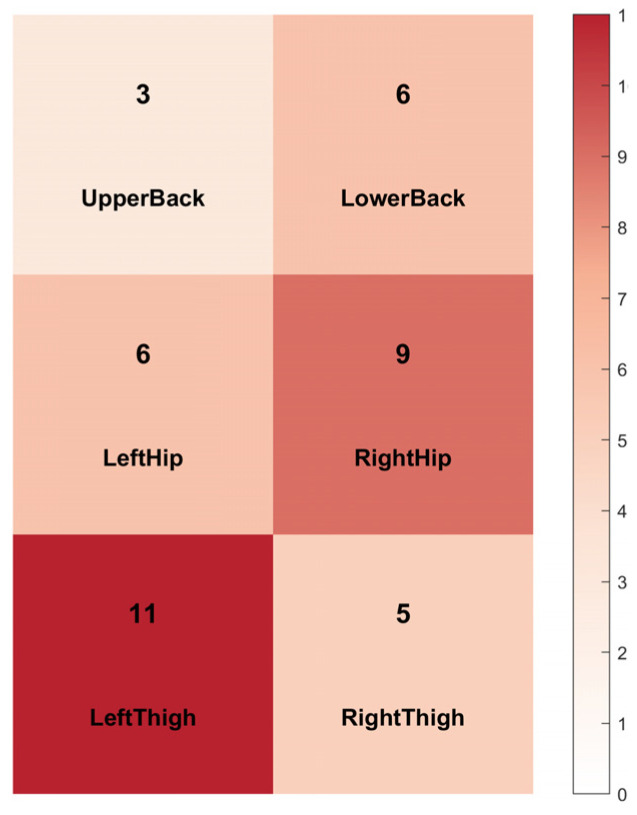 Figure 8
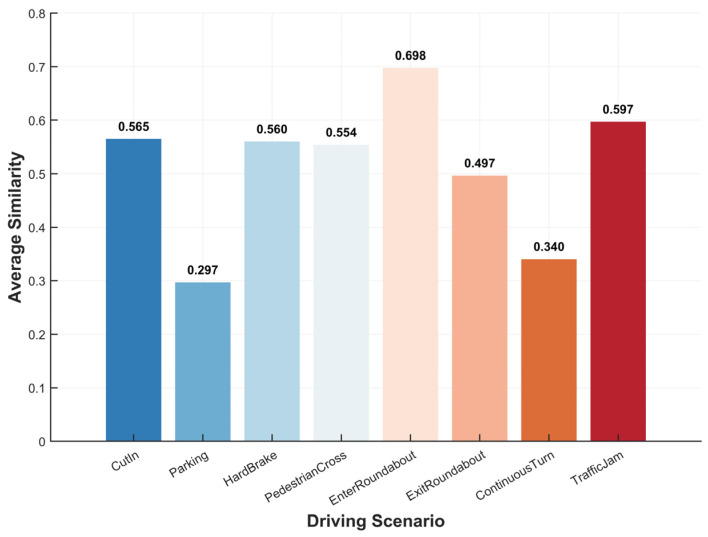 Figure 9
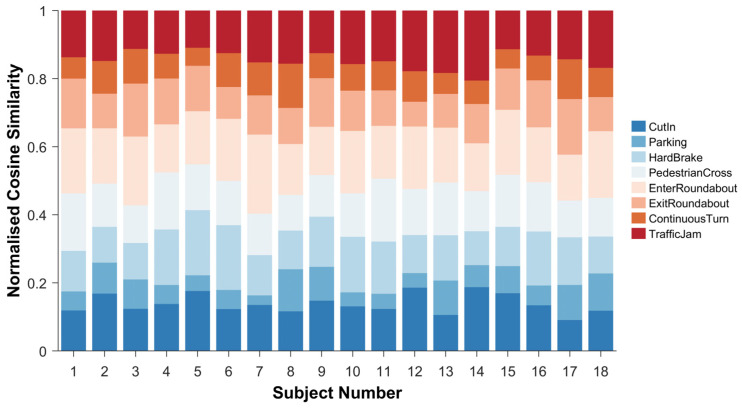 Figure 10
Peer Reviews
No public reviews on file for this paper yet. If you reviewed it on a platform where reviews are public (OpenReview, ICLR, NeurIPS, ICML), you can paste yours below so the community can read it here.
Videos
No videos yet. Explain this paper in a talk, walkthrough, or lecture? Add one.
Taxonomy
TopicsSleep and Work-Related Fatigue · Traffic and Road Safety · Human-Automation Interaction and Safety