Intelligent Water Quality Assessment and Prediction System for Public Networks: A Comparative Analysis of ML Algorithms and Rule-Based Recommender Techniques
Camelia Paliuc, Paul Banu-Taran, Sebastian-Ioan Petruc, Razvan Bogdan, Mircea Popa

TL;DR
This paper presents a smart water quality system using machine learning and rule-based methods to assess and predict water quality in public networks, tested in Timișoara, Romania.
Contribution
The system introduces a stable, scalable solution for smart water monitoring with practical deployment and data-driven recommendations.
Findings
The decision tree algorithm outperformed random forest, gradient boosting, and logistic regression in accuracy and calibration.
The system identified regions with the best and worst water quality and proposed corresponding treatment measures.
The solution enhances public health and water management through real-time data and smart predictions.
Abstract
An assessment and prediction system for the quality of public water networks was developed, using Timișoara, Romania, as a case study. This was implemented on a Google Firebase cloud storage system and comprised twelve ML algorithms applied to test samples for drinkability and used in predictions of upcoming samples. The system compares 17 water quality parameters to the World Health Organization and public reports of Timișoara drinking water standards for 804 samples. The system provides real-time data storage, drinkability prediction for the reservoir water system, and rule-based critical water recommendations for elementary treatment in samples. The most accurate and best-calibrated against random forest, gradient boosting, and Logistic Regression algorithms was the decision tree algorithm of the ML models. The experimental findings also determine the regions of the worst and best…
Genes, proteins, chemicals, diseases, species, mutations and cell lines named across the full text — each resolved to its canonical identifier and authoritative record.
Click any figure to enlarge with its caption.
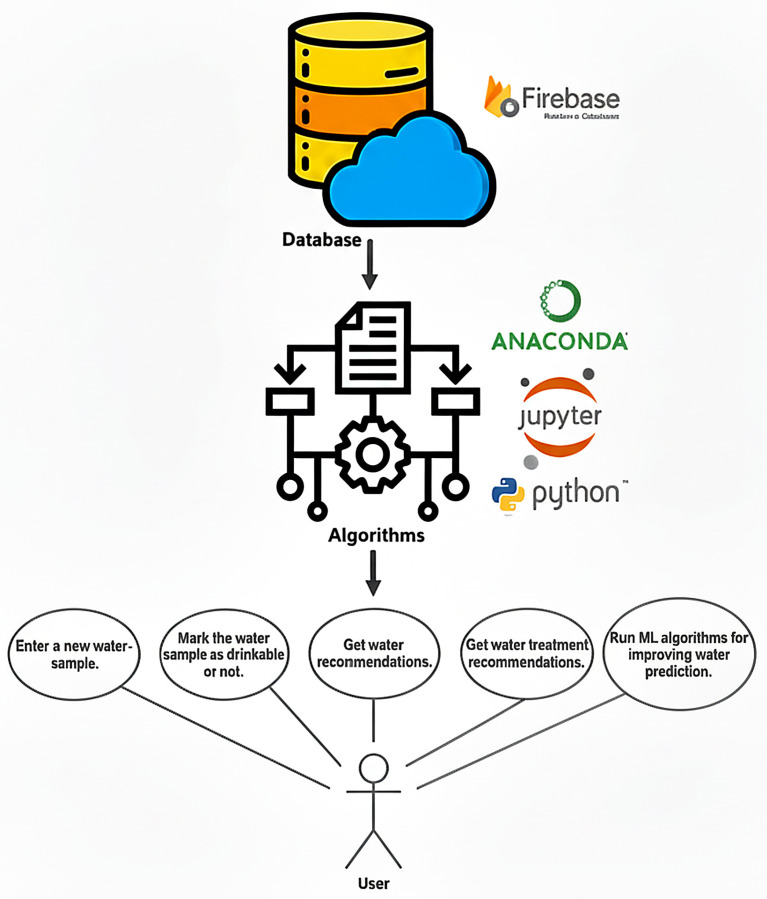 Figure 1
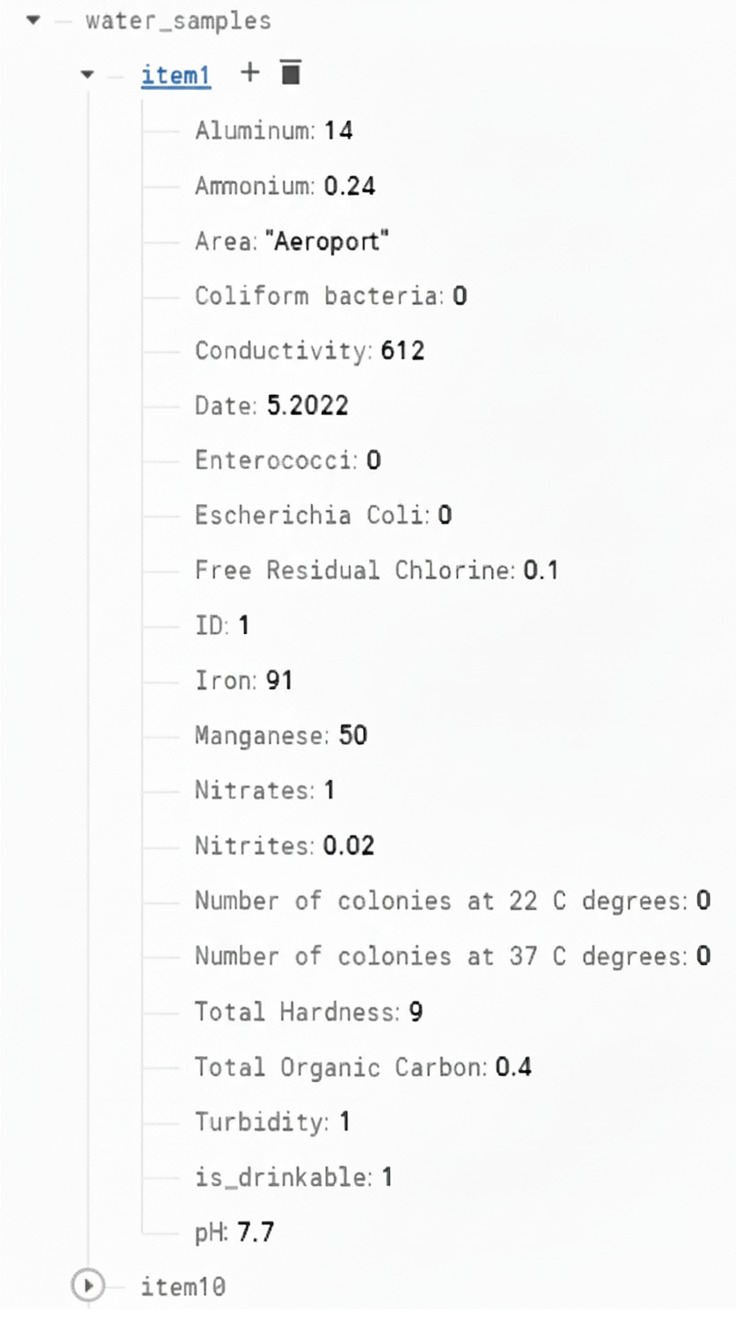 Figure 2
 Figure 3
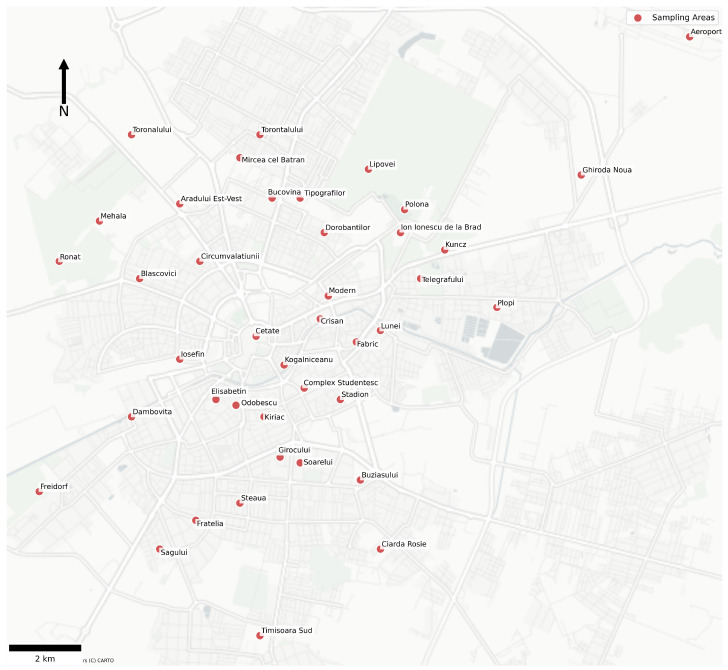 Figure 4
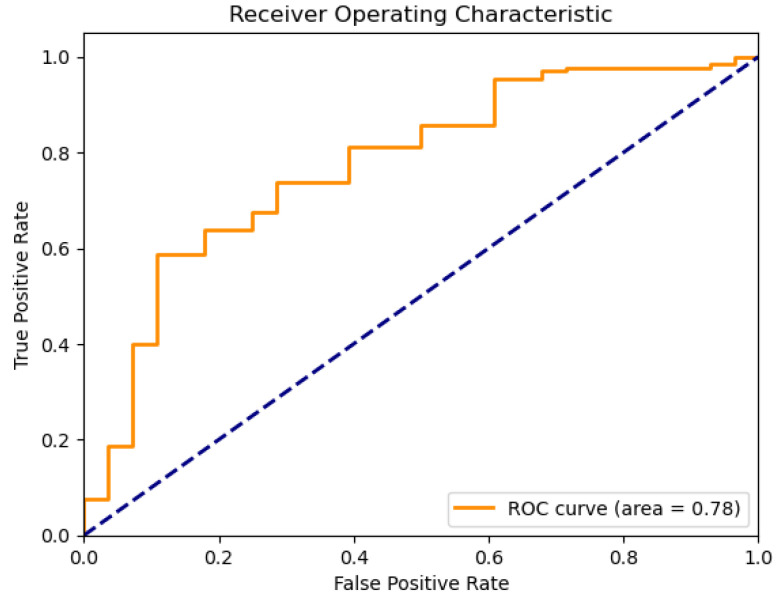 Figure 5
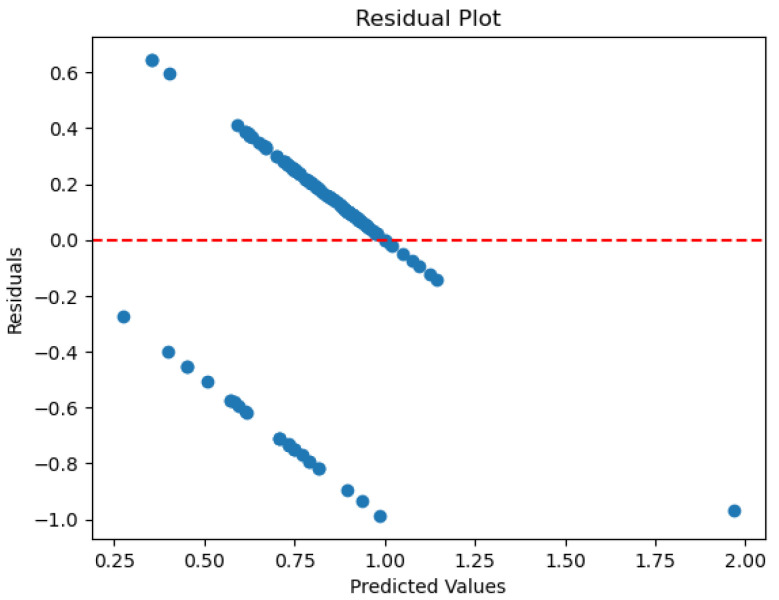 Figure 6
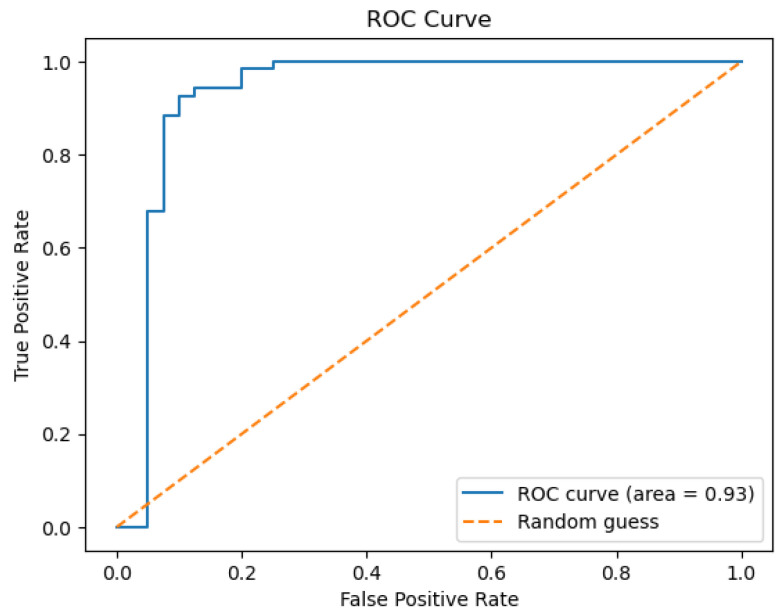 Figure 7
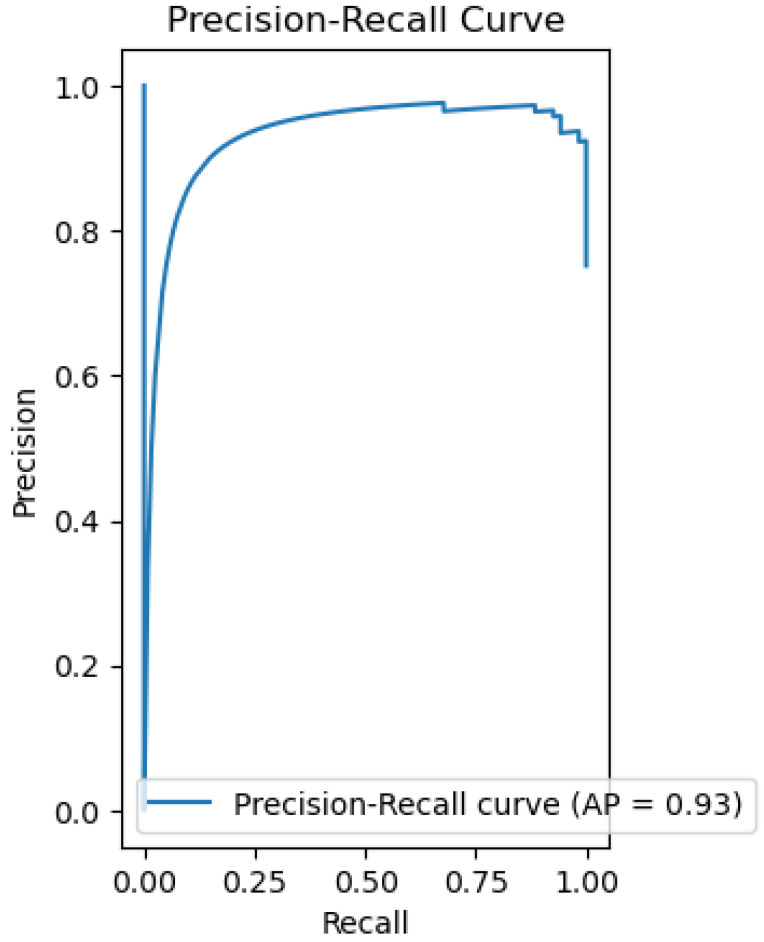 Figure 8
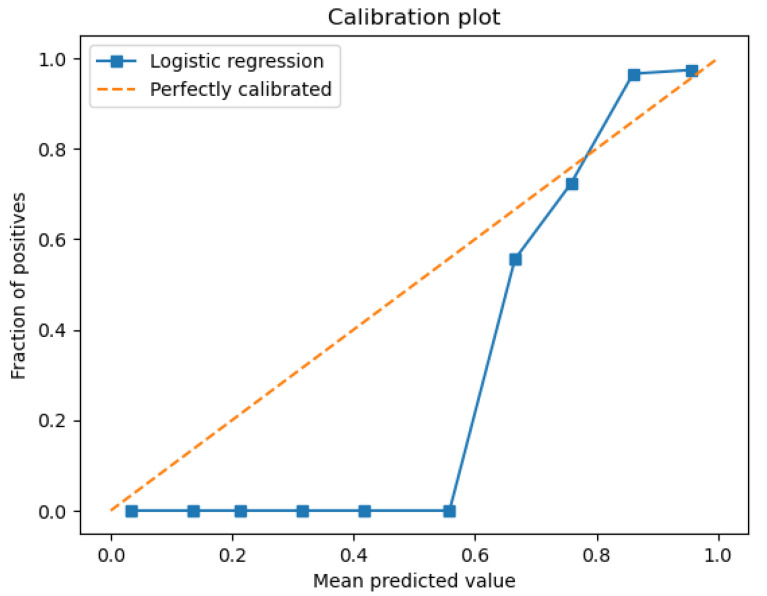 Figure 9
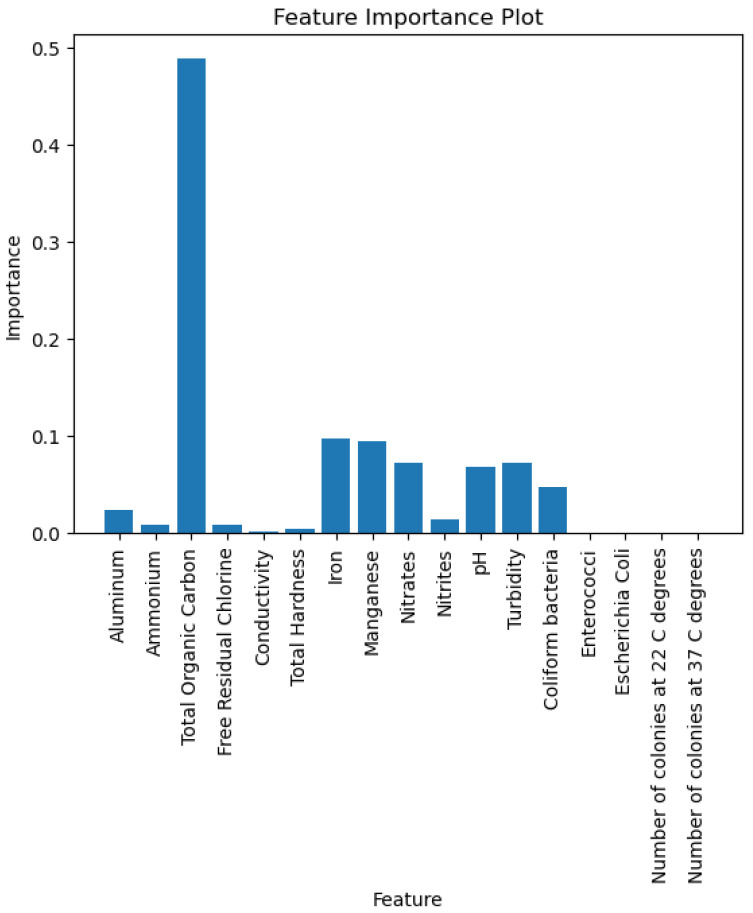 Figure 10
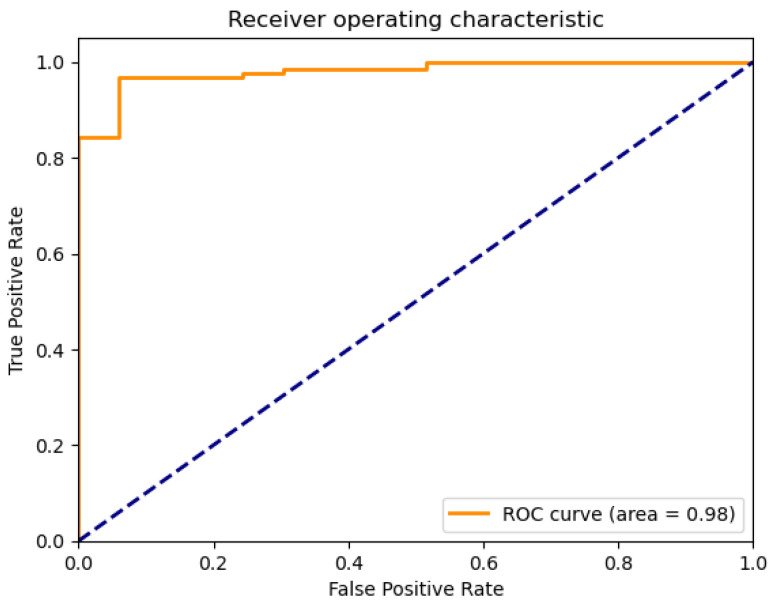 Figure 11
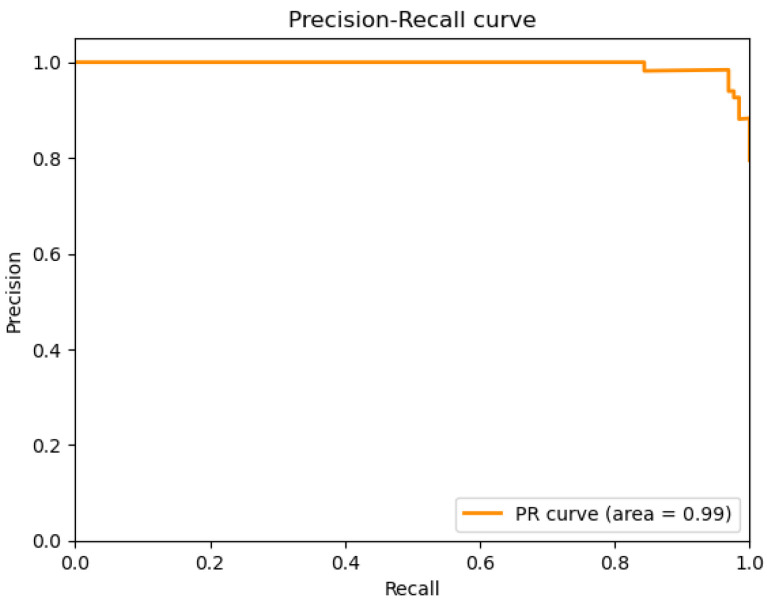 Figure 12
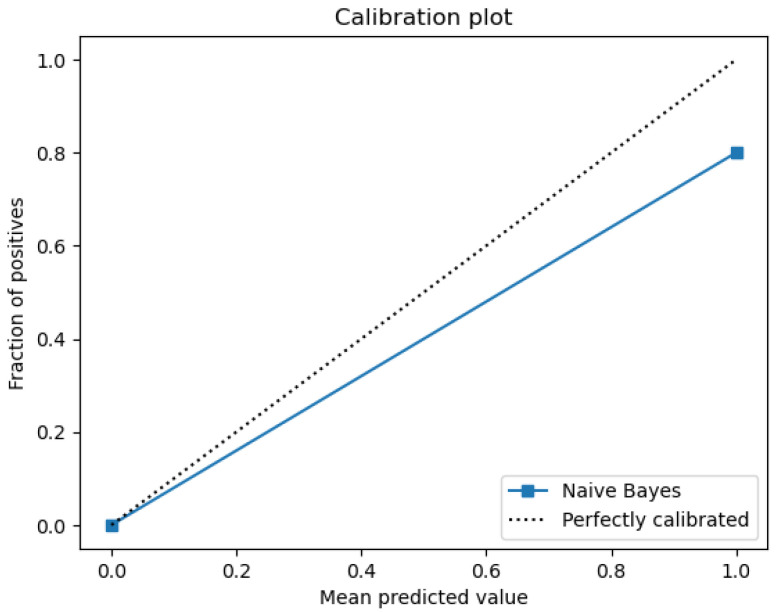 Figure 13
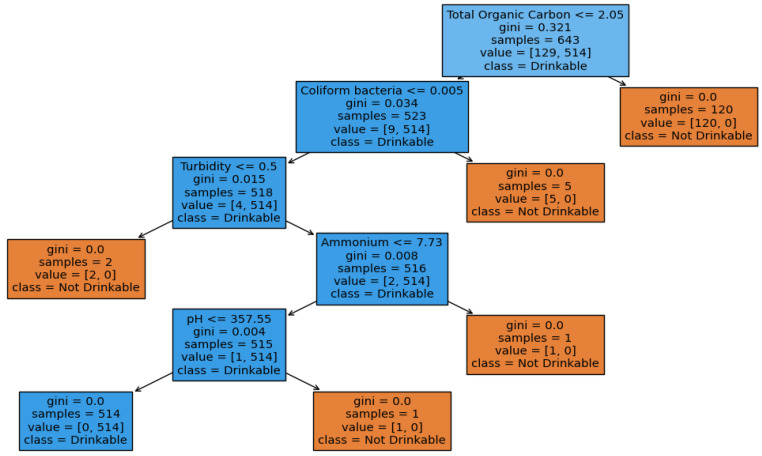 Figure 14
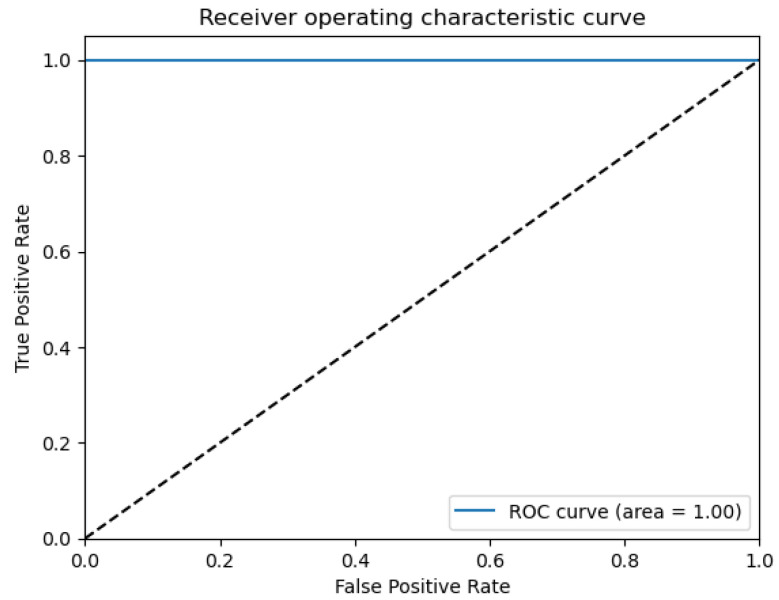 Figure 15
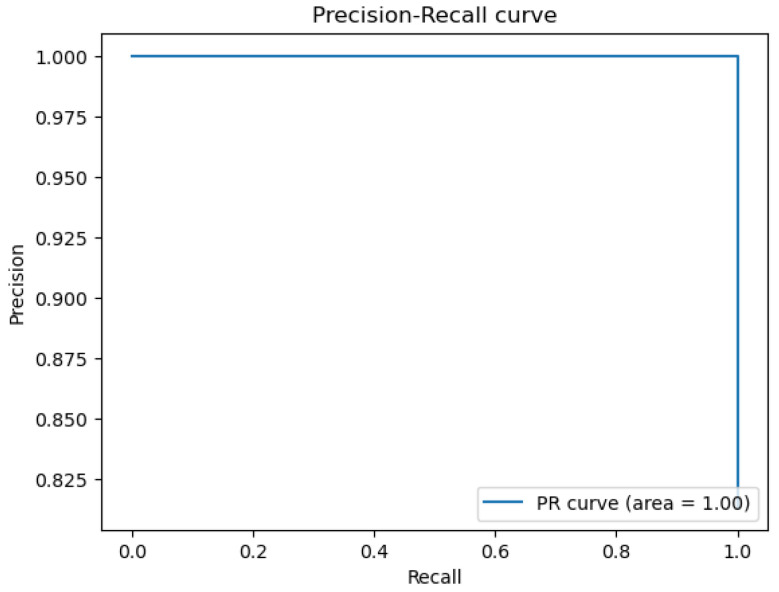 Figure 16
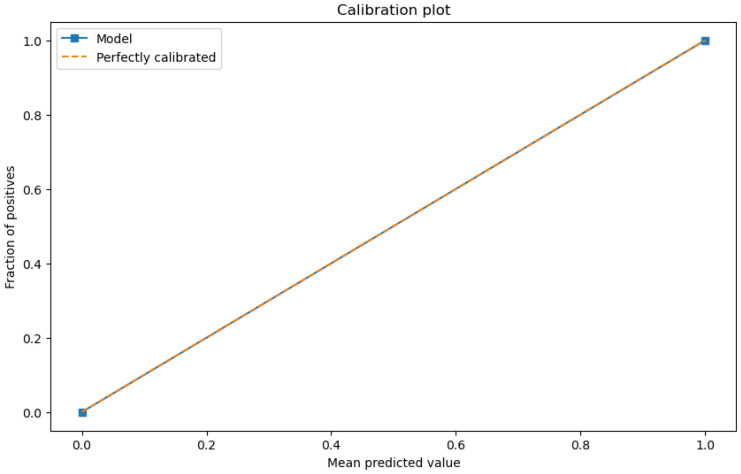 Figure 17
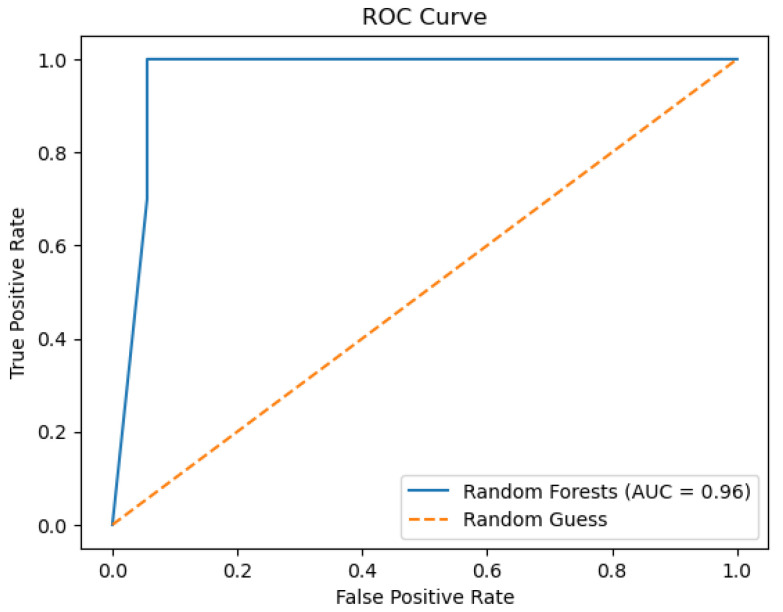 Figure 18
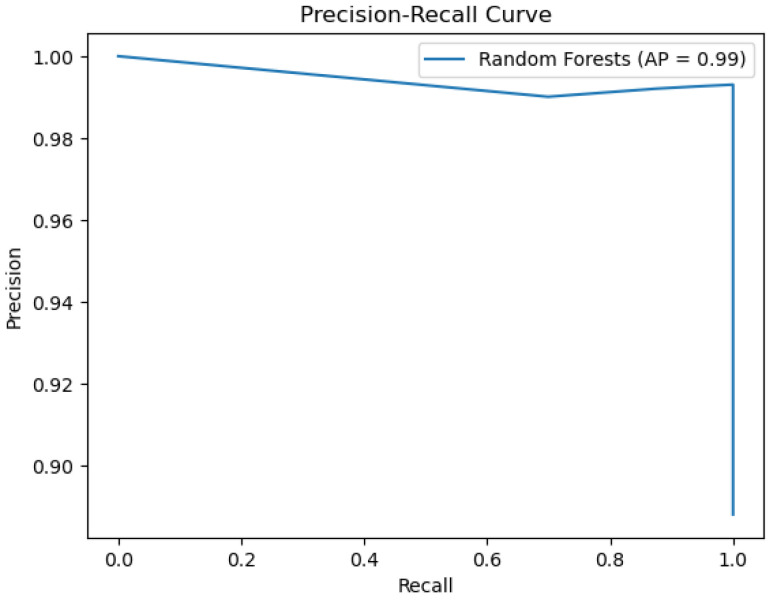 Figure 19
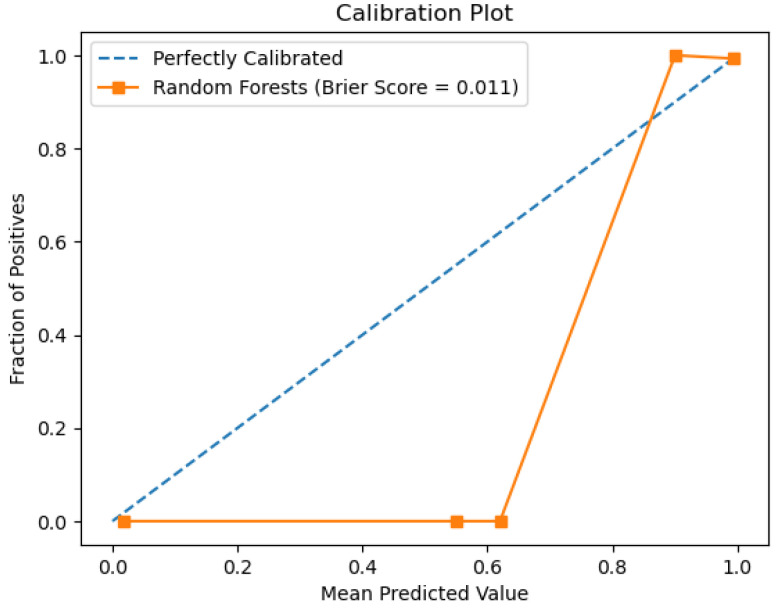 Figure 20
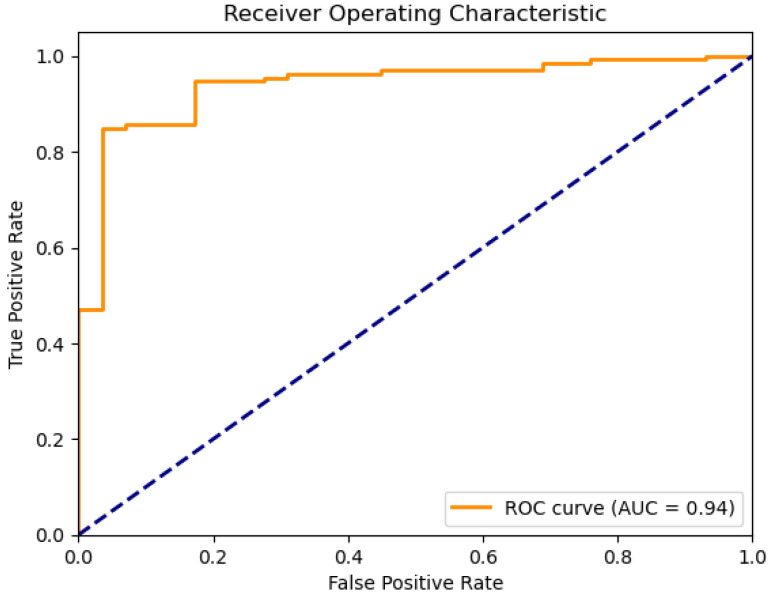 Figure 21
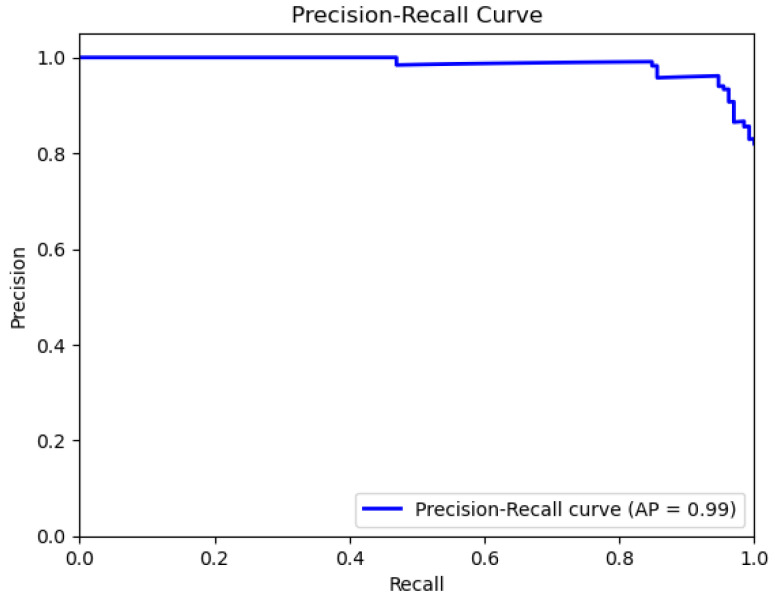 Figure 22
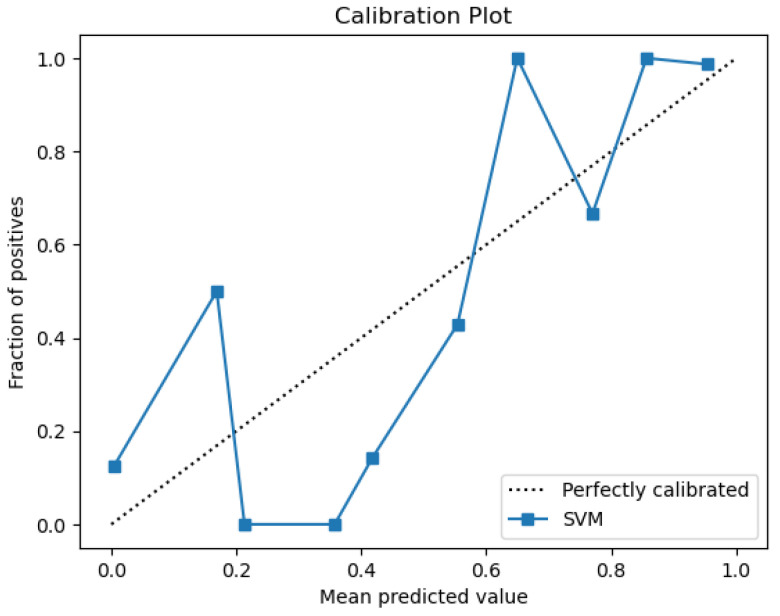 Figure 23
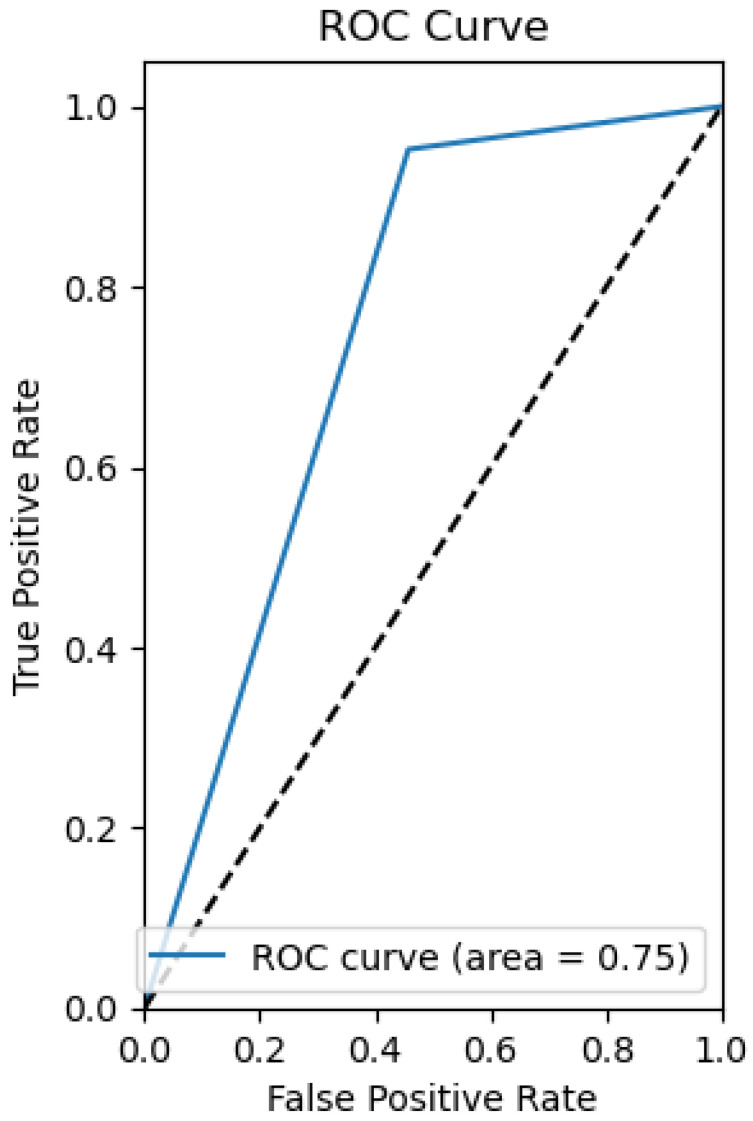 Figure 24
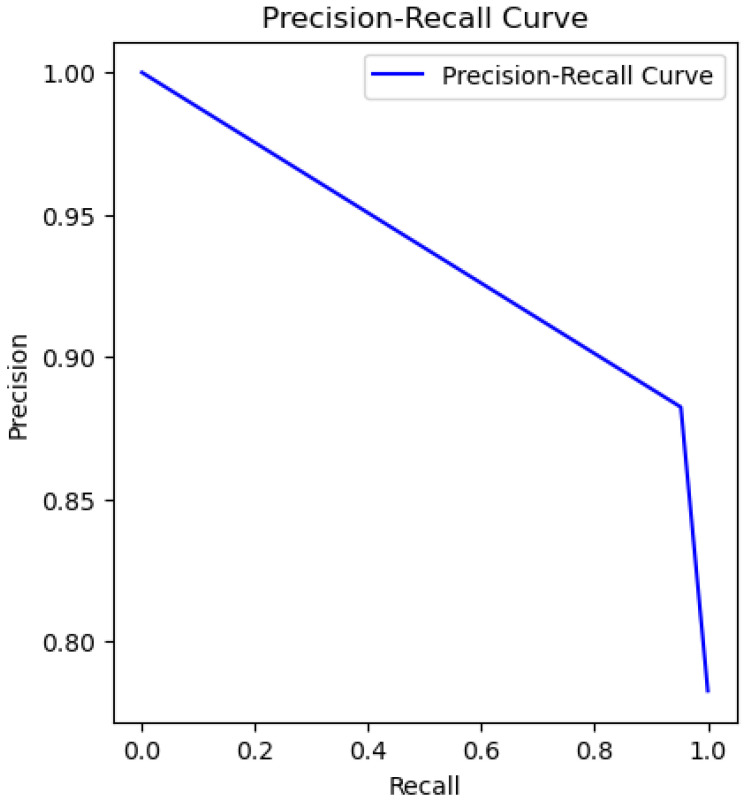 Figure 25
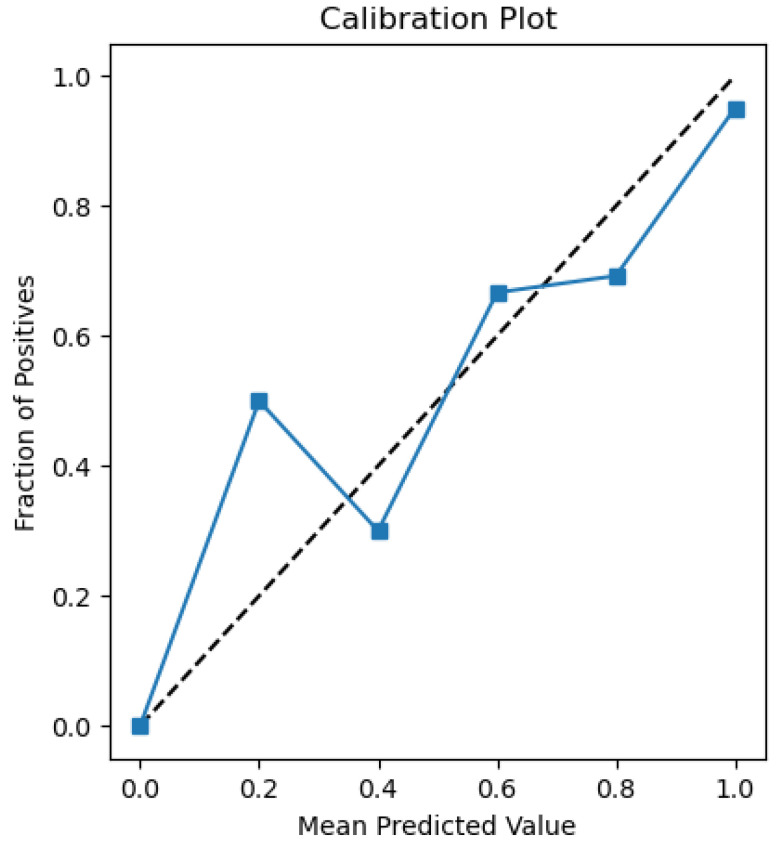 Figure 26
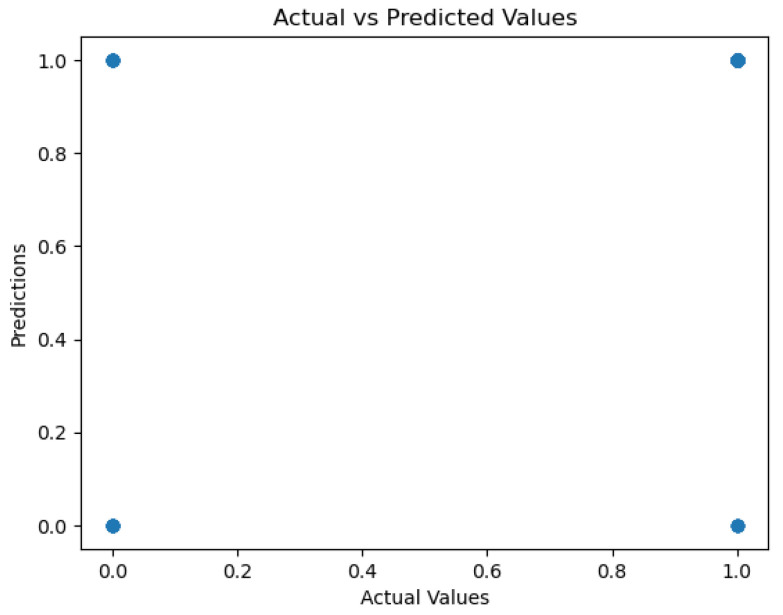 Figure 27
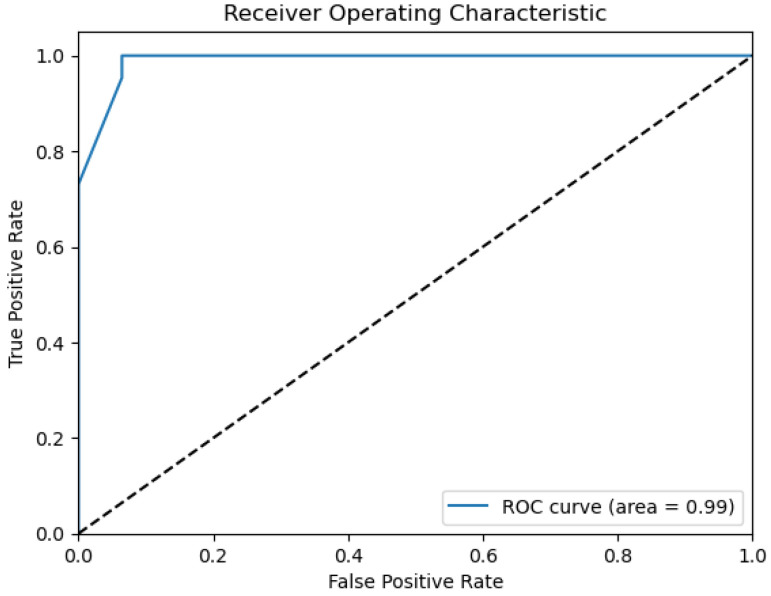 Figure 28
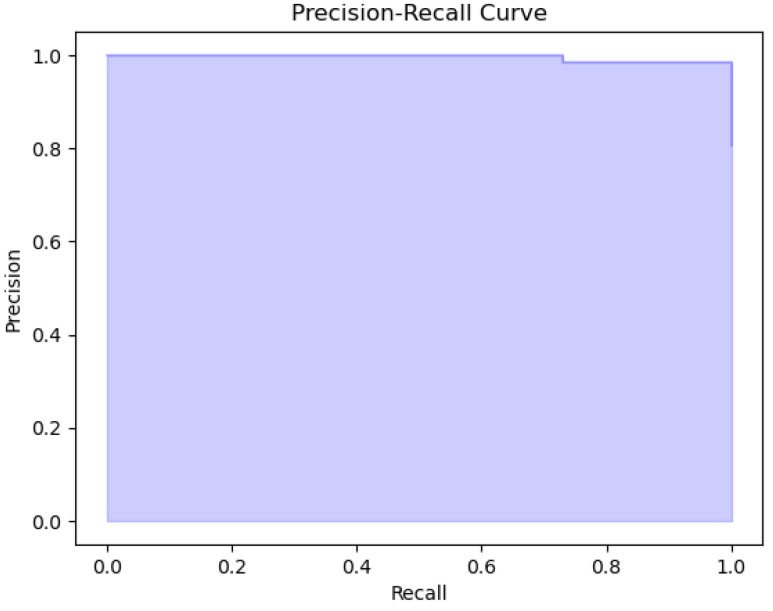 Figure 29
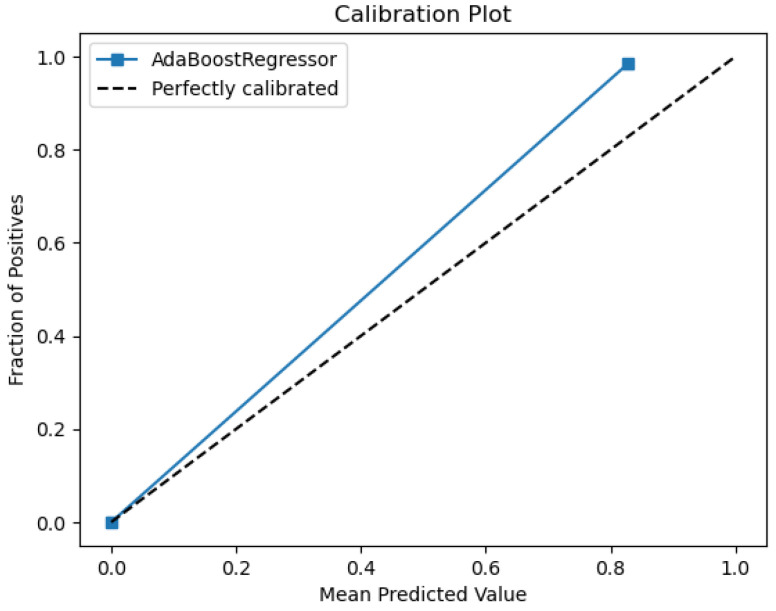 Figure 30
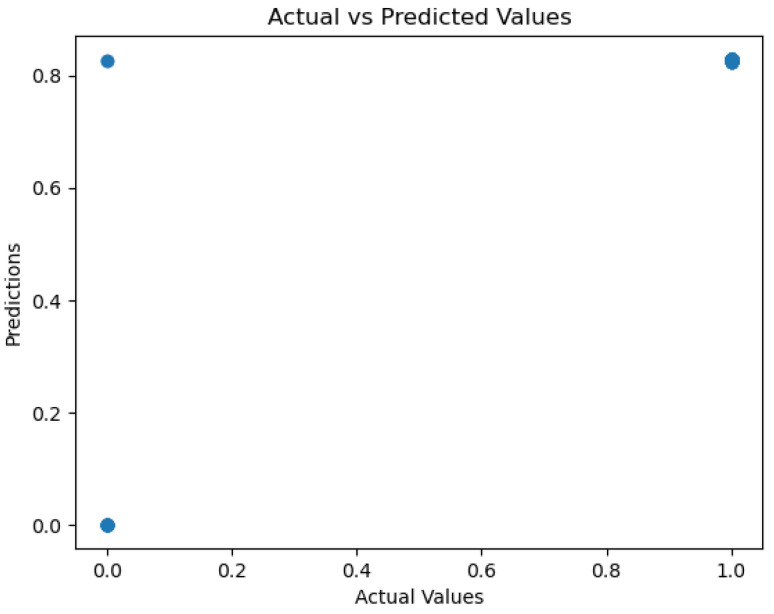 Figure 31
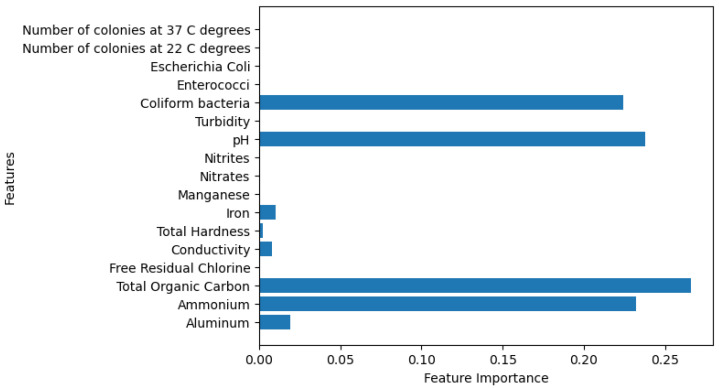 Figure 32
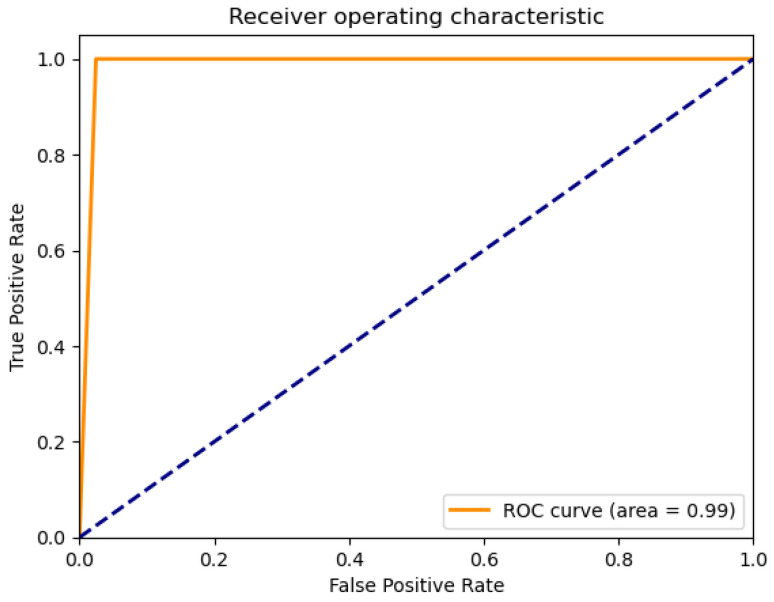 Figure 33
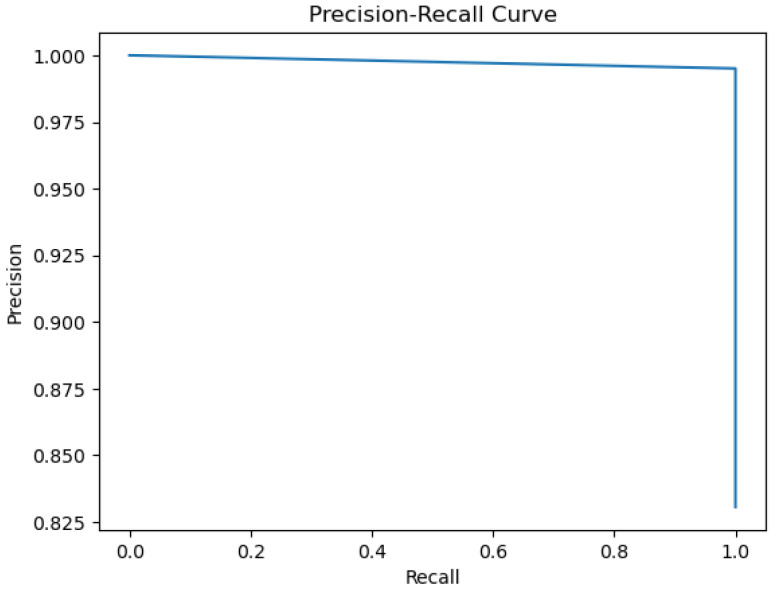 Figure 34
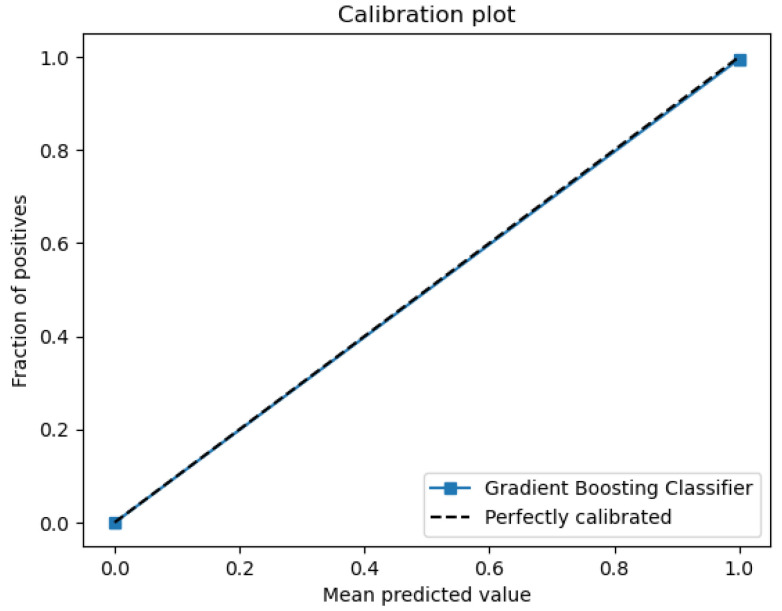 Figure 35
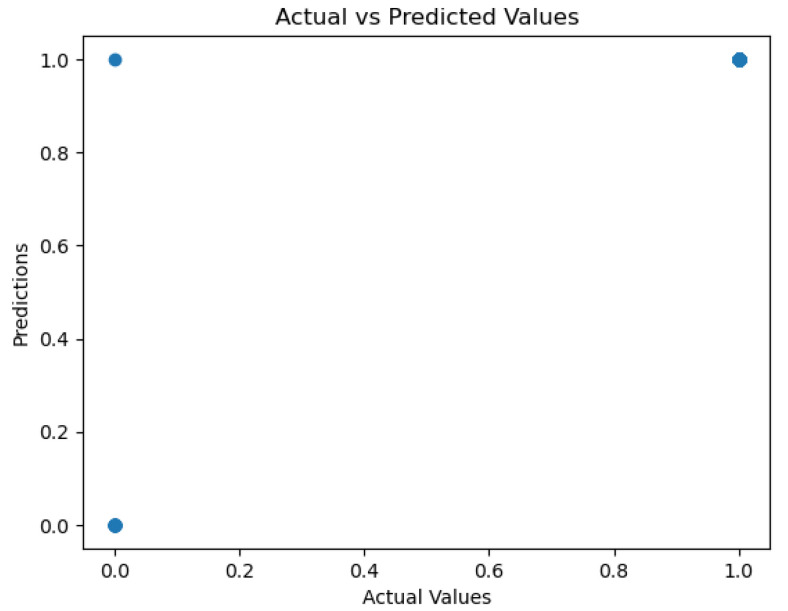 Figure 36
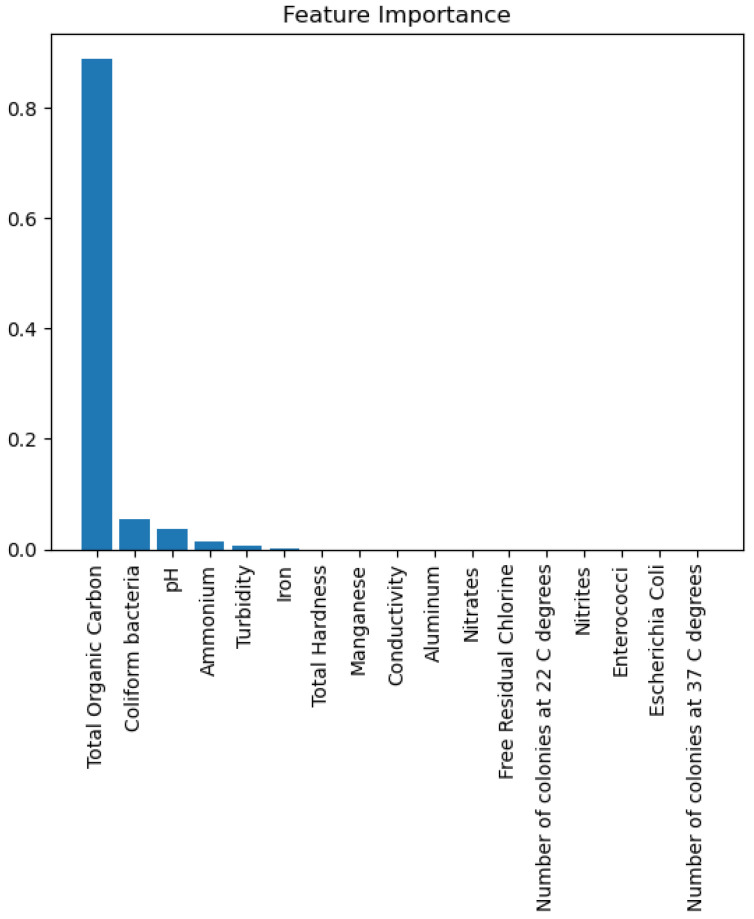 Figure 37
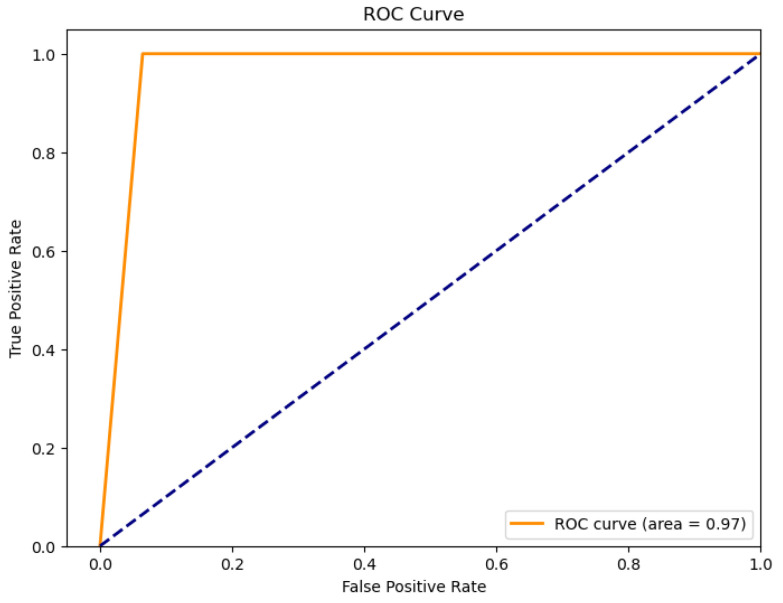 Figure 38
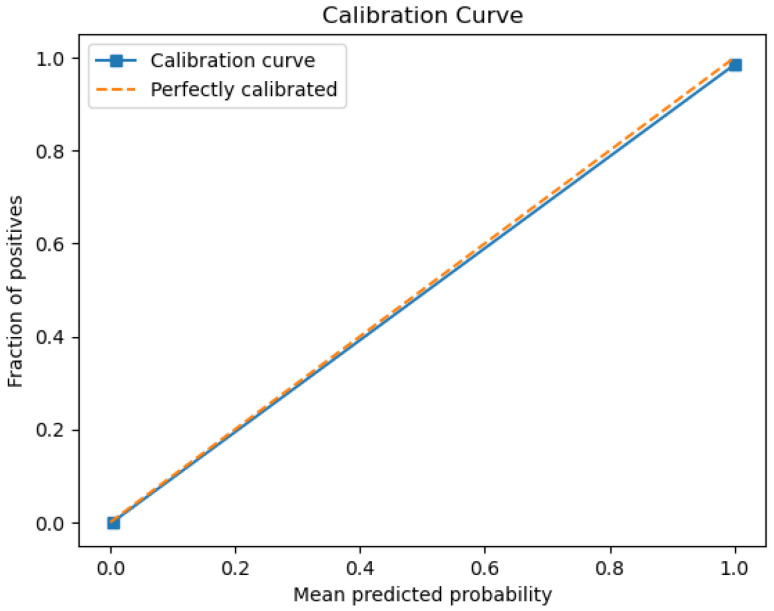 Figure 39
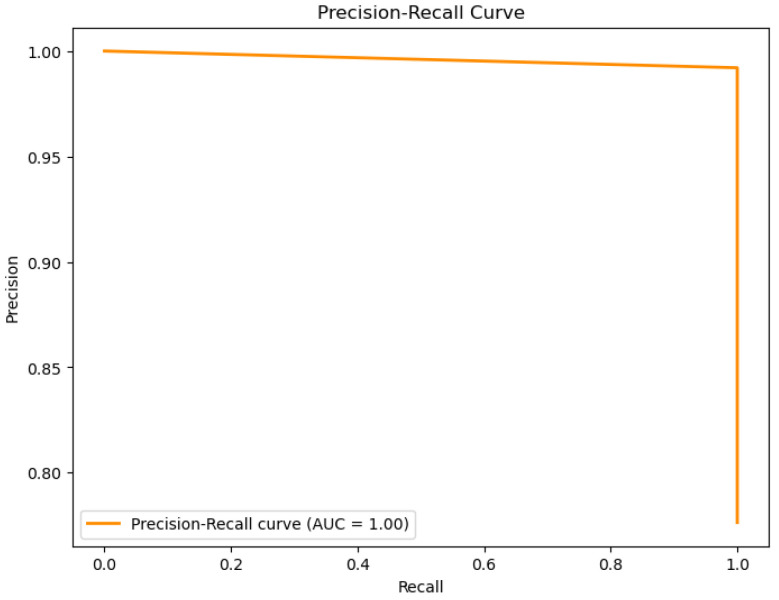 Figure 40
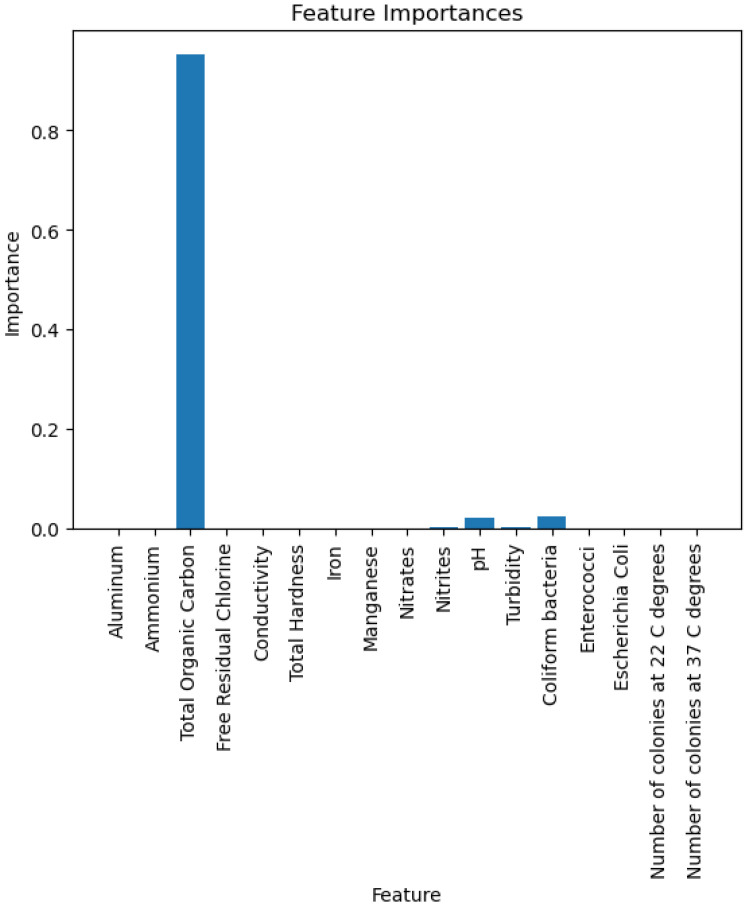 Figure 41
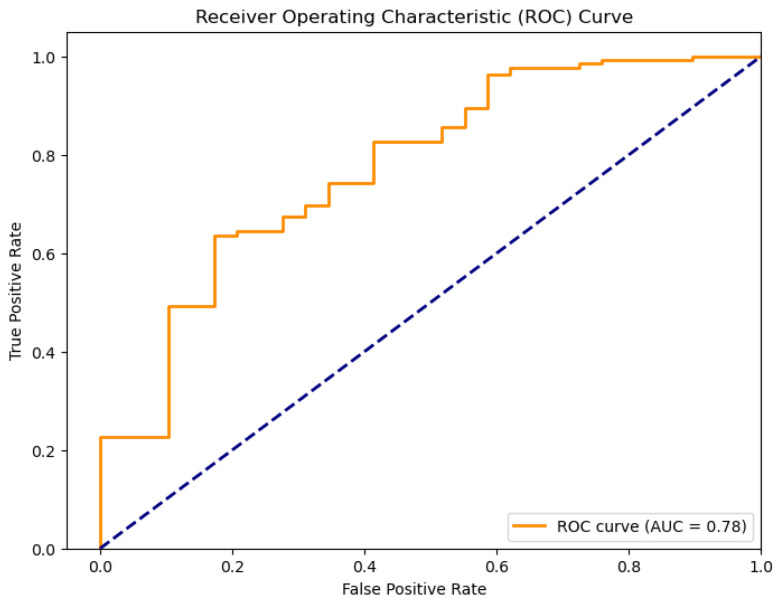 Figure 42
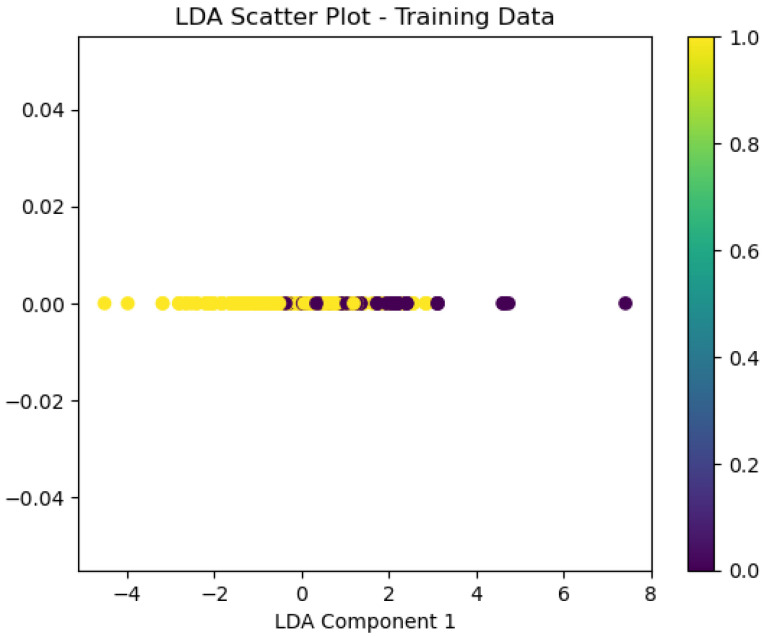 Figure 43
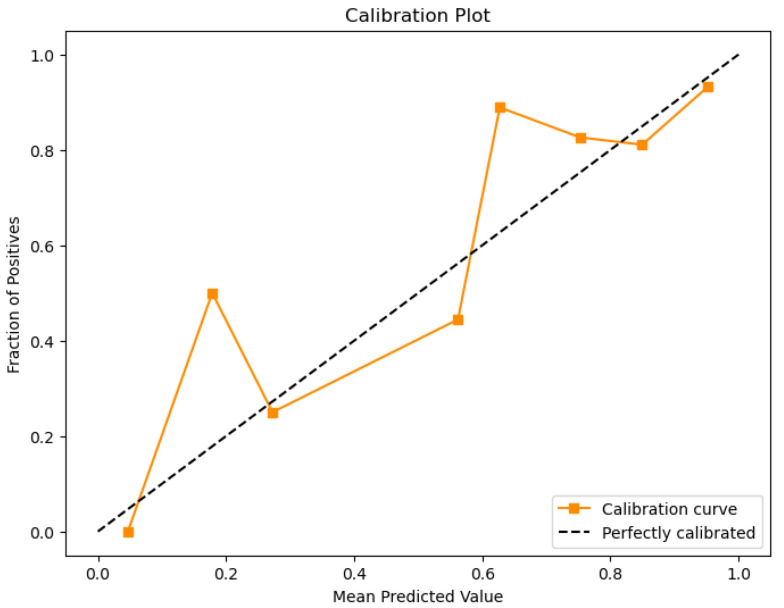 Figure 44
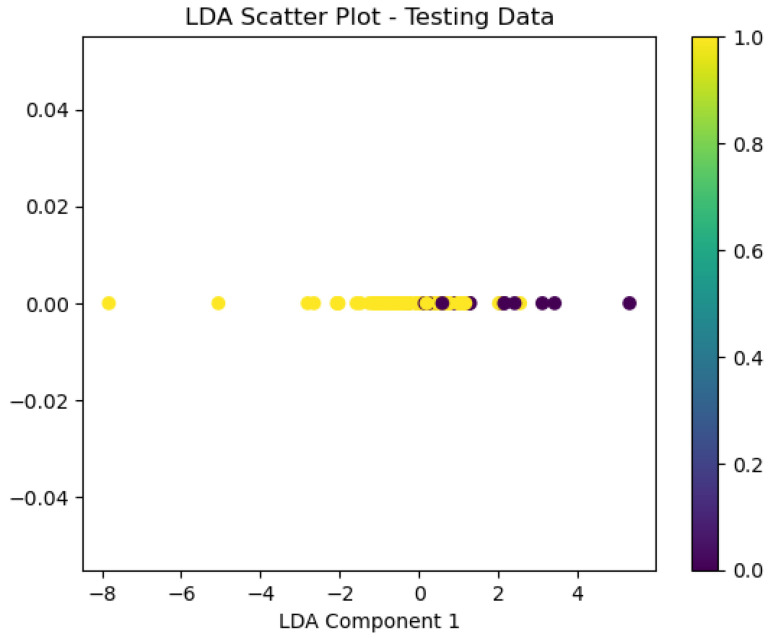 Figure 45
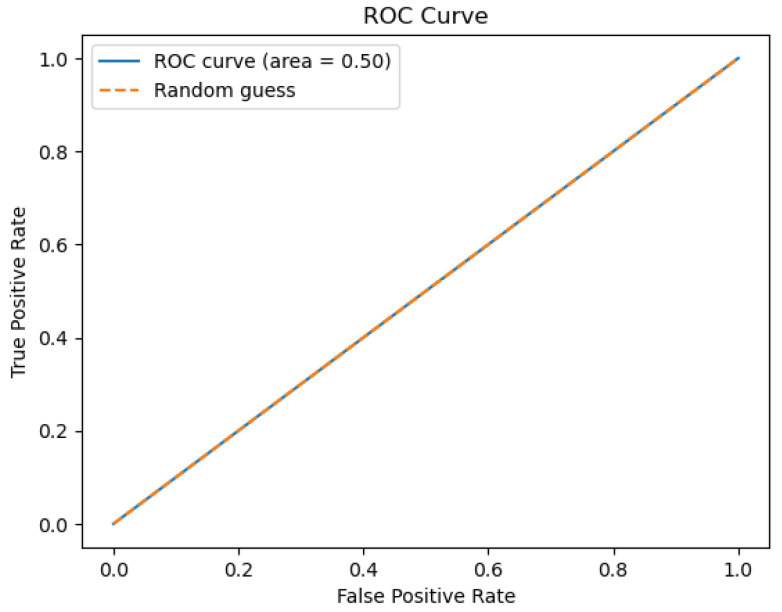 Figure 46
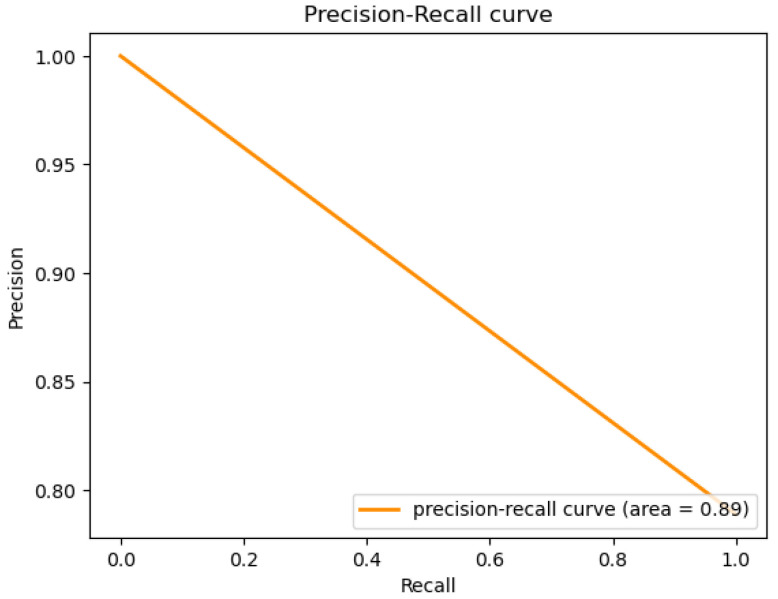 Figure 47
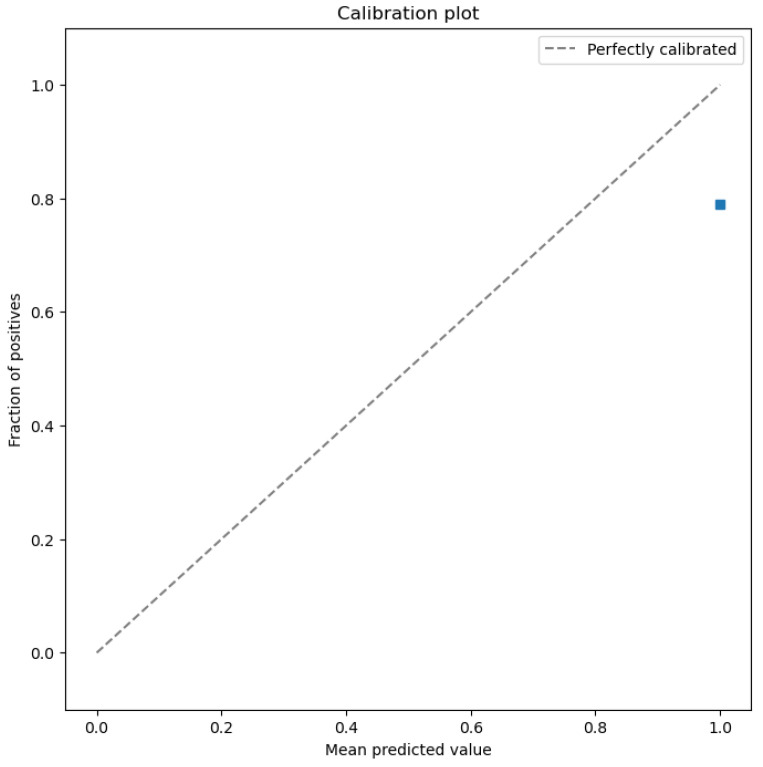 Figure 48
 Figure 49
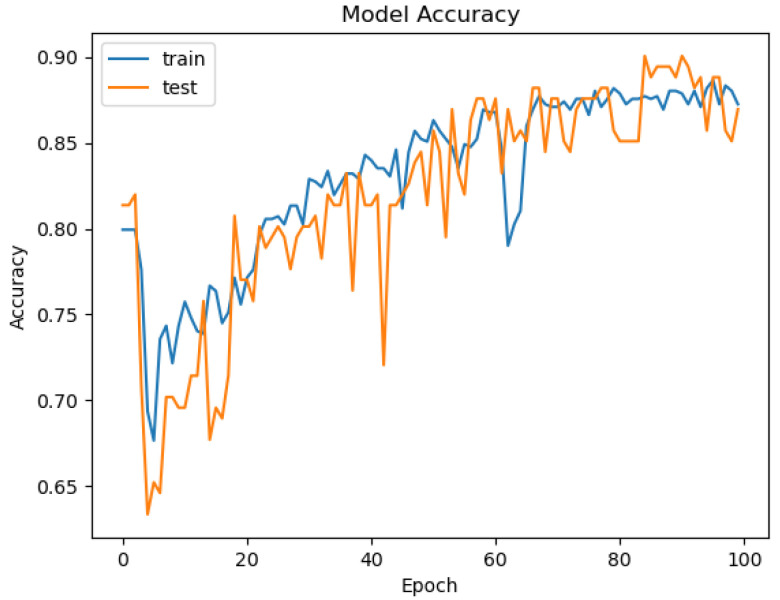 Figure 50
Peer Reviews
No public reviews on file for this paper yet. If you reviewed it on a platform where reviews are public (OpenReview, ICLR, NeurIPS, ICML), you can paste yours below so the community can read it here.
Videos
No videos yet. Explain this paper in a talk, walkthrough, or lecture? Add one.
Taxonomy
TopicsWater Quality Monitoring Technologies · Water Quality and Pollution Assessment · Hydrological Forecasting Using AI