Optimization of Water and N Regulation for Mung Bean (Vigna radiata L.) Cultivation Under Drip Irrigation Using TOPSIS Method in Mollisols Region of Northeast China
Dehao Lu, Ying Liu, Yimeng Zhu, Lili Jiang, Tianyi Wang, Peng Chen, Tangzhe Nie, Xingtao Xiao

TL;DR
This study finds the best water and nitrogen levels for growing mung beans in Northeast China using a decision-making method called TOPSIS.
Contribution
The study introduces a TOPSIS-based optimization model for water and nitrogen regulation in mung bean cultivation under drip irrigation.
Findings
The W3N1 treatment (60-80% soil water and 40 kg/ha N) achieved the highest yield and efficiency in the first year.
Increasing nitrogen levels at W1 irrigation improved plant height, stem diameter, and yield in the second year.
TOPSIS analysis confirmed W3N1 as the optimal treatment for balancing yield, water use efficiency, and nitrogen productivity.
Abstract
Optimizing the coupling effect between irrigation and N fertilizer to balance mung bean (Vigna radiata L.) production and the effective utilization of water and fertilizer resources is an important challenge for sustainable agricultural production. In this study, a field drip irrigation experiment was conducted on Mollisols in Northeast China, and twelve treatments were performed: four levels of soil water content (W1, 80~100% of field capacity; W2, 70~90% of field capacity; W3, 60~80% of field capacity; W4, rainfed condition) and three N application treatments (40 (N1), 80 (N2), and 120 (N3) kg/ha). We analyzed the coupling effects of water and N levels on mung bean growth, yield and yield components, water consumption, water use efficiency (WUE) and N partial factor productivity (PFP) in 2021 and 2022 and screened the optimal water and N regulation by the TOPSIS method. The results…
Genes, proteins, chemicals, diseases, species, mutations and cell lines named across the full text — each resolved to its canonical identifier and authoritative record.
Click any figure to enlarge with its caption.
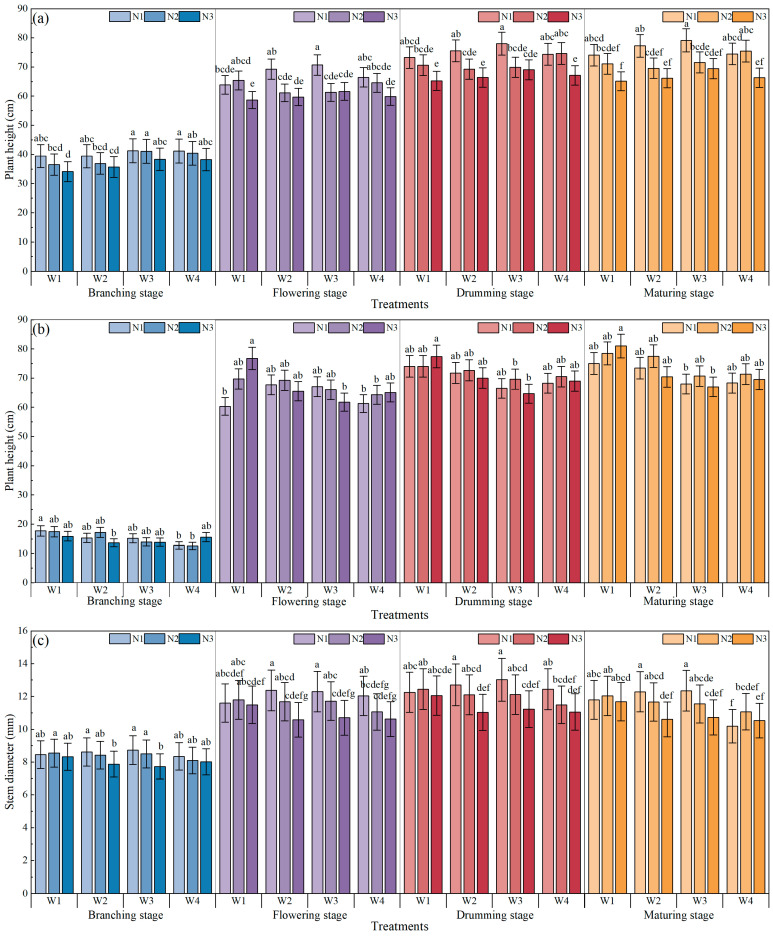 Figure 1
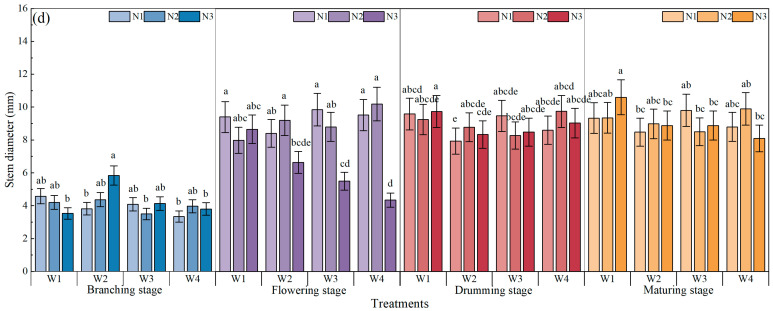 Figure 2
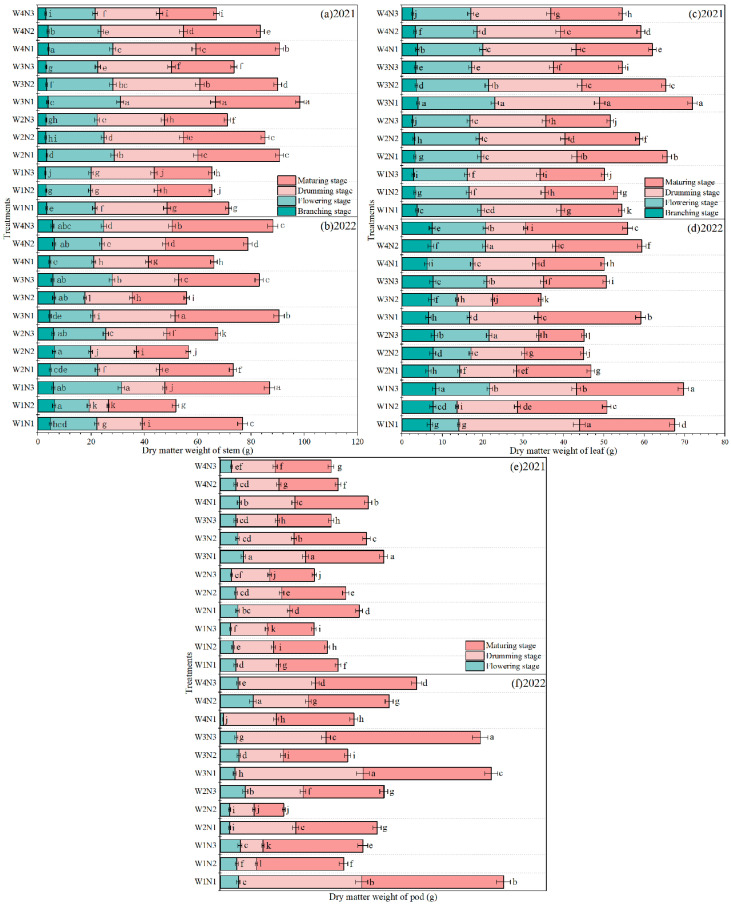 Figure 3
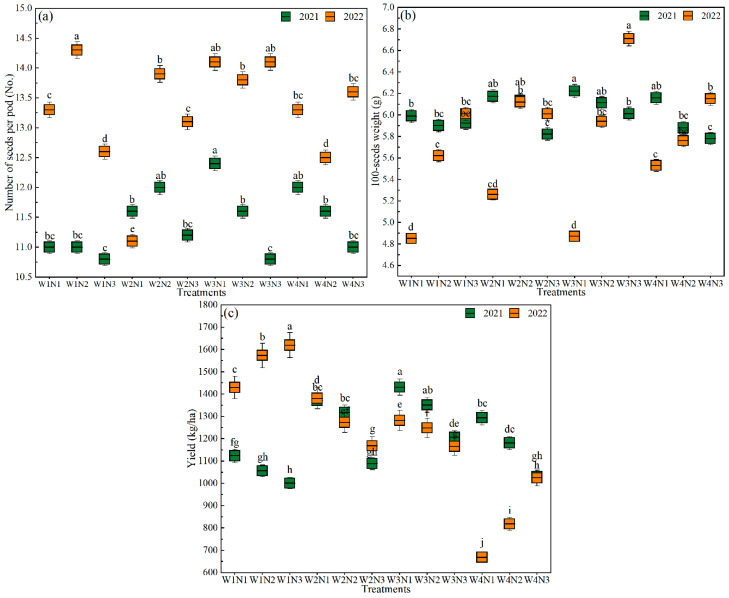 Figure 4
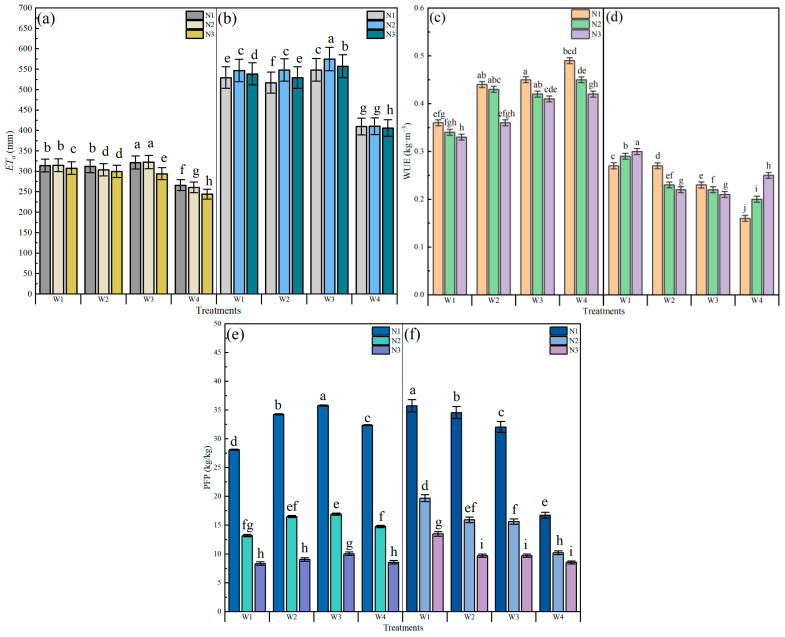 Figure 5
 Figure 6
Peer Reviews
No public reviews on file for this paper yet. If you reviewed it on a platform where reviews are public (OpenReview, ICLR, NeurIPS, ICML), you can paste yours below so the community can read it here.
Videos
No videos yet. Explain this paper in a talk, walkthrough, or lecture? Add one.
Taxonomy
TopicsIrrigation Practices and Water Management · Climate change impacts on agriculture · Soil and Unsaturated Flow