Genomic Landscape and Therapeutic Implications of Metaplastic Breast Carcinoma: Insights from a Nationwide Database Including Diagnostic Mimickers
Shuhei Suzuki, Manabu Seino, Hidenori Sato, Masaaki Kawai, Jiro Ogura, Yuki Hoshi, Yosuke Saito, Koki Saito, Yuta Yamada, Koshi Takahashi, Ryosuke Kumanishi, Tadahisa Fukui, Masanobu Takahashi

TL;DR
This study explores the genomic features of metaplastic breast carcinoma and finds potential links between specific mutations and treatment responses.
Contribution
The study identifies genomic alterations in metaplastic breast carcinoma and explores their therapeutic implications using a nationwide database and single-cell RNA sequencing.
Findings
TP53 and PIK3CA are the most prevalent genomic alterations in metaplastic breast carcinoma.
PIK3CA mutations may be associated with improved disease control in taxane-based therapy.
Single-cell RNA sequencing reveals a subpopulation of cells with mixed epithelial and phyllodes-like signatures.
Abstract
Background/Objectives: Metaplastic breast carcinoma (MpBC) is a rare and aggressive malignancy characterized by significant histological heterogeneity and limited response to standard chemotherapy. Due to its morphological diversity, MpBC often presents diagnostic challenges and can overlap with other mesenchymal tumors. This study aimed to characterize the genomic landscape of MpBC using a nationwide Japanese database and to explore the molecular basis of its diagnostic ambiguities and therapeutic responses. Methods: We retrospectively analyzed genomic and clinical data from 123 MpBC cases registered in the Center for Cancer Genomics and Advanced Therapeutics (C-CAT) database. To evaluate diagnostic boundaries, genomic profiles of histological mimickers, including 19 cases of angiosarcoma and eight cases of myoepithelial carcinoma, were also examined. Furthermore, an exploratory…
Genes, proteins, chemicals, diseases, species, mutations and cell lines named across the full text — each resolved to its canonical identifier and authoritative record.
Click any figure to enlarge with its caption.
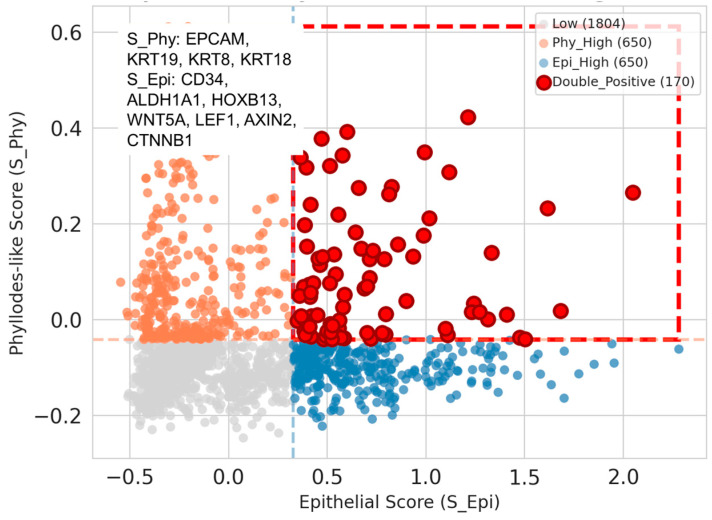 Figure 1
Peer Reviews
No public reviews on file for this paper yet. If you reviewed it on a platform where reviews are public (OpenReview, ICLR, NeurIPS, ICML), you can paste yours below so the community can read it here.
Videos
No videos yet. Explain this paper in a talk, walkthrough, or lecture? Add one.
Taxonomy
TopicsVascular Tumors and Angiosarcomas · Salivary Gland Tumors Diagnosis and Treatment · Breast Lesions and Carcinomas